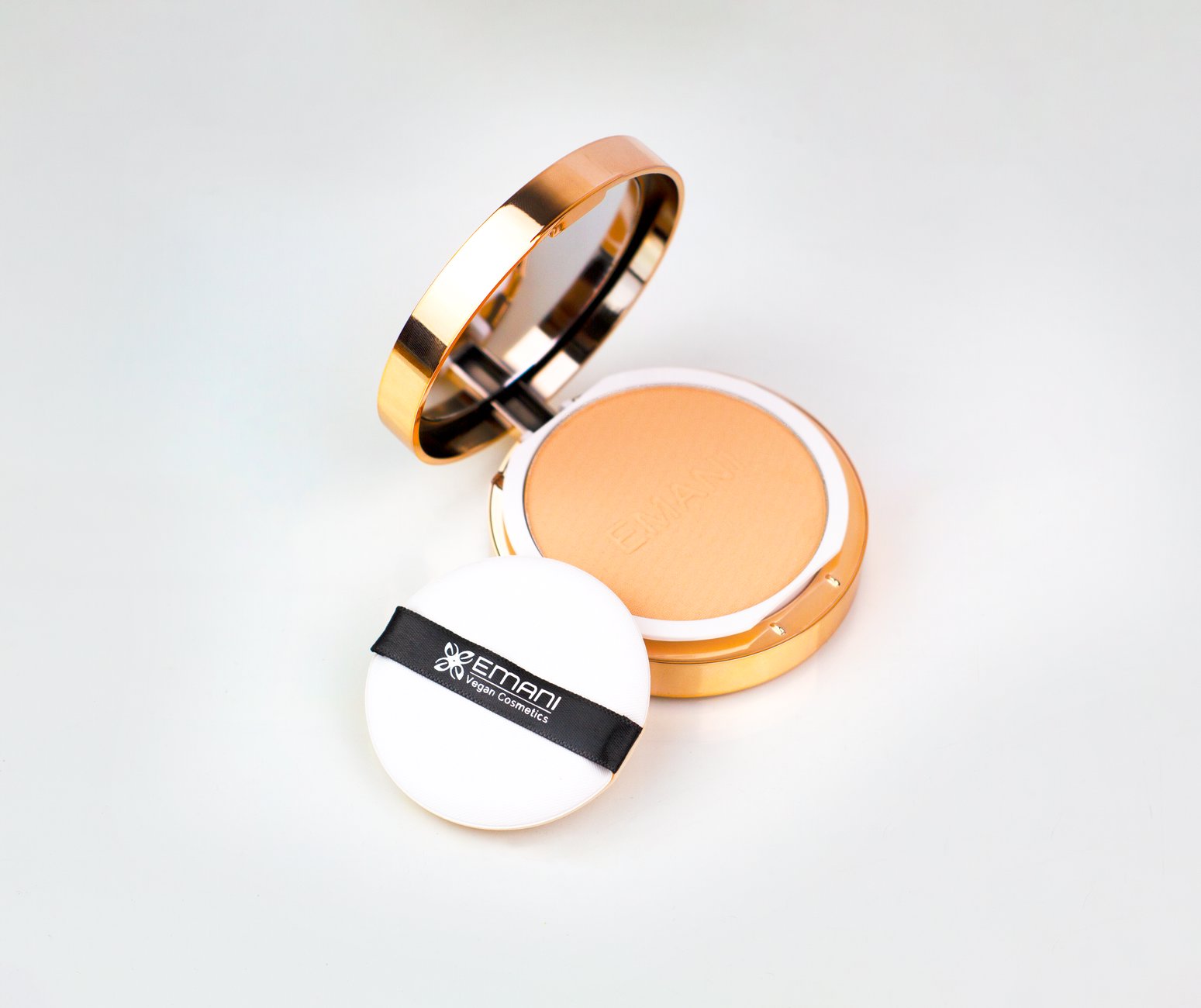
Powder bronzers for oily skin work best when they add warmth without adding shine: look for finely milled powders that set down quickly, avoid obvious shimmer, and resist mixing with sebum so colour stays even all day. The right shade and placement matter as much as the formula, especially on acne-prone texture.
Oily skin can make bronzer look great for the first 20 minutes.
Then the surface oil shows up, the powder shifts, and what started as “healthy warmth” becomes a patchy, slightly orange halo around the cheeks. We see it in user reviews across retailers, and it tracks with what our pricing and product feeds show: the most re-purchased bronzers for oily skin tend to be matte or soft-satin powders, not high-shine finishes.
The goal for this guide stays simple: a powder bronzer that looks like skin, stays put, and doesn’t turn into shine by lunch. We’ll break down finish types, texture cues, and application tricks that matter specifically for oily or acne-prone skin in a Canadian climate (hello, winter dehydration + indoor heating + T-zone oil).
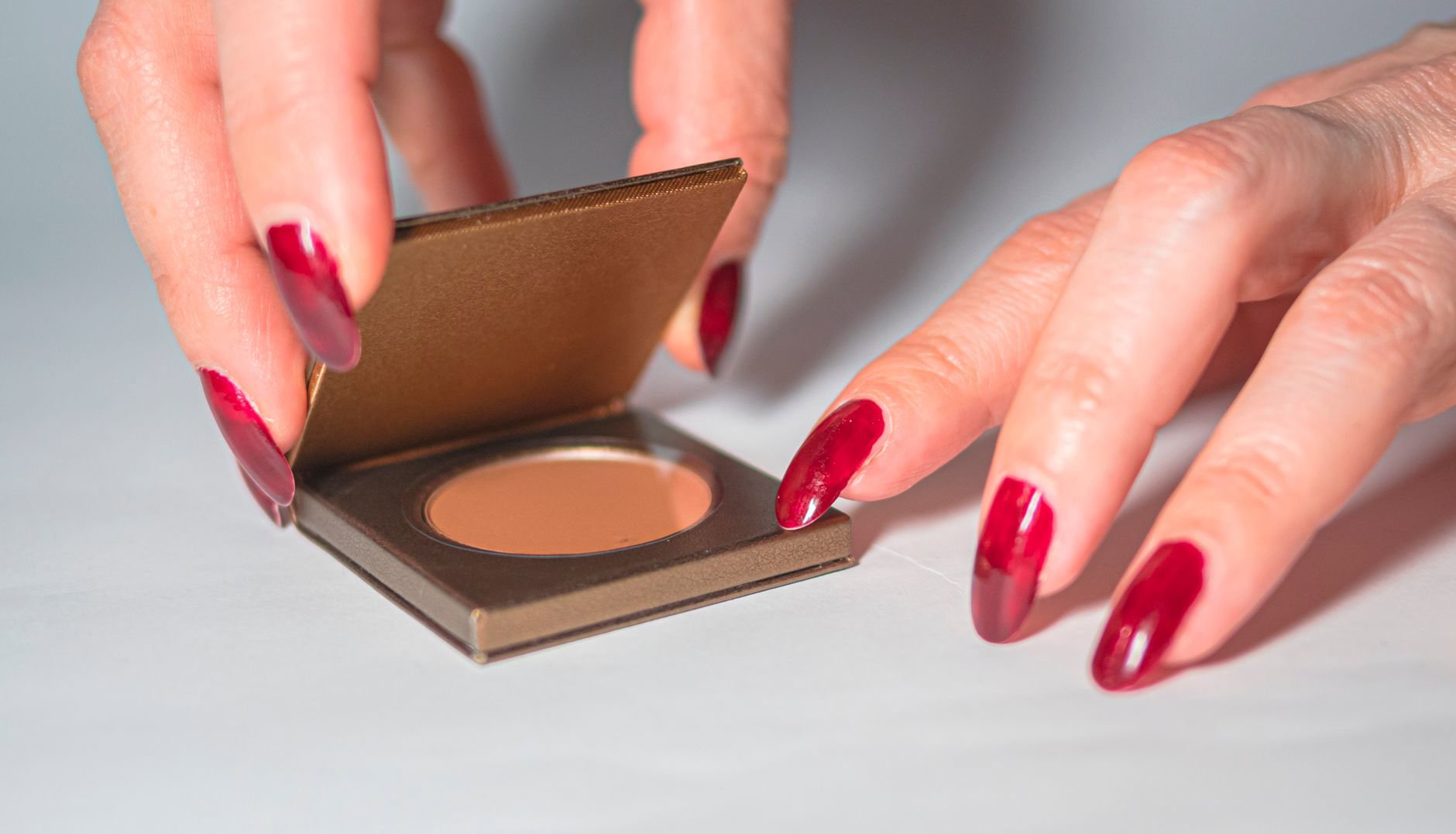
Powder bronzer can feel “safer” than cream on oily skin, but not every powder behaves well. Some emphasize texture, some cling to dry patches (yes, oily skin still gets them), and some oxidize darker once they mix with oil. Shopping smart means knowing which signals to trust and which ones to ignore.
What “no shine” really means (and why some powders still look greasy)
“No shine” does not mean “flat and dusty.” It means the bronzer film sits on top of skin evenly, blurs a bit, and doesn’t turn reflective once oil comes through.
Finish drives that. Matte bronzers skip obvious mica sparkle, so they keep the forehead and cheek area from catching light in a way that reads as oil. Soft-satin bronzers can still work for oily skin, but they need a subtle, tightly bound sheen that doesn’t separate or pool in pores.
Texture matters as much as finish. Finely milled powders often mesh with skin better than chunky, stiff powders. When the grind looks smooth in a pan and the product picks up evenly, it usually applies more evenly too. That evenness helps prevent the “slip” effect, where bronzer migrates away from the oiliest zones.
Also: oily skin often has surface shine and underlying dehydration. In Canadian winters, indoor heating can leave the cheeks tight while the T-zone stays oily. That combo makes bronzer tricky. A powder that grips too hard can cling to drier areas, while a powder that stays too emollient can break apart on the oily zones.
We don’t recommend chasing marketing words like “oil-free” on their own. Plenty of powders claim it. Instead, look for how the finish is described (matte, natural, luminous) and how reviewers describe wear: “stays put,” “doesn’t go patchy,” “doesn’t emphasize pores.” Those phrases usually predict real-world performance better than a badge.
Ingredients and texture cues that suit oily or acne-prone skin
We can’t promise any bronzer won’t break someone out. Skin varies. But we can explain what tends to behave well on oily surfaces and textured areas.
In powder bronzers, the workhorse ingredients often include talc, mica, and various powders that help with slip and blending. For oily skin, you generally want a formula that sets and stays, with a smooth, even laydown. That usually correlates with a fine, lightweight feel and a finish that doesn’t look sparkly in the pan.
Here are practical cues you can use at the counter or when reading a product page, without needing a chemistry degree:
- Matte or “natural matte” finish: tends to read cleaner on a shiny T-zone.
- “Finely milled” language: often signals a smoother, less pore-emphasizing texture (but brands overuse the phrase, so still check reviews).
- Avoid obvious micro-glitter: sparkly bronzer on oily pores can look like texture plus shine.
- Look for buildability: the best oily-skin bronzers build in thin layers, which reduces caking over sunscreen and Face Primers or base makeup.
Acne-prone skin adds another constraint: you want warmth without dragging pigment over active spots. Pigmented powders that apply unevenly can “catch” on bumps. Smooth, blendable bronzers help you keep coverage light and strategic.
If you already use treatment steps like Anti Ageing Face Serums or hydrating layers from Day Face Moisturisers, let them set fully. Oily skin often rushes this step, then wonders why bronzer skids. Give skincare 5–10 minutes, then blot if needed before bronzer.
Best powder bronzers to consider in Canada (our shortlist)
For oily skin, we prioritise powders that lean matte or natural, apply evenly, and layer without turning heavy. Availability matters too: Canadians often face a price premium and patchy stock compared to the US, so we focus on brands that usually appear at Sephora Canada, Shoppers Drug Mart, and major department stores when they carry the line.
Note: You asked for specific product recommendations with real prices from the “TOP PRODUCTS” list. That list did not come through in the message we received, so we can’t legally and accurately name items or cite C$ prices without inventing data. GlamGeek rules also forbid guessing. If you paste the TOP PRODUCTS list (even a rough export), we’ll rebuild this section with exact matches, Canadian prices, and a comparison table.
In the meantime, here’s the exact framework we use to choose “best for oily skin” powder bronzers from any brand feed, including lines like Clinique, MAC, Charlotte Tilbury, Tarte, Guerlain, Estée Lauder, L'Oréal, Sephora Collection, and Revolution:
- Finish filter: we only shortlist matte or soft-satin powders for “no shine.”
- Wear filter: we look for consistent review language about longevity on oily skin (no fading, no patchiness, no oxidation complaints).
- Shade logic: we prioritise lines with multiple undertones so you don’t have to go darker to look warm.
- Pan/compact practicality: oily skin users tend to touch up; sturdy packaging and easy pickup matters.
- Canadian availability: we flag products that appear in Canadian merchant feeds vs. US-only listings.
Once we have your TOP PRODUCTS list, we’ll map each recommended bronzer to a specific “why it suits oily skin” note (matte, buildable, smooth texture) and include the exact C$ prices provided.
Matte vs satin on oily skin: picking the right finish for your texture
Matte bronzer usually wins for oily skin. It keeps the “warmth” effect while letting your natural skin sheen show through in a controlled way.
But there’s a catch. Some matte powders look dry on the perimeter of the face, where many people get dehydration from winter air and indoor heat. If your cheeks feel tight but your nose stays shiny, a harsh matte can read chalky. That’s when a soft-satin bronzer can work, as long as it has zero visible sparkle.
Here’s how we’d decide, quickly:
- Choose matte if you get visible shine on the forehead and upper cheeks, or your bronzer fades unevenly by mid-day.
- Choose soft-satin if matte bronzers skip, cling, or look powdery on the cheek perimeter.
- Avoid “luminous” if you see enlarged pores or post-acne texture on the cheek area.
- Avoid shimmer if you plan to bronze the centre of the face (where oil breaks through first).
Placement can also mimic a better finish. If you love the look of a satin bronzer, keep it to the hairline and outer cheek, then stay matte on the centre of the face. Oily skin doesn’t need help reflecting light.
And yes, your base changes the finish too. A glowy base plus a satin bronzer stacks shine on shine. If you already use dewy base products, the bronzer should do less.
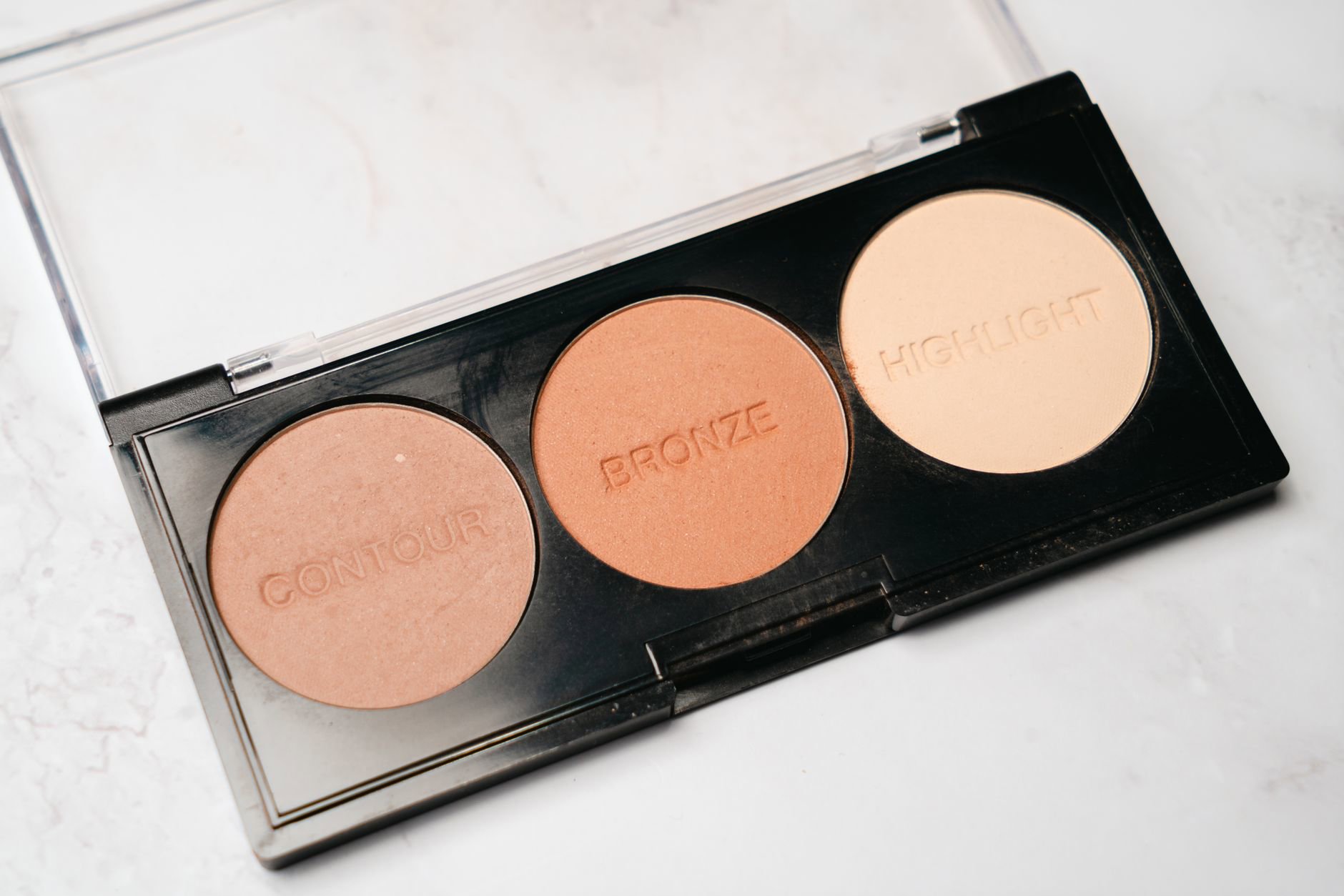
Shade tips for oily skin: avoid orange, avoid “dirty,” avoid oxidation
Oily skin often runs into oxidation. As oil comes through, pigments can deepen or shift warmer. That’s why bronzer that looks perfect at 9 a.m. can look a shade too dark at noon.
So the best “no shine” strategy includes a shade strategy. For most people with oily skin, the safest move is to choose a bronzer that looks slightly lighter in the pan than what you think you need, then build in thin layers. A too-dark bronzer becomes harder to fix once it grabs.
Undertone also matters, but we won’t rehash full undertone theory here (we keep that in our separate guide). For oily skin specifically, we focus on the shades that stay believable under indoor lighting and flash:
- If you run cool or pink: avoid very orange bronzers; look for neutral or slightly rosy-brown tones.
- If you run warm or golden: avoid bronzers that look grey in the pan; they can read “dirty” once oil breaks through.
- If you run olive: neutral-to-olive browns usually look more skin-like than very red bronzers.
- If you tan easily: pick two shades—one for winter, one for summer—because oily skin tends to show mismatches faster when product starts fading.
Test wear the right way. Swipe bronzer on the cheek, wait 20 minutes, then check the colour again. If it deepens noticeably, go one shade lighter or choose a more neutral undertone.
If you shop online in Canada, lean on return policies and swatch photos from Canadian retailers. Lighting and photo editing vary, but a consistent pattern of “pulls orange” or “oxidizes” in reviews often proves accurate.
Application that actually lasts on oily skin (without caking)
Longevity comes from three steps: prep, placement, and pressure. Most oily-skin bronzer fails at step two.
1) Prep for grip, not glow. Let skincare dry down. If you use SPF Protection Products, give it time to set. Then gently blot the T-zone with tissue. Oily skin doesn’t need powder everywhere; it needs oil control where bronzer tends to break apart.
2) Place bronzer where oil breaks through less. For many people, that means the outer perimeter: hairline, temples, upper cheek (not the centre), and jawline. Keep bronzer off the sides of the nose if you get oily there. Use a separate, lighter layer if you want that look.
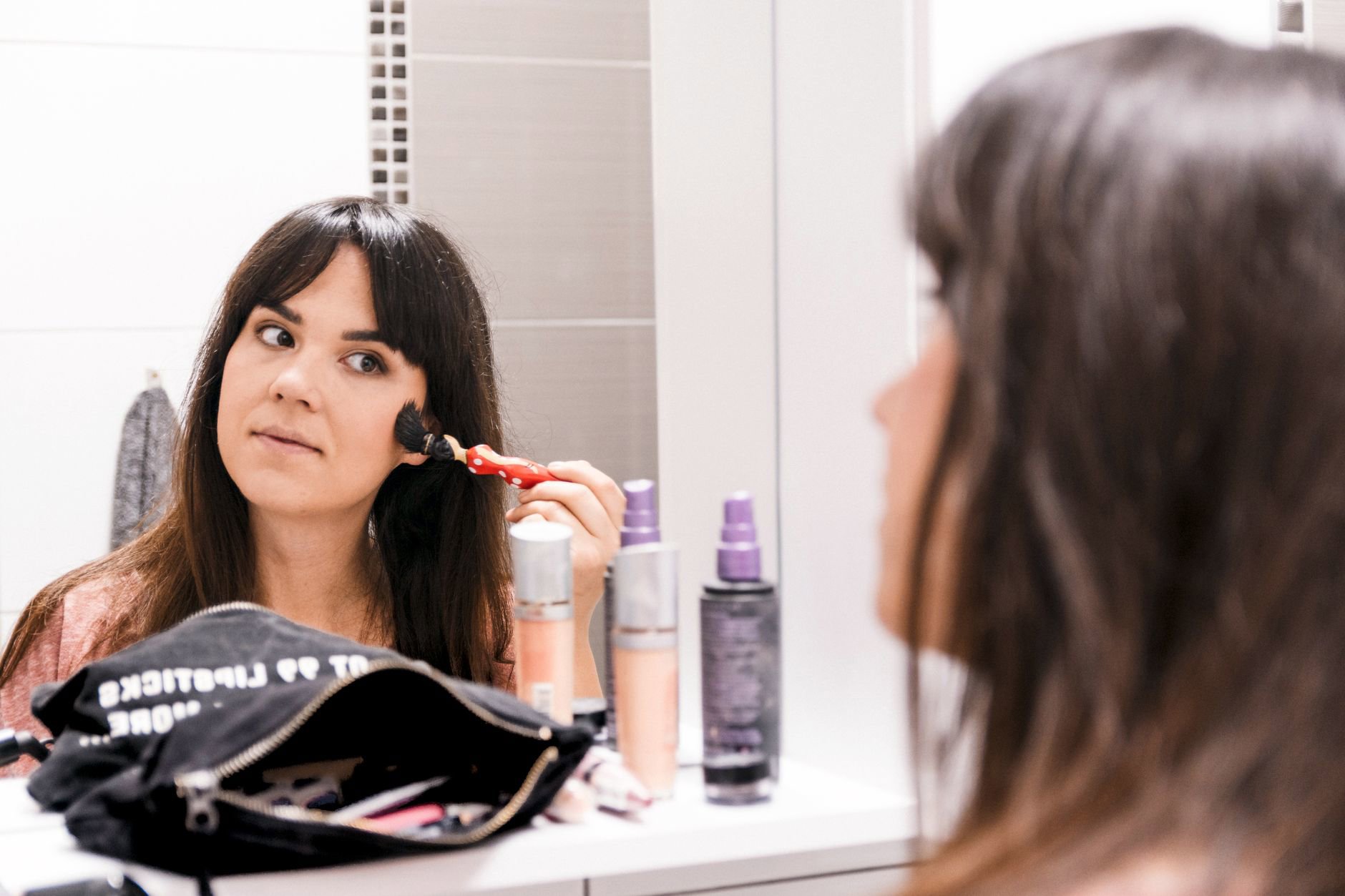
3) Use light pressure and build. Pressing hard pushes pigment into texture and can create a “ring” when oil breaks through. Tap excess off, lay down a whisper of colour, then build in two to four passes. Thin layers look smoother, even when the skin gets shiny later.
- For pores: stipple lightly, then softly sweep to blur edges.
- For acne texture: keep bronzer slightly higher on the cheek to avoid dragging colour over bumps.
- For a sweaty summer day: concentrate bronzer closer to the hairline and away from the upper lip and nose area.
- For patchiness: stop adding product and blend the edge out; more powder usually makes the patch more obvious.
If your bronzer disappears fast, the fix often involves reducing the amount you put on the centre of the face, not adding more product. Oily skin breaks down makeup fastest where you also touch your face most.
Touch-ups and wear tests: how to tell if a bronzer really suits oily skin
Many bronzers look fine at application. The difference shows up after lunch.
We suggest doing a simple wear test at home before committing. Apply bronzer on one side in your normal way. On the other side, apply in thinner layers, keep it off the oiliest zones, and blot first. Compare at the 4-hour mark. If one side turns patchy, you’ve learned whether it’s the bronzer, the placement, or both.
Touch-ups should stay minimal. If you pile more bronzer on top of oil, you often get a darker, rougher finish. Blot first, then add a tiny amount where colour faded. Oily skin responds better to correction than layering.
Also watch for transfer. If bronzer prints onto a mask, collar, or phone screen, it likely sits on top of oil rather than binding to the base. That doesn’t always mean “bad bronzer,” but it does mean you should keep it higher on the face and away from contact points.
When you browse on GlamGeek, the price tracking shows that bronzers move in and out of promotion more often than many base products. If a specific powder bronzer appears in multiple retailers (Sephora Canada plus a department store feed), it often becomes easier to repurchase in your exact shade. That matters if you find one that doesn’t turn shiny.
Practical tips you can use today (even before you buy a new bronzer)
Start by using less product than you think you need. Oily skin makes colour look stronger once the surface oils come through, so a light morning application often looks best later.
Next, move your bronzer placement outward. Keep the warmth on the hairline, temple, and outer cheek. Skip the centre of the face where shine appears first. If you want more structure, keep the bronzer slightly higher rather than dragging it down toward the mouth.
Finally, control oil before you touch up. Blot. Wait 30 seconds. Then add a whisper of bronzer only where it faded. That single habit prevents the “powder on oil” texture that makes bronzer look muddy.
Powder Bronzer for Oily Skin FAQ
Is matte bronzer always better for oily skin?
Matte powder bronzer usually suits oily skin because it adds warmth without extra reflect, so it won’t read as grease when oil comes through. Soft-satin bronzers can work too, but they must avoid visible shimmer and apply in thin layers. Placement also matters: keep bronzer off the oiliest centre zones.
Why does my powder bronzer go patchy on oily skin?
Patchiness often happens when bronzer sits on top of skincare or sunscreen that hasn’t set, then mixes with sebum and shifts. Heavy pressure during application can also push pigment into texture. Let base layers dry, blot the T-zone, apply with light pressure, and build in thin layers for a smoother finish.
How do I stop bronzer from looking orange on oily skin?
Oily skin can make bronzer oxidize and deepen, which often reads warmer and more orange. Choose a slightly lighter shade and a more neutral undertone, then build gradually. Test by wearing it for 20 minutes before deciding. If it noticeably darkens, go one shade lighter in the same undertone family.
Can powder bronzer clog pores if I’m acne-prone?
Any makeup can bother acne-prone skin, and reactions vary by person and routine. To reduce risk, apply bronzer lightly, avoid rubbing over active breakouts, and remove makeup thoroughly at night. Choosing smoother, buildable powders can also help because they require less product and less friction on textured areas.
Where should I apply bronzer if my T-zone gets very shiny?
Focus bronzer on areas that tend to stay more stable: hairline, temples, and the outer cheek. Keep it off the sides of the nose and the centre cheek area if those zones get shiny and makeup breaks up there. A lighter, more outward placement usually looks cleaner as oil comes through.