Eczema-prone skin buys a lot of body lotion. Our price tracker flags regular promos on light lotions every winter weekend, while thicker balms sell out faster when the first deep freeze hits. That pattern matches what dermatologists teach. Light lotions suit calm weeks. Flares demand more.
So, is body lotion enough? Sometimes. On low-irritation days or during humid stretches, a well-formulated lotion can maintain comfort. In a January cold snap with indoor heating on max, lotion often falls short. Texture and timing decide the result as much as the label does.
We rate lotion as a maintenance step, not a crisis tool. Pair it with smarter bathing, gentle cleansers, and targeted occlusives. You’ll stretch comfort and stretch your budget.
Why this question matters now
Eczema (atopic dermatitis) touches a lot of women. Most studies put prevalence near one in ten adults worldwide. Canadian winters make that number feel higher. The air dries out, indoor humidity drops, and skin barrier function struggles. Our readers ask about lotion every December because the answer changes with the weather.
Across our merchant feed, fragrance-free body lotions hold the widest shade of discounts. Creams and ointments see fewer markdowns but sell through more quickly when temperatures plunge. That behaviour lines up with need. Thin emulsions hydrate. Rich textures seal.
Formulas also evolve. In the last two years, we logged more launches with barrier-loving ingredients. Brands add ceramides, cholesterol, and fatty acids to drugstore and prestige lines. Colloidal oatmeal surged in visibility again. Consumers now expect a lotion to support barrier repair, not just feel silky.
Canada brings a price premium versus the US on many staples. We see that gap across retailers, especially on jumbo sizes. Smart timing and price alerts can blunt the pain. More on that below.
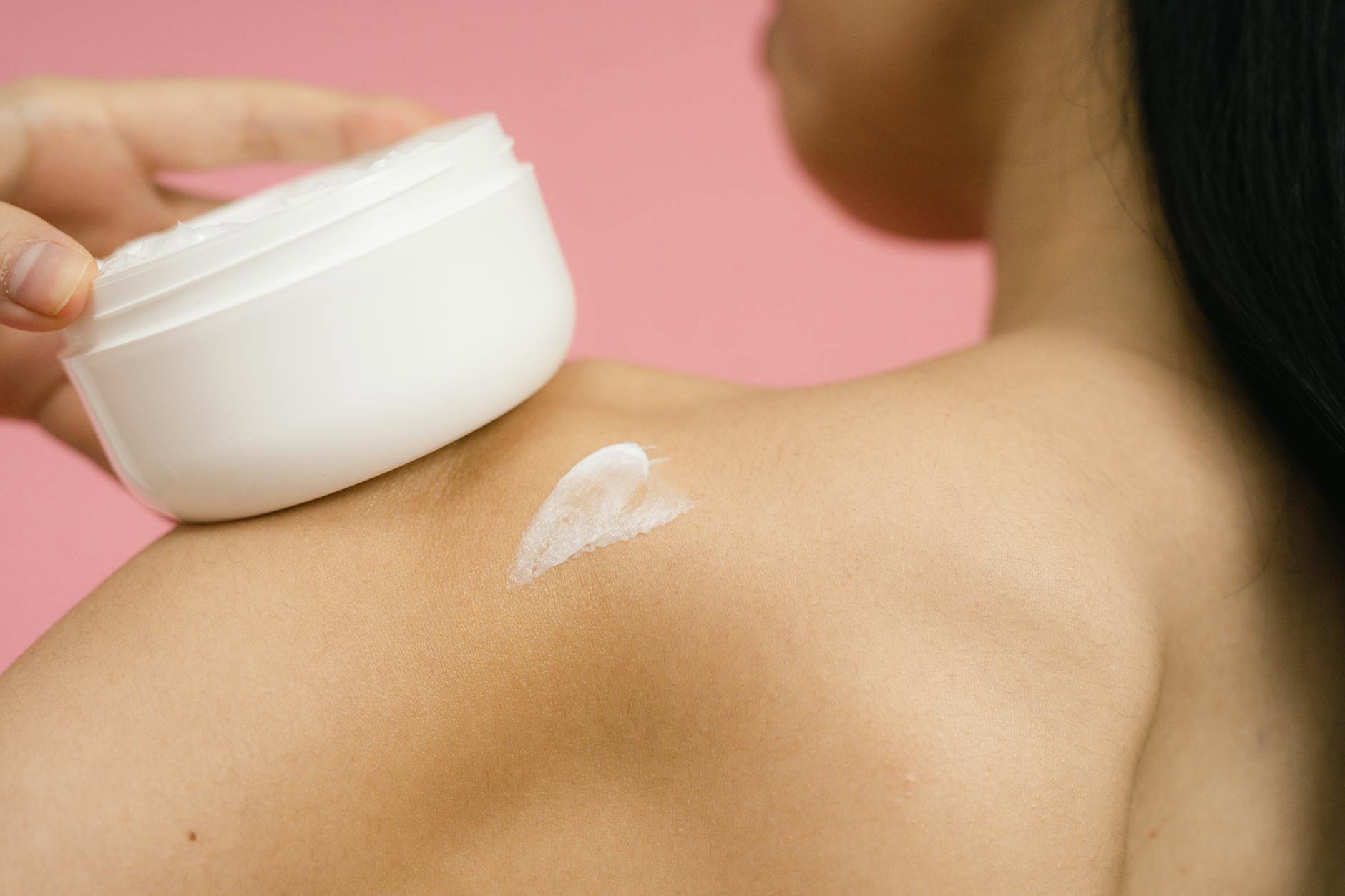
{{IMAGE:woman applying body lotion eczema}}Lotion, cream, or ointment: which texture works when?
Texture isn’t decoration. It tells you how much water, oil, and occlusive a product delivers. You can set expectations fast once you learn the pattern.
Lotion feels light because it carries more water than oil. It spreads fast and absorbs quickly. It hydrates well on normal or slightly dry skin. It also layers well under clothes on busy mornings. During a calm stretch, lotion can hold the line if you apply it right after bathing.
Cream adds more lipids and occlusives. It feels richer, sits longer, and limits water loss better. Cream suits dry patches, winter legs, and post-shower sealing. A good cream bridges the gap between maintenance and mild flare care. Keep one on hand when weather swings cold.
Ointment leaves shine and locks everything down. Think petrolatum-rich balms. Ointment handles cracked knuckles, raw creases, and angry patches. You use ointment on small areas during flares or overnight on trouble zones. The finish won’t thrill you, but the relief often will.
So, is body lotion enough? It can be enough for maintenance. It rarely proves enough for an active flare. Use the lightest texture that still keeps your skin comfortable for a full day. If you reapply lotion every two hours, you need a cream or ointment.
Ingredients that matter for eczema-prone skin
Read past the front label. The INCI list tells you more than the name on the tube. For eczema-prone skin, you want humectants, emollients, and occlusives in smart balance.
Humectants pull water into the top layers. Look for glycerin, hyaluronic acid, and low-dose urea. Urea at low percentages hydrates and softens. It can sting on broken skin, so patch-test first. Glycerin works in almost every routine and costs less.
Emollients smooth texture and fill micro-cracks. Ceramides, cholesterol, and fatty acids support the skin’s natural barrier. Brands now add these to lotions and creams across price tiers. You can compare barrier-focused options from lines by Clinique, Garnier, and L'Oréal on GlamGeek.
Occlusives trap water. Petrolatum tops that list. Shea butter and dimethicone help too. In a Canadian winter, an occlusive in the top third of the list makes a difference. The finish might feel dewy, not matte. Comfortable skin beats a powdery feel in February.
Watch potential triggers. Fragrance, essential oils, and many drying alcohols can rile sensitive skin. Leave strong acids for the face, not eczema-prone shins. If you love scent, apply perfume to clothes or hair, not compromised skin.
You can browse fragrance-free picks in Body Lotions and richer options in Body Creams. Add favourites to your wishlist and we’ll ping you when prices drop.
When lotion helps
Use lotion for maintenance in three moments. Right after bathing. On warm or humid days. And on areas that don’t scratch or flake.
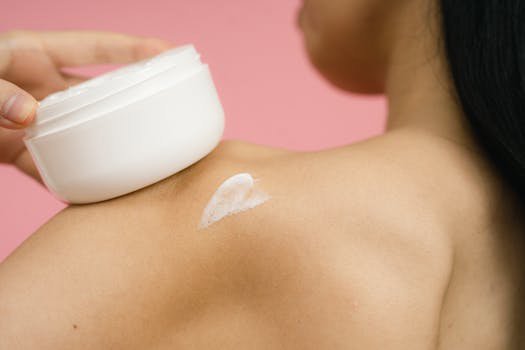
Timing matters. Apply lotion within three minutes of stepping out of the shower. Skin still holds water then. Humectants grab it. Occlusives seal it. Miss that window and you chase your tail all day.
Smaller, regular amounts work better than one heavy slather. Spread a palmful over each limb. Don’t spot-treat only the worst places. Eczema-prone skin likes consistency.
On stable weeks, layer lotion under a dab of ointment on friction zones. Elbows, waistband marks, and bra straps create hot spots. A thin petrolatum smear over lotion takes seconds. That tweak can mean fewer red patches at night.
When lotion won’t be enough
Switch to cream or ointment when you see clear flare signs. If the skin looks bright red, cracked, or weeps, lotion can sting and disappear. Cream or ointment holds on and shields nerves from air and fabric.
Winter in Canada raises the bar. Outdoor air dries fast. Indoor heating strips moisture. Hands take a beating with washing and sanitiser. Keep a tube of hand cream in your bag and a small ointment at your sink. Use both after each wash. Lotion rarely keeps up with that cycle.
Consider wet-wrap therapy on rough nights. Smooth a bland ointment or thick cream on the area. Dampen a soft cotton layer with warm water and place it over the product. Add a dry layer on top. Wear it for a few hours or overnight. This method boosts absorption and calms itch. Ask your healthcare provider about safe frequency if you use medicated creams too.
If you can’t sleep from itch or see signs of infection, call your doctor. Prescription treatments exist and work. Use them as directed, then step back to creams and lotions between flares.
Build a routine that lowers flare risk
Good products help. Good habits matter more. Small switches reduce friction and water loss. You don’t need a 12-step ritual.
Keep showers short and warm, not hot. Hot water strips lipids and ramps up itch. Use a gentle, fragrance-free cleanser on the bits that need it. Many women do fine with water on arms and legs most days. Browse mild options in Shower Gels & Body Washes. Check for fewer surfactants and no perfume.
Pat skin damp with a soft towel. Don’t rub hard. Apply lotion or cream fast. Seal hot spots with a pea of ointment. Dress in breathable layers. Cotton and modal beat scratchy wool. If you wear wool, add a thin cotton base layer.
Humidify your space. Aim for a comfortable indoor humidity level during heating season. Many women find relief when the air sits in a moderate range. Skin loses less water and lotion works better. Place a small humidifier by your bed if whole-home options feel out of reach.
Don’t skip sun protection. Burns break the barrier and set off flares. Choose fragrance-free, mineral-leaning formulas if chemical filters tingle. You can compare options in SPF Protection Products and save favourites for alerts.
{{IMAGE:close up of woman's hands eczema cream}}The Canadian price question: lotion on a budget
We track prices across Sephora Canada, Shoppers Drug Mart, The Bay, Well.ca, Murale, and Nordstrom Canada. We see a steady premium over US tags. That gap hurts when you go through a tube every two weeks.
You can protect your wallet with a few moves. Check jumbo sizes when you settle on a keeper. Cost per millilitre often dips. Watch store-brand takes on barrier creams. Some match the INCI of prestige rivals at a friendlier tag. Set a wishlist on GlamGeek and get price-drop alerts. Our tracker does the legwork so you can buy when the deal lands.
Cycle textures with seasons. Stock a lotion for shoulder season and a cream for the deep cold. Use a small ointment for spots. That mix reduces panic buys when flares spike. It also helps you finish products before they age out.
Compare across brands, not just retailers. You’ll find solid fragrance-free choices in lines from Clinique, Garnier, and L'Oréal. Check ingredient lists for ceramides, glycerin, and petrolatum. Skip paid-for perfume if your skin says no.
Special zones: hands, lips, and body folds
Hands need more than lotion. Washing, sanitizer, and paper handling dry skin fast. Use a cream with occlusives after each wash. Seal the knuckles and cuticles with an ointment pea. Slip on cotton gloves for an hour in the evening if cracks nag. You’ll lock in hydration without fuss.
Lips act like a special case. They lack oil glands and chap on windy days. Many lip products carry flavour and mint, which can sting. Stick with bland balms rich in petrolatum, shea, or lanolin alternatives. Find options in Lip Balms & Creams. Reapply often. Layer a dab of ointment before bed.
Body folds trap sweat and rub. Under-breast lines, elbow bends, and behind knees need gentle care. Rinse sweat off fast after workouts. Pat dry. Use a light lotion for slip, then add a thin occlusive film on friction points. Choose breathable fabrics. Skip powders with fragrance in these areas.
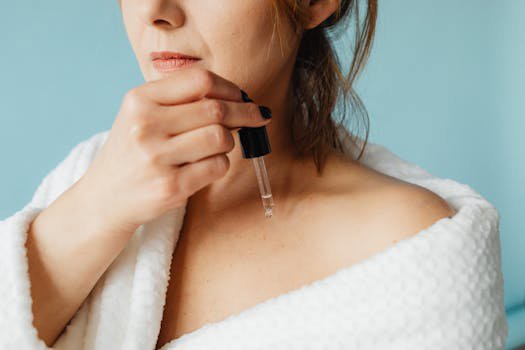
Neck and décolletage see perfume contact. If these zones flare, move your scent to hair or clothes. Your skin will complain less. Your blouse will still smell nice.
Can you keep your favourite scent without a flare?
Perfume sits high on the list of triggers for many women with eczema-prone skin. You don’t need to eliminate scent from life. You do need to keep it off reactive skin.
Spray fragrance on clothing or hair, not on the chest or inner arms. Skip perfumed body lotions on flare-prone areas. If you love a matching scent, reserve it for legs that stay calm. When you want to explore new scents, test on fabric first and see if your skin behaves. For scent exploration, browse our Eau de Parfum Perfumes hub and compare notes without touching your barrier.
You can also use unscented body care and let your perfume carry the mood. That swap protects your skin and still gives you a signature.
How to shop smarter on GlamGeek
You have hundreds of lotion and cream choices. Find a shortlist fast and buy when the price makes sense. GlamGeek tracks prices across major Canadian retailers so you don’t have to. We show the current best offer and recent price swings on each product page.
Start by filtering to fragrance-free picks in Body Lotions or Body Creams. Scan the ingredients for glycerin, ceramides, and petrolatum. Add the contenders to your wishlist. We’ll alert you when prices drop or shades/sizes restock.
Compare drugstore and prestige side by side. Our data shows consistent ingredient overlap between the two, especially in barrier-focused formulas. Pay for a texture you enjoy and a pump you’ll actually use. Don’t pay for perfume if your skin argues back.
What this means for your routine
Body lotion can be enough for eczema-prone skin during steady, calm weeks. Use it fast after bathing. Choose fragrance-free formulas with strong humectants. Seal friction zones with a small amount of ointment. That pairing stretches comfort and prevents small issues from snowballing.
During flares or deep winter, step up to a cream or ointment. Watch the signs: visible cracking, intense itch, sting on contact, or daily reapplication needs. Layer smarter, not heavier. Keep showers warm and brief. Choose gentle cleansers. Humidify your sleeping space. Wear breathable layers.
Plan your shopping like a routine. Stock one lotion, one cream, and one small ointment. Add a hand cream for your bag and a balm for lips. Buy when alerts say the price moved in your favour. That cadence suits a Canadian winter and spares your budget.
If you suspect infection, can’t sleep from itch, or feel stuck in a loop, see a medical professional. Prescription help exists. You can use it to quiet the storm, then return to maintenance with your lotion and cream plan.
Bottom line
Ask less of lotion during a flare and more of it during calm. Choose formulas that feed the barrier and avoid common triggers. Adjust texture with the season. Support the routine with gentle cleansing and a humidifier. Shop smart with alerts and comparison tools.
That mix leads to fewer surprises, less itch, and a bathroom shelf that pulls its weight.
What works best for your skin in January versus July? Tell us how you layer lotion, cream, and ointment, and which formulas feel worth the spend. Add your picks to your GlamGeek wishlist and we’ll help you catch the next price drop.