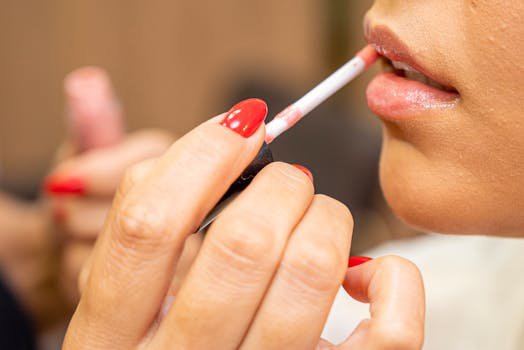
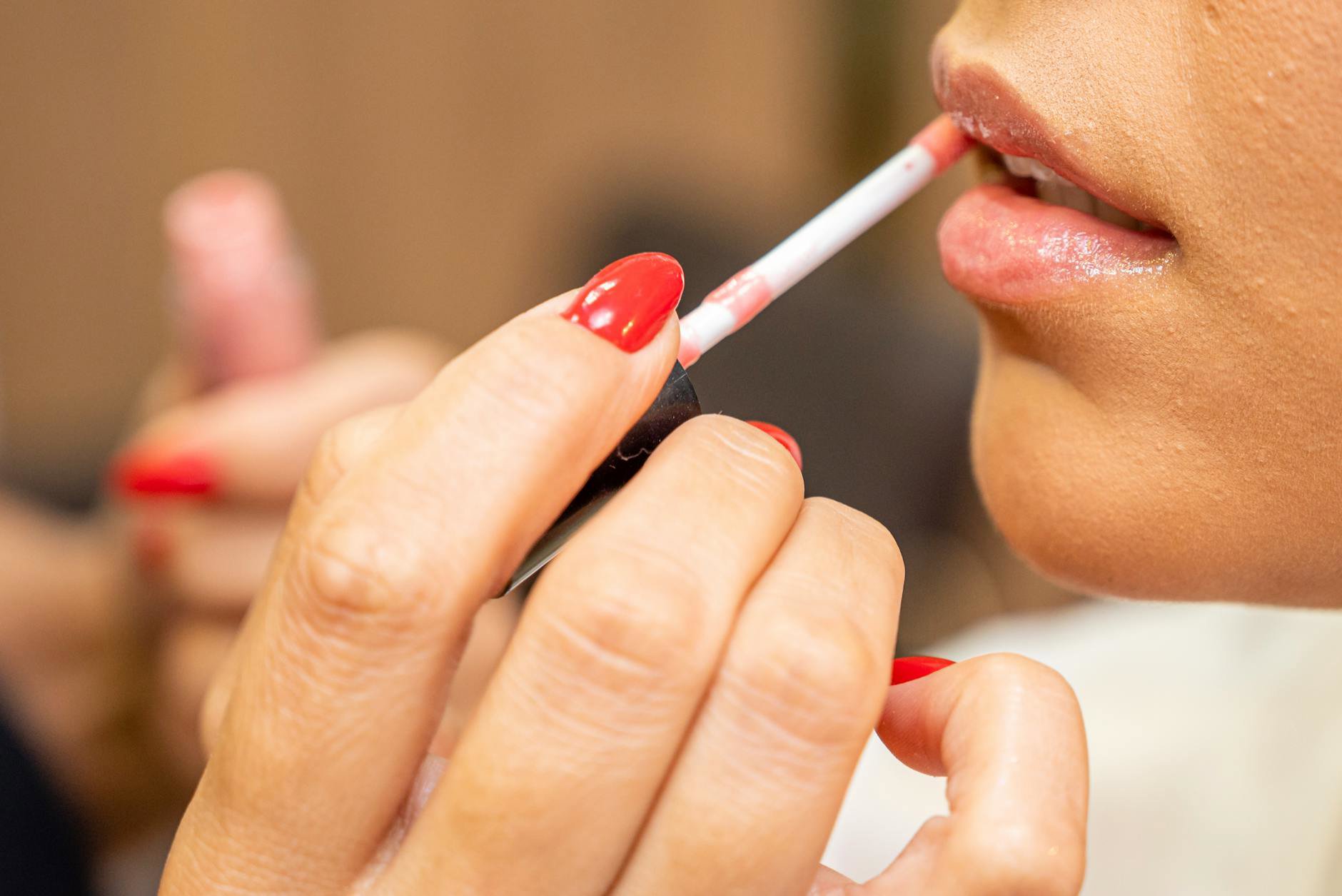
To choose a non-irritating lip plumping gloss, start by understanding what creates the “plump” effect. Most plumpers rely on mild irritation (tingle, warmth, redness) to make lips look fuller for a short time. If you have sensitive lips, that mechanism matters more than the shade.
The goal is not to chase the strongest tingle. It’s to find a formula that gives shine and a subtle, comfortable swell—without burning, flaking, or a red lip line that lasts longer than the gloss.
In Canada, that also means shopping smart. Our merchant feeds show gloss pricing swings a lot more than people expect across Sephora Canada, Shoppers Drug Mart, and department stores, so it pays to pick a short list and watch for dips before you commit.
The basics: what “plumping” actually means
Lip skin runs thin and has fewer oil glands than the rest of your face. That’s why it shows dehydration fast, especially in Canadian winters with indoor heating. Gloss looks “plumping” even without plumping ingredients because high shine reflects light and makes the lip surface look smoother.
True plumping glosses add another layer: they trigger temporary swelling or increased blood flow. Many formulas do this on purpose. You feel it as tingling, cooling, warming, or a peppery bite.
That sensation sits on a spectrum. A mild tingle can feel fine. A strong burn can tip into irritation, which can lead to peeling, dryness, or a recurring sensitivity reaction when you reapply day after day.
So when a brand promises “maximum volume,” read it as “stronger stimulation.” If your priority sits with comfort, you want a gloss that leans on shine, cushion, and conditioning—then uses plumping actives in a restrained way, or not at all.
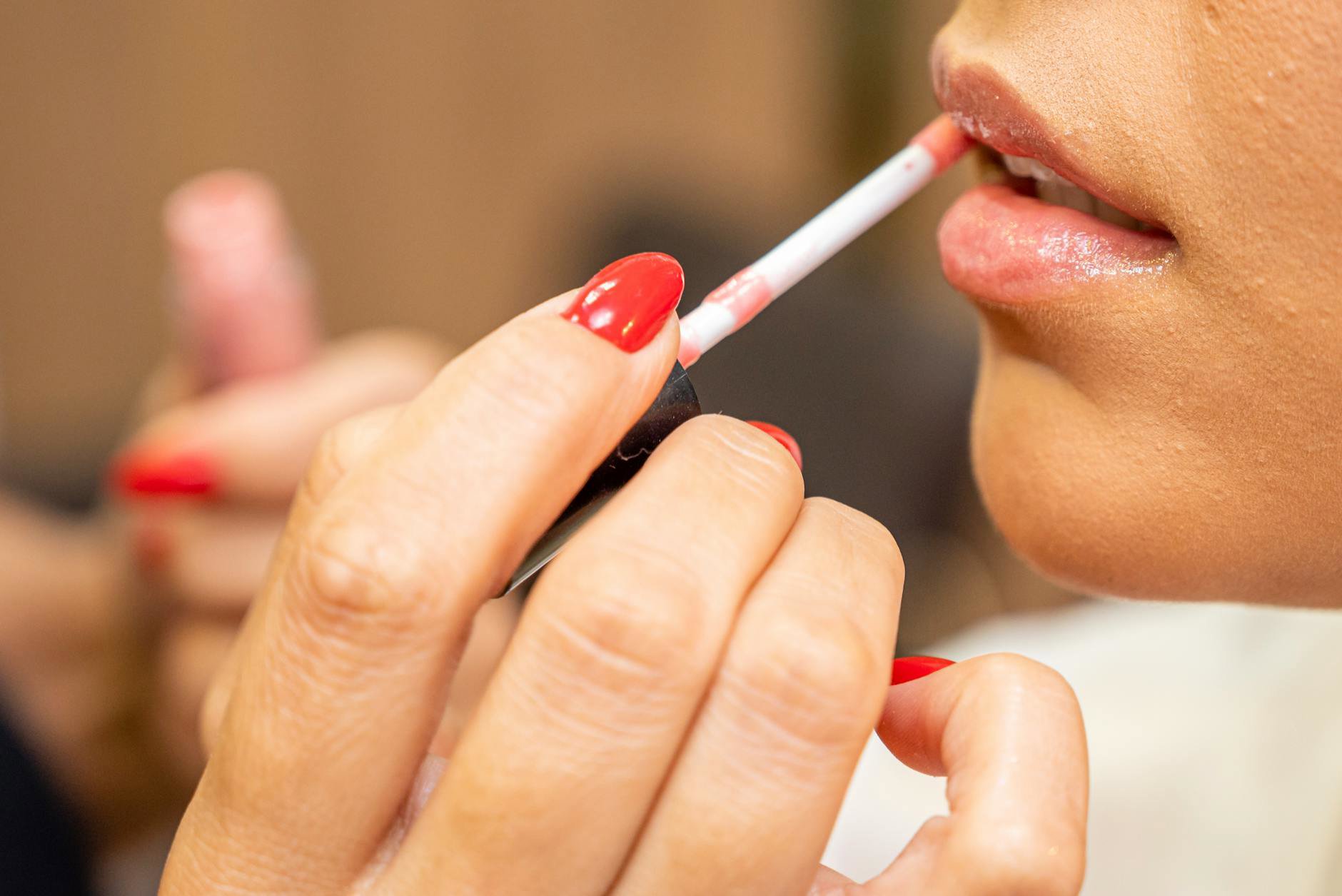
Why plumping glosses sting: ingredient families to watch
Most irritation comes from a few repeat ingredient types. You don’t need to memorise an INCI list, but you should recognise the usual suspects so you can avoid the patterns that trigger you.
1) “Hot” stimulants. Think capsicum (pepper), ginger, cinnamon, and similar warming agents. Brands use them because they create a visible flush. Sensitive lips often read that flush as inflammation.
2) Menthol-like coolants. Cooling can feel gentle, but ingredients like menthol and strong minty aromatics can still irritate, especially on cracked lips. Cooling also encourages reapplication, which can compound the issue.
3) Fragrance and flavour blends. Lip products sit where you eat and drink, so brands add flavour. For reactive lips, “flavour” often means a complex mix of aromatic compounds. That mix can trigger dryness or a rash-like reaction around the mouth.
4) High-shine film formers. Some long-wear shine ingredients feel tight or “grippy.” That tightness can tug on already-dry lips. It doesn’t always cause a sting, but it can kick off a dry cycle where you keep layering gloss to fix the feel.
One more thing: irritation often comes from context, not just ingredients. A plumper that feels okay on healthy lips can sting on lips that are wind-chapped, over-exfoliated, or already sensitised by actives from surrounding skin care.
What to look for in sensitive-friendly plumping gloss formulas
Sensitive-friendly doesn’t mean “zero sensation.” It means the formula builds comfort first, then adds the smallest dose of stimulation needed to create a visible effect.
When you scan product pages, look for language like “hydrating,” “cushiony,” “balmy,” or “comfortable wear.” Skip copy that centres “intense,” “extreme,” or “maximum” plump. Marketing tells on itself.
We also like shoppers to separate two goals:
- Optical plump (shine + smoothing): usually safer for sensitive lips.
- Stimulation plump (tingle + flush): higher irritation risk.
- Colour plump (sheer pigment that boosts contrast): often comfortable, but pay attention to added flavour.
- Texture plump (thicker gel that fills lines): can feel heavy if you dislike tack.
If you want “plumping” with minimal risk, prioritise glosses that deliver optical and texture plump first. Then treat stimulation as optional.
Where do you shop in Canada? Sephora Canada carries many of the classic plumping gloss names, while Shoppers Drug Mart often wins on value when you can find the right shade in-store. The Bay and Nordstrom Canada can be strong for luxury gloss—but selection and inventory vary.
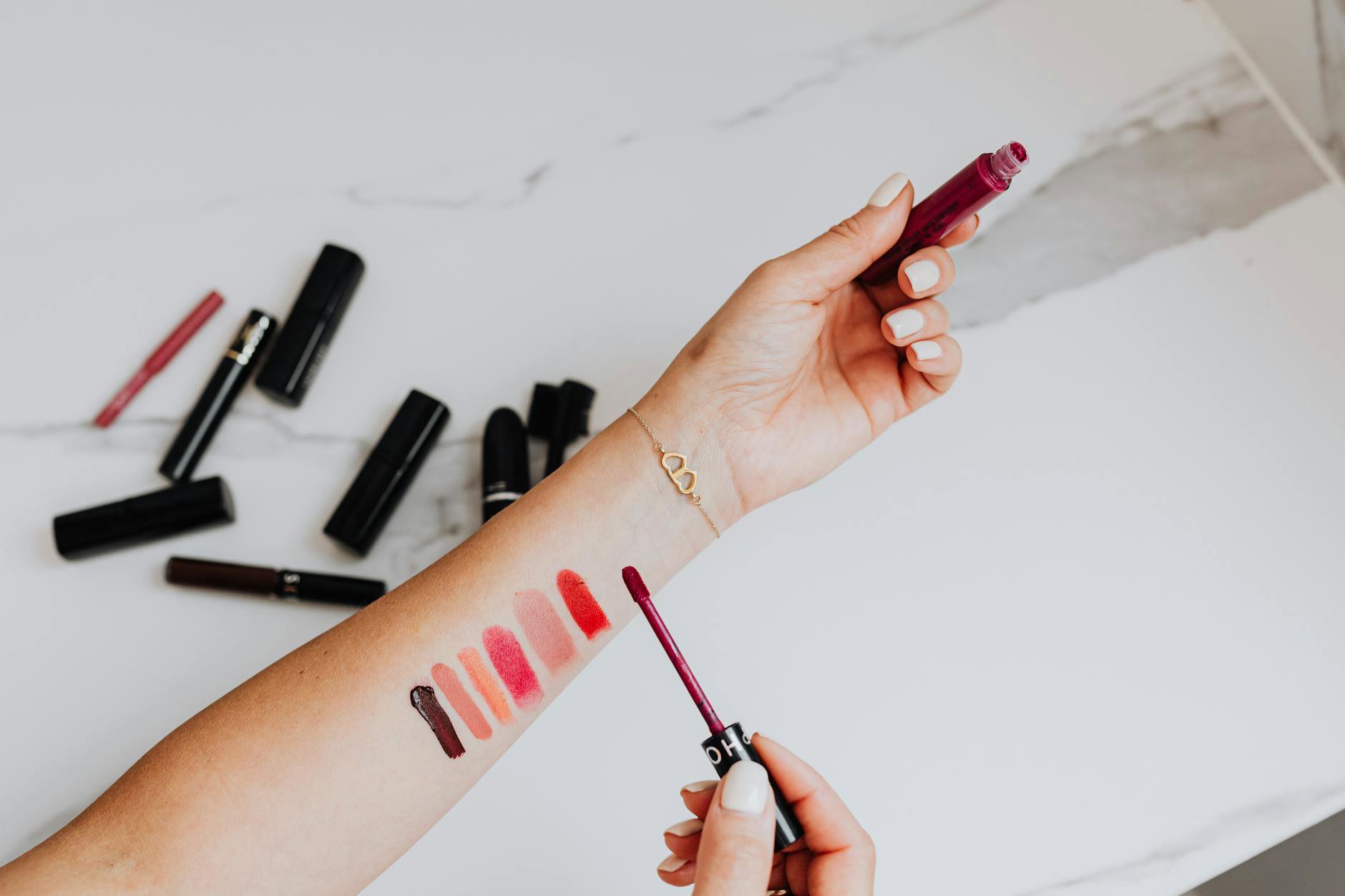
Non-irritating picks from our tracked gloss list (Canada pricing)
We can’t promise any plumping gloss will feel perfect on every sensitive lip. But we can point to safer buying patterns: start with comfortable, shine-forward formulas, then step up only if you tolerate it.
Below are lip gloss options we see Canadians cross-shop often. Prices come from our tracked list, so you can sanity-check value before you buy.
Comfort-first glosses (good “plump look” without chasing tingle)
- Clinique Pop Plush Creamy Lip Gloss — C$ 25.00. Clinique sits in many sensitive routines because the brand usually avoids heavy fragrance-forward positioning. If you want shine that reads fuller, this is a sensible first stop. Browse more from Clinique.
- Clarins Lip Comfort Oil Intense — C$ 35.00. This one often appeals to people who want cushion and shine with a more treatment-like feel. It’s not labelled as a plumper, but many shoppers use it as a “my lips look fuller” gloss alternative. More from Clarins.
- Shiseido Shimmer GelGloss — C$ 37.00. A shine-forward option when you want a smoother-looking lip surface and a polished finish. See Shiseido.
- Guerlain KissKiss Gloss — C$ 44.00. Luxury pricing, but if you react to strong plumpers, a plush, non-aggressive gloss often costs less in irritation over time. Explore Guerlain.
If you still want a “plumper” vibe (start low, go slow)
- Too Faced Lip Injection Extreme — C$ 37.00. This sits on the more intense end in the market’s reputation. We’d treat it as a patch-test-only candidate for sensitive lips, not an everyday gloss out of the gate.
- Buxom Full-On Plumping Lip Cream — C$ 31.00. Many shoppers buy Buxom specifically for that tingle. If you tolerate cooling or minty sensations, this can deliver the “plumper” feel without needing multiple layers.
Value note: When a gloss costs C$ 30–45, irritation gets expensive fast. If you end up discarding a too-hot plumper after two wears, the “strongest” formula becomes the worst value.
How to patch-test a plumping gloss (without ruining your lips)
Patch-testing lip products sounds fussy. It saves people money and discomfort, especially with plumpers.
Use this method when you try a new plumping gloss, even if you rarely react.
- Day 1, test the edge: Apply a tiny dot just inside one corner of your lower lip. Not the whole mouth.
- Wait 10 minutes: A mild tingle that fades can be normal. Sharp burning, throbbing, or swelling that feels uneven counts as a “no.”
- Check at 1 hour: Look for a red outline beyond the lip line or patchy irritation at the corners.
- Day 2, half-lip test: Apply a thin layer to half your lips. If it stays comfortable for two hours, you can try a full application.
Don’t patch-test on freshly exfoliated lips. Don’t test after spicy food. Don’t test when you already have cracks. Those situations can create false positives and make a tolerable gloss feel brutal.
If you react, remove the product gently and stop. Re-testing the next day often worsens the irritation cycle.

Application technique: get the plump look with less irritation
How you apply matters as much as what you buy. People often over-apply plumpers because they want a bigger effect, and that’s when irritation spikes.
Try this step-by-step approach instead.
Step 1: Start with a thin layer. One pass across the centre of the lower lip, then press lips together. Stop there for two minutes. Many plumpers “develop,” and piling on too early just increases exposure.
Step 2: Keep it inside the lip line. Overlining with plumping gloss sounds tempting. It can trigger redness on the skin around the mouth, which looks like irritation, not volume.
Step 3: Use placement for illusion. Add a second tiny dab only to the centre of the upper and lower lip. That creates a highlight that reads as fullness in photos and real life.
Step 4: Don’t chase the tingle. If you feel nothing, don’t assume it “isn’t working.” Many comfortable glosses create a fuller look through shine alone.
If you want to pair gloss with other makeup, keep the rest of the routine neutral around the mouth. Strong actives from Anti Ageing Face Serums can migrate and sensitise the lip edge, which makes any plumper feel harsher.
Choosing between price tiers in Canada (and avoiding regret buys)
Plumping gloss sits in a weird price band. Drugstore options can cost less, but they sometimes lean harder on flavour and sensation to “prove” they work. Prestige options can feel more comfortable, but the Canadian premium adds up quickly.
We see a few consistent shopping patterns in our price tracking.
- Mid-range plumpers hold price more than basic gloss. If you see your shade on sale, it often pays to stock up.
- Luxury gloss rarely equals safer. It can feel nicer, but you still need to patch-test.
- Value lives in re-wearability. A C$ 25 gloss you can wear daily beats a C$ 37 plumper you avoid.
- Canadian availability matters. If a US-only launch goes viral, Canadians sometimes overpay through resellers. We’d rather see you pick a readily available option at Sephora Canada or Shoppers Drug Mart.
If you want a cautious path, start with a comfort-first gloss like Clinique Pop Plush Creamy Lip Gloss (C$ 25.00). If you tolerate it and still want more “action,” then consider a known plumper like Buxom Full-On Plumping Lip Cream (C$ 31.00)—with the patch test.
And if you know you react to strong sensation, skip the extreme end entirely. Shine can do most of the visual work.
Practical tips for sensitive lips (today, not someday)
Keep a “lip reset” rule. If your lips feel sore, tight, or flaky, pause plumping gloss for 48–72 hours and stick to simple comfort gloss wear only. Irritation stacks, especially in January when indoor heat dries everything out.
Also: watch your habits. Hot drinks, salty snacks, and frequent wiping can make any plumper feel more intense. Apply after you eat, not before. Reapply less often than you think you need.
If you want more beauty shopping context, you can browse related categories like Lipsticks or Lip Balms & Creams, but keep your “plump” shopping list firmly in gloss. Mixing categories often leads to impulse buys that don’t solve the irritation issue.
Quick checklist: picking a non-irritating plumping gloss
Use this as a final filter before checkout.
- Pick comfort-first if you react easily: Clinique Pop Plush Creamy Lip Gloss (C$ 25.00) sits at a reasonable entry price.
- Patch-test any true plumper, especially Too Faced Lip Injection Extreme (C$ 37.00).
- Avoid applying outside the lip line to reduce redness around the mouth.
- Don’t test on compromised lips (cracks, recent exfoliation, windburn).
- Prioritise re-wearability over intensity. Your best gloss is the one you can use often.
- Watch Canadian pricing across retailers; gloss discounts can be meaningful.
Still deciding between a comfort gloss and a true plumper? Tell us what sensations you usually react to (minty cooling, warming spice, or fragrance), and which retailers you shop most in Canada.