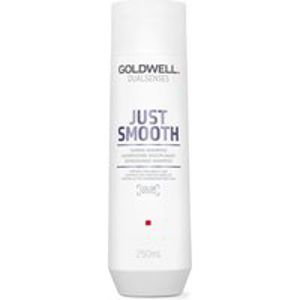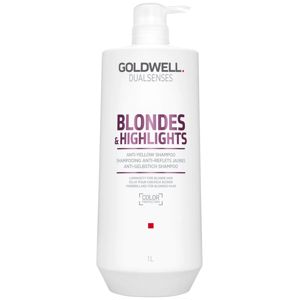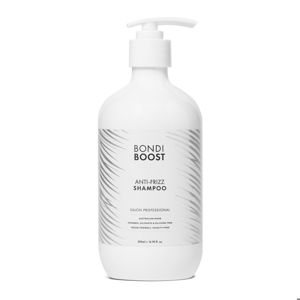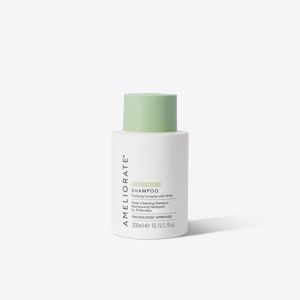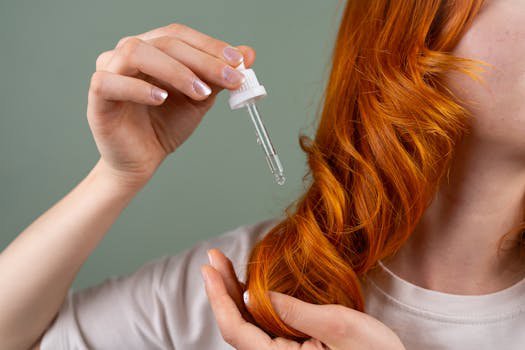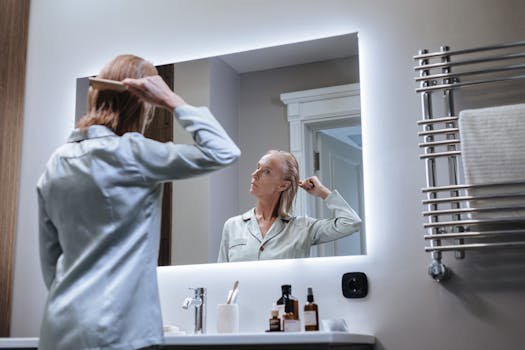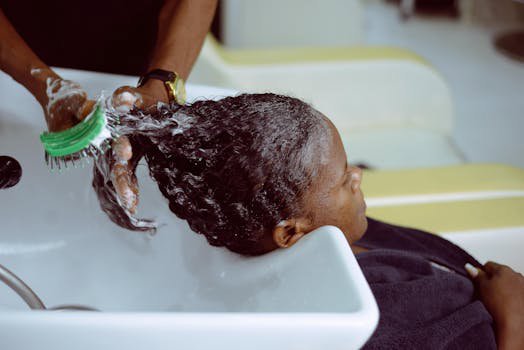
Our reviews feed flags the same complaint every winter: “soft but heavy hair.” That line tracks with our price data. Hydrating and smoothing shampoos surge every cold season, then clarifiers rise by spring. The pattern tells a simple story. Moisturising shampoo can cause buildup, and many women spot it only after shine dips and roots fall flat.
You can keep the comfort of a cushy lather and still dodge residue. You just need the right routine, a few label clues, and better rinsing habits. We pulled the science, the signs, and the fixes into one practical guide.
Context: why this question keeps coming up
We’ve tracked pricing and availability on shampoos since 2010. That’s 14-plus UK winters of dry indoor heat and frizzy fringes. We see higher searches for richer formulas from October through March. We also see more clarifying buys after Christmas and before summer holidays. Women chase comfort first, then hunt for reset options.
Moisturising shampoos promise slip and smooth cuticles. Brands build that feel with silicones, cationic polymers, plant oils, and butters. These formulas can clean well, but they rarely strip. That design choice makes sense for colour care and curls. It can also leave a fine film if you wash fast or live with hard water.
The chemistry matters. Most shampoos sit at pH 4.5 to 6.5. That range helps close the cuticle. Closed cuticles reflect light but also hold onto some film-formers. Add mineral deposits from hard water, plus your leave-in products, and you get layers. Those layers mute shine, block volume, and slow drying time.
UK water complicates things. Many regions measure “hard” to “very hard.” Limescale on a kettle points to calcium and magnesium in your shower. Those minerals can bind to hair and attract more residue. The problem builds week by week, not overnight.
{{IMAGE:woman washing hair}}What counts as buildup? Spot the signs early
Not every bad hair day means residue. Look for a cluster of signals. Early detection saves you from a harsh reset.
First, test root lift and movement. If your fringe refuses to lift after blow-drying, film could weigh it down. Fine hair shows this first. Curls may look looser and less springy. Waves may clump but not in a good way.
Feel matters next. Rinse your hair, squeeze it, and notice the slip. Healthy hair feels smooth. Buildup adds a weird drag, almost squeaky in hard water or too silky and coated in soft areas. Both feel wrong to the hand.
Shine provides another clue. Buildup mutes highlight sparkle. The surface loses clarity. You may also see faster oil at the scalp but dry ends. That contrast often points to residue near the roots and blocked moisture flow along the lengths.
Timing tells a story too. If hair takes longer to dry than it did last month, layers could trap water. Watch your hairbrush as well. More daily shed can signal stress, but sticky residue can also cling hair together and tug. Clean the brush weekly to avoid recycling product back onto clean hair.
Why moisturising shampoos can leave residue: the chemistry
Moisturising shampoos aim for comfort. They reduce friction while you cleanse. Brands get that feel with specific ingredients. These sit on the hair on purpose. You just want the right dose.
Silicones create glide and shine. You’ll spot dimethicone, amodimethicone, and trimethicone on labels. Some rinse well. Others bind more tightly. Amodimethicone uses a positive charge to grab the hair surface where it reads damage. That targeting helps repair feel. It can also stack over time if you never rotate your wash.
Cationic polymers deliver slip and static control. Look for polyquaternium numbers and quaternium compounds. These deposit by design, then leave a thin film. That film helps comb-out and curl definition. Heavy use or short rinses can leave too much behind.
Oils and butters join the party. Coconut, argan, shea, and cocoa help soften brittle lengths. They work best on dry ends. They can overcoat fine hair near the scalp. Many moisturising shampoos suspend light oils with mild surfactants. Gentle washes clean less aggressively. Residue lingers when you rush the rinse.
Surfactants set the cleansing strength. Sulphate-free blends, like sodium cocoyl isethionate, cleanse with less squeak. Sulphate-based formulas, like sodium laureth sulfate, lift more gunk. Many “nourishing” shampoos choose milder blends to keep colour safe and curls happy. That choice supports comfort yet can allow film to hang on without a periodic reset.
Hard water and UK factors that stack the deck
Water hardness shapes your wash outcome. Calcium and magnesium ions can bond to the hair surface. These minerals react with soaps and some surfactants. They form dull films that refuse to rinse. You see this as limescale on glass and a flat cast on hair.
London, much of the South East, and pockets across the Midlands report hard to very hard water. A shower filter can help. Chelating shampoos can help too. Look for tetrasodium EDTA, disodium EDTA, or phytic acid on the label. These chelators grab metals and lift them away.
Seasonal habits also matter. The UK runs central heating for months. Many women stretch wash days to protect ends from indoor dryness. Fewer washes can allow more residue to accumulate. Summer brings sweat and SPF at the hairline. That mix can stick to the scalp. You need a slight routine tweak for each season.
Styling products add on. Hairsprays, dry shampoos, and heat protectants use fixatives and polymers. Those cling to hair. A gentle cleanse can miss them, especially near the crown where spray lands first. Moisturising shampoos then attempt to slip over the top. That keeps hair soft to the touch, yet build-up remains under the surface.
Hair type and texture: who notices buildup fastest
Fine or low-density hair shows film first. The fibre has less mass, so a small deposit makes a big dent in root lift. Women with shoulder-length fine hair often report flat crowns and kinked ends. Those signs point to polymer or silicone stacking. A light clarifier every 7–10 days often fixes it.
Wavy and curly hair tells a different story. Residue can stretch curl patterns and dull definition. Curls love slip but hate heavy layers near the scalp. Coily textures need moisture retention most of all. That group often benefits from richer washes and proper rinsing. A monthly chelating step helps if you live with very hard water.
Colour-treated hair benefits from gentle surfactants and conditioning films. Those features protect dye molecules and shine. The downside comes with overuse of heavy masks and leave-ins on wash day. Layers stack fast when you pile rich on rich. Balance the week with one lighter wash and simple conditioner when hair looks less parched.
Scalp behaviour varies too. Oily scalps attract and hold more dust and pollution. Dry scalps shed flakes that catch in styling polymers. Both need proper cleansing. You can adjust frequency rather than choosing only harsher formulas. Technique beats brute force.
Routine fixes: washing technique that works
Technique makes or breaks a moisturising routine. You can keep the comfort and dodge the film with a few small changes.
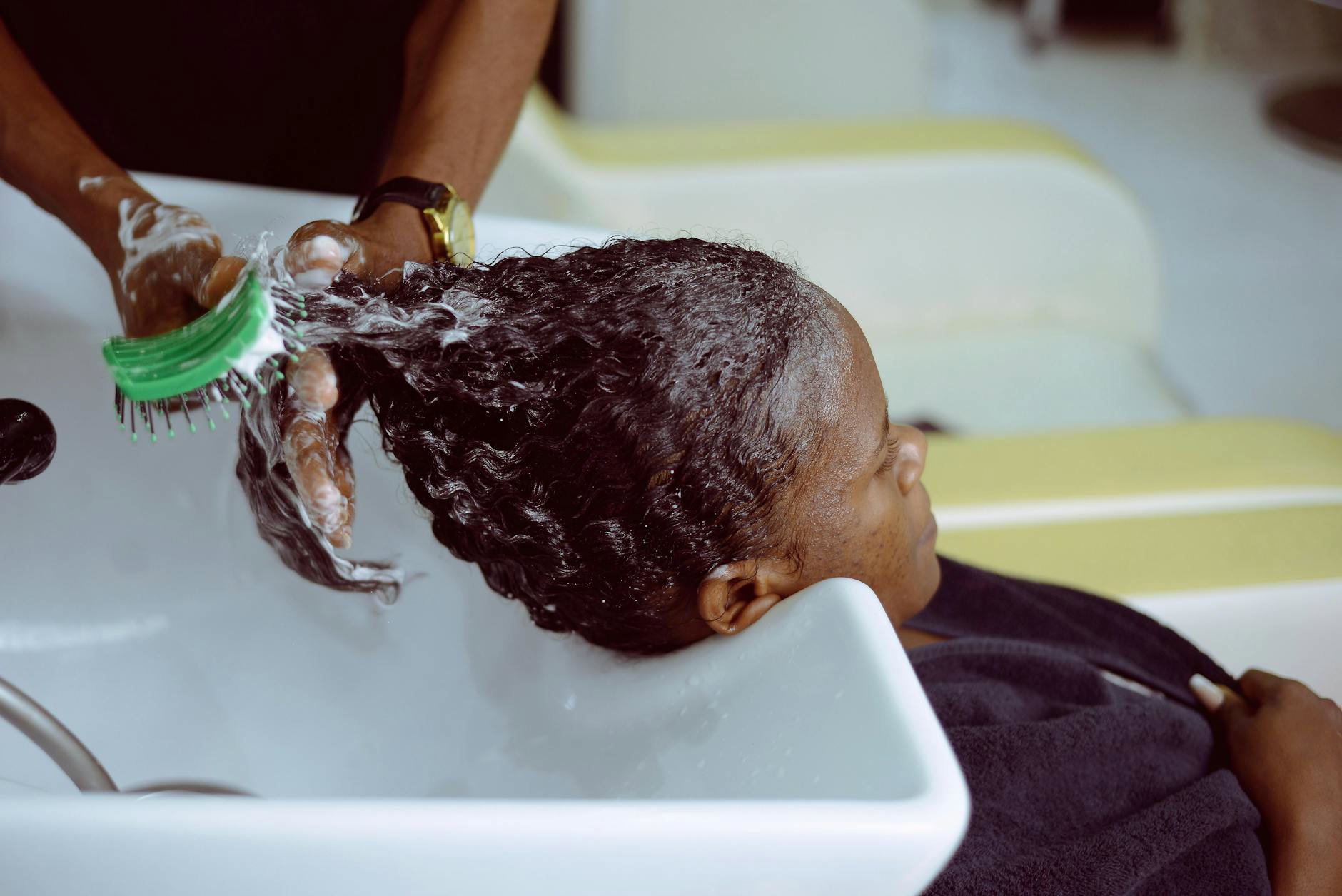
Start with a full saturate. Soak hair for 60 seconds before shampoo. Water begins the cleanse. Many women skip this step and fight with thick lather. Add a splash of shampoo to your palm. Emulsify with water until you see a milky texture. Then apply to the scalp first.
Massage the scalp with your fingertips for 60–90 seconds. Work in sections. Focus around the hairline, crown, and nape. Those zones collect the most residue. Pull the suds through lengths for the last 10–15 seconds. Let the foam do the work. You don’t need a rough scrub on fragile ends.
Rinse longer than you think. Aim for a full minute. The extra rinse time removes lingering film-formers and minerals. On thick or curly hair, lift sections as you rinse. Water needs a path through dense areas.
Double cleanse on heavy styling days. Use a pea-sized first cleanse to lift product. Rinse. Follow with a standard second cleanse for comfort and slip. Finish with a light conditioner on mid-lengths and ends. Choose a lighter formula on weeks when you plan a hair mask. You can compare rich and light options under Moisturising & Nourishing Conditioners and log favourites to avoid overloading.
Ingredients that clear residue without wrecking colour
You don’t need a harsh strip to break the cycle. Smart ingredients can reset hair while guarding dye and curl pattern.
Chelators target hard water minerals. EDTA and phytic acid lift calcium and magnesium. You’ll spot them in many clarifying shampoos and some daily formulas. Use them weekly in hard water areas. Our product pages for Moisturising & Nourishing Shampoos often list chelators in the INCI. You can filter and wishlist options to time a buy when one drops in price.
Mild acids refine the hair surface. Citric acid and malic acid can nudge pH and improve shine. You find them in colour-safe formulas. They help close the cuticle after a cleanse. They also reduce tangling without heavy film.
Surfactant choice matters. Look for a blend that includes betaines or sulfosuccinates for gentle lift. For an occasional reset, consider a formula with sodium laureth sulfate rather than sodium lauryl sulfate. Laureth tends to cleanse with less squeak and less irritation than lauryl. Many salon brands strike a good balance here.
Scalp-focused actives can help. Salicylic acid breaks down oil plugs and loosens flakes. That reduces the need for heavy scrubbing. You can use a scalp exfoliator once a week, then return to your moisturising shampoo. Keep the acids off very fresh colour for a few days.
Product rotation and a smarter shopping plan
Rotation stops buildup before it starts. Keep three anchors on your shelf: a comfort cleanse, a light clarifier, and a treatment mask. Swap based on what your hair lived through that week.
Comfort cleanse: pick a moisturising shampoo that suits your hair type. Fine hair likes light silicones and fewer butters. Coarser or coily hair enjoys richer blends. Compare ingredient lists across brands like Kérastase, Garnier, and L'Oréal on GlamGeek. Our tracker shows wide promo swings across Boots, Superdrug, and Lookfantastic. Add your top pick to your wishlist to catch a price dip.
Light clarifier: choose a chelating formula for hard water. Use it every 1–2 weeks. Many colour-safe clarifiers now include conditioning polymers, so you won’t feel stripped. Check Space NK and Cult Beauty for salon-led options and compare them with high-street picks. We list both, so you can see who runs the better offer on any given week.
Treatment mask: slot this in when ends feel rough. Rich masks can tip you into buildup if you pair them with heavy shampoos and leave-ins on the same day. Alternate. Use a mask one week and a lighter conditioner the next. Browse Hair Masks and save two formulas at different richness levels. Our price alerts will ping you when one drops.
We rate simple leave-in routines on clarifier weeks. Pick a single cream or lightweight oil, not two. Over-layering leave-ins often drives the very problem you want to solve.
{{IMAGE:shampoo lather closeup}}Decoding labels: signs a moisturising shampoo may coat too much
Labels offer clues, even if brands keep the marketing cosy. Scan the first ten ingredients. You’ll often find the surfactants, a conditioning polymer, and any chelator there. A heavy film risk often shows as multiple polyquaterniums plus a rich oil in that top zone.
Spot the silicone family. Amodimethicone can work brilliantly when paired with a simple routine. Dimethicone lends gloss but can stack with other polymers. Neither counts as an instant no. Just plan a clarifier and keep your rinse thorough. If you see several silicones in a row, expect higher slip and a stronger plan for removal.
Note the botanicals. Shea butter and coconut oil feel lush in a cleansing base. Fine hair near the scalp may not need both. Curly and coily hair may love that combo along the lengths. Adjust by application. Work richer shampoos on mids and ends only after your scalp cleanse.
Look for chelators. EDTA and phytic acid give a helpful hint. These ingredients often appear mid-list. Their presence signals better hard water performance. We see more chelators in salon products, but high-street lines have caught up. Check brand pages for The Body Shop and Garnier for budget-friendly formulas and compare them with premium picks from Kérastase.
UK routine tweaks: hard water, heating, and heatwaves
Hard water regions benefit from targeted habits. Rinse with cooler water to reduce mineral binding. Finish with a final long rinse. Install a shower filter if limescale coats your taps. That small change can cut residue and calm itch.
Central heating dries hair from October to March. Choose a richer shampoo or lean on a mask every other week. Keep stylers light on those weeks. Heavy leave-ins plus a rich wash can muffle volume for days. Space your richest steps across the month.
Summer heatwaves bring sweat, SPF drift, and city grime. Double cleanse the scalp after beach days. Pick a light clarifier once a week in July and August. If you swim in chlorinated pools, look for chelators and rinse hair before you dive. Pre-wet hair reduces chlorine uptake.
Commuters face pollution. Tiny particles stick to oil and product film. A once-weekly scalp exfoliator with salicylic acid can help. Pair it with your moisturising shampoo afterwards. That sequence resets the scalp while you keep comfort in the lengths.
When to clarify and when to change shampoo
Use a clarifier when signs stack up: flat roots, dull shine, longer dry time, or curls that refuse to spring. If a single clarifier fixes the issue for a week, your core shampoo likely suits you. Keep your rotation and rinse longer.
If buildup returns in two or three days, switch to a lighter moisturising formula. Aim for fewer heavy film-formers in the first ten ingredients. Pick one silicone rather than three. Look for a chelator. Consider a blend with betaine surfactants for a cleaner rinse.
If itch or flakes worsen, treat the scalp first. Try a salicylic acid wash once a week. Then run your moisturising shampoo for comfort. If issues persist, stop new products and seek advice from a professional. Scalp health comes first.
Replace your shampoo if scent or colour changes, or if it thickens. Old product can coat weirdly. Check the period-after-opening symbol. Many shampoos mark 12M or 24M. Store them away from steamy radiators and sunny windowsills.
Brand families that suit a balanced routine
Many brands now design systems that balance moisture with regular resets. You don’t need to stick to one brand, but matching surfactant style can help.
Salon-led ranges from Kérastase often pair gentle daily shampoos with targeted clarifiers. You can buy the comfort step at Boots or salons and pick up the reset step at Space NK or Lookfantastic. Our tracker often spots bundle pricing around gifting months. Add both to your GlamGeek wishlist and wait for a markdown.
High-street staples from Garnier and L'Oréal cover most hair types. Look for chelators in their “clean” or “purifying” lines. Then pick a moisturising partner with light silicones. We see frequent promotions at Superdrug and Tesco for these ranges. Check our comparison before you check out.
Ethical shoppers can browse The Body Shop. The brand lists actives clearly and runs frequent offers. Pair a gentle hydrating shampoo with a periodic scalp scrub or a light reset wash. Our alerts can flag the best week to buy, so you can upgrade without stretching the budget.
What this means: a simple action plan
Moisturising shampoos earn a spot in most routines. They protect colour, comfort the scalp, and tame frizz in damp British weather. They can also leave a thin film. You can work with that trade-off and keep hair bouncy.
Adopt a rotation. Use a moisturising cleanse most days, a chelating reset every 1–2 weeks, and a rich mask every other week. Adjust to hair type. Fine hair can push resets slightly more often and masks less often. Coily hair can reverse that emphasis and keep moisture high.
Rinse longer. Emulsify first. Clean the scalp with intention, then sweep the foam through the lengths at the end. These small technique tweaks prevent most buildup on their own.
Shop with a plan. Build a shortlist inside GlamGeek: one comfort shampoo from our Moisturising & Nourishing Shampoos, one clarifier with EDTA or phytic acid, and one mask from Hair Masks. Add them to your wishlist. Our tracker monitors Boots, Superdrug, Space NK, Cult Beauty, and Lookfantastic, so you can buy on a dip.
Stay flexible. Heatwaves, gym weeks, and party seasons change hair behaviour. Bump up clarifying when you spray more. Pull back when hair feels light and glossy. Keep notes on what works and log favourites on your GlamGeek profile. A smart routine saves time and money.
So, can moisturising shampoo cause buildup? Yes. The fix doesn’t need drama. Technique, rotation, and a watchful eye solve most of it.
Which signs show up first for you—flat fringe, dull ends, or curls that won’t spring? Tell us, and share the moisturising shampoo you rate this season. Add your picks to a GlamGeek wishlist, and we’ll ping you when a better price lands.