Our price tracker has logged a quiet shift on British shelves. Rinse-out conditioners still dominate baskets at Boots and Superdrug, but leave-ins take more rail space than they did a few years ago. Spray mists, milky creams and bond-serum hybrids now jostle for your attention, each promising softness, shine and fewer tangles.
Choice breeds questions. Do you swap your rinse-out for a leave-in? Layer both? Skip one if hair feels weighed down? The short answer: format matters less than fit. The right texture, the right dose and the right moment in your routine do the heavy lifting. Use that, and you get smoother hair with less faff and fewer regrets.
We’ve tracked wider price gaps on conditioners than many women expect. High-street picks and salon favourites can sit pounds apart at Lookfantastic, Beauty Bay and Space NK. The smart move: pick a format that matches your hair’s needs, then check our comparison before you buy. A format mismatch always costs more than the bottle price.
Conditioner context: formats, climate and why timing matters
Rinse-out conditioner sits at the heart of UK hair routines. Most bottles land between 200 and 300 ml, live in your shower and get two to five minutes of contact before you wash them away. Leave-ins usually run smaller, often in the 100 to 200 ml band, and stay in the hair to manage frizz, protect from heat and boost slip through the day.
Climate drives needs. Britain’s damp winters and months of indoor heating (roughly October to March) pull water from the hair shaft and roughen the cuticle. Hair gets static, ends split faster and blow-drying takes longer. Then you get humid summer spells that swell the cuticle and break any fragile smoothness you built. Each swing gives you another reason to adjust conditioning format and dose.
Retailers widened the options during recent years. You now see classic creams next to mists, bond-leaning leave-ins, and protein-rich milk textures. That’s helpful, but it puts more pressure on picking well. Our feed often shows value lines next to prestige ranges from brands like Kérastase and accessible favourites from Garnier and L'Oréal. Price can vary across Boots, Superdrug, Lookfantastic and Cult Beauty, so add options to your GlamGeek wishlist and get a nudge when a discount lands.
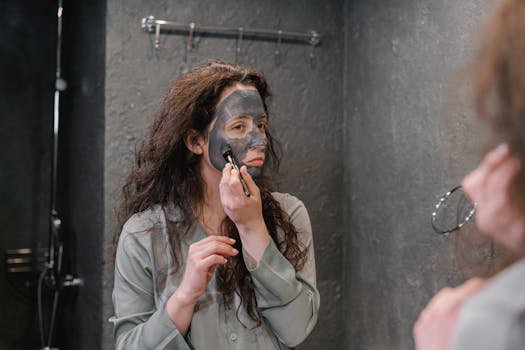
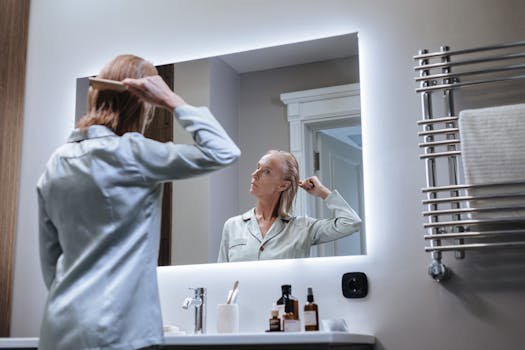
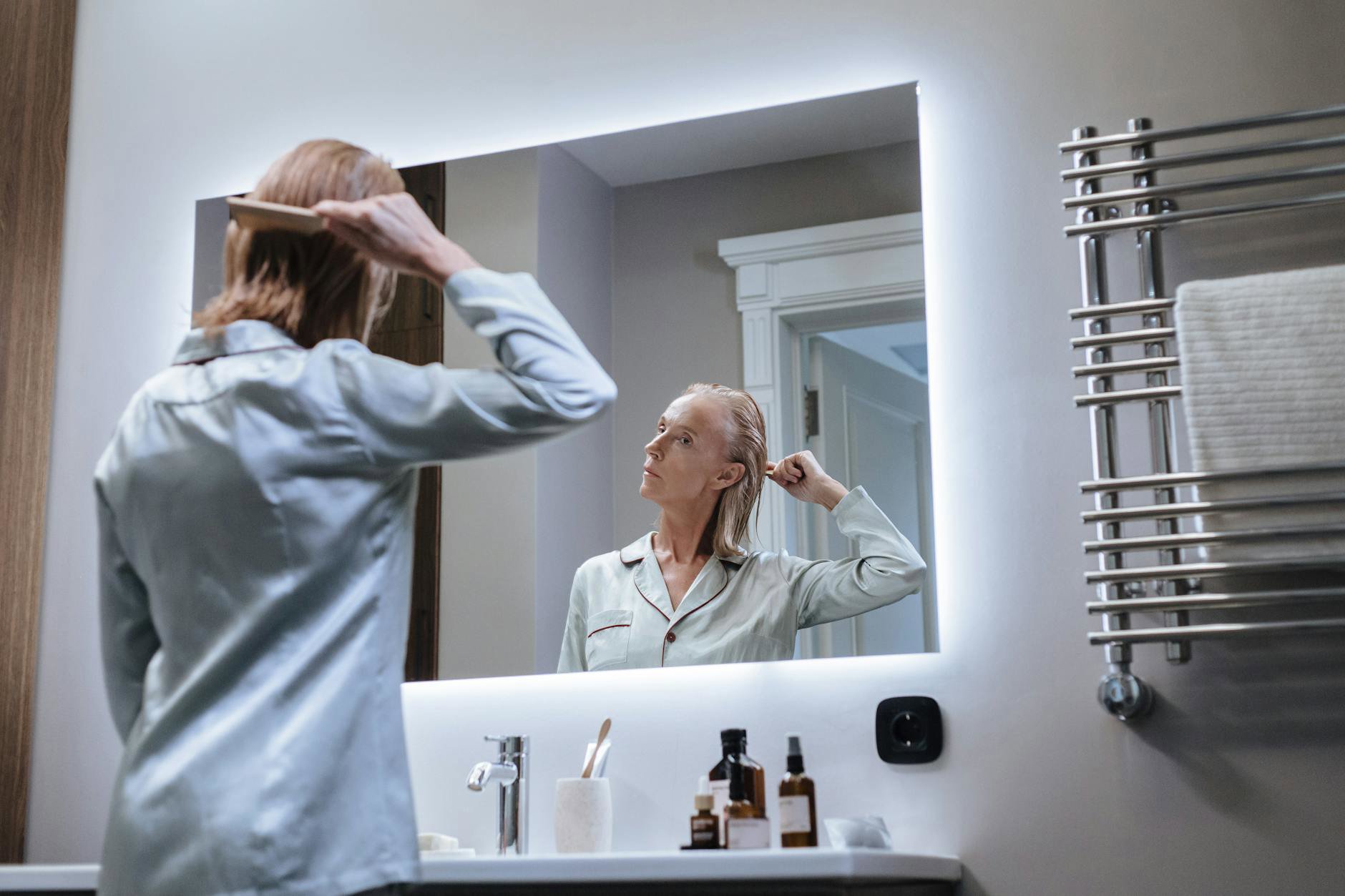
{{IMAGE:woman detangling wet hair in bathroom}}How rinse‑out conditioners work and when to choose one
Rinse-out conditioners fix the basics: slip, softness and detangling. They use cationic actives (think behentrimonium chloride and cetrimonium chloride) that cling to the negatively charged hair surface. Add fatty alcohols like cetyl or stearyl alcohol, and you get that creamy feel and instant glide. Many formulas add lightweight silicones to help the cuticle lie flatter and reflect light.
Use a rinse-out when your hair snags in the shower or when you want a predictable baseline before styling. This format balances the surface, calms static and makes comb-through faster. It suits straight and wavy hair that needs quick smoothness without long leave times. It also pairs well with weekly masks if you crave more nourishment without daily heaviness.
Technique sets the result. Squeeze water from your lengths after shampooing. Work a coin-size amount through mids to ends. Add a little more only if your hands stop gliding. Detangle with fingers or a wide-tooth comb. Leave for the label time, then rinse until the slip softens but does not vanish. If you rinse until hair squeaks, you throw away most of the benefit.
Fine or easily weighed-down hair needs lighter rinse-outs with fewer heavy oils. Curly or coarse hair often responds better to richer creams with extra conditioning quats. If you treat hair with colour or heat, a rinse-out keeps daily friction low, which protects your cuticle between salon visits.
Browse our Moisturising & Nourishing Conditioners to filter by texture and benefit, then check our retailer comparison for the best current offer.
What leave‑ins deliver and how to use them
Leave-ins pick up where the rinse ends. They manage frizz, add slip to dry hair and bring heat defence into the routine. You get lighter water-based mists, milky sprays, creams and balms. Mists suit fine or easily weighed-down hair. Milks and creams suit wavy, curly and dry ends. Balms cue targeted frizz control on stubborn patches.
Ingredients do the work. Humectants like glycerin and panthenol bring hydration. Film-formers and silicones (including amodimethicone) smooth and strengthen the outer layer. Cationic polymers help with static. Many leave-ins include heat protectants that form a barrier up to straightening and curling temperatures. The mix you pick should match your tool use and how your hair reacts to humidity.
Use damp hair for best spread. Blot with a towel or T-shirt first to remove excess water. Mist or smooth on a pea to coin-size amount from ear level down. Comb to distribute. Add a touch more only to the last few centimetres if ends still feel rough. If hair drinks it in fast, you can add a second small pass once dry.
Leave-ins shine on non-wash days too. A light mist revives crushed waves and tames static under scarves or hoods. Many women like a leave-in before the gym to reduce sweat friction on ponytail lengths. If you run heavy-handed, hair will clump or lose lift. Start small. You can always add more.
Value sits across price points. You can find solid leave-ins from Garnier and L'Oréal at high-street prices, and richer targets from salon-led ranges like Kérastase at department store counters and online specialists. Add favourites to your GlamGeek wishlist to catch drops at Boots, Lookfantastic or Beauty Bay.
Match the format to hair type and goals
Fine, easily limp hair: keep slip, avoid weight. Use a light rinse-out with minimal oils, then a mist leave-in. Apply rinse-out sparingly and rinse well. Focus any leave-in on the last 5–8 cm. Skip creams unless your ends split often. If you still lose lift, use leave-in only on wash day and skip it on day two.
Thick or coarse hair: use more emollient. A creamy rinse-out gives you daily softness. Follow with a milk or cream leave-in to lock in smoothness. If you heat style, choose a leave-in with clear heat defence on the label. Section your hair and work product through evenly to avoid patchy frizz.
Wavy and curly hair: you need slip for detangling and a moisture layer that lasts. Use a richer rinse-out or a quick mask on wash day. Add a cream leave-in before you scrunch, twist or diffuse. If you like a cast, layer a gel on top. Refresh with a light leave-in mist and water mix on day two or three.
Coily and very dry hair: layer for softness that sticks. Use a nourishing rinse-out, then a cream leave-in. Seal with a little oil on the very ends if your hair tolerates oils well. Work in sections from the nape up so you hit every coil. This routine keeps friction low under protective styles too.
Colour-treated or damaged hair: protect the cuticle first. Choose a rinse-out that calms roughness and adds protein support if your hair feels stretchy when wet. Follow with a leave-in that gives heat defence and surface smoothing. Salon-led ranges such as Kérastase often target these needs well, but you can also build results with high-street picks and consistent technique.
Layer both without buildup
Layering makes sense. The rinse-out solves slip in the shower. The leave-in adds staying power. You only run into trouble when you overdo quantity or stack heavy textures daily. Target a light, rinse-out base and a modest leave-in dose. Your hair should feel smooth yet light, not coated.
Work with water. After shampooing, squeeze excess water from your lengths so conditioner can grip. Rinse until the surface feels silky but not greasy. Towel blot before leave-in. This sequence keeps each layer efficient, so you can use less product.
Watch the ends. Most women over-apply near the nape and under-apply the last few centimetres. Spread product through mids, then rake the remainder down your ends. Add a tiny extra dab only if ends still roughen as they dry.
Plan a reset. If hair starts to feel dull or heavy, wash with a more cleansing shampoo once a week or fortnight. Look for stronger yet colour-safe surfactants. If you live in a hard-water area, consider a chelating wash every few weeks. Follow with a mask for balance. You can browse Moisturising & Nourishing Shampoos and Hair Masks to shape that reset day.
Use the right tool. Comb conditioners through with a wide-tooth comb or your fingers. Brushes tug and compact hair when wet, which raises breakage. Detangle gently, bottom to top.
Heat, humidity and frizz control
Heat styling magnifies differences between formats. A rinse-out gives your brush glide, which cuts snags under the dryer. A leave-in with heat defence shields the cuticle as you blow-dry, curl or straighten. You control frizz by setting smoothness with the dryer and sealing it with your leave-in film-formers.
Blow-dry routine: blot hair, apply a heat-protecting leave-in, then rough-dry to about 70% before you pick up a brush. This step keeps cuticles flatter and reduces time under heat. Finish with a cool shot to set shape. Smooth a pea-size leave-in cream over ends if they flare later.
Humidity strategy: humectants draw water. In muggy weather, too much glycerin near the surface can puff up hair. Choose a leave-in that balances humectants with film-formers and light silicones. Coat the outer layer enough to slow moisture swings. In dry indoor air, bring humectants back and layer with a cream that locks them in.
Gym and commute real life: you wear hats, hoods and high collars for months in Britain. Friction undoes smoothness fast. Comb in a little leave-in before you leave the house. Keep a mini mist in your bag for a midday reset. Add your top choices to a GlamGeek wishlist and we’ll flag when minis and sets drop at Boots or Space NK.
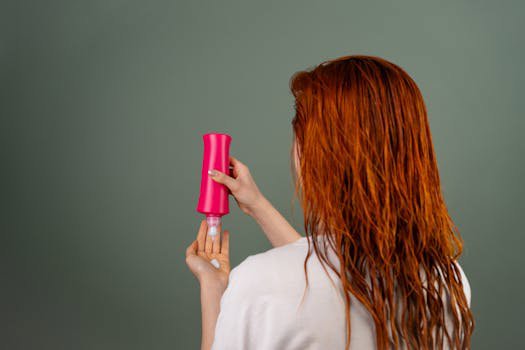
{{IMAGE:curly haired woman applying leave-in conditioner at home}}Curly and coily routines that benefit from both
Curly and coily hair thrives on slip and moisture. Most routines improve when you use both formats with intention. The rinse-out sets your detangle. The leave-in keeps definition alive as hair dries and on future days.
Wash day flow: cleanse the scalp, then squeeze out extra water. Work a rich rinse-out or a quick mask through sections. Detangle with fingers, then a comb. Rinse lightly so a hint of slip stays. Apply a cream leave-in to soaking-wet or very damp hair in sections. Scrunch or twist as you go. Diffuse or air-dry. If you like a cast, add gel on top.
Low-dew versus high-dew thinking: in cold, dry indoor air, keep humectants like glycerin in the mix and pair them with emollients so hair holds moisture. In summer humidity, dial humectants down and rely more on film-formers. Many curl-friendly leave-ins list polyquats and amodimethicone that help in muggy weather.
Refresh days: spritz a leave-in and water mix to revive bends and coils. Rake gently or scrunch. Add a touch of cream only on thirsty patches. Resist the urge to rebuild your whole product stack. Lighter top-ups keep volume and stop halo frizz.
If you shop by ethics or scent as much as performance, check textures from brands like The Body Shop alongside salon-leaning lines on Lookfantastic. Our comparison helps you weigh values, textures and promo timing in one place.
Budget vs luxury: where to spend and where to save
Spend where you need targeted function. Daily rinse-outs do the fundamentals across price points. You can save here if you match texture well. Look for reliable cationic conditioners and simple emollients. Upgrade the leave-in if you heat style a lot or fight all-day frizz. Heat defence and frizz management justify a step up.
Invest in treatments rather than overloading daily conditioner. A good mask used once a week often beats a heavy rinse-out used daily. You can build a routine with an affordable rinse-out, a smart leave-in and a well-chosen mask. Check Hair Masks and balance protein and moisture based on how your hair behaves when wet and dry.
Shop the cycle. We see strong promo clusters around bank holidays and Black Friday, with surprise drops in quieter months as retailers chase volume. Add your shortlisted formulas to a GlamGeek wishlist. We monitor retailers like Boots, Superdrug, Space NK, Cult Beauty, Lookfantastic and Beauty Bay, so you don’t need ten tabs open to land a better price.
Try minis and sets before you commit to a large size. A few washes tell you if a rinse-out clumps your roots or if a leave-in keeps hair smooth without dulling shine. Our comparison flags value sets and travel sizes when they show up.
Four realistic routines for common hair goals
Fine hair that falls flat: choose a lightweight rinse-out and a mist leave-in. After shampoo, apply a small amount of rinse-out from ear level to ends. Rinse well. Blot. Mist a light leave-in on ends only. Blow-dry upside down for lift. On non-wash days, skip leave-in unless ends tangle under scarves. If you need it, use one or two sprays, then brush through once.
Dry, heat-stressed hair: use a creamier rinse-out and a heat-protecting leave-in. Squeeze water out well so conditioner grips. Detangle in-shower. Rinse lightly to keep a touch of slip. Blot. Work a cream leave-in through sections. Rough-dry to 70%, then brush-dry. Smooth a tiny amount of leave-in over the last few centimetres after cooling. Add a weekly mask to rebuild softness.
Wavy to curly with halo frizz: detangle with a richer rinse-out. Rinse lightly. Apply a cream leave-in to very damp hair in sections. Scrunch and air-dry or diffuse on low heat. Seal with a gel if you like extra hold. On day two, spritz a leave-in and water mix, scrunch to reset waves, and spot-fix frizz with a pea-size cream.
Protective styles and coils: aim for long-wear moisture. After washing, apply a nourishing rinse-out and detangle in sections. Rinse until hair feels silky. Work a cream leave-in through each section. Seal ends with a little oil only if your hair tolerates it. Install your style. Refresh your scalp with a light mist and massage between wash days. Keep leave-in off the scalp to reduce build-up at the base.
If you want brand inspiration, shortlist an accessible option from Garnier or L'Oréal as your rinse-out, then compare a higher-spec leave-in from Kérastase. Pin all three on your GlamGeek wishlist and let the alerts guide your basket timing.
Ingredients cheat sheet: pick by what they do
Conditioning agents: look for behentrimonium chloride or cetrimonium chloride to boost slip and reduce static. They show up in most effective rinse-outs and many leave-ins.
Fatty alcohols and emollients: cetyl, stearyl, isostearyl and lightweight oils cushion and soften. Great for coarse ends. Fine hair should keep doses modest.
Silicones and targeted polymers: dimethicone smooths broadly; amodimethicone targets damaged spots. Polyquats help with humidity resistance. If you worry about buildup, schedule a reset shampoo every week or two.
Humectants: glycerin and panthenol draw water into the hair. They shine in dry indoor air and can misbehave in heavy humidity. Balance them with film-formers if frizz blooms in summer.
Proteins and bond-leaning actives: hydrolysed proteins help hair that stretches too much when wet. Use sparingly if hair feels rough or brittle. Some leave-ins and masks add bond-supporting chemistry. Results vary by hair history, so patch-test and buy small sizes first when you try a new approach.
What this means for your basket
Leave-in versus rinse-out isn’t a rivalry. They solve related but different jobs. Use a rinse-out to set slip and detangle in the shower. Add a leave-in to protect, refine and extend that smoothness through heat, humidity and day two hair. Pick textures that suit your strand size and your finish goals. Use small amounts and adjust dose before you blame the formula.
Build a plan, not a pile. Anchor your week with a simple rinse-out and a targeted leave-in. Slot in a weekly mask to reset softness and shine. Keep a clarifying wash in the wings if hair starts to feel coated. Compare options across retailers on GlamGeek, add your shortlist to a wishlist, and let price alerts and promos do some of the work.
Which format works best for your hair right now? Tell us what you’re using, add your picks to your GlamGeek wishlist, and we’ll help you track the price across Boots, Superdrug, Space NK, Cult Beauty, Lookfantastic and Beauty Bay.