Eye masks do expire: like all cosmetic skincare, they have an unopened shelf life and an “open-jar” Period After Opening (PAO) window that tells you how long they stay stable once opened. Storage and hygiene matter because the under-eye area has delicate skin, and compromised masks can irritate or introduce bacteria.
Eye masks feel low-risk because they’re “just patches”. That’s misleading.
Most eye masks sit in a wet environment (serum or gel), and that’s exactly where microbes can thrive if packaging gets contaminated. Add the fact that under-eyes often have tiny, invisible breaks in the skin barrier from rubbing, dryness, or makeup removal, and you get a higher payoff for good storage habits.
Our price tracker also shows eye masks span everything from multi-pair tubs to single sachets, with a big spread in cost per use. That makes waste from poor storage doubly annoying: you lose both safety and value.
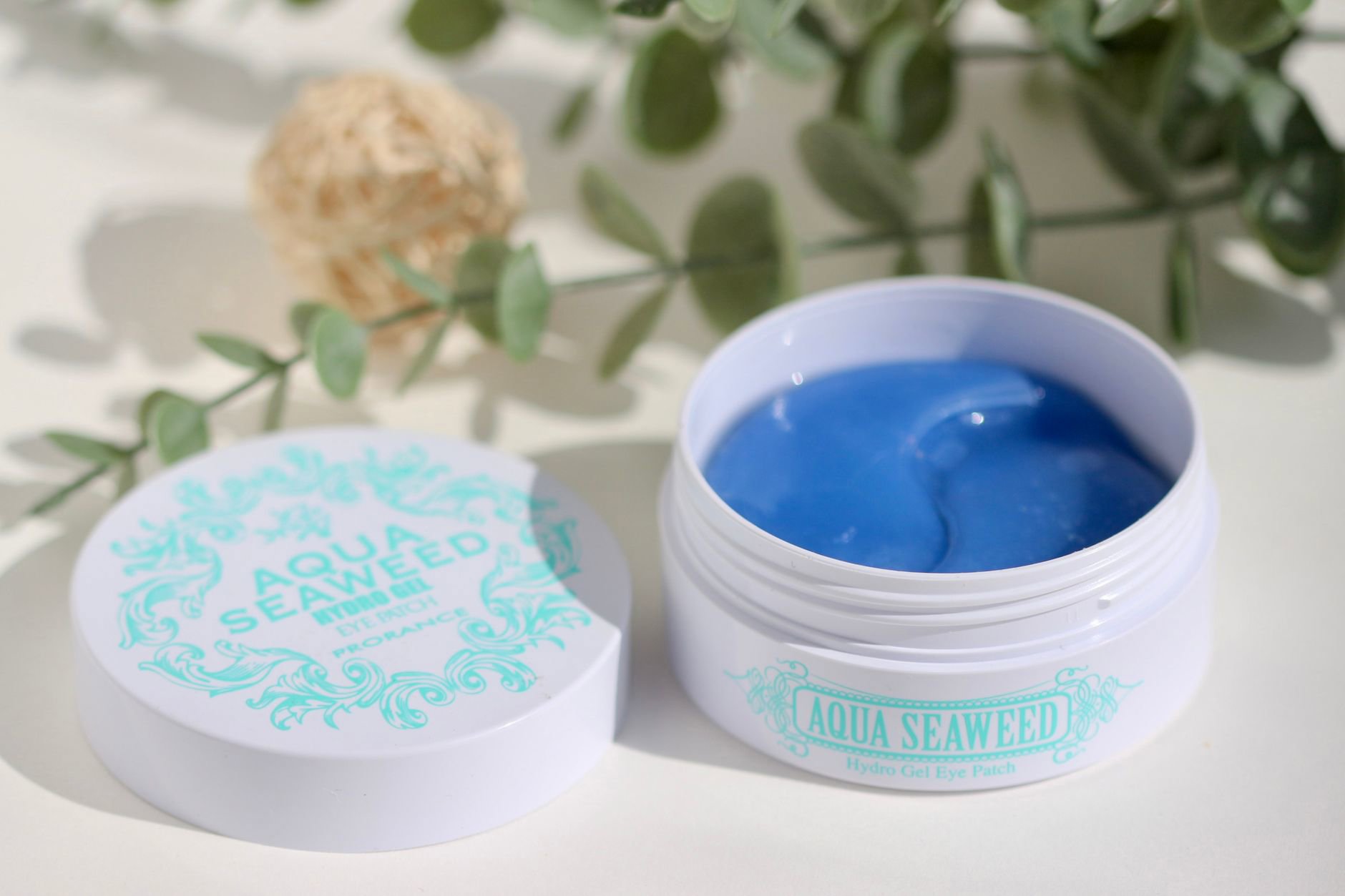
This guide covers what expiry and PAO actually mean, what “gone off” looks like, and how to store single-use and multi-use styles properly—including when chilling helps and when it’s just a nice extra.
Do eye masks expire? Understanding expiry dates vs PAO symbols
Yes, eye masks expire, but you’ll usually see two different “timers”. One applies before you open the product. The other starts after first opening.
Expiry date (sometimes “EXP”): this refers to the product’s stability when unopened and stored normally. Not every cosmetic shows an explicit date, but if it does, treat it as a hard stop. Ingredients can degrade, and preservatives can lose effectiveness.
PAO (Period After Opening): this shows as an open-jar icon with a number like 6M, 12M, or 24M. It means the brand expects the formula to stay stable and safe for that many months after opening, assuming normal storage and clean handling.
Single-use sachets make this simple: you open, you use, you bin. Multi-pair tubs and multi-use packs need more care because every opening exposes the remaining masks to air, warmth, and whatever’s on your fingers.
Formula type matters too. Hydrogel patches often contain humectants such as hyaluronic acid and a water-rich base. That’s great for hydration, but it increases the importance of preservatives and clean handling. Bio-cellulose also holds a lot of liquid, so you should treat it like a “wet” product from a hygiene perspective.
If you want a quick mental model, think of eye masks like face masks in miniature: short contact time, but high exposure to the environment and your skin’s microbiome.
What shortens shelf life: heat, air, fingers, and “bathroom living”
In UK homes, the most common expiry accelerators come from storage habits, not “bad batches”. Steam from showers, radiators blasting from October to March, and window sills in a summer heatwave all push formulas outside their comfort zone.
Heat speeds up oxidation and can destabilise certain actives. Vitamin A derivatives (retinol) can degrade faster with light and heat exposure. That matters for masks like Shiseido’s Shiseido Vital Perfection Uplifting And Firming Express Eye Mask (from £3.22), which includes retinol (Vitamin A) and ReNeura Technology++ in its description.
Air exposure dries gels and encourages texture shifts. It also increases oxidation for some ingredients and fragrances. Tubs that get opened daily take the biggest hit.
Finger contact introduces microbes. Even clean-looking hands can carry bacteria and yeast. That risk rises when you dig into a jar, then touch the under-eye area, then go back for the next pair later. If you use a multi-pair product, keep handling disciplined.
Bathroom storage looks convenient, but it’s a humidity rollercoaster. Humidity plus warmth can stress preservatives. If you want your eye masks to last their full PAO, store them somewhere cool, dry, and dark—think bedroom drawer, not the shower ledge.
Retail packaging often tries to reduce these risks. Single sachets from brands like Patchology usually help because each use stays sealed until needed. Multi-pair formats save money per patch, but only if you keep them clean and well-sealed.

Signs an eye mask has gone bad (and when to bin it immediately)
Most people wait for obvious mould. Don’t.
Because eye masks sit close to the lash line, irritation costs more: stinging, watering eyes, and redness can derail your whole routine. Treat “maybe” as “no” if anything looks off.
Bin the mask if you notice any of these:
- Smell changes: a sour, sharp, or “off” odour compared with the usual scent.
- Colour shifts: yellowing, browning, or uneven discolouration in the serum or gel.
- Texture changes: slimier feel, graininess, separation (watery layer + thicker layer), or patches that tear more easily than usual.
- Dry edges inside a pack: suggests poor sealing or prolonged air exposure.
- Cloudiness where the essence used to look clear.
- Stinging or burning on application: remove immediately and discard the pair.
Also bin any eye mask that has touched an infected eye, active conjunctivitis, or a cold sore area. That sounds strict, but reintroducing microbes near your eyes isn’t worth the savings.
Be cautious with “tingle” expectations. Some actives can feel brisk, but persistent sting signals a barrier problem or product instability. Masks featuring firming or brightening actives—like Dr Dennis Gross Skincare Derminfusions Lift + Repair Eye Mask (from £12.00), which includes L-ascorbic acid (vitamin C) and niacinamide in the description—should still feel comfortable.
If you see an expiry date and you’re past it, don’t negotiate. If you only have a PAO symbol and you can’t remember when you opened it, assume it’s out of date and replace it.
Single-use vs multi-pair tubs: hygiene rules that actually work
Eye masks come in two main formats: individually wrapped pairs (single-use) and multi-pair containers (often 30–60 pairs). Both can be safe. Both can go wrong.
Single-use sachets offer the simplest hygiene profile. Each pair stays sealed until you open it, so contamination risk mostly comes from your hands and your skin. Products like 111SKIN Rose Gold Illuminating Eye Mask (from £12.00) and 111SKIN Cryo Eye Mask (from £12.00) come as hydrogel masks in boxed formats (as described), which typically means less repeat exposure than a tub.
Multi-pair packs can deliver better value, but only when you treat them like you would a jar product. CosRx Cosrx Peptide Collagen Hydrogel Eye Patch (from £10.83) comes as 60 patches / 85g, which implies a repeated-open container. That format rewards routine and clean handling. It also punishes sloppy fingers.
Best-practice hygiene for multi-pair packs:
- Wash and dry hands before opening the container.
- Use a clean spatula or the included applicator if provided. If none exists, wash a small cosmetic spatula and keep it with the pack.
- Open, remove patches, then close immediately. Don’t leave the lid off while you brush teeth or scroll.
- Never “double dip” a used patch back into the essence.
Reusable eye masks exist in the wider market, but this guide stays focused on the eye masks in our tracked list, which centre on single-use hydrogel, gel, and bio-cellulose styles. If you want to build a broader routine, keep it separate from tools like Makeup Brushes & Applicators, which follow their own cleaning rules.
One more hard rule: don’t share eye masks. “It’s just skincare” doesn’t apply when the product sits millimetres from the eye.
Storage that protects performance: where to keep eye masks (and how to chill them)
Eye masks last longer when you reduce heat swings, light exposure, and repeated air contact.
For most homes, the easiest safe spot is a cool drawer or cupboard away from radiators and windows. A bedside drawer works. A dressing table drawer works. A bathroom cabinet often doesn’t, because shower steam pushes humidity up and down.
Chilling can help in two ways. First, it makes the experience feel more de-puffing because cold temporarily constricts blood vessels. Second, it can slow some forms of degradation. It won’t override an expired product, but it can support stability during the PAO window.
Chill in the fridge, not the freezer. Freezing can damage hydrogel texture and cause the serum to separate. If you want that “cold compress” feel, put the sealed sachet or closed tub in the fridge for 20–30 minutes before use.
Some products lean into that “cooling” positioning. The 111SKIN Cryo Eye Mask (from £12.00) describes inspiration from cryo-technology and a hydrogel format aimed at minimising visible signs of fatigue. That makes it a sensible candidate for refrigeration, as long as you keep the pack sealed and dry.
What not to do:
- Don’t store eye masks in direct sunlight, including on windowsills.
- Don’t keep them next to a hot towel rail.
- Don’t leave opened sachets “for later”. Use immediately and discard.
- Don’t decant patches into another container. You lose the original preservative assumptions and hygiene controls.
If you buy backups during a deal, store the unopened ones in the coolest, darkest place you have. Our pricing feed often shows under-eye patches swing in availability and pack formats across retailers like Boots, Space NK, John Lewis, Cult Beauty, and Lookfantastic, so buying ahead can make sense. Just store them like you mean it.

Ingredient stability: which actives need more careful storage?
Not all eye masks age the same way. Actives, packaging, and base formula all influence how sensitive a product feels to heat and time.
Retinol (Vitamin A) tends to dislike light and heat. Masks that include retinol in their description deserve extra care with storage. The Shiseido Vital Perfection Uplifting And Firming Express Eye Mask (from £3.22) includes retinol (Vitamin A), so keep unopened stock cool and keep opened packs tightly sealed.
Vitamin C forms vary, but many oxidise over time. Dr Dennis Gross Skincare Derminfusions Lift + Repair Eye Mask (from £12.00) includes L-ascorbic acid. Oxidation can reduce efficacy and increase irritation potential. If you notice colour changes or a sharper smell, treat it as a warning sign.
Niacinamide generally behaves well in formulas, but it still depends on overall preservation and pH. Dr Dennis Gross also includes niacinamide in the description. Stable ingredient, unstable environment still causes problems.
Peptides often sit in water-based systems and rely on good formulation and preservatives. Products that position around peptides include Patchology Flashpatch Restoring Night Eye Gels - 5 Pairs (from £4.00), which lists peptides as part of its nourishing ingredients, and CosRx Cosrx Peptide Collagen Hydrogel Eye Patch (from £10.83), which includes 5 types of peptides in the description.
Hyaluronic acid acts as a humectant. You’ll see it in products like Pixi Fortifeye Eye Patches (from £14.67) and By Terry Hyaluronic Flash Eye Patch (from £16.00). It won’t “go off” on its own quickly, but it sits in water-heavy formulas where contamination and evaporation matter.
Bottom line: ingredient stability does not replace hygiene. Even a stable active can irritate if bacteria grow in the base.
Which eye masks to choose if you care about freshness and safe storage
If expiry anxiety drives your purchasing, packaging style should influence your pick as much as ingredients.
Individually portioned formats reduce “open-close” wear and tear. They also suit occasional users who won’t finish a tub within the PAO window. On the other hand, heavy users may get better value from multi-pair packs, as long as they keep handling clean.
Editor’s picks from our tracked list (with starting prices):
- Shiseido Vital Perfection Uplifting And Firming Express Eye Mask (from £3.22): includes retinol (Vitamin A) and targets revitalising the eye area. Store cool and avoid heat spikes.
- Patchology Flashpatch Rejuvenating Eye Gels (from £3.00): features HydraSurge5 Moisture System and includes caffeine in the description. Great when you want a widely available gel format; handle tubs/packs carefully.
- Patchology Flashpatch Restoring Night Eye Gels - 5 Pairs (from £4.00): a smaller set that suits people who prefer finishing a pack quickly rather than keeping a big container open.
- 111SKIN Cryo Eye Mask (from £12.00): hydrogel format aimed at puffiness and fatigue; fridge-chilling pairs well with its positioning.
- Pixi Fortifeye Eye Patches (from £14.67): hydrogel patches with hyaluronic acid and botanical collagen in the description; a good option for frequent use if you store and handle correctly.
Luxury boxes can tempt “special occasion hoarding”. If you keep premium patches like Augustinus Bader The Eye Patches (from £20.00) for events, set a reminder for PAO the day you open the box. Unused pairs still age after opening because the outer packaging now sees air and humidity changes.
We also see shoppers compare premium hydrogel options like 111SKIN Celestial Black Diamond Bio Cellulose Eye Mask (from £12.00) and 111SKIN Rose Gold Illuminating Eye Mask (from £12.00). The sensible tie-breaker often becomes pack size and how fast you’ll finish it, not just the serum story.
If you want to browse brands we track across the site, start with ESPA, Shiseido, Garnier, or Sephora Collection—then filter down to eye masks only.
Practical storage and hygiene checklist (do this today)
First, audit what you already own. Check for an expiry date, then find the PAO symbol. If you can’t remember when you opened a product, mark it now with a small sticker (month/year) and use it within the stated period.
Next, choose a storage “home” that stays cool and dark. A drawer beats a bathroom shelf. If you want the cooling effect, keep a few pairs in the fridge and leave backups in a drawer, sealed.
Step-by-step: the clean way to use multi-pair eye patches
- Wash hands and dry fully (wet hands drip water into the container).
- Open the tub, lift out one pair with a clean spatula.
- Close the tub before you apply. Yes, before.
- Apply patches, then discard after use. Don’t try to “save” them.
- Wipe any serum on the rim, then close tightly to reduce air exposure.
Finally, keep expectations realistic. Chilling helps comfort and temporary de-puffing. It won’t “extend” a mask past expiry, and it won’t rescue a contaminated container.
Do Eye Masks Expire? FAQ
Do under-eye masks really expire if they’re sealed?
Yes. Sealed eye masks still have an expiry date or an expected unopened shelf life because ingredients can degrade over time. Preservatives also lose effectiveness. Store sealed packs in a cool, dry, dark place and don’t use them past the printed expiry date if one appears on the packaging.
What does the PAO symbol mean on eye patches?
The PAO (Period After Opening) symbol shows an open jar with a number like 6M or 12M. It tells you how many months the eye mask should remain stable and safe after first opening, assuming normal storage and clean handling. If you can’t remember the opening date, it’s safer to replace it.
Can I keep eye masks in the fridge?
Yes, refrigeration can be a good storage option, especially if you like a cooling feel. Keep patches sealed and dry, and chill them in the fridge rather than the freezer. Freezing can damage hydrogel textures and cause separation. Chilling does not make an expired product safe to use.
How can I tell if an eye mask has gone off?
Common signs include a sour or unusual smell, colour changes (yellowing or browning), cloudiness, separation, dried-out edges, or a slimy or grainy texture. If the patch stings or burns, remove it straight away and discard it. When in doubt, bin the pair.
Are tub-style eye patches less hygienic than single sachets?
They can be, because each opening exposes the remaining patches to air and introduces contamination risk from fingers. Single sachets reduce repeated exposure. Tub-style patches can still be safe if you wash and dry hands, use a clean spatula, close the lid immediately, and store the container in a cool, dry place.