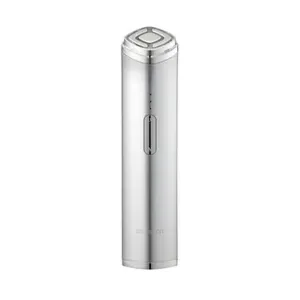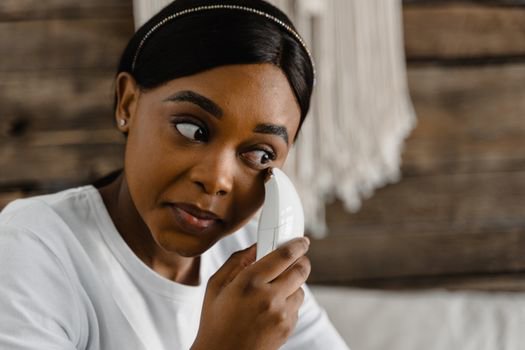
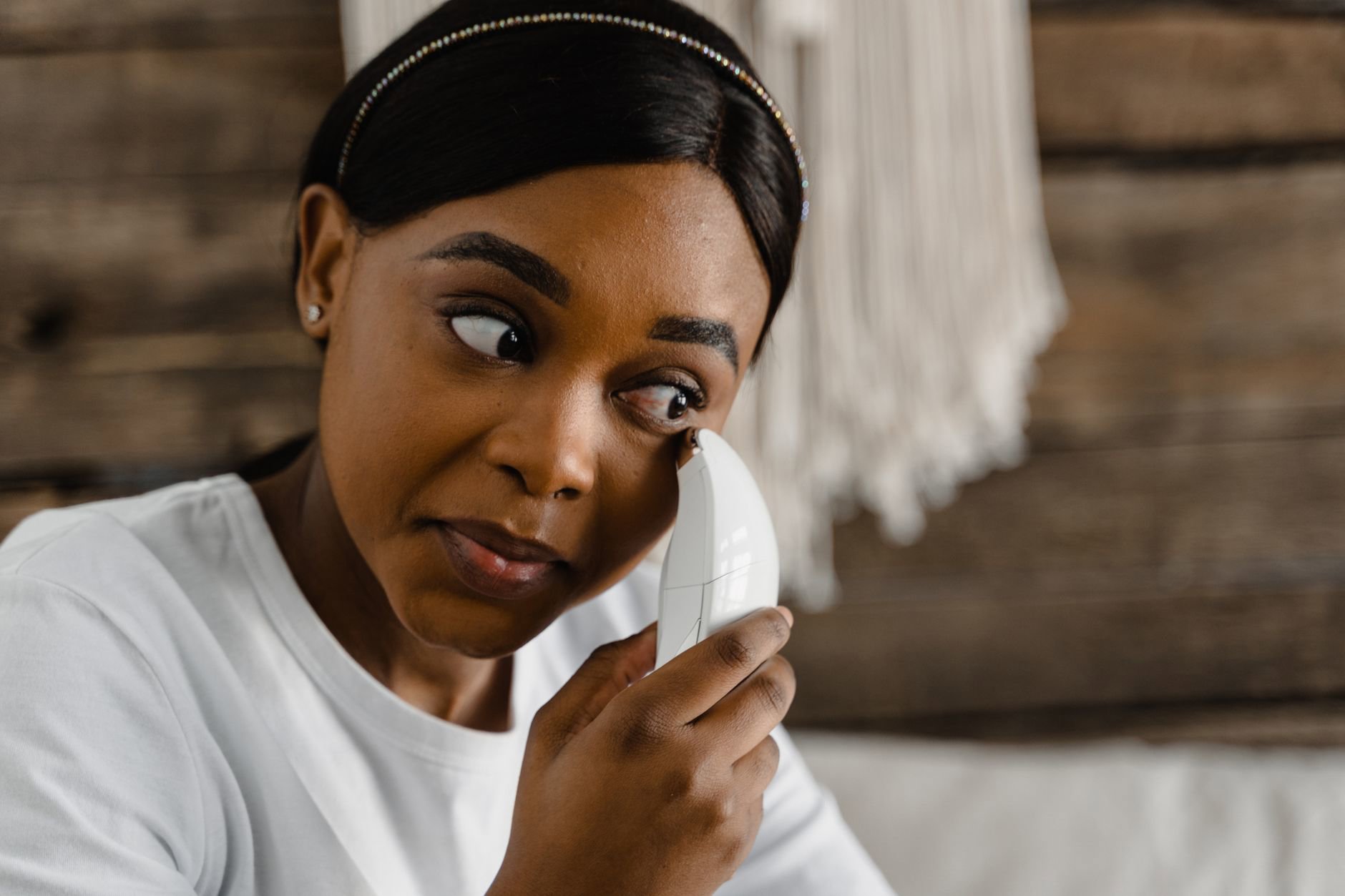
Anti-ageing toners & firmers are at-home skin tools—most often microcurrent, LED light therapy, or facial massage devices—used to support a firmer-looking, more lifted, smoother complexion with consistent, correct use. Safe results come from choosing the right tool for your goals, starting gently, keeping devices clean, and avoiding known contraindications like certain implants or eye-area misuse.
These tools sit in an awkward middle ground: they can feel “skincare-adjacent”, yet they behave more like home tech.
That means technique and restraint matter as much as the device itself. Overuse can cause redness, tenderness, or that tight, overworked feeling that makes people quit before they see benefits.
In UK routines, the risk spikes in winter. Indoor heating and damp cold can leave skin reactive, so “more” often backfires.

At GlamGeek, our price tracking across major retailers (think Boots, John Lewis, Space NK and Cult Beauty) shows that most shoppers buy one device and then try to make it do everything. A safer plan: match the tool type to the outcome you want, then build a schedule you can actually stick to.
We’ll keep this guide strictly to Anti Ageing Toners & Firmers tools—microcurrent, LED, vibration and manual massage—using only the products listed on our platform.
What these tools actually do (and what they don’t)
Anti-ageing “toning” tools usually mean microcurrent. Devices like the Foreo Bear 2 Facial Toning Device (from £155.40) use low-level current to help the face and neck look more contoured and lifted by working the muscles. The NuFace Trinity+ Starter Kit (from £220.56) also uses microcurrent to create a firmer-looking effect with regular sessions.
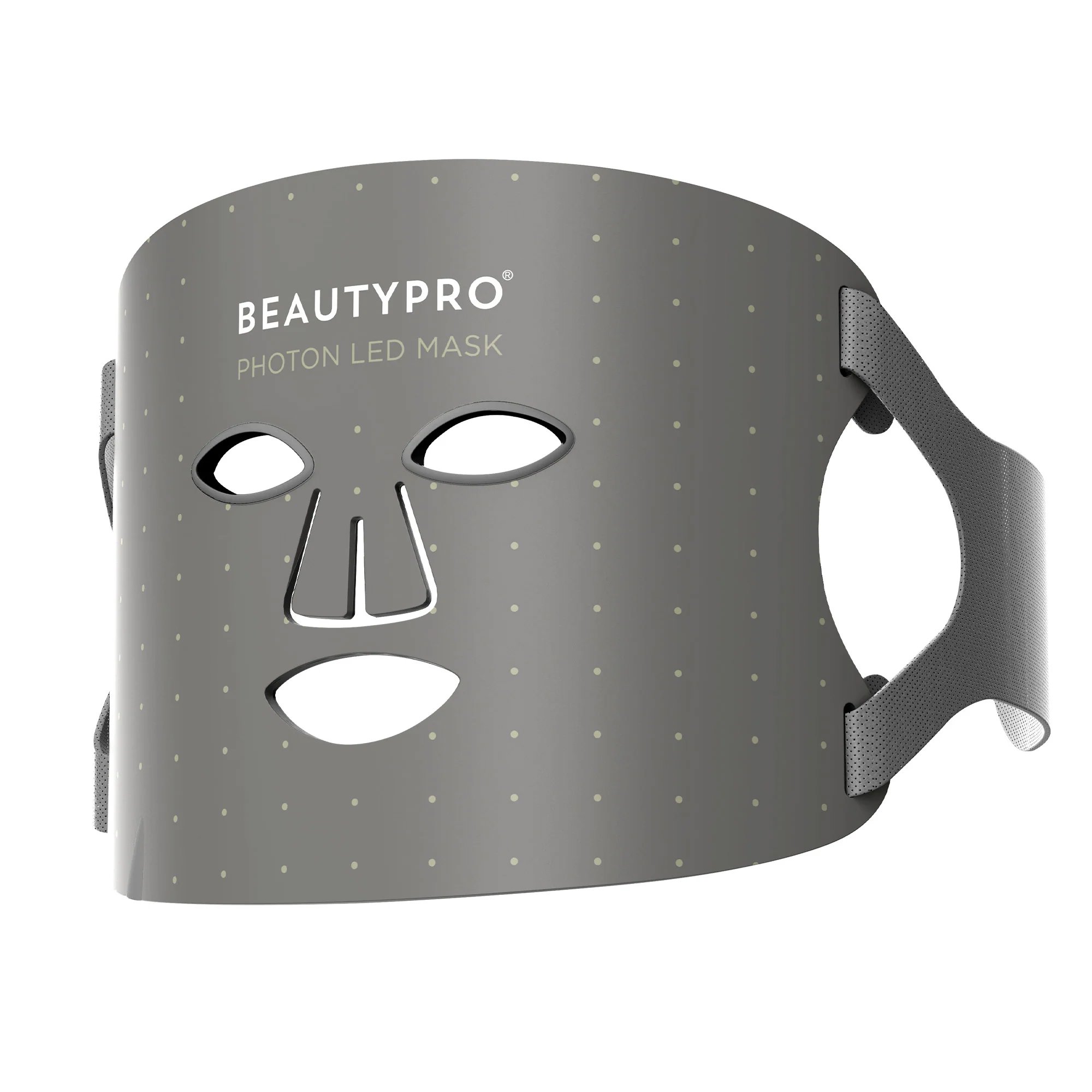
Firming often points to either microcurrent again, or LED light therapy. Masks like the Dr Dennis Gross Skincare Spectralite Faceware Pro (from £348.75) combine red and blue LEDs in a 3-minute treatment, while the BeautyPro Photon Led Light Therapy Facial Mask (from £78.00) offers five LED colours for a more flexible approach.
Then you’ve got manual or mechanical massage. Tools such as the Sarah Chapman Skinesis The Facialift (from £28.50) mimic tapping, pinching and knuckling. The Foreo Iris Eye Massager (from £84.50) targets the eye contour with T‑Sonic technology and lymphatic-style massage techniques.
What they don’t do: they do not replace sunscreen, they do not “erase” deep wrinkles in a week, and they do not fix a compromised barrier by force. If you already rely on Anti Ageing Face Serums or Anti Ageing Face Creams, think of tools as consistency aids—not shortcuts.
One more reality check. A lifted look from microcurrent tends to behave like “training”: you see more when you keep doing it, and less when you stop.
Choosing the right tool for your face (and your tolerance)
Start with the goal, not the hype.
If your main concern is jawline softness, cheek slackness, or general loss of definition, microcurrent usually makes the most sense. The Foreo Bear Facial Toning Device (from £239.25) offers app-powered workouts and Anti-Shock tech designed to keep treatments comfortable. The Foreo Bear 2 Facial Toning Device (from £155.40) uses up to 680 uA of microcurrent and targets face and neck muscles for a contoured look.
If you want microcurrent but prefer a smaller commitment (or you travel a lot), the NuFace Mini Starter Kit (from £184.00) aims for a more contoured look over time with low-voltage currents. The Foreo Bear 2 Go (from £209.00) also fits the “smaller device” slot, while still using microcurrent and T‑Sonic pulsations.
For fine lines around the mouth and eyes, a targeted device can feel safer than “driving” a full-size microcurrent tool too close to delicate areas. The Foreo Bear 2 Facial Toning Device For Eyes And Lips (from £113.40) focuses on these zones and uses lifting and tapping microcurrent plus T‑Sonic technologies, with 270 uA microcurrent.
If your concern is overall dullness plus texture and visible signs of ageing, LED can slot in neatly. The Dr Dennis Gross Skincare Spectralite Faceware Pro (from £348.75) runs a quick three-minute protocol, while the MZ Skin Light Therapy Golden Facial Treatment Device (from £300.00) offers five coloured LED treatments.
On a tighter budget, the BeautyPro Photon Led Light Therapy Facial Mask (from £78.00) gives you LED flexibility at a lower entry price. Our tracker often sees LED masks fluctuate in availability at retailers like Lookfantastic and Cult Beauty, so it’s worth price-checking before you commit.
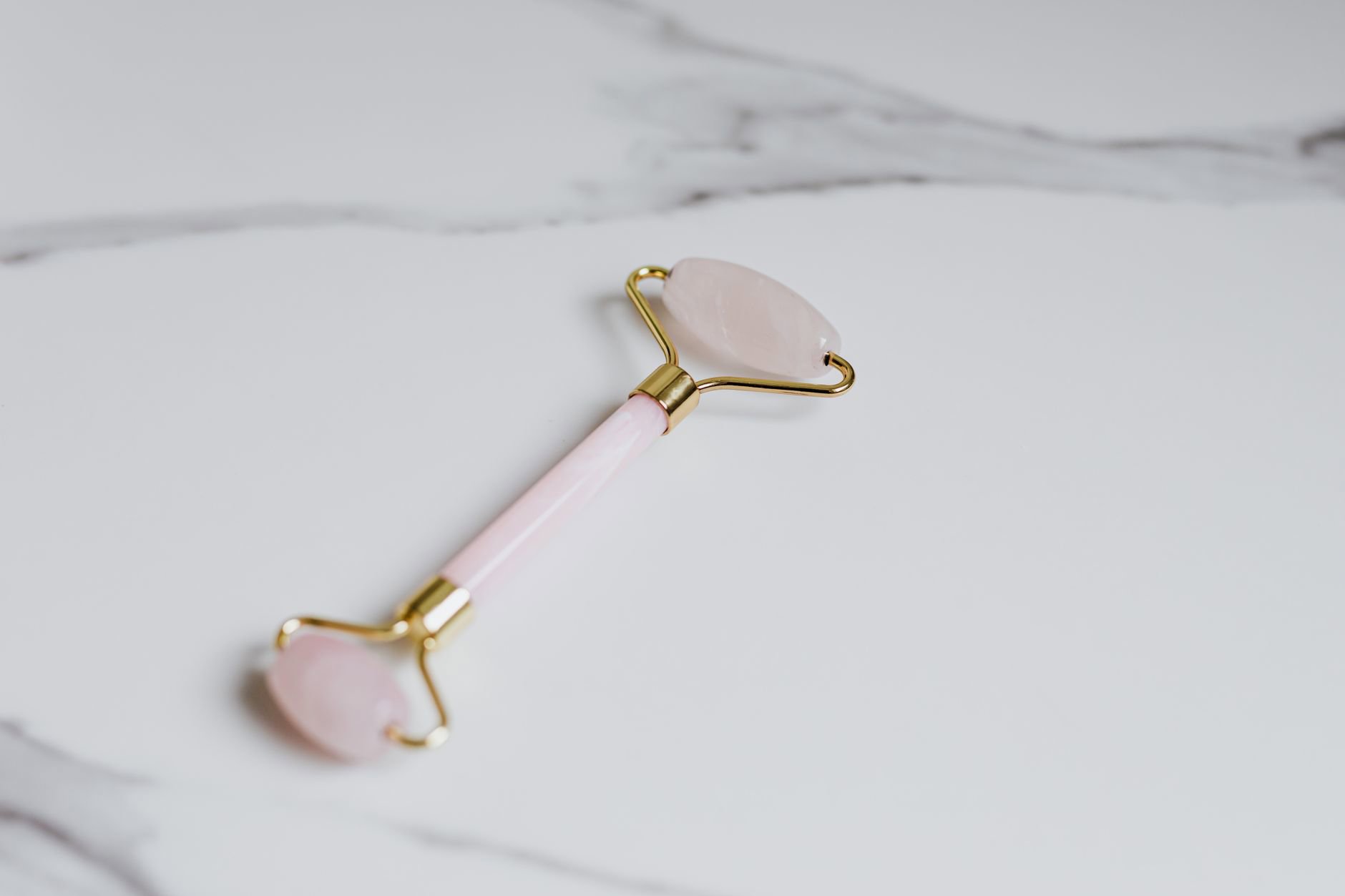
Prefer low-tech? The Herbivore Botanicals Facial Roller (from £29.00) uses rose quartz rolling to support firmness and elasticity while easing tension. Not clinical tech. Still useful.
Microcurrent safety: settings, slip, and a sane schedule
Microcurrent works best when you treat it like a structured workout. That means a plan, good contact with the skin, and rest days.
Step-by-step (microcurrent):
- Patch-test your routine first: do one short session at the lowest setting on the jawline area. Wait 24 hours for sensitivity.
- Use a conductive medium if your kit includes one. The NuFace Trinity+ Starter Kit includes a two-month supply of Aqua Gel Activator, designed to help the device glide and conduct.
- Work in small zones: jawline, cheeks, brow. Keep strokes slow and controlled. Don’t “scribble”.
- Stop if you feel sharp discomfort: mild tingling can happen, but zaps and stinging often signal poor contact or too-high intensity.
- Finish and leave it alone: don’t immediately stack multiple tool types on top, especially if you flush easily.
The biggest safety mistake we see in user reviews across the market: people crank up intensity to chase faster change. Devices like the Foreo Bear Facial Toning Device and Bear line lean on Anti‑Shock systems and app controls to keep sessions manageable, but you still control the pace.
How often? If you’re new, start at 2–3 sessions per week for two weeks. If skin stays calm, move to every other day. Many people do best with maintenance a few times per week once they’ve built consistency.
Short sessions win. A tight five minutes you repeat beats a 30-minute marathon you abandon.
Eye and lip area: use a device built for it. The Foreo Bear 2 Facial Toning Device For Eyes And Lips keeps microcurrent at 270 uA and focuses on blurring fine lines around the mouth and eyes. That’s a safer route than pushing a higher-output face tool right up to the lash line.
LED safety: eyes, timing, and expectations
LED devices look simple: put on mask, press button, wait.
Still, safe use hinges on three things: eye protection, session timing, and not mixing too many variables at once.
The Dr Dennis Gross Skincare Spectralite Faceware Pro runs a 3-minute programme and uses a combination of red and blue lights. The shorter runtime helps reduce the temptation to overdo it. The BeautyPro Photon Led Light Therapy Facial Mask offers five LED colours in a lightweight, non-invasive format, which can be appealing if you want more than one mode.
Step-by-step (LED mask):
- Start with clean, dry skin. Heavy residue can increase heat and discomfort, even with non-heat LEDs.
- Keep eyes comfortable: follow the brand’s guidance, and don’t stare into exposed LEDs.
- Stick to the device’s timer. Don’t repeat sessions back-to-back on day one.
- Log your skin response for two weeks: redness, dryness, breakouts, or calm glow. Adjust frequency based on data, not vibes.
Expectation-setting helps safety. LED changes tend to show as gradual improvements in tone and the “look” of skin quality, not a sudden lift. If you chase a dramatic overnight effect, you risk daily overuse and irritation.
Mixing with other tools: when you combine LED and microcurrent, keep it simple. Alternate days for the first month. If you insist on the same day, leave a gap between them and keep each session short.
One last note for UK winter skin: if your face feels tight from central heating, reduce LED frequency and prioritise comfort. Consistency only works when the barrier stays stable.
Massage tools and cryo: pressure, hygiene, and puffiness control
Manual tools feel “safe” because they don’t use current or light. They can still cause problems if you press too hard or skip cleaning.
The Sarah Chapman Skinesis The Facialift (from £28.50) mimics fast tapping, pinching and knuckling, designed for an at-home facial-style massage and an instant glow effect. Technique matters here more than time. Light pressure and short bursts beat aggressive kneading.
The Herbivore Botanicals Facial Roller (from £29.00) aims to support elasticity and firmness while easing muscle tension. Rolling also fits well for morning puffiness, when you want depuffing rather than heavy lifting.
For the eye area, the Foreo Iris Eye Massager (from £84.50) combines lymphatic-style massage approaches with alternating T‑Sonic technology, and the brand notes ophthalmologist approval as a safe eye care treatment. Even then, keep the tool on the orbital bone area rather than dragging across the lid.
Cooling tools can also support a firmer look by reducing temporary swelling. The ESPA Cryotherapy Globes start from £8.75. (The product listing on our feed contains mixed description text, so we only treat them as cooling globes by name and category.) Use cold as a comfort cue, not as a daily punishment: a short, gentle pass can calm flushed skin.
Massage safety rules that prevent most issues:
- No dragging on dry skin. Dry friction can trigger redness fast.
- Keep pressure light, especially on cheeks and around eyes.
- Clean after every use with a suitable wipe-down. Don’t put a used tool back in a drawer.
- Don’t massage active breakouts. You can spread irritation and prolong healing.
Two minutes daily works better than ten minutes once a week. Also safer.
Device hygiene and storage: the boring part that protects your skin
Skincare tools touch the areas where irritation shows up first: around the nose, mouth, and eyes. If you skip cleaning, you raise the odds of breakouts and stinging.
Electric devices (microcurrent, vibration, LED) need surface cleaning and sensible storage. That means: wipe down contact points after each session, keep cords and straps clean, and store somewhere dry. UK bathrooms run humid for months, so leaving tools next to a steamy shower can shorten their lifespan and invite grime.
For devices used near eyes—like the Foreo Iris Eye Massager—cleaning becomes non-negotiable. The eye area reacts fast, and mild residue can turn into watering and discomfort.
Our practical cleaning checklist:
- After each use: wipe the device head (or roller stone) and handle.
- Weekly: inspect seams, edges, and straps for product build-up.
- Never share tools that touch eyes or lips.
- Replace habits, not just products: if you often skip cleaning, pick a simpler tool you’ll maintain.
Price matters here. Lower-priced tools like the BeautyPro T-Bar Sonic Vibrating Anti-Ageing Device Beauty Devices (from £29.00) make sense if you want an easy-to-clean entry point: fewer complicated surfaces, fewer excuses.
Marketing rarely highlights hygiene. Skin does.
Contraindications and red flags: when to pause or avoid
Tools feel consumer-friendly, but they still interact with biology. Some people should avoid certain categories entirely, or ask a clinician first.
Microcurrent caution: if you have implanted electronic medical devices, speak to a medical professional before you use microcurrent. Many brands flag this as a standard safety boundary, and it’s not one to ignore. If you feel facial twitching or lingering soreness, pause and reassess intensity and technique.
LED caution: people with light sensitivity or who take medications that increase photosensitivity should check suitability before using LED masks. Keep sessions within the timer, and stop if you see persistent redness or headaches.
Eye-area caution: use eye tools designed for the job. The Foreo Bear 2 Facial Toning Device For Eyes And Lips and the Foreo Iris Eye Massager exist for a reason. Don’t freestyle with higher-power devices around delicate tissue.
Skin barrier red flags—pause tool use if you notice:
- Stinging when you rinse with water
- New flaking that lasts more than a few days
- Persistent redness that doesn’t settle overnight
- A tight, hot feeling after sessions
- Breakouts clustered exactly where the tool contacts
When this happens, the fix often sits in frequency, not in shopping. Reduce sessions by half for two weeks, then reassess.
We also keep expectations grounded with price data. Premium devices like the Dr Dennis Gross Skincare Spectralite Faceware Pro (from £348.75) cost more, but they still need correct usage. Spending more does not buy permission to overuse.
How to build a safe weekly routine (without overdoing it)
Most people fail with tools for one of two reasons: they do too much for ten days, or they do too little for two months.
A safe routine gives you repetition without overload. Here are three schedules that work for different tolerance levels, using only tools in this category. Adjust based on skin response.
Schedule A: Microcurrent-first (lifting focus)
- Mon: Microcurrent (e.g. Foreo Bear 2 Facial Toning Device) 5–8 minutes
- Wed: Microcurrent 5–8 minutes
- Fri: Microcurrent 5–8 minutes
- Sun: Gentle massage (e.g. Herbivore Botanicals Facial Roller) 2–3 minutes
Schedule B: LED-first (tone/texture focus)
- Tue: LED mask (e.g. BeautyPro Photon Led Light Therapy Facial Mask) one timed session
- Thu: LED mask one timed session
- Sat: LED mask one timed session
- Other days: optional eye massage (e.g. Foreo Iris Eye Massager) short session if puffiness shows up
Schedule C: Sensitive-skin starter (slow and steady)
- Mon: Manual massage (e.g. Sarah Chapman Skinesis The Facialift) 1–2 minutes
- Thu: LED mask one timed session (or skip if you flush easily)
- Sat: Cooling with ESPA Cryotherapy Globes short pass
- Daily: nothing else tool-wise
Notice what’s missing: daily stacking of microcurrent + LED + massage. That approach tends to flare sensitivity, especially when winter dryness kicks in.
If you want a body option, keep it separate from facial scheduling. The Foreo Bear 2 Body (from £167.40) targets thighs, buttocks, arms and abs with microcurrent and T‑Sonic pulsations to help skin look smoother and tighter. Don’t “make up” missed face sessions by adding more body time.
Practical safety tips you can use today
Choose one primary tool for eight weeks. Commit to the minimum effective schedule. Track skin response like you would track gym sessions: frequency, intensity, recovery.
Keep your routine boring around tool time. If you also use actives from categories like Face Exfoliants or load up on multiple steps, you make it harder to spot what triggered irritation. Tools already add a variable. Don’t pile on five more.
Also, price-check before buying “upgrades”. Our tracker often shows that the gap between entry and premium devices narrows during promotions at retailers such as Space NK or John Lewis. If you plan to invest, wait until the price makes sense—then use it safely and consistently.
Finally: if a tool makes your skin look worse after two weeks of gentle use, don’t force it. Swap categories within this tool type (microcurrent to massage, or LED to microcurrent), or scale down frequency.
Anti-Ageing Toners & Firmers FAQ
How often should you use a microcurrent facial toning device?
Most people do best starting with 2–3 microcurrent sessions per week at a low setting, then increasing to every other day if skin stays calm. Short sessions matter more than long ones. If you develop redness, tenderness, or a tight feeling, reduce frequency for two weeks before building back up.
Can you use LED masks and microcurrent on the same day?
You can, but it increases irritation risk when you’re new. For safer results, alternate days for the first month (LED one day, microcurrent the next). If you use both on the same day, keep each session within the device timer, leave a gap between them, and stop if your skin feels hot or sensitive.
Are facial rollers and massage tools safe for sensitive skin?
They can be, because they don’t use electrical current or light. Safety depends on pressure and slip: avoid dragging on dry skin and keep pressure light, especially around the eyes. Clean the tool after every use. Skip massage over active breakouts or irritated patches to avoid prolonging inflammation.
Who should avoid microcurrent or LED anti-ageing tools?
Anyone with implanted electronic medical devices should seek medical advice before microcurrent use. People with light sensitivity or medications that increase photosensitivity should check suitability before LED. If you experience persistent redness, stinging, headaches, or eye discomfort, pause and reassess technique, frequency, and whether the tool category suits you.
How do you clean anti-ageing toning and firming devices properly?
Wipe contact points after each use and remove any product residue from seams or edges weekly. Store tools somewhere dry rather than in a humid shower area. Don’t share devices used around eyes or lips. Breakouts clustered where a tool touches often signal cleaning issues, so improve hygiene before increasing use.