Our price tracker flags the same spike every year: travel skincare sets surge across Boots, Superdrug, Space NK, and Lookfantastic from late May, again in August, and once more in November. Retailers know we all scramble for minis, refills, and convenience kits right before city breaks and long-hauls. That’s the prompt to get strategic, not panicked.
Here’s the catch. Airport security rules still trip up even seasoned travellers. One rogue 150 ml cleanser can cost you a bin-side decant with a grumpy queue behind you. We see readers replacing confiscated products airside at steep mark-ups. You can avoid that with a tighter packing plan, smarter containers, and a clear idea of which actives actually cope with flights and hotel bathrooms.
This guide cuts through the noise. We focus on the liquids rules you’ll face, what to decant, how to keep serums stable, and where the best-value kits hide. We keep the routine lean, leakproof, and fit for changes in climate from Gatwick to Gran Canaria.
The rules: UK airports, 100 ml limits, and why TSA still matters
Security teams across UK airports still run with the 100 ml liquids rule at many checkpoints. A few terminals have upgraded scanners that relax the rules, but rollout remains patchy. You might breeze through at one airport, then connect through another that enforces the old limits to the letter. We advise you plan for 100 ml caps and a single clear 1 litre bag unless your airline and departure airport confirm otherwise, in writing, for your date.
Why mention TSA at all? Many UK flights route through the US, and the TSA-style limit mirrors the old EU rule. If you comply with the 100 ml standard and use a single resealable bag, you keep your kit compliant for most hubs. Keep all liquids, gels, creams, pastes, aerosols, and even cushion foundations in that bag. Solid sticks usually escape the bag, but if a product smears, treat it like a liquid to avoid debate at the belt.
Checked luggage frees you from the 100 ml caps. It doesn’t free you from physics. Pressure changes and rough handling can split droppers and crack lids. Jumbo pumps leak into clothes if you skip sealing steps. You can check back-ups, hair masks, or a full-size body lotion, but pack them in a secondary waterproof pouch and place them in the centre of the suitcase for protection.
{{IMAGE:woman packing skincare travel bag}}Build a cabin-friendly routine that still works
Carry-on space stays tight, so build a simple AM/PM plan that passes security and still looks after your skin. You need a gentle cleanser, a hydrating serum or essence, a moisturiser that suits your destination, and a high-quality SPF. Everything else sits on a shortlist. That shortlist can include a night retinoid or a single exfoliant, but only if your skin already tolerates it. Travel isn’t the moment to start an acid boot camp.
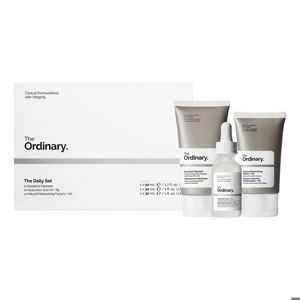
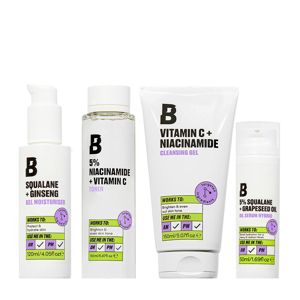
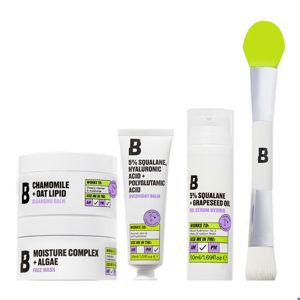
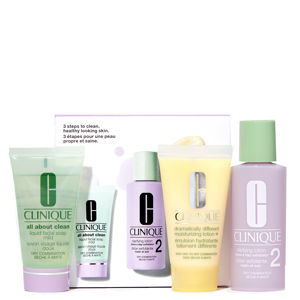
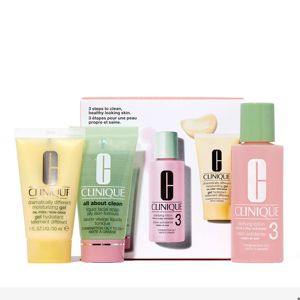
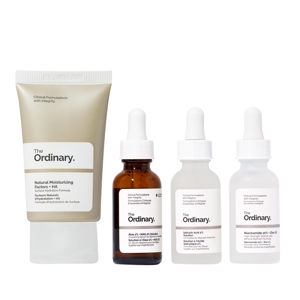
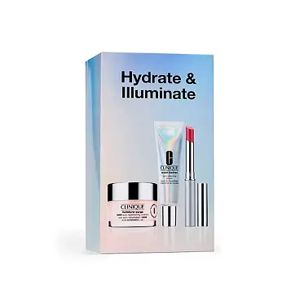
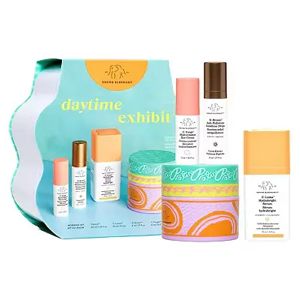
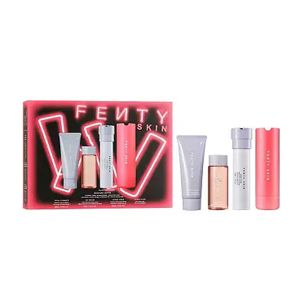
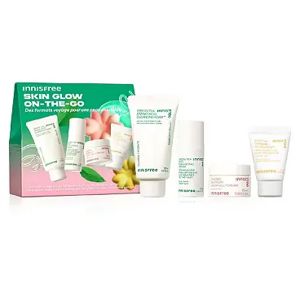
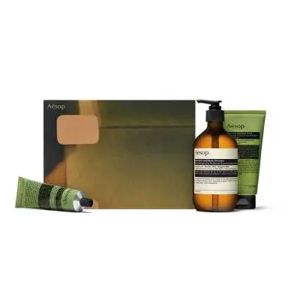
Pick minis from brands you know. Kits in our feed under the Skin Care Sets category often bundle cleanser, moisturiser, and treatment in TSA-sized packaging. You avoid decanting and get labelling that security understands. If you love a specific day cream, explore the Day Face Moisturisers category and add favourites to your GlamGeek wishlist. We ping you when prices drop, and we compare stock across Boots, Space NK, Cult Beauty, and Lookfantastic so you don’t have to.
Strip the AM routine down to cleanse, hydrate, protect. That can look like a foam or gel from Foam & Wash Cleansers, a light serum, and SPF 30 or 50 from SPF Protection Products. Keep the PM plan equally clean: cleanse, a single active if you use one, and a moisturiser that locks in water. Pack a balm from Lip Balms & Creams for the flight and hotel air-con. Cabin air dehydrates skin fast, especially from October to March when we bounce between planes and heated hotel rooms.
Decanting vs buying minis: cost, hygiene, and labelling that works
Decanting saves money if you already own the full size. Use 10–30 ml bottles for cleansers and toners, and 5–15 ml airless pumps for serums. Choose opaque or amber containers for light-sensitive formulas like vitamin C or retinoids. Label each bottle with the product name and AM/PM on masking tape. Security screens faster when labels make sense. Your jet-lagged self also thanks you at midnight in a dim hotel bathroom.
Hygiene matters. Clean funnels and spatulas with washing-up liquid, rinse well, then spritz with isopropyl alcohol if you have it. Let tools air-dry before you decant. Avoid dipping fingers into decanted moisturisers during the flight. Airplane hands touch tray tables and seat belts. Decant creams into soft tubes or airless pots, not wide-mouth jars that invite contamination. If you love balm cleansers, press a small amount into a contact lens case or a leakproof balm pod. Screw tight, then tape the hinge.
Minis save time and faff. Brands often price them higher per ml, but bundles reduce the premium. Our tracker shows bundles move to better value in late spring and around Black Friday. That’s when we see steep discounts at Boots and Superdrug on high-street kits, and value-add gifts at Space NK and Cult Beauty on premium sets. Add sets from Clinique, Estée Lauder, or Clarins to your wishlist. We’ll alert you when stock dips under the average price for the season.
Stop leaks: pressure-proof every lid before you zip the bag
Most leaks come from lids that work loose under pressure. Fix that with three steps. First, open and close each bottle before you travel to equalise pressure. Second, remove pump heads where possible, cover the neck with a layer of cling film, then screw the pump back on. Third, wrap a lap of tape around flip tops and droppers. A five-second seal saves a suitcase wash at your destination.
Double-bag all liquids. Put each bottle in a small zip pouch, then place the lot in your one-litre airport bag. For checked luggage, add a waterproof pouch around anything over 100 ml, then wedge that pouch in the centre of clothes. Keep glass droppers in socks or bubble wrap. Avoid cotton wool inside jars to “protect” creams. Fibres shed and mix into the formula. Switch to a solid cleanser or moisturiser stick for the days you move between cities to reduce liquid volume and spill risk.
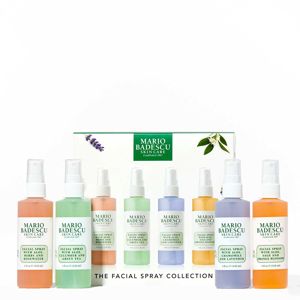
Remember aerosols. Hair spray, deodorant, and some SPF mists count as liquids in carry-on. Keep them under 100 ml if you bring them through security. In checked luggage, protect the nozzle with a cap or tape to prevent discharge under pressure. Pump mists travel better than aerosols in hand luggage. We rate them for city breaks because they spray fine, weigh less, and draw less security attention than full aerosols.
Protect your actives: vitamin C, retinoids, acids, and SPF on the move
Heat, light, and air degrade many actives. You can pack them, but store them smartly. Vitamin C oxidises fastest. If your serum sits in a clear dropper bottle, move a week’s worth into an amber, airless mini and purge the headspace with a gentle squeeze before you close it. Keep it deep in your bag, not in a sunny taxi window. If your C turns darker orange or smells off, skip it. Don’t run a skin experiment mid-holiday.
Retinoids dislike light and heat too. Choose minis in opaque pumps. Apply them at night only, and reduce frequency if you hit a hot, sunny climate. Combine with a barrier-supporting moisturiser from Night Face Moisturisers to calm dry patches from cabin air. For exfoliants, bring one acid, not three. Aim for a mild lactic or mandelic if your destination brings strong sun, and skip acids 24 hours before and after intense exposure.
SPF travels last in your AM routine, and it remains non-negotiable. Choose a 30 or 50 with broad-spectrum filters. Pack a fluid or stick from SPF Protection Products that you can reapply without a mirror. Store SPF away from hot windows and radiators in hotel rooms. If your SPF smells rancid or splits, replace it. We often see better value online than duty free, so check the price comparison on GlamGeek before you buy airside.
{{IMAGE:travel skincare flatlay in hotel bathroom}}Match your set to the climate: flight dryness, heatwaves, and hotel air-con
Cabin air dries skin. Prep with a hydrating serum and a moisturiser that prevents water loss. Skip sheet masks mid-flight; they evaporate fast and can dehydrate skin more. If you need a top-up, pat on a small amount of moisturiser at your seat and seal lips with balm. Keep it tidy and fragrance-free out of courtesy to seatmates.
In hot, humid destinations, lighten textures. Swap rich creams for gels, and pick non-comedogenic SPF fluids. If you plan sweat-heavy days, avoid heavy makeup on top of actives. Lean on a gentle cleanser at night and a light moisturiser from the Day Face Moisturisers category if you prefer minimal layers. You can add a calming mask once or twice a week from Face Masks if your skin reacts to sunscreen or hotel water.
Cold or dry trips ask for richer layers. Pack a ceramide cream and consider a sleeping mask for nights. Body skin suffers too, especially with indoor heating from October to March. A small tub or tube from Body Creams makes tights more bearable and knees less ashy in the morning. Remember hands. Air-con pulls moisture from the thin skin on fingers. A mini hand cream avoids cracked cuticles by day three.
What to check in, and what to keep within reach
Keep your non-negotiables in carry-on. That includes cleanser, moisturiser, SPF, lip balm, and any prescription topicals. Airlines misplace bags. Your face routine shouldn’t depend on a baggage carousel. For cabin use, decant micellar water into a 30 ml flip-cap and bring two reusable rounds in a small zip bag. Security likes visible, sealed items. So do flight attendants when you tidy quickly after landing.
Check in anything bulky or replaceable. Family-size shampoo, a backup moisturiser, body lotion, and conditioner can ride in the hold. Protect them with taping, cling film, and a waterproof pouch. Place glass toward the centre of your case. Then add soft items around the pouch to cushion. If you bring a body oil, switch to a roller-ball travel version or decant into a rigid plastic bottle. Oil creeps through bad seals faster than water-based formulas.
Split risk. If you travel with a friend or child, put a few non-negotiables in each carry-on. If one bag gets gate-checked or delayed, you still have cleanser and SPF. For long trips, stash a sealed spare SPF in the hold. You can also buy on arrival, but tourist areas don’t always stock your exact filter blend. Sensitive skin prefers consistency over drama.
Smart buys: where value hides for travel kits and minis
Our data shows predictable promos. High-street sets tend to hit multi-buy offers across Boots and Superdrug in late spring and before Christmas. Premium kits often come with deluxe minis at Space NK, Cult Beauty, and Lookfantastic around bank holidays and during Black Friday. If you need minis now, compare the unit price to decanting from your full size. A £ per ml check takes seconds and saves pounds across a year of trips.
Brands with strong mini ecosystems travel better. You find consistent packaging, clear labels, and refills that slot into existing pumps. We see stable stock for established lines from Clinique, Estée Lauder, and Clarins, plus budget-friendly options from Revolution and Garnier. Add them to your GlamGeek wishlist to catch stock dips and promo bundles. We track prices across major UK retailers, so you don’t end up paying the first price you see.
Duty free draws the eye, but it doesn’t always beat online sales. Some “travel exclusives” pack sizes you don’t actually need, or include products that don’t suit your routine. Check GlamGeek’s comparison on your phone before you buy airside. We’ve seen the same set cheaper at Lookfantastic while the airport added a glossy pouch. Nice, but unnecessary if you already own a bag.
Packing layout: faster security and a tidier hotel bathroom
Use one transparent pouch for the security belt. Load it at home so it closes flat without a fight. Group by routine order: cleanser on the left, then serum, moisturiser, SPF, and lip balm. Place any PM actives behind that row. If security asks you to remove the pouch, you can lift it in one go. No scrambling. No surprise leaks across your laptop.
At the hotel, designate one area away from the window and radiator. Heat degrades actives and SPF. Hotels love bright vanity lights that throw heat. Store vitamin C, retinoids, and acids in the shade of a drawer or travel case. Keep lids off the counter to stay hygienic. If you use a dropper, never touch the pipette to skin. Drop into your palm, then apply. If you share a bathroom, mark lids with coloured tape so your minis don’t end up in someone else’s bag.
Pre-soak cotton rounds for eye makeup removal only if you can seal them tight. Wet rounds count as liquids. A tiny pump bottle of remover plus two dry rounds takes less space and passes security without drama. For masks, choose travel sachets from Face Masks. They pack flat, avoid cross-contamination, and reduce overpacking. Toss used sachets after one application. Weight drops as the trip goes on.
Low-fuss routines for the flight itself
Want to do skincare on board? Keep it low-fuss and scent-free. Clean hands matter more than fancy steps. After take-off, sanitise hands, apply hydrating serum, then moisturiser. Top up lip balm and hand cream. Before landing, reapply SPF if daylight awaits and the window blinds sit open. Skip sheet masks and spritzes that soak seatmates. Avoid peels or strong acids mid-air. The cabin environment already stresses skin.
Makeup touch-ups? Go light. A little concealer, brow gel, and tinted balm do the job. If you want more polish on landing, pack a small mirror and tools in your personal item. Keep sharp tools and large aerosols in checked luggage. For complexion, pick a flexible base from Liquid Foundations that won’t pill when you top up moisturiser underneath.
For long-hauls, plan a quick PM cleanse before you sleep. A pre-soaked micellar pad in a sealed sachet helps, but a tiny pump bottle and two rounds work better for security. Follow with a simple moisturiser. Save retinoids for the hotel unless your skin handles them perfectly. Travel should not trigger a purge.
What this means for your next trip
Keep the routine short, and respect the 100 ml rule unless your terminal confirms otherwise. Build a carry-on kit with cleanser, moisturiser, SPF, and a single tried-and-true active. Decant with clean tools into labelled, opaque minis. Seal everything with cling film and tape, then double-bag. Store actives away from heat and light at your destination. Use GlamGeek to compare prices for minis and sets before you buy, because airport exclusives don’t always offer value.
Check in bulk products only if you protect them. Split essentials across bags. Keep a backup SPF in the hold for long trips. Match textures to the climate, not the calendar. Gel creams and fluids suit heat. Ceramide creams and sleeping masks suit cold and indoor heating. Build your kit from categories that fit these needs: Skin Care Sets, Night Face Moisturisers, and SPF Protection Products. Add favourites to your wishlist and we’ll alert you when prices drop at Boots, Superdrug, Space NK, Lookfantastic, or Beauty Bay.
Over to you
What’s in your no-fail travel set, and which airport still enforces the strictest 100 ml checks on your route? Tell us how you pack minis, and which brands deliver the best-value kits for your skin. We’ll keep tracking prices and stock so you can plan your next trip without losing a cleanser at security.