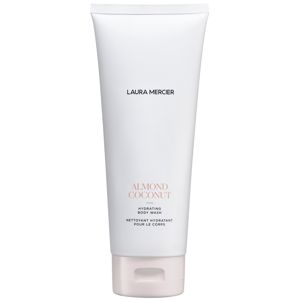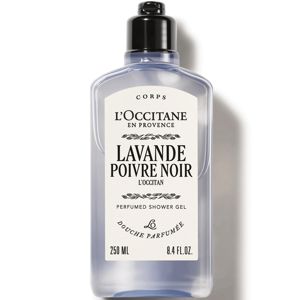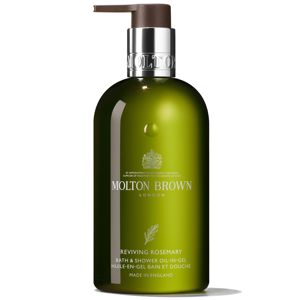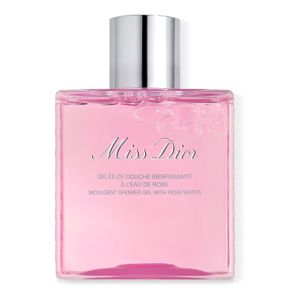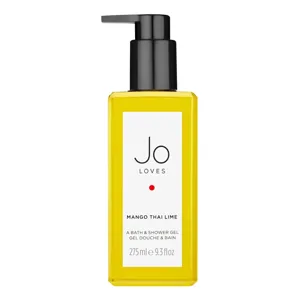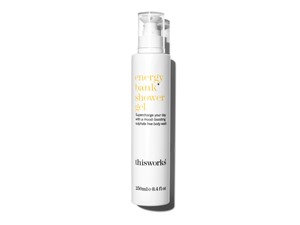
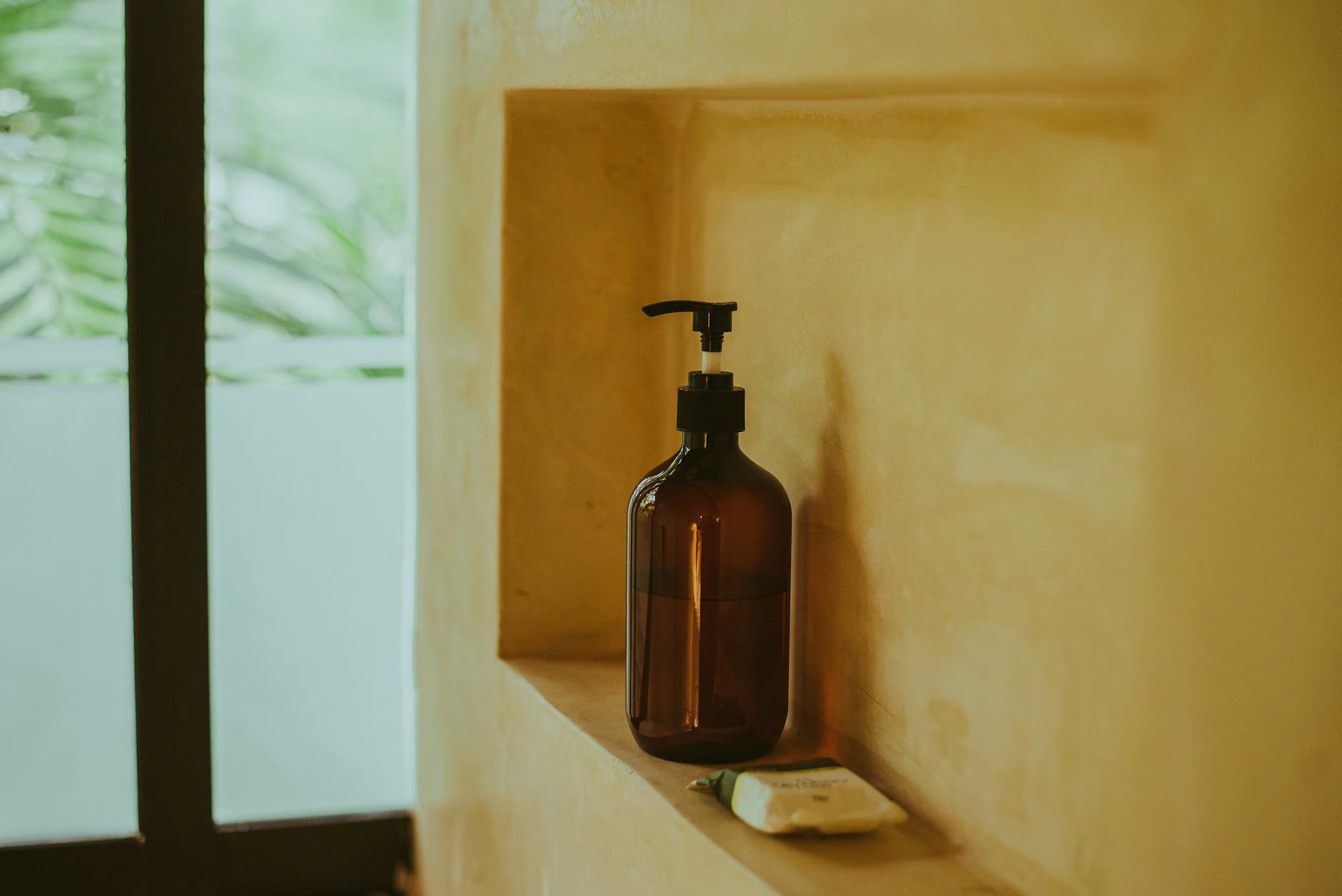
Post-Christmas, our price tracker flags the same pattern every year: bathroom shelves get crowded with jumbo gels and gift-set minis. Bottles then sit half-used well into spring. Many women ask the same thing when they reach for an old favourite months later: does body wash actually expire?
Short answer: yes, most body washes have a shelf life and a period-after-opening window. A bottle won’t go off overnight, but the formula can break down, smell odd, or grow microbes if you push it too far. You can spot the warning signs before your skin does.
Here’s a clear, UK‑specific guide to how long body wash lasts, how to read the PAO symbol, the real signs it’s gone bad, and how to store it so you finish every drop without risking irritation.
What the PAO jar and dates on bottles actually mean
Cosmetic labels carry two different time markers. One talks about unopened shelf life. The other tells you how long to keep it after opening. You need both to make a smart call.
First, the “open jar” icon with a number and M (like 12M or 24M) is the Period After Opening (PAO). It means the brand expects the product to stay stable and safe for that many months once air and water meet the formula. Many body washes show 12M. Some show 24M. We also see shorter PAOs on more natural blends.
Second, you may see a “best before” date if the formula has an unopened shelf life under 30 months. Most mainstream body washes last longer than that while sealed, so they skip a printed expiry and rely on the PAO instead. This aligns with UK and EU cosmetic rules.
One catch: the PAO clock starts the day you first pop the lid. Not the day you bought it. If you open a shower gel, use it twice, then park it at the back of the caddy for a year, it still ages according to that PAO timer. A simple marker pen dot under the bottle with the month you opened it saves guesswork later.
Humidity also matters. UK bathrooms run steamy through damp winters and again in heatwaves. Steam carries microbes and dilutes what’s near the cap. Treat the PAO as a maximum in a cool, dry cabinet. In a busy family shower, your real window often runs shorter.
{{IMAGE:woman bathroom shelf body wash}}Why body wash expires: water, air, and what’s inside the bottle
Body wash is a water-based product. That makes it pleasant to use and easy to rinse. It also means microbes love it. Formula chemists use preservative systems to keep that in check, but every open-and-close adds new variables.
Several factors shorten a bottle’s useful life:
- Water contamination. Shower streams, wet hands, and loofahs drip into the opening. That dilutes preservatives and invites growth at the cap.
- Heat and light. Sun through a window or a shelf above a radiator will age fragrance and surfactants. You’ll notice a flatter scent or a yellowed tint over time.
- Essential oils and “natural” actives. Beautiful to smell, but they can oxidise faster. You may spot clouding or a sharper, off aroma when they turn.
- Packaging design. Pumps reduce backflow from the shower. Wide, flip-top bottles collect more water around the mouth.
- Formula type. Sulphate-free washes often rely on milder systems that foam less and can destabilise with heat or hard water.
Preservatives do the heavy lifting. You’ll often see phenoxyethanol, sodium benzoate, or potassium sorbate on the INCI. They work well for the labelled PAO window. Beyond that, they don’t guarantee safety. A clean routine and smart storage stretch the bottle. They can’t halt time.
Our scan across product pages shows more brands offering refill pouches and jumbo sizes. Great value when you move through gel at pace. Less great if you like to rotate five scents at once. Buy sizes you will finish within the PAO, not just what looks like the best price per millilitre.
Clear signs your body wash has gone bad
You don’t need a lab to judge a tired bottle. The following changes point to a formula past its best. If your bottle shows more than one, retire it.
- Smell shift. The original scent smells sour, waxy, or faint. Citrus and botanical notes dull first. A sharp or plasticky edge suggests oxidation.
- Texture change. The gel thins to a watery run-off or turns ropey and stringy. Thickening can also mean evaporation or a failing stabiliser.
- Separation or clouding. Clear formulas look hazy, or layers separate even after shaking. Pearlescent washes can clump into mica streaks.
- Colour drift. Pink turns to peach. Fresh green looks yellowed. Pigments fade with light and time.
- Lather drop-off. Foam feels flat and weak compared to a fresh bottle of the same line. Surfactants can degrade or get overwhelmed by contamination.
- Residue or film. The rinse leaves a tacky feel. That points to destabilised thickener or oil phase changes.
- Irritation. Skin tingles, itches, or reddens when it never did before. Stop and switch. A compromised preservative system can let microbes bloom.
- Visible growth. Dark specks, fuzzy threads, or a slick ring at the cap signals mould or biofilm. Bin immediately. Do not try to rescue it.
Trust your senses. A healthy gel stays uniform, smells like the label promised, and rinses clean. If you need to rationalise a weird scent, the bottle has told you enough already.
Still not sure? Compare the suspect wash against a new travel mini from the same range. Minis often go on promotion in Boots or Superdrug. The side-by-side smell and lather test gives a fast answer.
Do natural and sulphate‑free washes expire faster?
We see more shoppers switch to sulphate‑free or essential oil‑based blends. They aim for gentler cleansing and softer scents. Those formulas can perform beautifully. They also tend to carry shorter PAO windows and need more care in the shower.
Why? Many natural-leaning gels reduce traditional preservative loads or use alternative systems. They still must meet safety standards, but the margin after opening can narrow. Essential oils can oxidise, which changes scent and increases the risk of irritation once the bottle ages.
Fragrance-free washes help if you react to perfume over time. But “fragrance-free” doesn’t mean “no expiry.” Every water-rich formula will eventually fail. If you stock up on cleaner-leaning options, buy less volume and finish each bottle before starting the next.
Want to browse gentler lines? Our category for Shower Gels & Body Washes includes high-street staples and spa-style options. Add favourites to your wishlist and we’ll ping you when prices drop across Boots, Superdrug, Lookfantastic, Space NK, or Beauty Bay.
As for brand examples, look at spa-inspired blends from ESPA if you enjoy botanicals in a luxurious texture, or everyday cleansers from Garnier and L'Oréal if you prefer straightforward, familiar formulas. The bottle tells you the PAO. Your routine decides how fast that clock ticks.
Pumps, pouches, bars, and busy showers: format matters
Format changes more than the vibe; it changes hygiene. Pumps keep fingers out of the bottle and reduce the drip of shower water into the neck. Family bathrooms with multiple users benefit most from pumps. Fewer microbes enter. Less air gets in.
Flip caps and wide mouths invite backflow and dilution. If you love a classic bottle, don’t park it directly under the spray. Keep it on a higher shelf and close the lid fully after each use. A quick wipe of the opening every week stops build-up.
Refill pouches cut plastic and cost. We rate refills when you transfer into a clean, dry pump. Wash and dry the dispenser fully before every refill. Residual water grows biofilm. Let the parts air-dry overnight before you pour in the new pouch.
Solid bars don’t contain water. They resist microbial growth far better than gels. They still need airflow and a draining dish so they don’t sit in a puddle. If you’ve lost bottles to sour smells in a damp flat, a body bar solves the storage problem.
Travel minis look cute in a caddy. They also expire if you open them and forget them. Rotate minis to the front and finish them first. Our price data shows minis pile up after gift-set season. Use what you have before it loses scent. If you shop for replacements, check fresh deals in our The Body Shop hub for seasonal scents, or scan refills and larger sizes in brands such as ESPA when spa sales land at department stores.
{{IMAGE:woman organising bathroom shelf}}Is it safe to use expired body wash?
Unopened and stored cool, many gels outlast two or three Christmases without drama. They don’t carry a printed expiry because their sealed shelf life exceeds 30 months. But once you open a bottle, the PAO applies. Beyond that window, the risk rises in steamy bathrooms.
Two scenarios play out:
- Sealed and undamaged. If the bottle stayed sealed in a cupboard and smells and looks normal when you open it later, you can patch test it. Try a small amount on the inner arm for a few days. If it passes, use it up within a sensible period and store it outside the shower between uses.
- Opened and aged. A half-used bottle that sat near the shower for a year owes you nothing. If it smells flat or feels thin, bin it. Don’t gamble on a wash-off product if you spot growth or the scent turns. That gamble bumps irritation risk for very little gain.
We see women power through old gels because they feel wasteful. You don’t save money if it leaves you itchy. Futureproof your stash by buying smaller bottles if you like to rotate scents, or by using one open bottle per household member.
If a skin reaction happens after a questionable gel, stop and simplify. Switch to a bland, fragrance-free wash for a week. Then moisturise with a plain body cream while your barrier settles. Our directory of Body Creams covers drugstore to department store options if you need a calm partner product.
Storage and shower habits that extend the life of your gel
Good habits stretch a bottle and reduce waste. They don’t take much effort. Set them once and you’ll avoid a cull of sad, sour gels every spring clean.
- Store spares outside the bathroom. Keep sealed bottles in a cool cupboard, out of direct sun. Heat and steam accelerate ageing.
- Use pumps where possible. A pump limits water ingress and gives consistent doses. Decant thick gels into a clean pump and label the open month on the base.
- Do not add water to the bottle. Water dilutes preservatives. If a formula feels thick, warm the closed bottle under the tap before use rather than thinning it inside.
- Rinse the cap weekly. Wipe away residue. Gunk traps moisture and becomes a microbe buffet.
- Rotate sensibly. Open two scents, not six. Finish one before opening another. Minis belong at the front of the queue.
- Clean your tools. Wash cloths and pouffes weekly. Replace loofahs often. Contaminated tools seed bacteria back into the bottle mouth.
- Mind the heat. Don’t shelf bottles near radiators or sunny windows. Fragrance and colour fade faster with heat and light.
These tweaks suit UK homes, where central heating dries indoor air from October to March, then bathrooms swing back to damp in summer. Keep the bottle away from extreme swings and you’ll get the full life the label promises.
Shopping tip: build a wishlist for your go‑to gels on GlamGeek. We track prices across Boots, Superdrug, Space NK, John Lewis, Cult Beauty, Lookfantastic and Beauty Bay. You’ll see which bottle to open now and which one to hold for a price drop.
How different brands and retailers label shelf life
Most high-street brands handle PAO the same way, but you’ll spot subtle differences. Mainstream gels from Garnier and L'Oréal often land at 12M or 24M. They use robust preservative systems and familiar surfactants. You gain stability and predictable lather.
Bath-and-body specialists such as The Body Shop rotate seasonal scents and refills. Those lines make PAO labelling clear, which helps when you stock up during a promotion. Spa brands like ESPA push botanicals and essential oils. Expect premium textures and scent blends. Expect a shorter practical window once opened if the bathroom runs hot or steamy.
Retailers matter because storage before your bathroom counts. Space NK and department stores keep controlled indoor environments. Discount bins in warm corners of smaller shops can be less kind to fragrance-heavy formulas. Our feed shows faster markdowns on gift sets by late January. If you buy then, store unopened bottles cool and dark until you need them.
Confused by a missing date? Check the PAO and batch code. Many brands can confirm production windows if you email customer service with the batch. We still advise a sniff and look test before you commit product to skin.
When to bin it, and what to buy next
Some bottles need zero debate. If you see mould, threads, or dark specks, bin it. If the smell curdles, bin it. If a wash leaves your skin prickly or red, stop and bin it.
Everything else sits on a scale. If a gel smells a touch weaker but looks and feels normal, finish it within a few weeks and store it outside the shower. If it smells off, or if the texture runs watery and the foam dies, it has expired in practical terms even if the PAO suggests time left.
Ready to restock? Decide what you value most: scent, foam, gentleness, or bottle size. You’ll find simple family-friendly washes at Boots and Superdrug, refined scents at Space NK and department stores, and smart refills online. Use our Shower Gels & Body Washes filters to sort by brand and format, then add picks to your wishlist for price alerts.
If you pair your new gel with a moisturiser, keep the same shelf‑life logic. Open one lotion at a time and mark the month below the bottle. Our listings for Body Creams cover light lotions to rich butters so you can match texture to season without stockpiling more than you’ll use.
What this means for your routine and your budget
Body wash doesn’t sit outside the rules of ageing products. It’s water-rich and often scented. It will change over time. Treat the PAO as your guide, not a dare. Keep only what you will finish in that window. Store spares cool and sealed. Keep open bottles away from the shower spray. You’ll get the foam and scent you paid for, and you’ll avoid irritation.
From a budget angle, buy smart, not just big. Our data shows jumbo bottles give strong value if you go through them within a season. If you hop between four scents, smaller bottles win on real use. Favourites go on promotion in cycles, so add them to your GlamGeek wishlist. We’ll alert you when Boots, Superdrug, Space NK, Lookfantastic, or Beauty Bay drop the price. You can then open a fresh bottle when you finish the current one, not months too soon.
Finally, don’t force yourself through a questionable gel to avoid waste. Retire it and learn from it. Next time, buy a pump, store it better, and write the open month on the base. Your skin will thank you more than your recycling bin ever could.
Have you found a bottle that turned on you faster than the PAO promised? Do you label open dates or stick to scent tests? Tell us what you’ve noticed in your bathroom, and which formats help you finish every last drop without a side of regret.