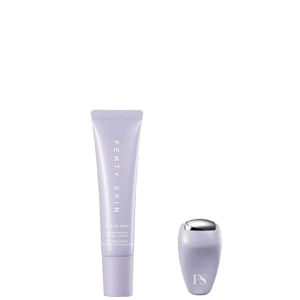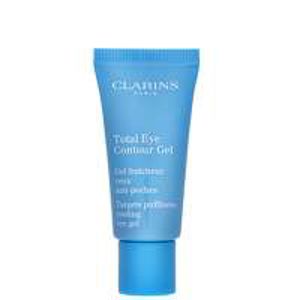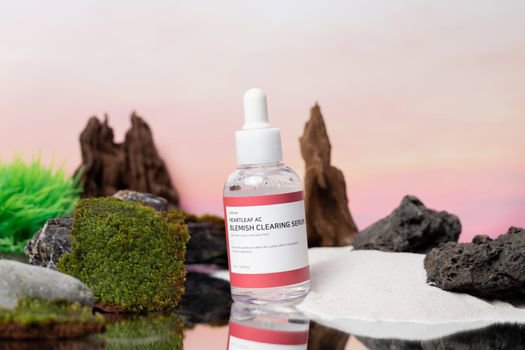
Eye serum vs eye cream comes down to texture and target: eye serums and eye gels use lighter, fast-absorbing formulas to focus on concerns like puffiness, dullness and fine lines, while eye creams usually feel richer and focus on comfort and dryness. If you want quick layering and a weightless finish, choose an eye gel/serum; if you want cushion, choose a cream.
Here’s the catch: plenty of products get labelled “serum”, “gel”, or “cream” based on marketing, not function.
So rather than arguing about names, we look at what your under-eye area needs, what ingredients actually do, and how the formula behaves under make-up in real UK weather (cold winds, damp air, indoor heating).
And yes, you can combine a lighter eye gel/serum with an eye cream.
This guide stays tightly focused on eye gels & serums, because that’s the category where shoppers tend to overpay or buy the wrong texture. Our price tracking across major UK retailers also shows eye gels/serums swing in price more often than many basics, so it pays to choose with intent.
Eye serum vs eye cream: the practical differences that matter
Eye gels and eye serums usually feel lighter than eye creams. They sink in quickly, layer neatly, and tend to suit morning routines where you want your Liquid & Cream Concealers to sit smoothly.
Eye creams usually bring a richer, more occlusive feel. That can help with tightness and dryness, especially from October to March when indoor heating dehydrates skin. But creams can also feel heavy, pill under make-up, or migrate if you apply too much.
With eye gels/serums, you often get a targeted “treatment” vibe: caffeine for puffiness, peptides for the look of lines, brightening ingredients for dullness.
Texture matters more than most people admit.
If you like an immediate cooling sensation, gel formats often deliver it. For example, Patchology Flashpatch Illuminating Eye Gels (from £3.20) sit on the skin and give a quick pick-me-up effect for dull, dark under-eyes. They work well before make-up or before you head out.
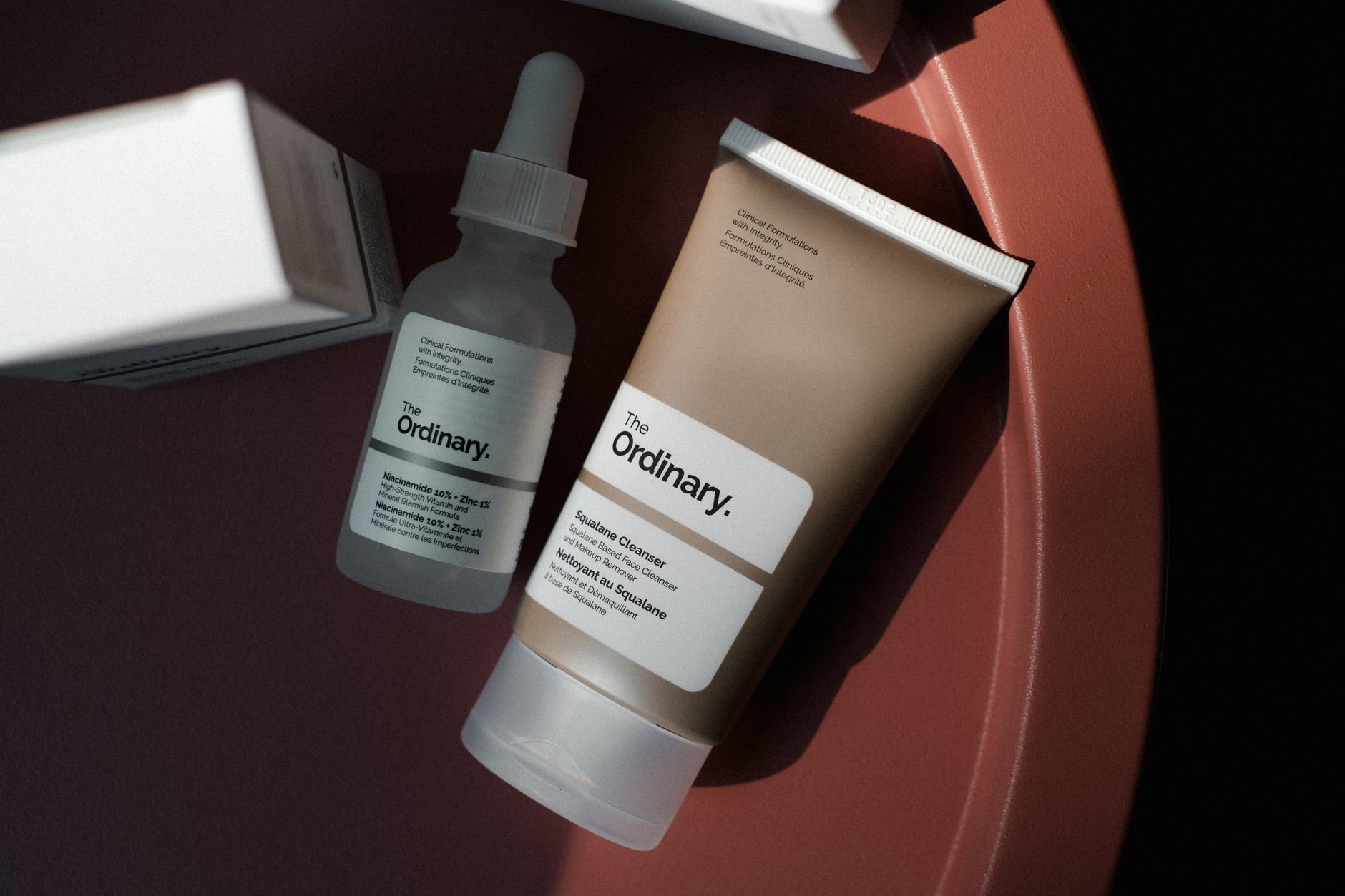
For a lightweight daily serum, look at formulas that spread easily and don’t leave a tacky film. The Ordinary Caffeine Solution 5% + EGCG (from £8.25) fits that brief: it uses a high concentration of caffeine plus EGCG (a green tea derivative) to refresh the appearance of the under-eye area.
Match the product to the problem: puffiness, dark circles, fine lines, dryness
Most shoppers buy “for dark circles” and end up disappointed, because dark circles have different causes. Some come from puffiness casting a shadow. Others come from pigmentation. Others come from thin skin and visible blood vessels.
Eye gels/serums can still help, but you need to pick the right mechanism.
For puffiness, caffeine-based serums can help the eyes look less tired. Two options from our tracked set sit at very different price points: Innisfree Green Tea Caffeine Bright-Eye Serum (from £15.60) targets dry and dull eyes, dark circles and puffiness with a non-sticky finish, while The Ordinary’s caffeine + EGCG serum stays the sharp-value pick if your budget is tight.
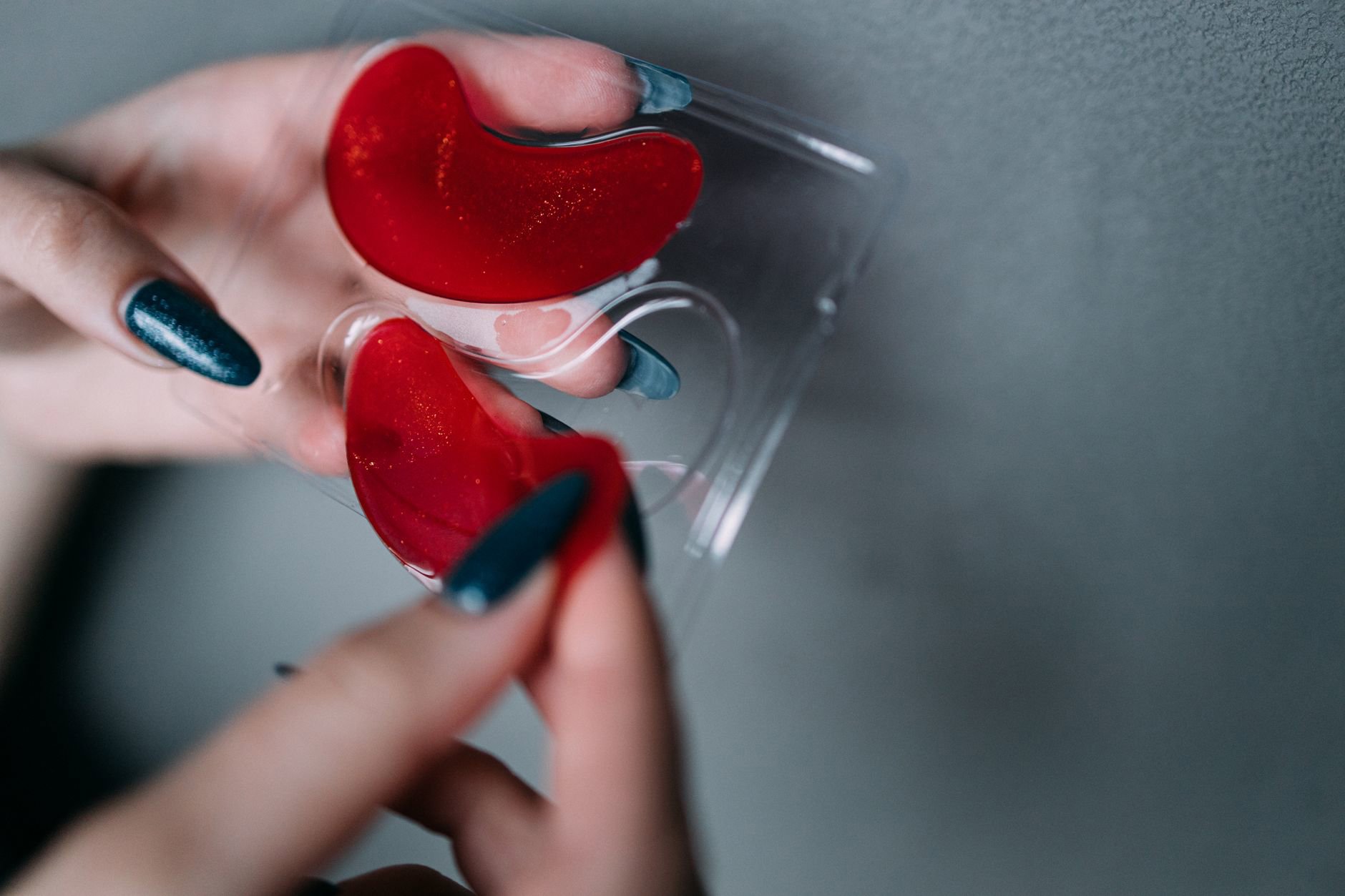
For dullness and “late night” eyes, hydrogel patches help because they actively hold hydration against the skin for a short burst. Patchology’s FlashPatch Illuminating Eye Gels focus on soothing and revitalising, which makes them a sensible pre-event product rather than a daily staple.
For the look of fine lines, peptide-focused formulas can make more sense than “just moisturising”. 111SKIN Space Defence Bright Eye Lift Gel NAC Y2 (from £72.00) uses Argireline, a hexapeptide described as expression-freezing, to weaken the skin’s ability to form expression lines. That’s a specific claim, and it explains the premium positioning.
For dryness, a serum can still work if it leaves a comfortable, flexible finish. Estée Lauder Daywear Eye Cooling Anti-Oxidant Moisture GelCreme (from £20.00) sits between a gel and a cream in feel, and it leans into hydration with a cooling effect. It also includes cucumber extract and the brand’s Super Anti-Oxidant Complex, and it claims to help minimise the look of dark circles.
If you struggle with stress-triggered sensitivity around the eyes, go gentle. Pai System D Schisandra And Ceramide Cooling Eye Serum (from £31.20) targets tired eyes “suffering from stress” and focuses on cooling comfort and calm.
Ingredient signals: what to look for (and what to ignore)
Marketing loves vague promises: “brightening”, “lifting”, “renewing”. We prefer ingredient signals you can map to a visible outcome.
Caffeine tends to show up in products positioned for puffiness and tired-looking eyes. It appears in The Ordinary Caffeine Solution 5% + EGCG and in Innisfree Green Tea Caffeine Bright-Eye Serum. Don’t expect caffeine to erase hereditary pigmentation. Do expect it to suit mornings, especially if your under-eye looks puffy after sleep.
EGCG (a green tea derivative) appears alongside caffeine in The Ordinary serum. That pairing aligns with “refreshing reset” messaging, and it suits shoppers who want a no-fuss formula that dries down quickly.
Peptides show up in several eye gel/serum formats. 111SKIN highlights Argireline, which it describes as an expression-freezing hexapeptide. If your main frustration is fine lines that look deeper by the end of the day, peptide-led gels often feel more purposeful than a generic hydrator.
For a budget peptide option, BEAUTY BAY 4.8% Caffeine + Peptide Eye Treatment (from £3.95) combines 4.8% caffeine with peptides to target the appearance of dark circles and tired eyes. At this price, it’s also a low-risk way to test whether caffeine-based eye products suit you.
Retinol shows up in eye serums positioned for visible smoothing. Murad Retinol Youth Renewal Eye Serum (from £73.10) sits at the premium end, and it fits shoppers who want a treatment-led eye product rather than just comfort.
Soothing oils and overnight positioning appear in some products that straddle treatment and comfort. Kiehl’s Midnight Recovery Eye (from £33.00) contains lavender essential oil and evening primrose oil and targets dark circles and puffiness, with use at night.
Ignore ingredient “noise” that doesn’t connect to your problem. If you want help with puffiness, don’t pay extra for a lash-focused add-on you won’t use. If you want lash help, don’t buy a de-puffing gel and hope for thicker lashes.
Which eye gel/serum to choose by routine and finish (AM vs PM)
Time of day changes everything: what feels great at night can feel too heavy under make-up at 7am.
In the morning, look for fast absorption and minimal residue. The Ordinary Caffeine Solution 5% + EGCG (from £8.25) suits rushed routines. Innisfree Green Tea Caffeine Bright-Eye Serum (from £15.60) adds a milky, refreshing feel with a non-sticky finish, which helps if you dislike that tight, “dry-down” serum sensation.
If you want cooling plus hydration, Estée Lauder Daywear Eye Cooling Anti-Oxidant Moisture GelCreme (from £20.00) aims at that middle ground: gel-creme texture, cooling feel, and a focus on minimising the look of dark circles while soothing fine, dry lines.
Before an event, patches earn their place. Patchology FlashPatch Illuminating Eye Gels (from £3.20) target dullness and dark under-eyes and “deeply soothe and revitalise”. We’d treat them like an on-demand tool, not a daily necessity.
At night, you can tolerate richer textures and stronger actives because you don’t need your base make-up to behave. Kiehl’s Midnight Recovery Eye (from £33.00) positions itself as a night product and targets puffiness and dark circles with a replenishing feel.
If you want a dedicated overnight serum format, L’Occitane Immortelle Overnight Reset Eye Serum (from £59.00) sits firmly in the “night reset” category and uses 100% organic immortelle, based on the brand’s extraction and research story.
Some shoppers also want an applicator-led experience. Lancôme offers Lancôme Advanced Génifique Eye Serum Light-Pearl (from £47.20), described as depuffing and cooling for “wide awake eyes”, with a daily serum approach that also treats the eye area and lashes.
Can you use an eye gel/serum with an eye cream? Yes—here’s how to avoid irritation
You can layer an eye gel/serum under an eye cream when dryness and dehydration drive your fine lines. The serum gives you the targeted actives and slip. The cream adds comfort and reduces tightness.
But irritation happens when shoppers stack too many actives, apply too close to the lash line, or use far too much product.
Use this simple order:
- Apply your eye gel/serum first on clean, dry skin.
- Wait 30–60 seconds until it feels mostly absorbed.
- Then apply a small amount of eye cream on top, staying on the orbital bone.
- In the morning, let everything set before concealer.
Choose the “treatment” layer based on your main issue. For puffiness, start with a caffeine product like The Ordinary Caffeine Solution 5% + EGCG or Innisfree Green Tea Caffeine Bright-Eye Serum. For fine lines, consider a peptide-led gel like 111SKIN Space Defence Bright Eye Lift Gel NAC Y2 (from £72.00).
If you already use a retinol eye product, keep the rest of your routine calm. Murad Retinol Youth Renewal Eye Serum (from £73.10) already sits in the active category. Pairing it with a plain, bland cream usually makes more sense than stacking multiple “treatment” layers.
And if your eye area feels reactive, prioritise comfort first. Pai System D Schisandra And Ceramide Cooling Eye Serum (from £31.20) positions itself around cooling relief and calm for stressed eyes, which makes it a sensible “base layer” under a cream.
Don’t forget the lashes: when an eye serum isn’t just for under-eyes
Some “eye serums” target lashes as well as the under-eye area. That matters, because the application method and expectations change.
If you want fuller-looking lashes, you need a lash-focused serum and consistent use. RapidLash Eyelash Enhancing Serum (from £20.00) positions itself around conditioning and enhancing lashes to look longer and fuller within a few weeks.
For easily irritated skin, uklash Sensitive Eyelash Serum (from £32.49) targets a gentler approach and includes peptides, protein and extracts to promote thicker, fuller lashes while helping against lash loss.
If you want a multi-tasker, NARS Light Reflecting Eye & Lash Gel (from £37.45) aims to treat under-eyes and lashes in one step. It brightens dark shadows and promotes fuller lashes, with a fast-absorbing gel texture.
These products still sit in the eye gel/serum world, but treat them as “precision” items. Don’t smear them all over the under-eye like a general hydrator. Follow the intended placement so you don’t trigger watering or sensitivity.
Price and value in the UK: where to spend, where to save
Eye care pricing gets weird fast. Our tracker regularly shows big spreads between entry-level caffeine serums and premium peptide or retinol eye serums, even though you only use a rice-grain amount per application.
Saving makes sense when your concern responds to common, well-understood ingredients. If you mainly want a morning “de-puff” look, The Ordinary Caffeine Solution 5% + EGCG (from £8.25) and BEAUTY BAY 4.8% Caffeine + Peptide Eye Treatment (from £3.95) cover the basics at low cost.
Spending more can make sense when you want a very specific claim or format. 111SKIN’s Argireline-led positioning and Murad’s retinol eye serum sit in the targeted-treatment bucket, and you pay for that focus. Likewise, Estée Lauder’s gel-creme format gives a particular cooling, hydrated finish at £20.00, which appeals if dryness drives your under-eye makeup issues.
For “instant” results, patches can feel worth it because they deliver a visible, short-term smoothing effect through occlusion and hydration. Patchology FlashPatch Illuminating Eye Gels start at £3.20, so you can buy them as-needed rather than committing to a premium jar.
Where to shop in the UK depends on the brand: you often see these products through retailers like Boots, Space NK, Cult Beauty, Lookfantastic, and John Lewis. If you already shop by brand, browse our brand hubs such as Estée Lauder and Clinique for price comparisons and stockists, then check the specific product listings for live prices.
One more value tip: don’t confuse “eye gel/serum” spend with the rest of skin care. If your routine already includes strong actives elsewhere (think Anti Ageing Face Serums), your eye product often needs to do less, not more.
Practical tips you can use today (without buying anything new)
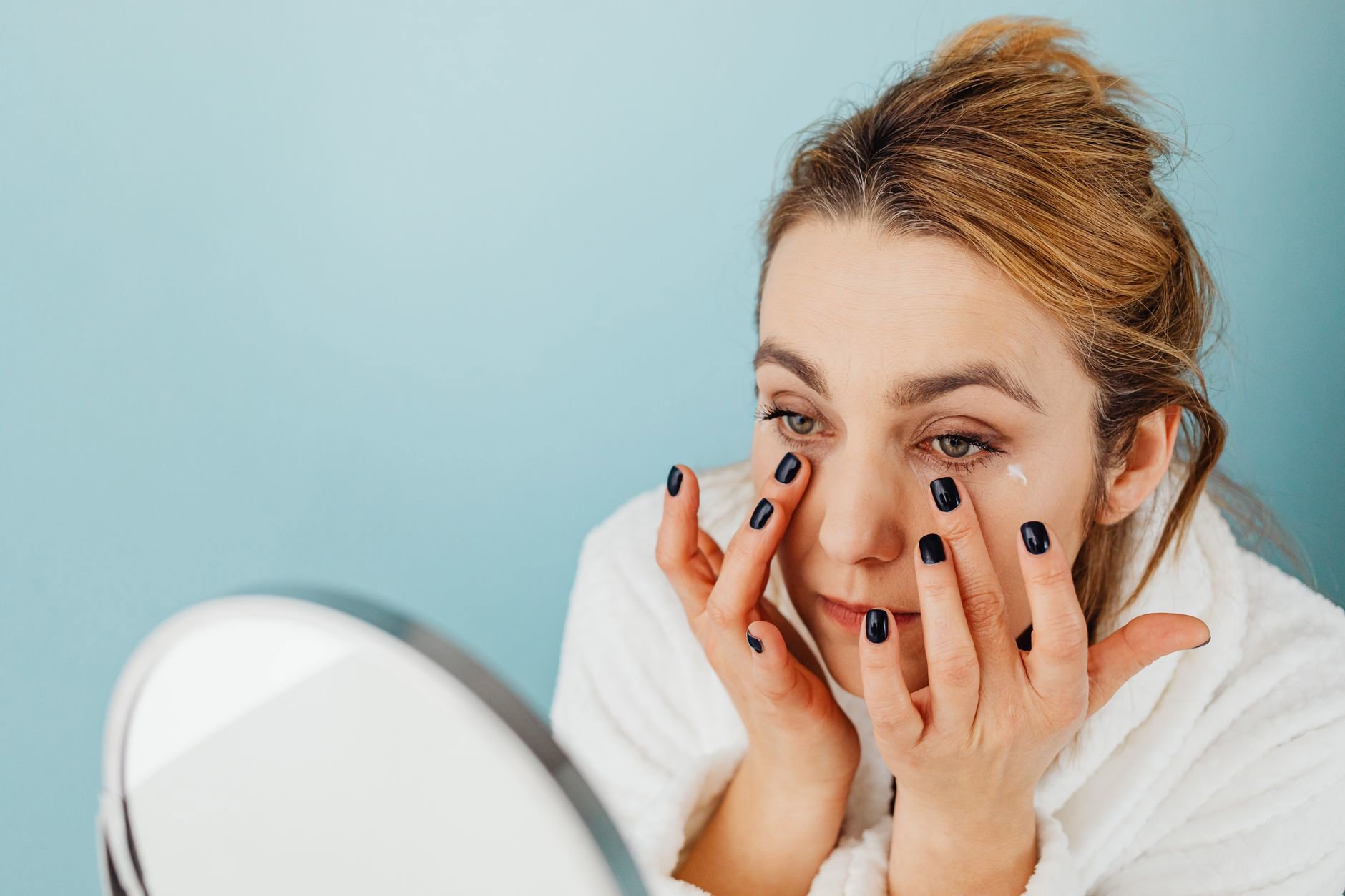
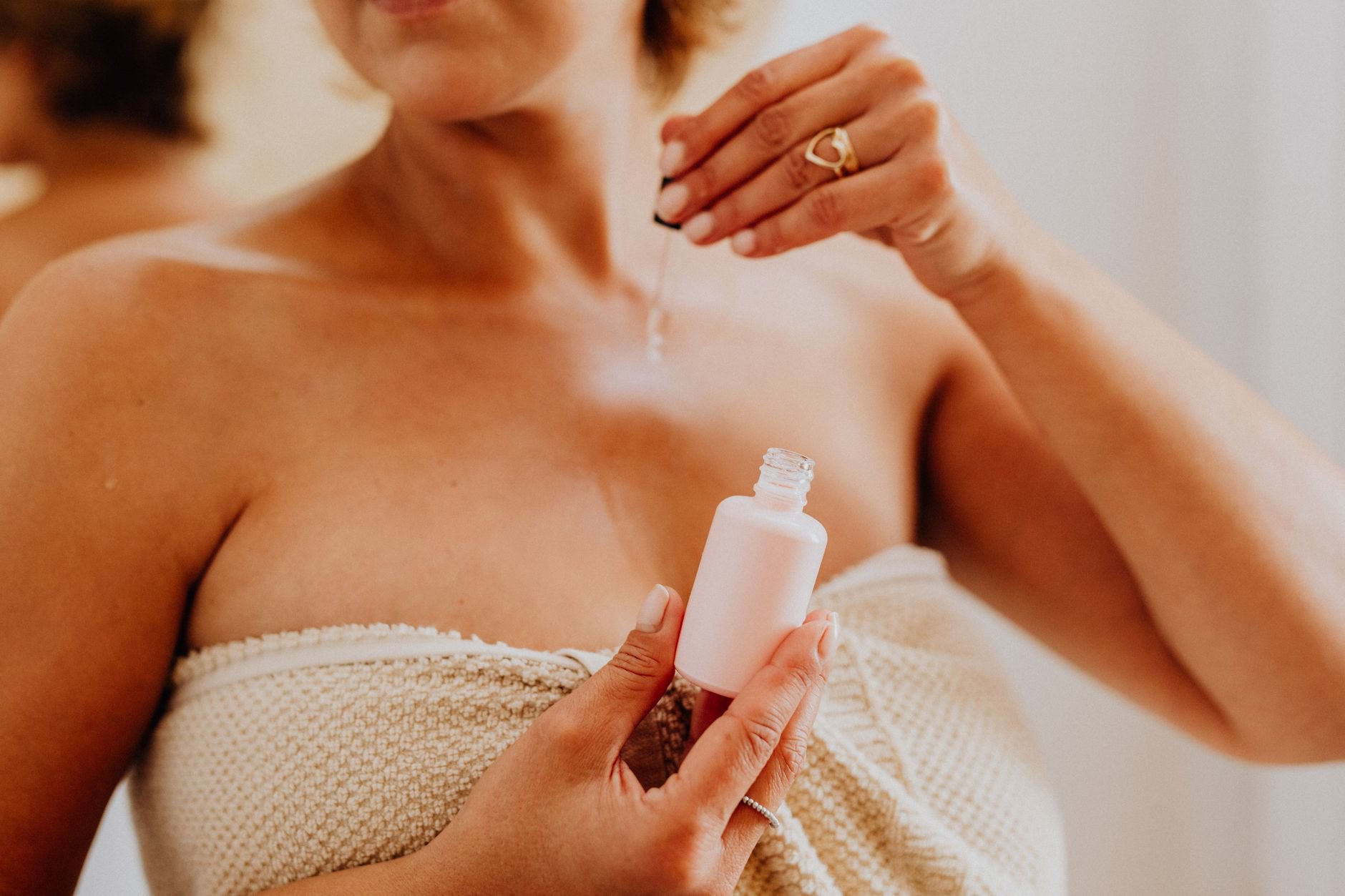
Use less product than you think. For most eye gels/serums, a grain-of-rice amount per eye works. Too much product travels, hits the lash line, and triggers watering.
Apply with your ring finger and press, don’t rub. Pressing reduces tugging on delicate skin and helps the product sit where you put it. Keep placement on the orbital bone, then let it naturally spread with warmth.
For puffiness days, keep your eye gel/serum in a cool place. The cooling sensation can make your eyes look more awake, especially with products described as cooling, like Estée Lauder Daywear Eye Cooling Anti-Oxidant Moisture GelCreme and Lancôme Advanced Génifique Eye Serum Light-Pearl.
If you mix lash and under-eye products in the same routine, separate the steps. Apply lash serum precisely first (RapidLash Eyelash Enhancing Serum or uklash Sensitive Eyelash Serum). Then do your under-eye serum/gel. That reduces migration and irritation risk.
Eye Serum vs Eye Cream FAQ
Is an eye serum better than an eye cream?
An eye serum or eye gel often suits daytime use because it feels lighter and absorbs quickly, so it layers well under concealer. An eye cream usually suits very dry under-eyes because it feels richer and more cushioning. The “better” option depends on whether you prioritise treatment and layering (serum/gel) or comfort (cream).
Can you use eye serum and eye cream together?
Yes. Apply the eye serum or gel first on clean skin, wait until it mostly absorbs, then apply a small amount of eye cream on top to seal in comfort. Keep both products on the orbital bone rather than right up to the lash line. Using too much product causes pilling and can trigger watering.
What eye serum ingredient helps with puffiness?
Caffeine commonly targets puffiness and tired-looking under-eyes. Examples include The Ordinary Caffeine Solution 5% + EGCG and Innisfree Green Tea Caffeine Bright-Eye Serum, which both position caffeine as a key active. Puffiness can also come from sleep, salt, and allergies, so results vary by cause.
What should you use for dark circles: eye serum or eye cream?
Dark circles have multiple causes, so neither texture guarantees results. If circles come from puffiness casting shadows, a caffeine eye serum can help the eyes look less tired. If circles relate to dryness and creasing that makes the area look darker, pairing an eye gel/serum with a cream can improve comfort and make concealer sit better.
How close to the eye should you apply an eye gel or serum?
Apply eye gels and serums along the orbital bone using a small amount, then let the product spread naturally. Avoid applying right on the lash line or into the inner corner, because migration often causes stinging or watery eyes. Lash-specific serums should follow their own precise placement instructions.