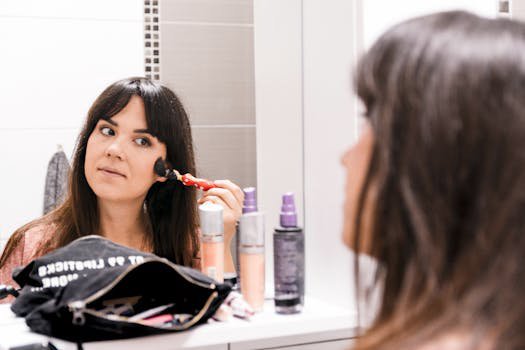
Refillable perfumes used to sit at the niche end of the counter. Our price tracker now shows refill SKUs cropping up across mainstream launches and holding their own on discount days. When refills go on promotion, the cost-per-spray can beat standard bottles by a wide margin.
Brands also talk a lot more about glass weight, recycled cartons, and upcycled notes. Some of it reads like theatre. Some of it cuts real waste. The trick in 2026 is telling the difference before you tap add to basket.
This is a pragmatic guide to eco perfume and packaging, grounded in what we see across Boots, Superdrug, Space NK, John Lewis, Cult Beauty, Lookfantastic and Beauty Bay. We rate what works, flag what is fluff, and share where the pricing trends sit this year.
Context: why perfume sustainability looks different in 2026
EU and UK cosmetics rules banned animal testing for finished products years ago, with the EU ban taking effect in 2013. The UK mirrors those protections under retained law. Fragrance sits within those cosmetics rules, which matters when you weigh cruelty-free claims on a new bottle.
Packaging pressure has grown since 2022, when the UK introduced a plastic packaging tax and pushed brands to use recycled content. Glass carries a lower tax burden, but heavy bottles ship more weight and burn more fuel. The direction of travel in 2026 is lighter glass, simpler caps, and refill systems that avoid new atomisers with every purchase.
The raw material story has shifted as well. Several makers now use sugarcane or beet-derived ethanol. One major fragrance group partnered with a carbon recycling company to source ethanol made from captured industrial emissions, rolling it into select launches from 2022 onward. Upcycled aroma materials, like citrus from food waste or biotech patchouli notes, have moved from press release to production lines.
On pricing, we see three steady patterns across our feed. First, refillable families run frequent bundle or refill promos around gifting seasons. Second, lighter bottles often list at the same RRP as heavy glass, so don’t map weight to value. Third, online-exclusive refills can sell out faster than standard bottles during big sales. If you want one, use a wishlist and alerts.
{{IMAGE:eco perfume refill woman}}
What makes a perfume “eco” in 2026?
There is no single eco label that covers every part of a fragrance. You face four moving parts: the juice, the bottle, the outer box, and how you top up.
The juice includes ethanol and aroma materials. Ethanol can come from fossil routes or from plant fermentation. Some suppliers now make it from captured industrial carbon, which tackles a different part of the footprint. Aroma materials can come from naturals, synthetics, or biotech. Upcycled ingredients use waste streams like citrus peels or sawdust. None of these choices guarantee a cleaner scent or longer wear. They change sourcing and, sometimes, carbon totals.
The bottle matters because glass weight drives shipping emissions. Many brands have shaved millimetres off glass thickness without changing the silhouette. A lighter bottle ships better and breaks less. Caps and collars cause more trouble. Mixed metal and plastic components clog recycling streams. Simpler caps help. Metal-free pumps help more, but they remain rare.
Refillability is the big swing factor. A well-designed system reuses the atomiser and core glass and only swaps the juice. That avoids the trickiest part to recycle: the pump. If the brand also sells larger refill pouches or canisters, you cut packaging per millilitre and trim your spend. Our data shows refill SKUs track lower price-per-ml during promotions than like-for-like bottles.
Smart shoppers look for three lines on a product page: refillable, recycled content on carton, and source of alcohol. You will not always find all three. Two out of three still beats a trophy bottle that lives in a gift box after week one.
Refills and reusables: who is doing it well
Refills are no longer a niche quirk. They sit under mainstream lights now. Lancôme’s Idôle family built a refilling culture with counter stations and home refills. That model makes sense: keep your atomiser, keep your bottle, buy the juice. If you shop Idôle, check our Lancôme brand page and add the refill to your wishlist. You will get a ping when the price dips at Boots or Lookfantastic.
Guerlain offers refills and bottle personalisation at its boutiques for the Bee Bottle, and the Aqua Allegoria line moved to lighter, partially recycled glass with refill formats. The luxury execution costs more upfront, but the refill route helps over the long run. We often see refills for Aqua Allegoria appear across John Lewis and Space NK during seasonal events. The price-per-ml math lands in your favour.
Several other houses use at-home refill canisters that lock to your bottle. Armani My Way and Prada Paradoxe are early examples, though check availability across UK retailers before you bank on it. Refill pouches cut packaging but raise questions about plastic films. Rigid canisters recycle more easily but use more material. We rate rigid canisters slightly higher for UK kerbside reality.
The weak spot: atomisers. Most pumps mix metal springs with plastic. Councils rarely accept them. A refill that avoids a new pump every time still saves waste. If you see a design with a removable, mono-material pump, that is gold. Snap it off, rinse the bottle, and recycle the glass. We expect more of this in 2026 launches as brands refine parts for end-of-life.
The ethanol question: plant-based and recycled carbon
Perfumery relies on ethanol. It dilutes oils, carries the scent, and helps it project. The historic route uses petrochemical or agricultural sources. Brands now talk about two alternatives that shape the footprint more directly.
Plant-based ethanol from sugarcane or beet dominates the eco story. It uses fermentation and distillation, then denaturation to meet cosmetics rules. If the farm feedstock comes from certified sources and efficient distilleries, the footprint can undercut fossil routes. The downside: land use and transport miles if the plant grows far from the bottle line.
Recycled carbon ethanol looks different. One supplier captures industrial emissions, converts them to ethanol, and sells it into fragrance. A major global perfume group started blending this source into select launches from 2022. It does not fix every impact in a bottle. It tackles one chunky piece with a clear science story. You cannot smell the difference. Ethanol grades match spec regardless of origin.
So how do you shop this in 2026? Scan brand pages and retailer copy for ethanol source claims. Some labels say “alcohol from renewable sources.” Others state “recycled carbon ethanol” outright. If the page is silent, assume standard sourcing. If you want to back brands pushing this frontier, check groups with public R&D on materials, such as L'Oréal for its portfolio houses or players working with biotech aroma firms. Then watch how the pricing compares across our feed. We often see parity with standard juice, which removes the price penalty excuse.
Cruelty-free claims decoded for fragrance shoppers
“Cruelty-free” still confuses shoppers in the perfume aisle. Here is the clean version for the UK in 2026. UK and EU cosmetics rules ban animal testing of finished cosmetic products, including perfume. They also ban animal-tested ingredients when alternatives exist for cosmetic safety.
Certifications like Leaping Bunny or PETA’s programme audit company policies and supply chains. They add extra assurance that a brand does not commission testing for cosmetics in other markets. This matters if a company sells in regions where authorities historically required tests. China changed its rules in 2021 for many imported general cosmetics, removing routine pre-market animal tests if paperwork and certifications line up. Risks remain for a few product types, and authorities can order post-market tests. That is why some brands still avoid that market or publish careful statements.
What does cruelty-free buy you with fragrance? It tells you the company has built systems to avoid animal testing across its cosmetics business and supply chain. It does not replace IFRA standards, quality testing, or allergen labelling. It does not tell you anything about sourcing of musk, amber or leather notes. Those usually come from synthetics now, not animal by-products.
If cruelty-free status sits high on your list, shop houses that publish clear policies and carry recognised seals. You will find options across the high street and department stores. The Body Shop set a baseline for policy-led cruelty-free retail and continues to push refill culture storewide, even if most fragrance mists do not refill yet. Browse The Body Shop brand page on GlamGeek to check what lines fit your stance, then set price alerts before promo weekends.
Packaging that actually recycles: glass, pumps and cartons
Perfume packaging looks simple and proves tricky. Glass bottles usually recycle at kerbside. Rinse them, remove the cap, and check your council rules. Dark or lacquered glass can cause issues at some plants, but most UK streams handle it.
Pumps and collars are the headache. They mix metals, plastics and glues. Councils rarely accept them. If your brand designed a removable mono-material pump, take it off and follow local guidance for that material. If not, remove what you can and recycle the glass bottle. Keep caps out unless the brand confirms the polymer and local schemes accept it.
Cartons are the easy win. Most outer boxes use recycled board and skip plastic windows now. Look for FSC or recycled content logos and avoid boxes with magnets or foam cradles. Those slow recycling. We also rate lighter boxes that skip paper inserts. A QR code does the job with less fibre.
Weight counts. Some trophy bottles still weigh like paperweights. They look chic and cost the planet in shipping emissions. We have seen new launches shave 20–40% off glass weight without a style downgrade. When you compare two scents you love, pick the one that does not double as a dumbbell. Your shelf and bin both win.
{{IMAGE:perfume bottle recycling glass woman}}
Naturals, synthetics and upcycled notes: what to look for
Natural does not always mean low impact in perfume. Some naturals need heavy irrigation, land, solvents or long transport. Sandalwood and oud suffer from overharvesting risks. Citrus oils smell radiant but oxidise faster, which can shorten a bottle’s shelf life if you leave it on a sunny dresser.
Synthetics plug crucial gaps. Modern musk, amber and leather notes do not come from animals. Biotech routes create materials like a patchouli-style note made by fermentation rather than farming. Upcycled materials reuse waste streams from food or timber. Think citrus peels, sawdust or spent rose petals. They reduce waste and can carry a softer resource footprint.
How can you shop this without a chemistry degree? Scan for “upcycled ingredient” claims and supplier partnerships in launch copy. Houses often name them with pride. Look for longevity claims backed by concentration or fixative tech rather than marketing fluff. A balanced, well-formulated Eau de Parfum Perfume often needs fewer sprays than a light mist. That reduces use-phase impact across months.
We also suggest looking beyond the bottle. Many scents come with matching body lotions or creams that help scent last longer. Layering means fewer top-ups. If you prefer a lighter scent, pick an Eau de Toilette Perfume concentration and commit to a refill design if available. You still cut packaging waste over time.
Longevity, concentration and waste: buy once, spray less
Waste hides in the everyday habit. If you need eight sprays to smell your perfume after an hour, you burn through bottles and cash. Smarter buys balance concentration, fixatives and your wear style.
EDP formats usually carry more oils than EDT. That is not a rule for power in every case, but it helps. Look at the formula story. Does the brand explain longer-wearing molecules or encapsulation tech? Classical houses like Estée Lauder and Clinique built icons that hold all day because of structure and balance, not heavy doses of naturals. A bottle that lasts six months, not three, halves the churn.
Atomiser quality matters too. A fine mist spreads evenly and uses less per spray. Some refillable systems keep the original sprayer for years. That beats replacing a leaky pump with each flanker launch. If you must decant for travel, use a glass atomiser with a metal sleeve and refill it from your main bottle to avoid mini plastic waste.
Storage saves money and impact. Keep bottles cool, shaded and sealed. Oxygen, heat and light degrade top notes. A scent that turns early heads for the bin. That is waste you control at home in a country with central heating running half the year. A cupboard beats a sunny shelf through winter and summer spikes.
Where the smart money goes: UK retailers and price patterns
Our feed tracks prices across Boots, Superdrug, Space NK, John Lewis, Cult Beauty, Lookfantastic and Beauty Bay. We see nuanced patterns for eco-forward perfumes and refills.
Boots and Superdrug push regular points events and bundle deals. Refill SKUs sometimes sit outside basic 3-for-2 mechanics, but they reappear in targeted promos. Sign in to view member pricing and stack your offers. Space NK and Cult Beauty tend to run sitewide codes that include niche and refill lines. John Lewis prices hold steady until a price match wave hits. Lookfantastic runs frequent codes that nudge refills below equivalent bottles for a few days at a time.
Two practical moves save cash. First, use GlamGeek’s price comparison on each scent you shortlist. We have seen the same refill canister sold by two retailers at noticeably different prices on the same day. Second, add your pick to a wishlist. We send an alert when a retailer blinks and the price drops. It beats refreshing six tabs across a workday.
If you shop sets, check content carefully. Some fragrance sets include a refill canister alongside a core bottle. Others stick to minis and a lotion. Sets can still be smart if you plan to use the body product to extend wear. If you only want the juice, a standalone refill will often beat a set on cost-per-ml.
Brand snapshots: who to watch in 2026
We track broad shifts rather than play favourites, but patterns stand out. Guerlain continues to refine lighter bottles and refill routes on key lines while keeping craft at the fore. Lancôme pushes refills on Idôle and has extended the logic across other pillars. L'Oréal as a group invests in material science, from bio-based alcohols to lighter glass and box design. We expect those gains to filter across portfolios this year.
The Body Shop keeps refill culture alive on the high street with stations for bath and hair. That mindset helps even if most mists still use standard pumps. We also watch houses linked to biotech aroma suppliers for upcycled and fermentation-derived notes. Expect more “from waste to wear” stories in 2026 product copy.
Luxury no longer guarantees heavy glass. Some of the best launches this year feel premium in the hand without doubling shipping weight. We applaud that. If a brand leans back into trophy-weight glass as a status play, we mark it down. Design can signal luxury through form and finish, not mass.
For shoppers building a shortlist, park the branding for five minutes and compare the facts: refill status, bottle weight cues, ethanol source, and packaging claims. Then use our price tracker to see where the value lands across Boots, John Lewis and Space NK. That mix beats impulse at a single till.
How to recycle or repurpose what you already own
You can tidy up last year’s buys without a guilt spike. First, use up opened bottles. That sounds obvious, but half-used flankers lurk in drawers. Layer a lotion to improve wear and finish the juice. If you cannot stand the scent, decant into a bathroom spray bottle for linens far from pets and kids.
When a bottle runs dry, remove the cap and, if possible, the pump. Rinse the glass and place it in household recycling if your council accepts that format. Keep metal collars and mixed-material pumps out unless your local guidance says otherwise. Boxboard goes in the paper stream if clean and free of magnets or foam.
Some counters accept returns for points or disposal, but schemes change fast. Ask before you lug a bag to town. If a pump refuses to budge, look for a brand with an easier-to-disassemble design next time. Over time, your bin will shrink.
Repurposing works too. A clean, logo-free bottle makes a neat bud vase. A travel atomiser refilled from a main bottle reduces mini waste. Keep a tiny funnel and pipette in your drawer and you will never buy another plastic mini spray again.
What this means for your 2026 perfume habits
Three swaps make the biggest dent. Pick refillable formats for scents you wear often. Choose lighter bottles with simple caps when you try new launches. Back brands that publish ethanol source and packaging details rather than mood statements.
Put price tools to work. Compare refill costs per millilitre against standard bottles across Boots, Superdrug, John Lewis and Space NK. Add your favourites to a GlamGeek wishlist and catch the next promo wave. Check both Eau de Parfum Perfumes and Eau de Toilette Perfumes when families span both. The best value sometimes hides in the concentration you did not plan to buy.
Finally, think durability. A balanced, well-formulated scent with an efficient atomiser uses fewer sprays and avoids churn. Storage matters in our damp winters and heated homes. Keep bottles cool and shaded, and you will finish them as intended rather than bin them early.
Tell us how you shop smarter
Which refill system actually fits your routine, and which felt like a faff? Have you spotted a lighter bottle that still looks premium? Share your best eco fragrance buys with us, then add your next target to a GlamGeek wishlist. We track prices across Boots, Superdrug, Space NK, John Lewis, Cult Beauty, Lookfantastic and Beauty Bay so you do not have to.