Japanese skincare keeps popping up in UK beauty coverage this year, and not as a niche “import” story. It now sits next to French pharmacy staples and K-beauty on the same shopping lists.
That matters because Japanese skincare tends to sell a very specific promise: high comfort, high tolerance, and daily-use formulas that do not ask your skin to “push through” irritation.
We also see a UK shopping shift in our merchant feed. More women price-compare “barrier-first” moisturisers, gentle brightening serums, and sunscreen layers instead of chasing the newest high-strength active.
Why Japanese skincare is gaining ground after K-beauty
One headline captured the moment neatly: “After the K-Beauty Boom, Japanese Skincare Is Emerging As A Major Player” (Marie Claire UK, April 2026). We agree with the direction, even if the hype cycle rarely explains how to buy the category well in Britain.
J-beauty’s mainstream pull usually comes down to three things: texture, tolerance, and repeat purchase habits. Japanese brands often design products for frequent use, seasonal switching, and layering without sting. That fits UK skin reality, where indoor heating can dry the face from October to March, and where a sudden warm week can make richer creams feel too much.
It also aligns with the “skin longevity” framing that cropped up across early-2026 trend coverage. The subtext: fewer dramatic resets, more consistent maintenance. That means daily sunscreen, gentle cleansing, and moisturising that supports the barrier rather than constantly challenging it.
In our view, the strongest reason to take J-beauty seriously is not novelty. It’s the category’s focus on reducing friction in a routine. If a routine feels easy, women stick to it, and skin tends to look better on consistency alone.
UK buying rules for J-beauty (to avoid overpaying)
Japanese skincare has a pricing trap in the UK: the same product can swing a lot depending on import channel, retailer discount cadence, and whether you accidentally bought a “mini” size.
Our first rule: treat any “viral” J-beauty item like a commodity. Price-check across retailers before you commit, especially if you already shop Boots, Superdrug, Space NK, John Lewis, Cult Beauty, or Lookfantastic for the rest of your routine. When you cannot find the exact item via those mainstream routes, compare with a reputable marketplace that discloses seller and shipping properly.
Our second rule: do not pay luxury money for basic hydration. If what you want is a daily moisturiser layer, you can often get that effect from well-priced UK staples in the Day Face Moisturisers category. This matters because Japanese “lotions” (their watery hydrating layers) can look like a premium step, but the function often overlaps with what many women already own.
Our third rule: buy one hero at a time. J-beauty routines can include cleanser, lotion, emulsion, cream, sunscreen, and targeted serum. That reads beautifully on a shelf. It also creates confusion when something breaks you out. Build slowly.
For women who want a cheap, low-risk add-on while you explore new brands, our price tracker currently flags a strong UK-value pick: NO7 Good Intent Skin Sip Moisture Milk at £12.71 at No7 Beauty (rated 5.0/5 in our feed). It is not Japanese, but it delivers the “light hydration layer” role many shoppers chase in J-beauty.
What to look for in J-beauty formulas (and what it actually does)
Most Japanese skincare wins on sensible formulation rather than extreme actives. That makes ingredient literacy your advantage as a shopper.
Hydrators often lead the story. You will see glycerin, hyaluronic acid, and sometimes amino acids. These pull water into the upper layers and make skin feel more elastic. In a damp UK winter, hydrators can still dehydrate you if you skip an occlusive layer, because indoor heating dries air and increases water loss from skin.
Barrier supporters also show up frequently. Look for ceramides, cholesterol, and fatty acids (or formulas that behave like them). These help reduce tightness and flaking, which many women notice most when weather flips or when they overdo exfoliation.
Brightening in Japanese skincare often sits in the “steady and gentle” lane. Instead of relying only on strong acids, brands may use vitamin C derivatives, arbutin, or licorice-related ingredients. The practical benefit: fewer stop-start routines. The trade-off: you need patience and consistent sunscreen.
If you want to shop this category by function rather than country of origin, our browse pages for Anti Ageing Face Serums and Night Face Moisturisers make it easier to compare textures and actives side-by-side.
Routine building: a UK-friendly “J-beauty inspired” structure
We rate Japanese skincare most when it simplifies your day-to-day. So here’s a structure that mirrors the logic without forcing a 10-step routine.
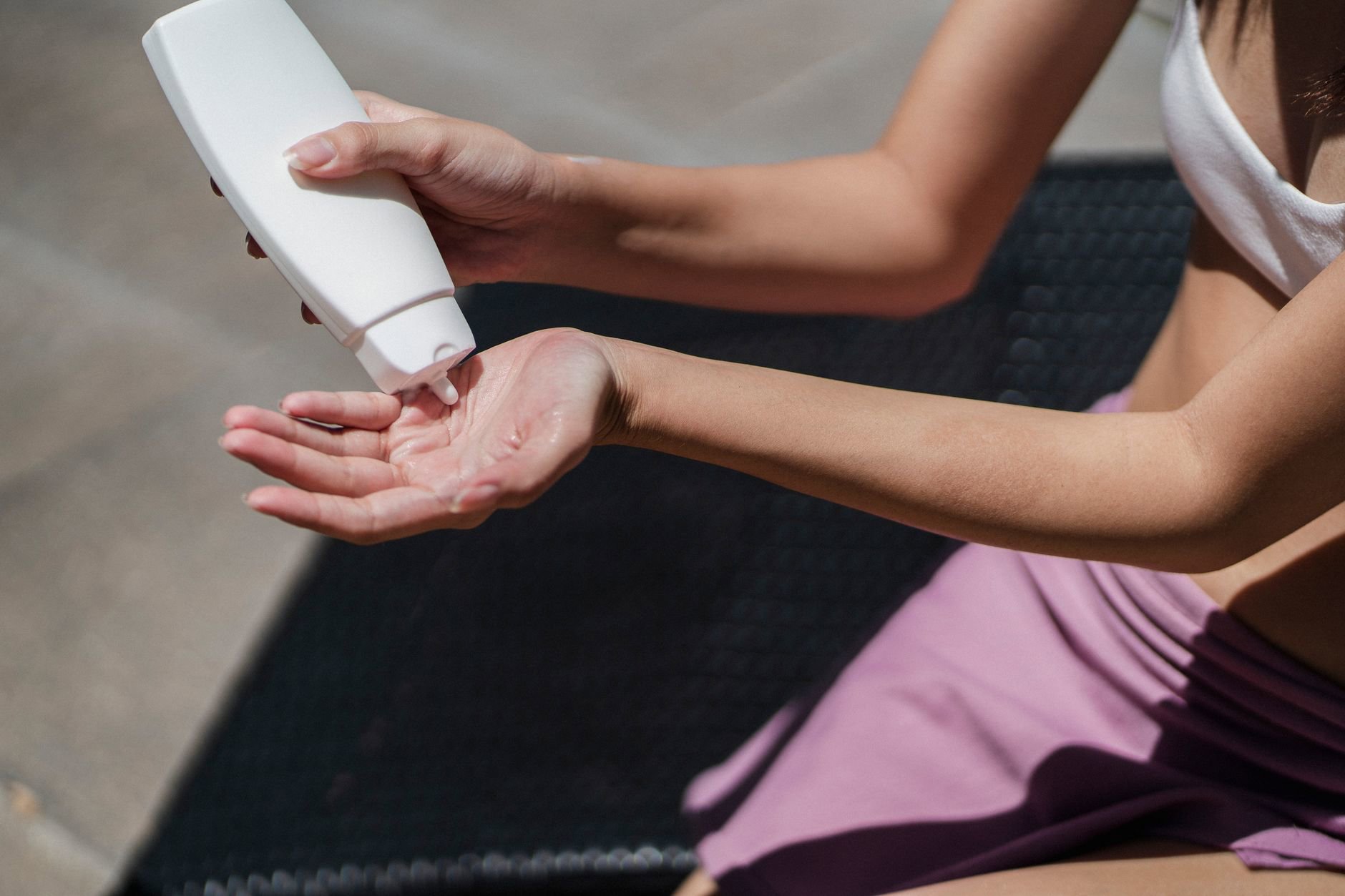
Morning: cleanse lightly (or just rinse), add one hydrating layer, then moisturiser if needed, then sunscreen. The sunscreen step matters more than any “brightening” active you add. If you want a practical, low-cost SPF that fits under makeup, our tracker shows NO7 Good Intent Glow Guard Spf30 at £6.76 at No7 Beauty (rated 5.0/5). That price also makes re-buying less painful.
Night: cleanse properly, then choose either a hydration-first night or an active night. Most women do better with fewer active nights than they think, especially if they also use retinoids or exfoliating toners.
For hydration nights, you want comfort and slip. This is where Japanese-style emulsions and creams shine. If you prefer a “water cream” finish rather than a thick cream, NO7 Good Intent Dew Bank Water Cream sits at £12.71 at No7 Beauty with a 5.0/5 rating in our feed. Again, not Japanese, but it fits the same use-case when you want that buoyant, non-greasy feel.
For active nights, keep the rest of your routine boring. If you use a brightening serum, pair it with a plain moisturiser and skip extra exfoliation.
Where the UK market is heading: affordable prestige and “quiet luxury” skin
Several trend pieces this year circle the same idea: shoppers want better performance without the price shock. You can see it in haircare (“affordable prestige”) and you can see it in skincare too.
Our pricing data backs the “two-track” market. Some women trade up into statement skincare when it hits a rare low, while others buy reliable high-street basics and spend on one or two targeted steps.
If you shop the top end, this week’s 12-month lows include 111SKIN Celestial Black Diamond Cream at £148.00 at Lookfantastic and Clé de Peau Beauté La Crème at £295.00 at Lookfantastic. Those are clearly not casual purchases. The only rational way to buy them in the UK involves waiting for lows and checking stockists you already trust.
We also see value in sets when the discount hits. Guerlain Abeille Royale Serum Set sits at a 12-month low of £69.30 at Sephora in our feed. If you already like Guerlain, sets can lower your cost per use, and they suit a “skin longevity” approach better than impulse single items.
This is where J-beauty benefits indirectly. Even if you do not buy Japanese brands, the trend pushes UK shoppers towards calmer routines and smarter purchasing patterns.
Smart add-ons: tools, eyes, lips, and the bits you actually re-buy
Japanese skincare talk often focuses on facial layers, but most women’s repeat purchases sit in the “supporting cast”: eye patches, lip treatment, and tools that make products apply better.
Our tracker shows a cluster of restocks that fit that reality. Patchology Flashpatch Rejuvenating Eye Gels returned at Cult Beauty at £3.20, and Patchology Flashpatch Restoring Night Eye Gels returned at £4.00. These make sense when you want a quick de-puff look before makeup, not as a long-term “fix”.
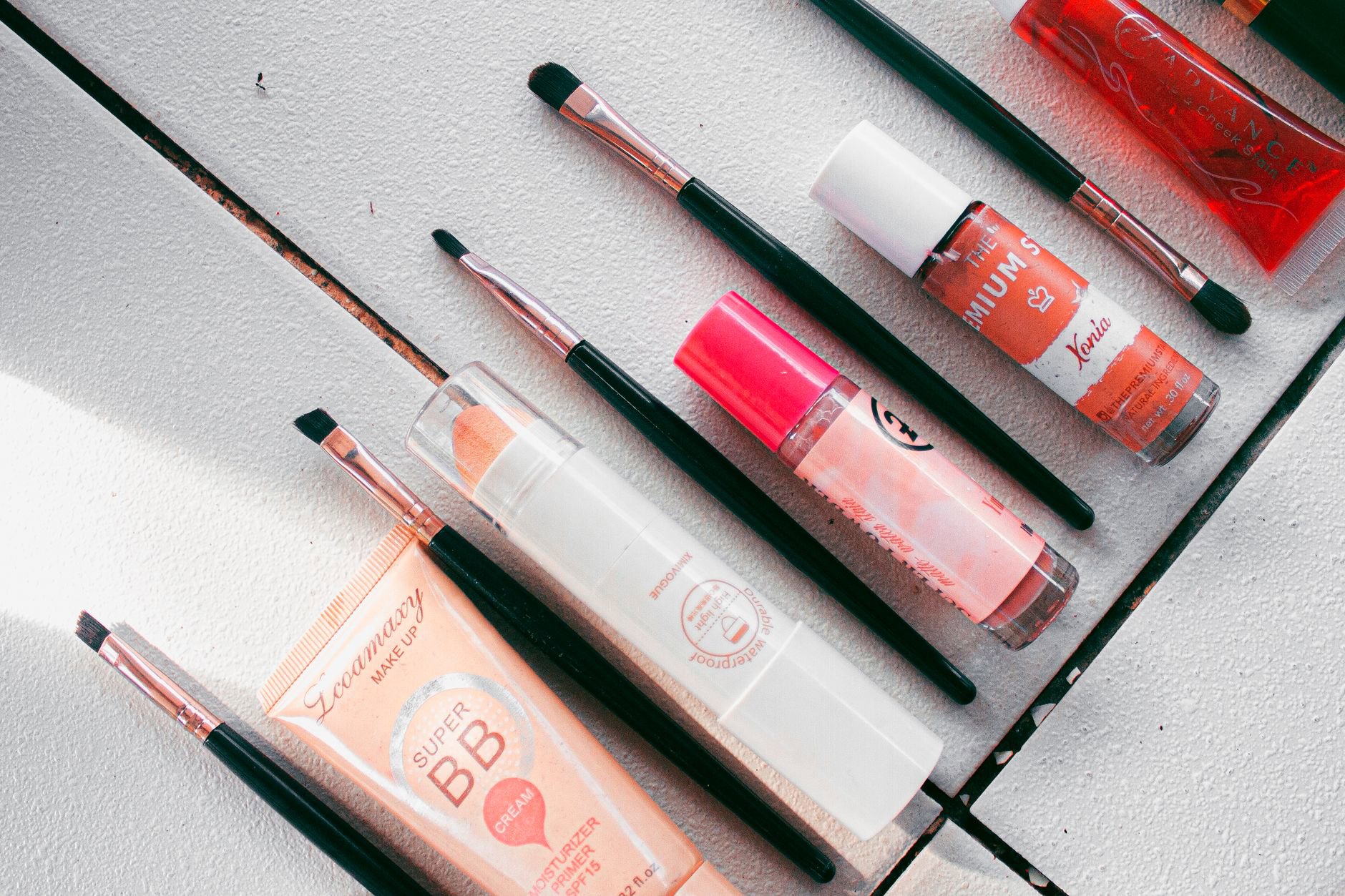
For lips, a peptide balm-style product often gives the most visible day-to-day payoff because it reduces flaking under lipstick. Ole Henriksen Pout Preserve Peptide Lip Treatment currently sits at £13.60 at Cult Beauty (rated 5.0/5). If you live in matte lipstick, this type of product can make your Lipsticks look smoother without changing your whole routine.
Tools matter too, because gentle application supports the “no irritation” theme that draws many women to Japanese skincare. If you replace sponges regularly, VIEVE The Modern Makeup Sponge shows at £14.00 at Sephora with a 5.0/5 rating in our feed. It also pairs well with lighter base formulas, which suit summer humidity and “skin-first” makeup trends.
If you want a slightly more “ritual” style add-on without buying a whole new skincare system, Odacité Mon Ami Acupressure Tool sits back in stock at Cult Beauty at £13.60. Tools can help you slow down and apply product evenly. They do not replace skincare.
Buying by category: what to prioritise (and what to skip)
When women search “Japanese skincare”, they often mean one of four categories: cleanser, hydrating layer, moisturiser, and sunscreen. Not all deserve equal budget.
Prioritise sunscreen. If you do not wear SPF consistently, brightening and anti-ageing claims rarely show up on skin. If you want to browse more options systematically, start with our SPF Protection Products page and filter by finish and wear-under-makeup needs.
Keep cleanser sensible. Spend for comfort, not for promises. A cleanser sits on skin for seconds. If you wear long-wear base, double cleansing can help, but you do not need a pricey formula to do it well.
Choose one hydrating layer. This is where Japanese “lotion” and “essence” style products can feel addictive. The skin likes slip. The danger is buying three versions that all do the same job. If you want a non-fussy alternative at a tracked price, Nuxe 3-In-1 Hydrating Micellar Water sits at £13.50 at Lookfantastic with a 5.0/5 rating, and it can cover light cleanse plus comfort in one step.
Moisturiser depends on your climate and heating. In a UK winter, many women need a richer night option than they expect. In summer, lighter gels or water creams work better, especially under SPF and makeup.
Skip anything that tells you tingling equals results. J-beauty’s edge often comes from removing that mindset.
What this means for your routine (and your budget)
Japanese skincare trending in the UK should not pressure you into a complete routine reset. It should push you towards a calmer structure: fewer actives, more consistency, and better daily sun habits.
On the money side, the best strategy stays the same in 2026: pick a priority category, then wait for the right price moment. Our price tracker already shows both ends of the market behaving predictably, from high-end 12-month lows (like 111SKIN Celestial Black Diamond Cream at £148.00) to genuinely useful under-£15 staples (like NO7 Good Intent Glow Guard Spf30 at £6.76).
If you want the “J-beauty effect”, buy for feel and repeat use. Soft textures, no sting, and a routine you can keep doing matter more than any trend label.
Over to you
Which step would you rather improve first: your sunscreen layer, your hydration step, or your night moisturiser?
If you tell us your skin type and whether you shop Boots, Superdrug, or Cult Beauty most, we can suggest the most sensible category to upgrade without overspending.