Runway theatrics and viral filters deliver the clicks. Your commute, office lighting, and a damp February decide what survives. We sorted the 2026 beauty trends with one filter: will this earn its keep in a real-life UK routine?
Our pricing feed has tracked beauty since 2010, across Boots, Superdrug, Space NK, John Lewis, Cult Beauty, and Lookfantastic. The data keeps proving the same point. Trends stick when they respect time, budget, and British weather. So we built a wearable edit for 2026 that spares your wallet and works beyond TikTok seconds.
Expect flattering textures, softer lines, and finishes that look human. The theatre stays backstage. Practical wins front of house.
Context: hype shifts fast, but skin and budgets do not
From 2020 to 2025, launch calendars sped up and price tags edged higher. Our feed shows more bundles and minis hitting in Q4 each year, while core heroes keep steady sales the rest of the time. That tells us women still buy workhorses, then flirt with trend-led colour during promo windows.
We watch seasonal swings. From October to March, indoor heating dries skin while drizzle lifts frizz. In July, a two-day heat spike can drive SPF and hair-control sellouts. Retailers respond with rapid restocks, but good shades and beloved formulas still sell through first. If you care about a specific tone or texture, wishlist it early.
Price patterns matter too. Boots and Superdrug run regular multibuys. Space NK and Lookfantastic drop premium gifts-with-purchase near bank holidays. John Lewis often price-matches. Beauty Bay leans into flash sales. Use them. Add favourites to your GlamGeek wishlist and we’ll ping you when a price moves, so you can buy during the smart windows, not the hype moments.
{{IMAGE:woman applying soft glam makeup in natural light}}Skin that looks like skin: satin, not flat
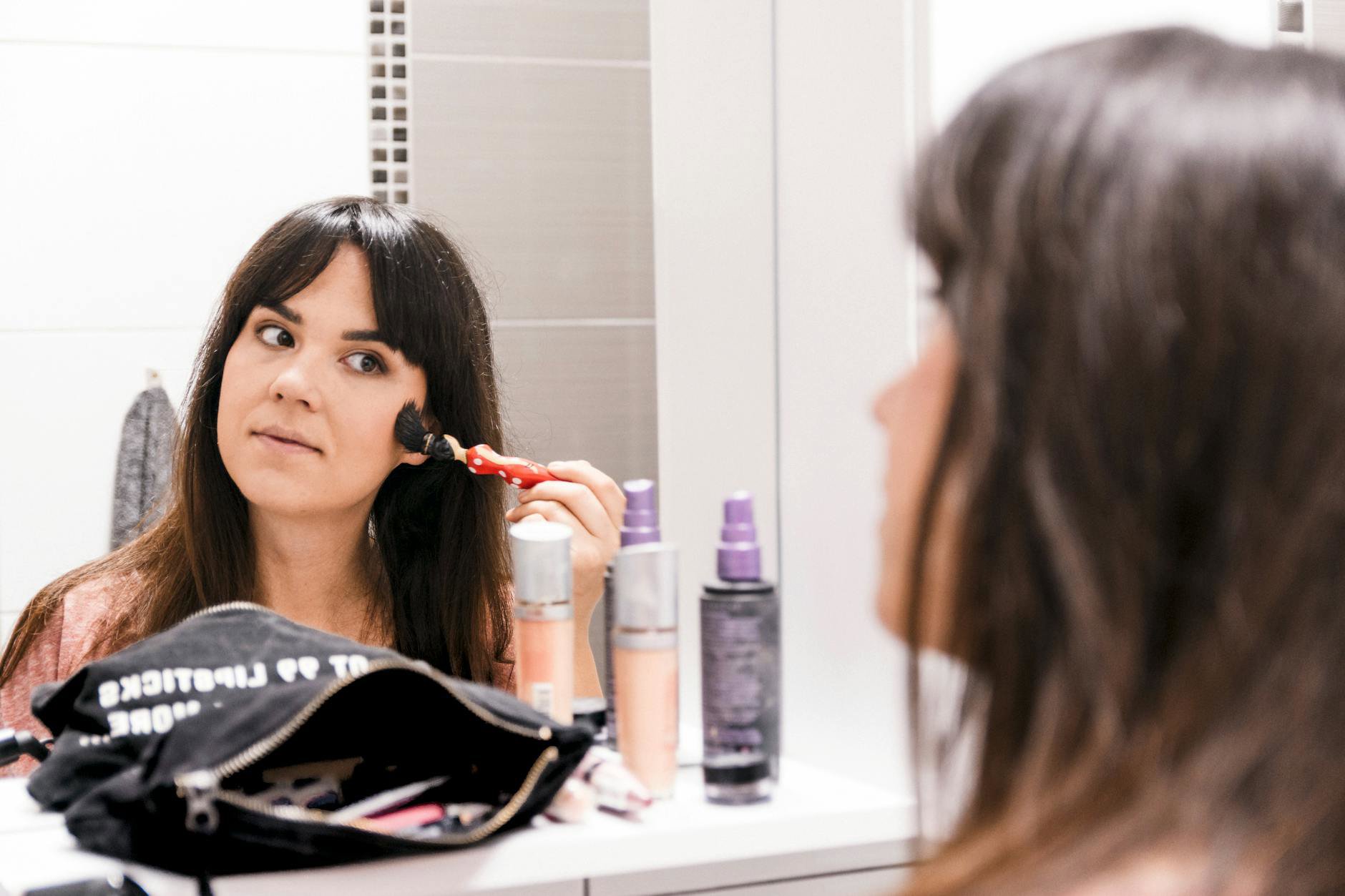
Ultra-glow had a long run. Then hyper-matte tried to bounce back. 2026 lands in a better place: a flexible satin finish that reads healthy, not sticky. You get polish without obvious makeup edges. It behaves in drizzle and dodges office glare.
Build the canvas with skincare first. Hydrate with a light cream that suits your skin type. You want glide without pilling. If your skin runs dry from radiators, choose a humectant-rich option from our Day Face Moisturisers listings and give it two minutes to settle. Then smooth a thin layer of primer only where you need it—often centre face. Texture-prone areas benefit most. You avoid that full-face, heavy feel.
Reach for thin, flexible bases. Think sheer-to-medium coverage you can build in light layers. Check our Liquid Foundations feed for skin-like formulas and watch retailer shade ranges; some stock far wider colour maps online than in-store. Spot-conceal rather than stacking on more base. Tap concealer only where tone shows through. You preserve real-skin variation, which looks modern and costs less product over time.
A soft set locks the look. Use a small brush and press powder only on the T-zone. Leave cheekbones free so the finish mimics skin. On workdays, this routine survives heated trains and a lunchtime walk in mist. It also trims spend because you use less base and powder per application.
Lashes and liner: clean definition over drama
Spider lashes clock up likes. They rarely suit a weekday. The 2026 lash brief goes cleaner: tubing or smudge-resistant formulas, brown-black tones, and tightlining that amplifies eyes without an obvious line.
Start with curl. Hold the curler for ten seconds, then move it slightly and crimp again to create a soft bend. Follow with two light coats of a tubing formula from our Mascaras listings. Tubing tech paints each lash and removes with warm water. That matters in rain; no flakes on your cheeks by 4 p.m. Lancôme and MAC sit at different price tiers and both deliver strong fibre-based options in their ranges. Check Boots and Space NK for mini sizes if you want to test wear without a full commitment.
Swap harsh black for brown or soft black on office days. It opens eyes and flatters lighter brows. Tightline by pressing a pencil into the upper waterline, then blink onto a clean cotton bud to lift excess. The line disappears into the lash bed and gives weight without obvious makeup.
Special occasion? Add a few individual lashes to the outer corner. They lift without a heavy strip. Keep glue minimal, then pinch to blend with your natural lash. You get the effect of winged liner without the removal hassle at midnight.
Blush draping, but grounded
Draped blush returns, but 2026 tones it down. You get shape and lift without neon stripes. The trick lies in texture and placement, not in drama.
Choose creams or fluid gels for a second-skin effect. Tap colour high on the outer cheek and sweep lightly over the brow tail. That creates lift and soft structure. If you love a sun-kissed look, bridge the nose with the leftovers. This brings coherence rather than obvious blush.
Shade selection earns your money. Opt for rose-brown, apricot-beige, or berry-tawny that suits your undertone. Big-city artificial light can skew undertones, so swatch near a window if you can. High-street brands like KIKO, Revolution, and premium names like Charlotte Tilbury all push blush innovation, from pH-adjusting sticks to serum tints. Choose a tone you’ll wear midweek, not only for nights out. That keeps cost per wear low.
Lock longevity by setting the centre of the face only, then add a whisper of matching powder blush on top. You keep glow, resist transfer, and still show skin. If your cheeks fade by 3 p.m., dab on a little more cream with clean fingers. You don’t need a brush for this one.
Soft metals and wearable washes on eyes
Foil lids look striking on stage. For the Jubilee Line, tone metals down. Aim for sheer, gleamy washes that catch light without looking wet. Oyster, taupe, khaki, and soft plum flatter most eyes and suit office codes.
Pick cream shadows that set, or choose finely milled shimmers from our Eye Shadow Palettes listings. Use a fluffy brush to blur edges fast. Tap the centre of the lid with your finger for a brighter spot. This trick makes eyes look more awake in winter grey.
For structure, add a matte in a cool taupe through the socket. Keep it soft and lifted. Skip graphic lines unless your evening plans demand them. If your lids run oily, lay a tiny amount of concealer as a base, then press shadow on top. A sheer layer grips shimmer without caking.
Want the drama dial for events? Layer a cream base, then tap a micro-glitter topper just on the mobile lid. Stop before the crease. It looks intentional and avoids fall-down. Keep the lower lash line mostly bare; a soft haze in the outer third looks chic and keeps eyes wide.
Lip shine that lasts, without the stick
Vinyl shine and cushiony balms take the lead. Women want moisture, definition, and a clean fade as the colour wears. 2026 formulas answer with comfy gels and oils that don’t travel past the lip line.
Start with a balm you trust. Repair overnight, then blot before colour. You’ll find plenty of repairing options under Lip Glosses on GlamGeek because many hybrids now sit in gloss form factors. By morning, your lip line looks smoother. For day, outline with a neutral pencil, fill the whole lip in a light layer, then coat with a clear or tinted gloss-oil. This grips shine and protects against the cold dash to the bus stop.
Prefer lipstick? Modern satins give glow without bleed. Brands from Guerlain to Clinique keep refining comfortable satins that don’t flatten the lip. Layer a touch of clear gloss at the centre only. You get dimension, not slip. For nights out, switch to a vinyl lacquer over pencil. Keep cotton buds in your bag for clean-ups after a quick bowl of pasta.
On shade, don’t chase viral unknowns. Pick one rosewood, one brownish nude, and one statement red that suit your undertone. That three-shade wardrobe handles work, weekend, and party. It also stops duplicate spending. Add your picks to a GlamGeek wishlist. We’ll alert you when Lookfantastic or John Lewis drop a code, so you can restock at a better price.
Brows: groomed, softer, and less stamped
Brow maximalism cools in 2026. No more crispy lamination every day. The wearable read: fluff with hold, gentle fill where hair thins, and a softened tail.
Start by brushing hairs up and out. Fix shape with a clear or tinted gel that dries flexible. Focus on the front and middle. Then use a micro-pencil to sketch hairlike strokes only where gaps show. Leave the edges slightly diffused. Harsh blocks date a face faster than any lip colour.
If you want lift without full lamination, brush gel through, then press hairs with a fingertip for ten seconds. They settle with soft sheen and look more expensive than crunchy soap effects. Keep colour choice a touch cooler than your hair if you’re blonde and a touch warmer if you’re deep brunette. Mid-brow neutrality keeps the look modern.
Skip heavy carve-outs under the brow. A hint of satin highlight two millimetres under the arch creates lift without a 2016 throwback. It also reads well under overhead office lighting.
Hair: gloss, moisture, and heatless shape
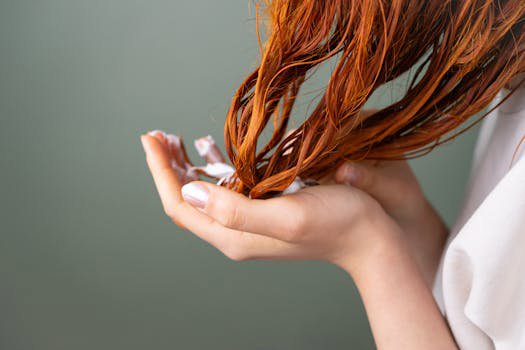
British weather punishes hair cuticles from October to March. 2026 hair trends go shiny and calm, with movement but no brittle ends. You win with hydration, not with endless hot tools.
Build a routine around moisture. Rotate a hydrating shampoo and a rich conditioner. If your scalp gets greasy, concentrate conditioner from mid-lengths down. Add a mask once a week; our Hair Masks listings collect options across budgets. Kérastase masks sit at the luxury end and focus on fibre glossing; Garnier offers wallet-friendly blends that still soften well. Explore Kérastase on GlamGeek to compare ranges and find the best line for your hair type. We track prices so you can time buys across Boots, Lookfantastic, and Space NK.
For styling, go heatless when you can. Wrap hair around a soft rod for loose bends, or set with velcro rollers while you do your makeup. Finish with a small pump of oil on the ends. Keep oils off the roots in damp weather to avoid collapse. A boar-mix brush adds shine without frizz.
Colour-treated hair needs a weekly gloss or a colour-depositing conditioner. This trend reads expensive because it reflects light. Don’t overdo purple shampoos; once a week usually keeps brass in check. If you need to blow-dry, use a heat protectant and aim nozzles down the hair shaft to seal the cuticle. Small tweaks save split ends and future colour spend.
{{IMAGE:woman with glossy heatless waves hairstyle}}Quiet fragrance and skin scents
Bombastic gourmands never left. Still, 2026 shows a strong tilt towards sheer, intimate scent. Think musks, tea, citrus-herbal notes, and light woods that sit close and feel polished at work.
Layering starts in the shower. Use an unscented or softly scented wash, then a matching lotion to hold scent. Spray pulse points with a light hand and resist the hair mist if frizz fights back against alcohol. Our Eau de Parfum Perfumes listings include tea-led blends and airy musks from houses like Guerlain and Shiseido. When you want lift without projection, try eau de toilette formats for a shorter, breezier wear. Those sets often appear in holiday promos, so add favourites to your wishlist before November.
Office days suit tea and citrus. Evenings lean wood-musk with a hint of resin. Two sprays suffice. You smell expensive without announcing it to the carriage. If you want more throw for a wedding, spray once on the back of your blazer. You’ll get a quiet cloud without coating skin.
Watch bundle values. Retailers pack body lotions with 50 ml bottles near gifting season. These stretch your per-wear cost. GlamGeek compares bundles across John Lewis, Space NK, and Cult Beauty, so you can pick the smartest set rather than the brightest box.
SPF and smart seasonal switches
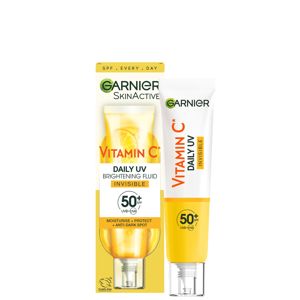
Trends die fast without good skin under them. 2026 still asks for daily SPF, but textures improved. Gels sit lighter. Tinted fluids replace heavy base on warm days. If you commute and then sit near a window, SPF still matters in winter.
Match format to season. In January, layer a hydrating SPF over serum and day cream. In July, swap to a lighter moisturiser with SPF built in, or use a gel SPF and trim the rest. Reapply with a mist or a cushion puff if you wear base. Keep one in your bag for train rides home after a rare sunny 5 p.m.
Radiators pull moisture out from October to March. Bring back a hydrating serum and a richer cream once the heating clicks on. If makeup pills, apply thinner layers and wait 60 seconds between steps. Small timing tweaks fix most pilling. Skin sets the trend; makeup only follows.
Skincare minimalism with active rotation
Maximal routines burnt many faces. 2026 encourages a tight core with smart rotation. You need cleanse, treat, hydrate, protect. Everything else earns its slot.
Keep two to three actives and rotate by night. Use a gentle exfoliant once or twice a week. Add a retinoid two to four nights if your skin tolerates it. On off nights, layer hydrators and barrier support. This rhythm helps you wear satin bases without flakes and keeps blush smooth on cheeks.
British winters reward balmy cleansers at night and light gels in the morning. If your skin feels tight at midday, add a richer day cream in thin layers. Explore our Day Face Moisturisers section to compare textures and see where Boots or Lookfantastic run discounts. Add contenders to your wishlist and wait for the alert rather than guessing promo timing.
Don’t chase every buzzy molecule. Pick actives that target your goal—clarity, even tone, or firmness—and give them eight weeks. You save money and reduce irritation that ruins makeup days.
Body care that works with fashion
We see more body cut-outs and open necklines heading into spring-summer. The wearable body trend focuses on texture and light sheen rather than glitter. Think smooth shoulders, even tone on the chest, and a satin arm glow that doesn’t transfer to knitwear.
Use a polishing cloth or a mild body exfoliant once or twice a week. Follow with a light lotion in the morning and a richer cream at night. A subtle luminising body lotion reads healthy under a blazer and catches pub lighting without streaks. For tights season, mix a tiny amount of oil into body cream for slip that doesn’t snag fabric.
Fragrance layering starts here too. Unscented bases give your perfume space. For a night out, blend a drop of your fragrance into a small scoop of body cream and apply to shoulders. It holds scent near skin and reduces over-spraying. GlamGeek’s body and fragrance category pages help you build a routine that supports your scent wardrobe while keeping transfer low in cold months.
Tools and techniques that actually help
Many tools gather dust. A few change ease and finish. In 2026, one fluffy eyeshadow brush, one medium face brush, and a damp sponge cover most looks. They speed blending and reduce waste.
Use fingers for creams when you rush. Warmth helps melt product in. Tap, don’t rub. For base, start with a pea-sized amount and add only where you can still see uneven tone. This lifts coverage while keeping the satin trend intact.
Blot gloss with a tissue then reapply a thin coat. Shine lasts longer with less slip. Press mascara wands against the root, then wiggle up for lift without clumps. These small techniques make trends wearable and cut touch-ups in half. Your makeup bag thanks you.
What this means for your 2026 makeup bag
Pick trends that layer over what you already own. A satin base, clean lashes, muted shimmer, and plush lips will earn repeat wear in Britain’s grey months and on warm days. They suit work, date night, and a wet Saturday shop. That versatility brings cost per wear down faster than any launch buzz.
Build a shortlist and let price alerts do the heavy lift. GlamGeek tracks shifts across Boots, Superdrug, Space NK, John Lewis, Cult Beauty, and Lookfantastic. Add your foundation, mascara, one eye palette, and one lip pick to a wishlist. We’ll ping you when they drop, so you can buy the trend you’ll actually use, not the one that sold out yesterday.
Shop minis to test finishes. Use gift sets for value. Choose shades that suit your undertone and schedule, not just your feed. Look after hair cuticles and skin barrier. The trend will take care of itself.
The bottom line
2026 brings polish over performance art. Skin reads like skin. Lashes define, not dominate. Blush drapes with restraint. Eyes shine softly. Lips glow and comfort. Brows soften. Hair gleams with hydration. Scent sits close. We rate this shift. It looks modern in British light and holds through rain.
Ready to build your edit? Start with a flexible base from our Liquid Foundations feed, a smudge-proof pick from Mascaras, a quiet shimmer from Eye Shadow Palettes, a moisture-first sheen from Lip Glosses, a weekly mask via Hair Masks, and a skin-close spritz from Eau de Parfum Perfumes. If you prefer salon-grade hair, browse Kérastase and watch for Lookfantastic codes. Add picks to your GlamGeek wishlist, and we’ll flag the smartest moment to check out.
Which 2026 trend will you actually wear on a Tuesday? Tell us what earns a spot in your bag, and build your wishlist so we can hunt the price drop for you.