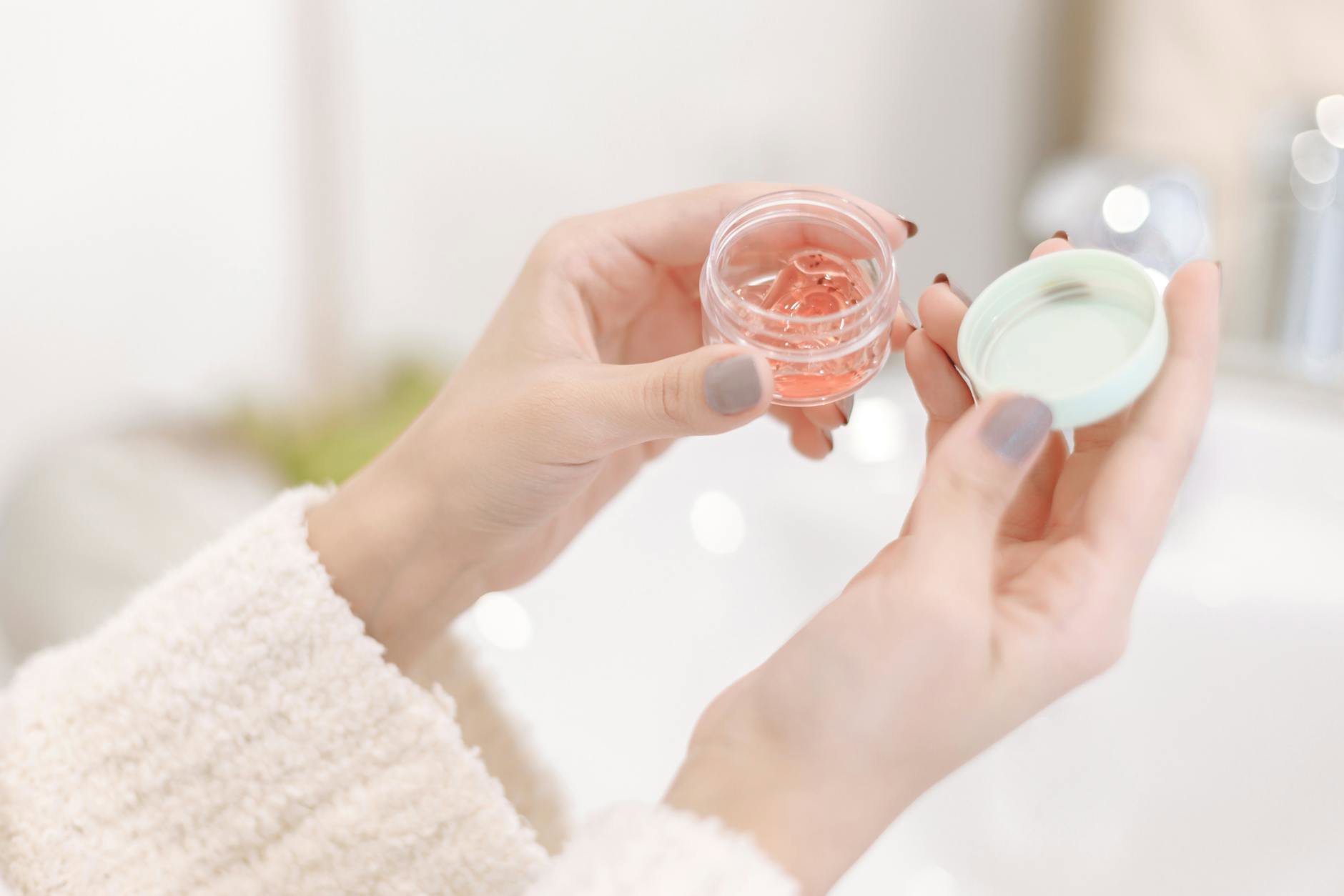
“Jelly” sounds like marketing fluff until you look at what’s actually selling: bouncy gel textures, water-gel moisturisers, cushiony lip treatments, and high-gloss colour that behaves like a stain.
Across beauty headlines this year, jelly skincare keeps popping up as a named trend (Refinery29 has pushed it twice). That repetition matters. It signals a texture shift, not a single product moment.
For UK women, the question isn’t whether jelly textures look cute on a shelf. It’s whether they hold up through damp winters, office heating, and the odd muggy heatwave—and whether they’re worth paying full price for.
Here’s our practical, UK-first guide to what “jelly” really means, how to use it, and where it fits in a routine without turning your face into a sticky experiment.
What “jelly” means (and what it doesn’t)
“Jelly beauty” rarely means one strict formula type. Brands use it as shorthand for gel networks: polymers and humectants suspended in water to create that wobble, slip, and bounce.
In ingredient terms, you’ll often see combinations like glycerin, propanediol, butylene glycol, and sodium hyaluronate (hyaluronic acid). The “jelly” feel usually comes from gelling agents such as carbomer, xanthan gum, or cellulose derivatives. Some formulas add silicones for glide; others stay silicone-free and feel tackier.
What jelly is not: a guarantee of hydration that lasts all day. Gels can feel instantly quenching, then fade fast if you don’t layer them well—especially in centrally heated UK homes from October to March.
Think of jelly textures as delivery vehicles. They can be brilliant for lightweight hydration, soothing, and glow. They can also be underpowered if your skin needs lipids (ceramides, squalane, fatty alcohols) more than water.
Why jelly textures are trending right now
Trend pieces love to frame “jelly” as a novelty, but the drivers look more practical. The big one: women want lighter layers that still give a polished finish under makeup.
We also see a clear knock-on effect from the “skin longevity” conversation in 2026 trend coverage (Who What Wear and Glamour UK both leaned into it). Jelly textures fit that mood because they read as gentle, non-stripping, and barrier-friendly—even when the actives inside vary.
Then there’s the makeup side. The “watercolour makeup” headline (Refinery29) points to sheer, glossy colour that looks modern on camera and in daylight. Jelly blushes, balmy stains, and syrupy glosses all sit in that same lane.
One more reason: speed. A gel moisturiser, a glowy SPF, and a cushiony lip treatment can look “done” in five minutes. UK shoppers have embraced that kind of routine compression, especially when prices keep bouncing around across retailers.
Jelly skincare: how to layer it so it doesn’t evaporate by lunch
Most jelly skincare leans humectant-heavy. Humectants pull water into the top layers of skin, but they need support. Without it, you can get that familiar pattern: dewy at 9am, tight by 2pm.
Use this simple layering logic:
- Step 1: Damp skin. Apply jelly serums or gel moisturisers on slightly damp skin. It reduces tackiness and helps spread.
- Step 2: Seal if needed. If you run dry (or your cheeks feel papery in winter), add a creamier moisturiser on top at night, or just on dry zones.
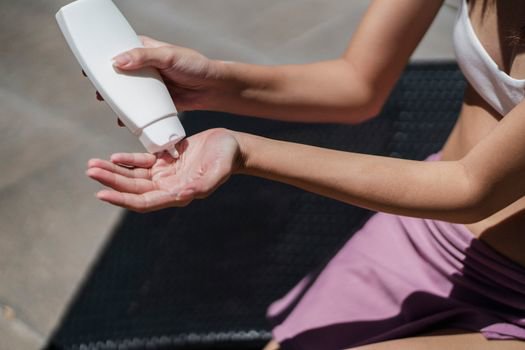
- Step 3: SPF is non-negotiable. Jelly textures pair well with modern SPF finishes. If your SPF pills, it’s often the combo, not the SPF alone.
- Step 4: Keep actives predictable. If you use retinoids or strong acids, keep your jelly step boring and soothing.
If you want a low-commitment entry point, our tracker currently flags three strong budget-friendly buys from No7’s Good Intent line. NO7 Good Intent Skin Sip Moisture Milk sits at £8.97 at no7 Beauty (rated 5.0/5), and NO7 Good Intent Dew Bank Water Cream is also £8.97 (rated 5.0/5). Those textures land squarely in “jelly-adjacent”: water-light, fast-absorbing, and easy under makeup.
For daytime glow with protection, NO7 Good Intent Glow Guard Spf30 is currently £4.77 at no7 Beauty (rated 5.0/5). If you’re experimenting with gel layers, a cheaper SPF helps because you’ll sometimes bin a combo that pills.
For more options, browse our edit of Day Face Moisturisers and compare textures before you commit.
Jelly makeup: watercolour colour without the patchiness
Jelly makeup usually means one of two things: gel-cream pigments (think blushes and tints) or high-slip gloss (lips and lids). The appeal matches the “soft-focus watercolour” trend story: you get colour that looks like it belongs to your skin.
The common failure mode is patchiness. Gel pigments can grab onto dry areas, leftover skincare tack, or poorly set base. If you want a clean result, technique matters more than brand.
We recommend this method for jelly blush or tint:
- Prep: let skincare set for 3–5 minutes. If you use a tacky primer, use less.
- Apply: place a tiny amount on the back of your hand first. Pick up with a sponge, then tap onto cheeks.
- Build: add in thin layers. Jelly pigments look better built than “one-and-done”.
- Set strategically: a whisper of translucent powder only where you crease. Leave the high points glossy.
A good sponge makes this easier. Our merchant feed currently shows VIEVE The Modern Makeup Sponge at £14.00 at Sephora (rated 5.0/5). It’s the kind of tool that turns slippery textures from stressful to controlled—especially if you prefer tapping rather than buffing.
If you want to shop by category and compare finishes, our Makeup Brushes & Applicators hub is the quickest way to filter without getting lost in launches.
Jelly lips: the safest place to try the trend
If we had to pick one “jelly” lane that works for most women, it’s lips. Jelly lip products deliver comfort, shine, and a slightly plumped look without asking you to change your whole base routine.
What to look for: film-formers for lasting shine, emollients for comfort, and ideally no sting. A lot of “plumping jelly” marketing relies on irritation. We’d skip that, especially if you already deal with chapping in winter.
Our tracker highlights Ole Henriksen Pout Preserve Peptide Lip Treatment at £13.60 at Cult Beauty (rated 5.0/5). Peptide lip treatments tend to sit in that modern jelly zone: cushiony, glossy, and more treatment than tint.
If you want alternatives, compare finishes across our Lip Balms & Creams selection, then cross-check retailers like Boots and Space NK for points offers when prices match.
Jelly meets “skin longevity”: barrier-first, not hype-first
Several 2026 trend round-ups keep pushing “skin longevity” as the new umbrella term. The useful part of that conversation: fewer harsh experiments, more consistency.
Jelly textures can support that approach when they sit in a barrier-first routine. The trick is to avoid mistaking “lightweight” for “enough”. If your skin feels tight after cleansing, a jelly serum alone won’t fix it.
Here’s how we’d build a longevity-leaning routine with jelly textures:
- Cleanse gently. Avoid squeaky-clean foams if you’re already dry. If you do prefer foams, keep water lukewarm and cleanse once at night.
- Hydrate. Use a jelly serum or water-gel.
- Support. Add a cream with ceramides or a richer night moisturiser when needed.
- Protect. Daily SPF. Reapply when you can.
- Actives. Keep them steady: a retinoid schedule you can maintain beats random “hack” cycling.
If you’re shopping for targeted treatments, our category pages for Anti Ageing Face Serums and SPF Protection Products make it easier to compare texture types (gel vs cream) across retailers.
One caution: “jelly” doesn’t mean low-irritation. Some gel formulas carry high levels of fragrance, alcohol, or strong acids. Always scan the back label, especially if you flush easily.
When jelly isn’t enough: UK weather, dehydration, and the case for masks
UK skin complaints follow a pattern in our reader searches: dehydration spikes during heating season, and texture complaints spike during humid weeks when makeup slips. Jelly textures help with the second problem more than the first.
If your skin needs comfort, don’t force a water-gel to do a cream’s job. Instead, keep the jelly moisturiser for mornings and add a weekly mask or richer night layer.
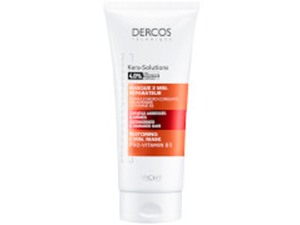
On the hair-and-scalp side, jelly-adjacent masks and rinse-out treatments also suit women who want softness without heavy residue. Our price tracker shows several dramatic hair mask drops this week, which makes experimentation far less painful:
- Grow Gorgeous Intense Hair And Scalp Mask was £26.50, now £5.00 (81% off) at lookfantastic.
- Moroccanoil Hydrating Mask was £21.36, now £5.00 (76% off) at lookfantastic.
- KMS Moistrepair Revival Creme was £26.63, now £6.00 (77% off) at Sephora.
Those aren’t “jelly skincare”, but they tap into the same consumer desire: slip, softness, and quick payoff. If you want to browse more treatment options by need, our Hair Masks page is the fastest way to compare what’s on offer today.
One practical tip: if your scalp gets oily but your lengths feel dry, keep masks from the ear down. A lot of “hydrating” formulas can flatten roots if you over-apply.

How to shop the trend without paying full price
Texture trends trigger impulse buys. Retailers know it. That’s why “new in” edits feel endless, and why the same type of product shows up in multiple price tiers.
Our 2010–2026 pricing history shows a repeat pattern: tools and treatments see deeper discount cycles than everyday staples. That’s useful for jelly shoppers because many jelly-adjacent wins sit in tools (sponges) and “nice-to-have” treatments (lip masks, glow primers).
A few smart moves:
- Use price drops for experimentation. If you’re curious about texture, buy when the discount is steep. The Grow Gorgeous and Moroccanoil mask drops to £5.00 at lookfantastic make sense for trial runs.
- Pay steady prices for boring essentials. Cleanser and SPF need consistency. If you find an SPF that behaves with your jelly layers, don’t keep swapping.
- Watch restocks in luxury. When a popular complexion product returns, it often triggers basket-building. Our feed shows Guerlain Terracotta Luminizer back in stock at Cult Beauty at £49.00, and Guerlain Parure Gold Skin Double Veil also back at £66.00. If you already planned a luxury buy, restock timing matters more than trend timing.
- Don’t confuse “12-month low” with “must buy”. It’s a signal, not a command.
If you’re shopping prestige skincare because you want a smoother, glassy finish, note that our tracker currently flags Rodial Pink Diamond Instant Lifting Serum at £18.00 on Rodial as its lowest price in 12 months. That’s the kind of “texture payoff” product people chase when they talk about jelly glow—just without the jelly label.
For fragrance lovers who want that glossy, clean vibe to match the trend, our feed also shows several Eau de Parfum Perfumes at 12-month lows, but we’d only treat those as relevant if you already planned a scent purchase.
What this means for UK women right now
The jelly trend works best when you treat it as a texture upgrade, not a routine overhaul. Start with one category—lips or a water-cream—and keep everything else stable for two weeks. You’ll learn quickly whether your skin likes gel networks or whether it needs more lipid support.
Shopping-wise, the smartest play is to use tracked lows for experiments and pay regular prices for staples you rely on daily. Our merchant feed makes the current picture clear: No7’s Good Intent moisturisers at £8.97 and Glow Guard Spf30 at £4.77 give you a cheap way to test jelly-light layering, while the £5.00 hair mask drops at lookfantastic make “softness testing” low-risk.
If you want the aesthetic without the trial-and-error, focus on application: tap gel blush with a sponge, keep layers thin, and set only where you crease. Technique delivers the trend faster than another checkout.
Over to you
Which “jelly” lane would you actually wear: water-gel skincare, glossy watercolour cheeks, or a peptide lip treatment that replaces your usual balm?
If you tell us your skin type and the finish you like (dewy, satin, or set), we’ll point you to the most sensible category to try first—and the kind of price drop worth waiting for.