I know a red carpet close-up when I see one.
That mirror-slick “glass hair” finish looks effortless on awards season photos, then you try it at home and… your roots go flat by 11am, your ends look dusty, and your parting somehow shines in the wrong way.
So I stopped chasing the look and started chasing the mechanics. Glass hair doesn’t start with a £35 glossing spray. It starts with what’s happening at the scalp, how you rinse, and whether your styling actually seals the cuticle.
That’s why I’m leaning into the 2026 hair conversation I keep seeing everywhere: value, root health, and finishes that read expensive even when your routine isn’t.
And yes, I’m going to talk about drugstore options with the same respect as salon bottles. Because the shine doesn’t care what the label cost.
Why “glass hair” keeps trending (and why it’s not just styling)
When beauty headlines obsess over sleek bobs and glossy waves, they’re really talking about light.
Hair looks “glassy” when the cuticle sits flatter, so light reflects in one clean ribbon instead of scattering. That reflection comes from three boring-but-brilliant things: low surface roughness, low residue, and enough slip to stop friction.
Here’s the part that matters in real life: most of us lose shine through the day because we touch our hair, tuck it behind ears, pull jumpers over our heads, and stand in drizzle at the bus stop. Friction lifts the cuticle. Humidity swells the hair shaft. Product build-up turns “shine” into “film”.
So if you’re the kind of woman who styles at 7am and expects it to survive a commute, a heated office, and a quick lunch walk, you need a routine that holds up under movement. Not a once-a-week photoshoot finish.
Start at the roots: clean scalp, controlled slip
Allure’s “glass hair starts at the roots” idea sounds like a slogan, but it’s practical. If your scalp feels waxy, the lengths won’t behave.
Most “dull” hair days I see come from one of two root problems: you’re under-cleansing (so styling products and oils stack up), or you’re over-cleansing (so your scalp overcompensates and your hair looks limp fast). The fix depends on which camp you’re in.
If you use dry shampoo, texture spray, or hairspray more than twice a week, slot in a clarifying wash. I trust Neutrogena Anti-Residue Shampoo because it actually removes build-up without making my hair feel like straw. In the UK it turns up at Boots and online retailers, often for under £10 when it’s in stock. Use it once a week, not daily.
If your scalp feels tight after washing, you need a gentler base shampoo most of the time. L'Oréal Paris Elvive Hyaluron Plump Shampoo and conditioner exist for a reason: lightweight hydration that doesn’t instantly collapse fine hair. You can compare offers via L'Oréal listings and catch the supermarket-style promos when they land.
One technique that changes everything: shampoo twice, but only if you keep the first cleanse short. First wash loosens oil and product. Second wash actually cleans. Spend 30 seconds on the first, 60 on the second, and keep your nails out of it.
Conditioner strategy: where shine is won (or quietly ruined)
I love a rich conditioner. I also love not having my crown look like it’s given up by mid-afternoon.
For glass hair, you need conditioning that smooths the cuticle without leaving a heavy coating at the root area. That means two things: apply it lower than you think, and rinse longer than you think.
My rule: conditioner from the ears down for fine-to-medium hair, from cheekbones down for thick hair. Then I comb it through with a wide-tooth comb in the shower. The combing matters because it distributes the conditioning agents evenly, so you don’t get greasy patches that kill reflection.
Ingredient-wise, look for:
- Behentrimonium chloride or cetrimonium chloride: conditioning agents that reduce static and friction.
- Amodimethicone: a silicone that tends to bind to damaged areas more than healthy ones, so it can smooth without flattening everything.
- Hydrolysed proteins (wheat, keratin, silk): useful if your ends look fluffy, but don’t overdo them if your hair feels stiff.
- Glycerin: great for softness, but if your hair frizzes in humidity, you may prefer formulas with less of it.
If you want a reliable, easy-to-find conditioner, Garnier Ultimate Blends Hair Food masks pull double duty as conditioner and mask. They can feel too rich for very fine hair, but for thick or curly lengths they give that slip you need for shine.
If you’re a salon-conditioner loyalist, I get it. Redken Acidic Bonding Concentrate Conditioner gives a polished finish, but I save it for when my hair has been through heat or colour. For everyday shine, I’d rather spend less and rinse properly.
Rinse like you mean it: the 60-second shine hack
Most women rinse until the “squeak” happens.
That squeak often means you’ve stripped too far, especially on bleached or highlighted lengths. Glass hair likes a clean base, but it also likes a tiny bit of conditioned slip left behind.
Try this instead. After you think you’ve rinsed out your conditioner, rinse for another 60 seconds, but keep your hands on the hair. You’re feeling for that point where the hair feels smooth, not coated. Coated hair looks shiny for ten minutes, then turns stringy.
If your water runs hard (hello, much of the UK), shine can suffer because minerals cling to hair and make it feel rough. You don’t need a full bathroom renovation. A chelating shampoo once every couple of weeks can help, or you can add an occasional acidic rinse. I keep it gentle: a diluted apple cider vinegar rinse now and then, followed by a quick conditioner on the ends. If you colour your hair, patch-test your routine and don’t do this right after a fresh dye.
One more unsexy detail: microfiber towel or an old cotton T-shirt. Regular towels rough up the cuticle. If you want glass, stop sanding it.
Blow-dry technique: the “expensive hair” part you can actually learn
Glass hair doesn’t require a salon appointment, but it does require intention.
If you air-dry and then straighten, you can still get shine, but you’ll fight more frizz because the cuticle dries in a less controlled way. For many women, a decent blow-dry does more for shine than any serum.
My at-home method looks like this:
- Prep: a lightweight leave-in or heat protectant through damp lengths. I like Tresemmé Heat Defence Spray for a basic, affordable option you can grab in most places. If you prefer a more “treatment” feel, ghd Bodyguard Heat Protect Spray has a loyal following, but I save it for weeks when I’m heat-styling a lot.
- Rough dry first: get hair to about 80% dry before you bring a brush in. This cuts damage and frizz.
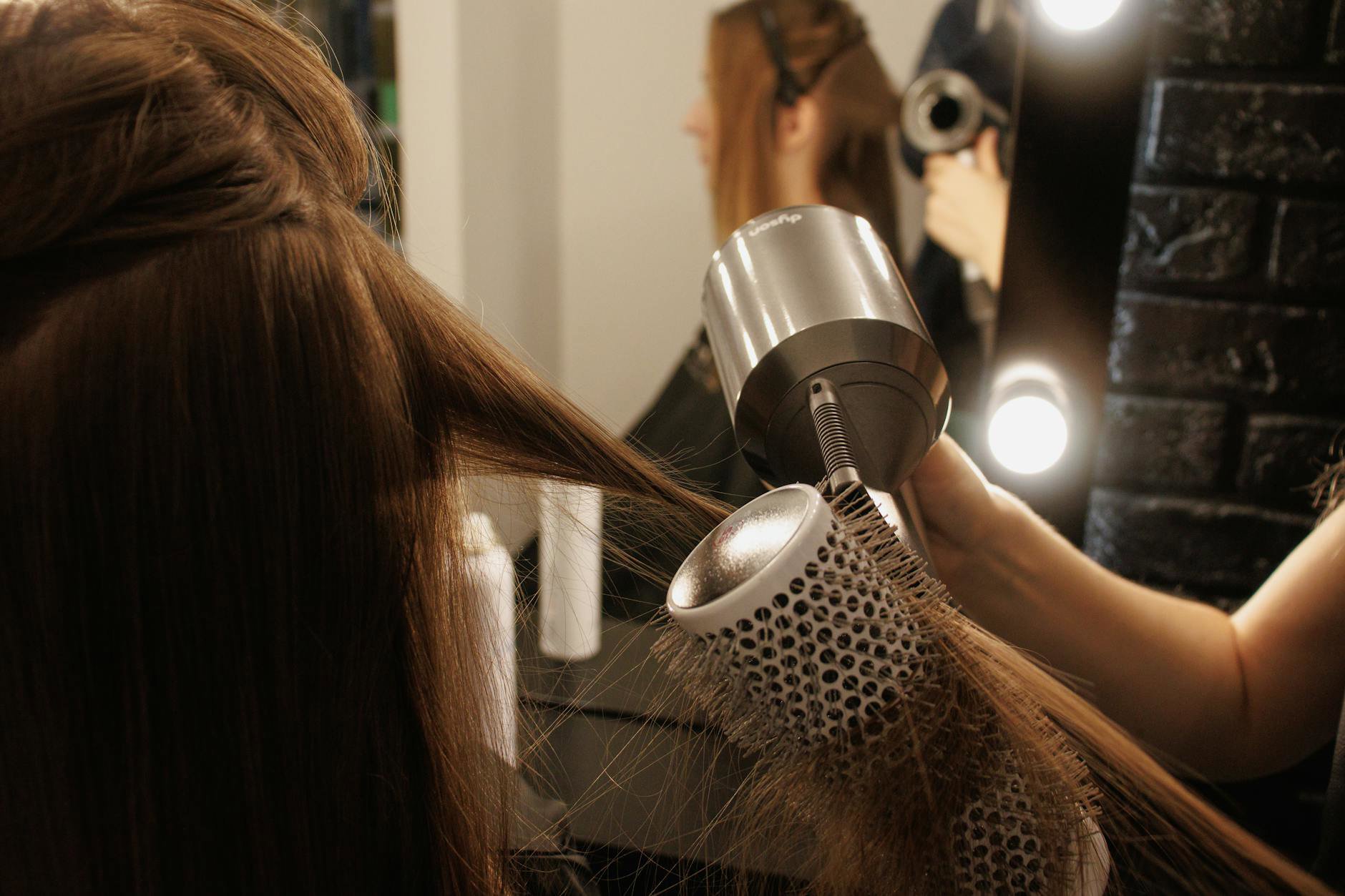
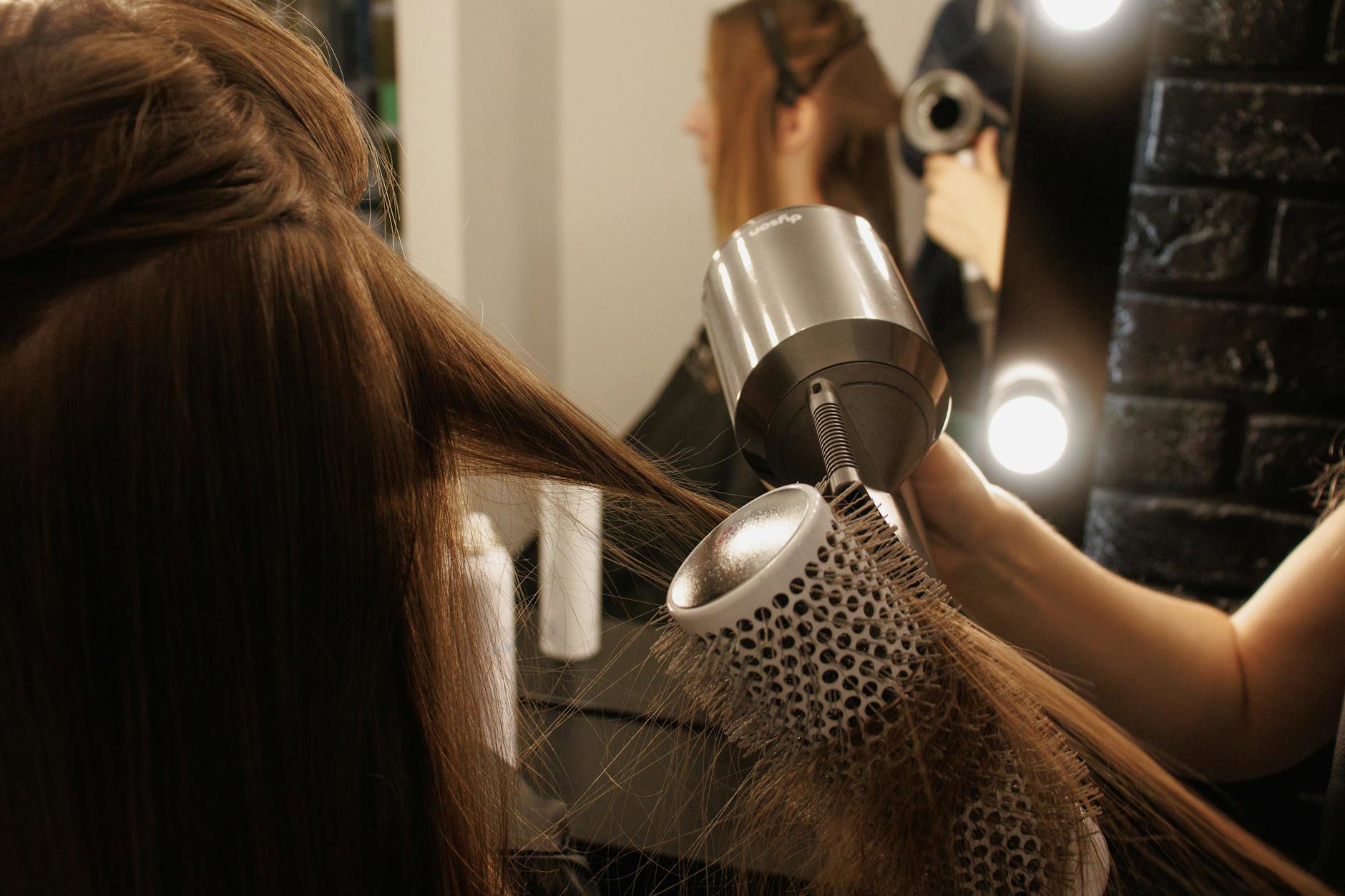
- Brush with tension: use a round brush or paddle brush and keep the nozzle pointing down the hair shaft. Downwards airflow helps the cuticle lie flatter.
- Cool shot: finish each section with a blast of cool air. It helps set the shape and calms flyaways.
If your hair goes flat regardless of what you do, focus lift at the roots only, then keep the lengths sleek. I flip my head for 20 seconds at the crown, then I stop. Overworking the top makes it fluffy, not glossy.
And if you’re a straightener girl, don’t do ten passes. Do one slow pass on smaller sections. Heat plus repetition equals dullness over time.
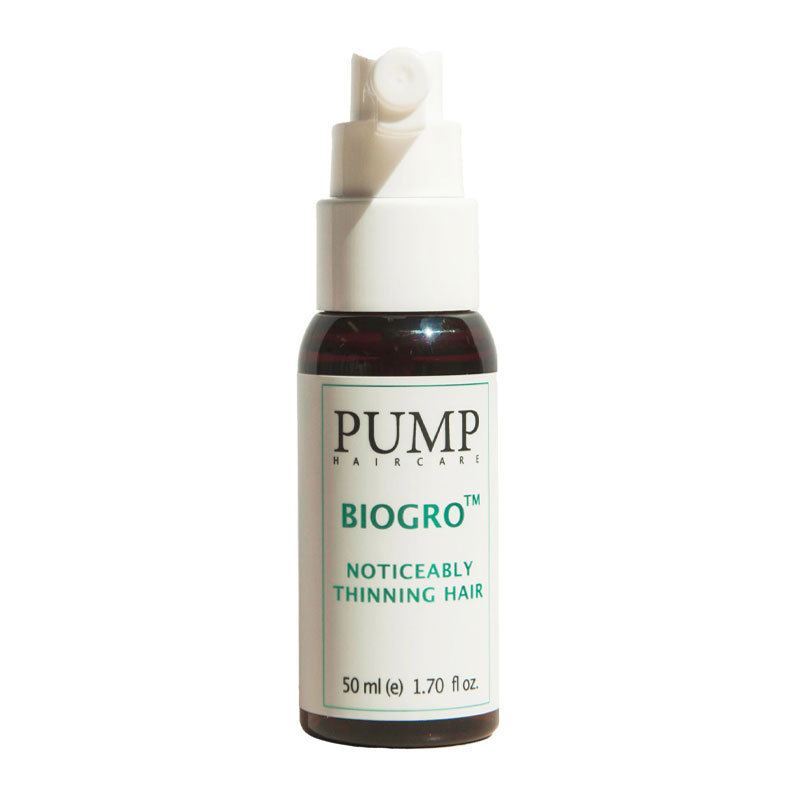
Serums, oils and “gloss” products: what to buy (and what to skip)
I love a finishing product. I just want it to earn its place.
For glass hair, you’re usually choosing between silicones (shine and slip), oils (shine and softness), and glossing sprays (shine and a bit of hold). Each has a best use, and most of us use the wrong one at the wrong time.
Silicone serums work when you need slip and humidity control. They coat the surface lightly and reduce friction. A classic is John Frieda Frizz Ease Original Serum. It can feel heavy if you apply too much, so start with half a pea-sized amount, warmed between palms, and touch only the ends first.
Oils work when your ends look thirsty and light won’t bounce. But oils can also attract dust and turn flat hair flatter. If your hair is fine, use oil at night as a pre-wash on the lengths, not as a daytime finisher. If your hair is thick, one drop of Moroccanoil Treatment on the very ends can look gorgeous, but it’s a spend. I buy it only if I know I’ll use it weekly.
Glossing sprays look dramatic under lights. They also show up in photos. For real life, I prefer a lighter hand because too much spray reads “helmet” in daylight. If you already use hairspray, try a flexible one and brush it out lightly, rather than layering shine spray on top.
One budget tip I swear by: don’t buy three finishers at once. Pick one based on your hair’s problem. Frizz? Serum. Dry ends? Oil pre-wash. Dullness from build-up? Clarify and rinse better. Shine products can’t outshine residue.
Korean hair care and “thicker hair” claims: what’s real
I’ve read the “K-beauty made my hair thicker” style headlines with a raised eyebrow and a shopping basket.
Here’s what I think is fair: many Korean hair products excel at scalp comfort and lightweight conditioning. That can make hair feel fuller because you get less irritation, less oil rebound, and fewer heavy coatings. But shampoo won’t change your follicle count.
When a product says “thickening”, I look for ingredients that support the appearance of density:
- Panthenol (pro-vitamin B5): draws water to the hair shaft and can make it feel plumper.
- Proteins: can temporarily fill in rough spots and reduce fluff.
- Caffeine: popular in scalp products; evidence varies, but many women like how it feels on the scalp.
- Salicylic acid: useful for flaky, oily scalps because it clears debris that can clog follicles.
If you struggle with flakes that kill shine, a targeted scalp treatment beats scrubbing harder. You’ll find salicylic-acid scalp options in UK pharmacies and at Boots. Use them as directed, and don’t combine every “active” at once.
Also: if you colour your hair and you’re chasing “thicker”, you may just need fewer breakages. That’s where bond-building ranges come in. They cost more, but if they reduce snapping, your ponytail looks fuller for longer. I treat them like a tool, not a lifestyle.
The red carpet trick you can copy: sleek shape + one focal detail
What I actually notice on awards season hair isn’t just shine. It’s restraint.
A lot of the best looks pair a sleek base with one deliberate detail: a deep side part, a tucked ear, a single bend at the ends, a glossy ribbon, a polished clip. You don’t need ten products. You need one decision.
If you want an easy version, try this:
- Blow-dry smooth with a paddle brush.
- Choose a parting and commit to it.
- Run a tiny amount of serum over the top layer only.
- Tuck one side behind the ear and set it with a pretty clip.
For clips and accessories, I like browsing makeup sections at Superdrug and Boots because they often stock hair bits near the tills, and you can keep it cheap. It’s not about price. It’s about polish.
And if you’re dealing with greys or regrowth that catches the light, aim your shine product away from the roots. Shine at the crown can make regrowth look more obvious. Keep the reflection on the mid-lengths and ends where it reads intentional.
My “glass hair” capsule routine: three tiers of effort
I don’t do the same routine every wash day. Neither should you.
Here are three realistic tiers, depending on your week.
Tier 1: The quick shine reset (10 minutes)
Double shampoo, conditioner ears-down, rinse for an extra minute, T-shirt dry, then a tiny amount of serum on ends. Done.
Tier 2: The commute-proof blow-dry (25 minutes)
Heat protectant, rough dry to 80%, paddle-brush blow-dry with nozzle down, cool shot, then one pass of straighteners on the face-framing pieces only. Finish with serum on ends.
Tier 3: The “I want red carpet hair” night (45 minutes)
Clarify first (if needed), follow with a smoothing conditioner, blow-dry in sections, straighten in small sections with one slow pass, then add a light gloss spray from arm’s length. Sleep on a satin pillowcase if you have one.
This is where GlamGeek price tracking helps in a practical way: you can watch for the weeks when your preferred heat protectant or serum drops, then stock up once. I do that with basics, not with trendy launches.
What this means for your hair (and your budget)
Glass hair looks like a finish, but it behaves like a system. Clean roots, controlled conditioning, and cuticle-friendly drying give you most of the shine before you buy anything extra.
If you want to spend, spend on the step that saves you time. For some women that’s a better dryer. For others it’s a conditioner that rinses clean and makes detangling painless. If you want to save, save on the “final touch” products first. You can get 80% of the look with technique.
And if your hair still looks dull after all this, don’t panic-buy another serum. Check the basics: when did you last clarify, how hard is your water, and are you applying conditioner too high? Those three questions fix more shine issues than any new launch.
Tell me your hair type, and I’ll tailor the routine
Are you fine and flat by lunch, or thick and frizzy by 9am?
Tell me your hair texture, whether it’s coloured, and your usual styling habits, and I’ll point you to the most cost-effective version of the glass hair routine for you.