Hair panic sells.
Across UK beauty retail, the easiest story to market is “your hair is damaged, buy this”. Yet one of this week’s most-shared hair headlines pushes back: an industry expert arguing that colour and heat styling do not drastically damage hair when women use sensible technique.
We agree with the spirit of that claim—because the data and the chemistry both say the same thing. Hair doesn’t fall apart because you owned a straightener. Hair falls apart when technique, frequency, and product choices stack up in the wrong order.
Damage isn’t a mystery: it’s mechanics, chemistry, and repetition
Hair fibre behaves like a layered material. The cuticle sits on the outside like shingles on a roof. Under that sits the cortex, where most strength and colour lives. “Damage” usually means the cuticle lifts, chips, or cracks, and the cortex loses integrity.
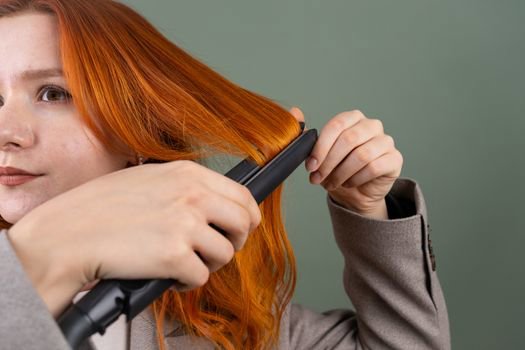
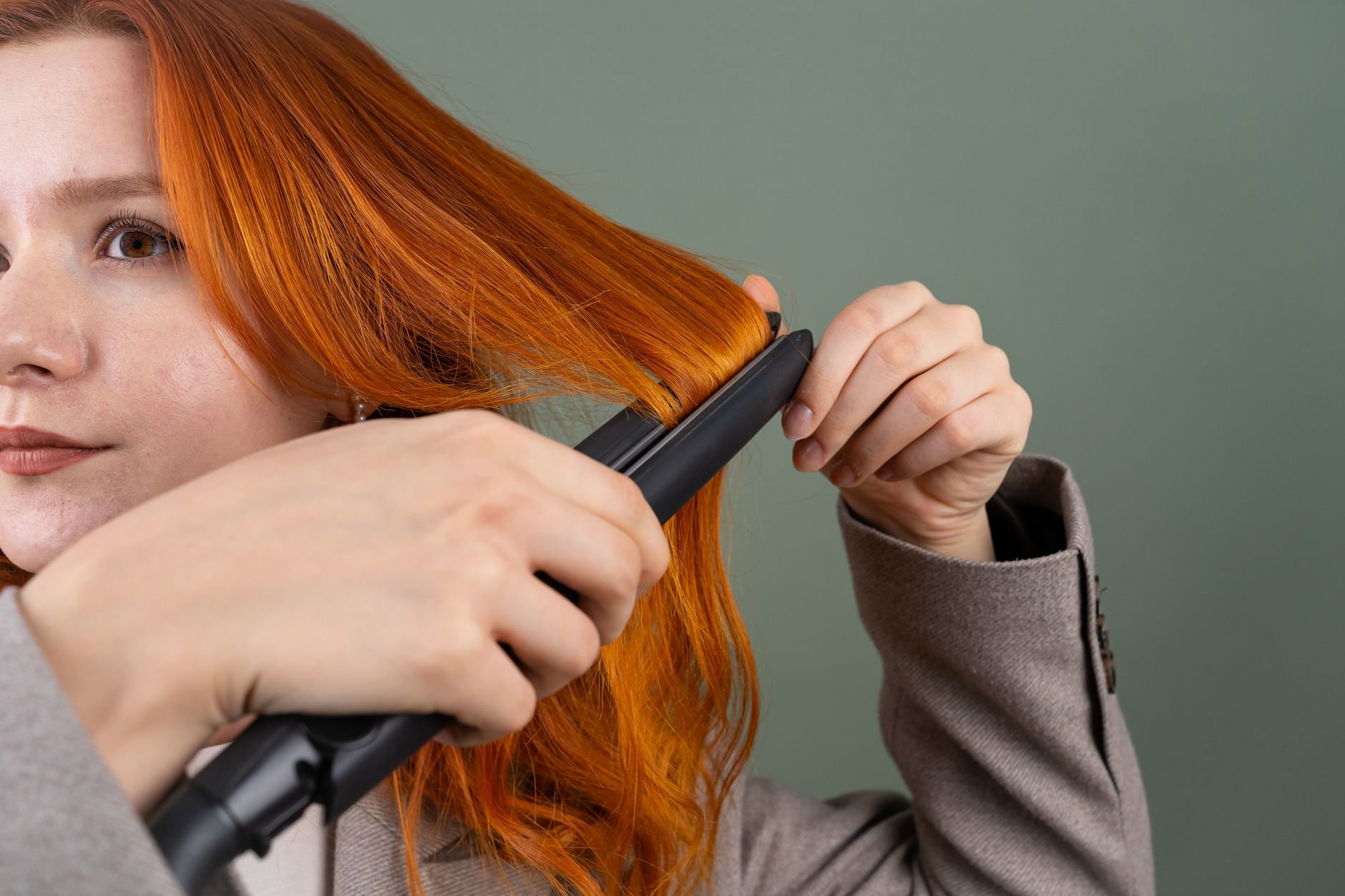
Heat tools cause the most trouble when women use them too hot, too often, or on hair that still holds water. Water inside the fibre expands fast as it heats. That pressure can create bubbles and weak spots. Technique matters more than the tool brand.
Colour behaves differently. Oxidative dyes and lighteners can swell the cuticle and alter bonds inside the cortex. That sounds scary, but it also explains why some women colour for years with minimal breakage: they keep the cuticle smooth with conditioning, reduce friction, and avoid repeated high-lift processes.
Our price tracker backs up the practical side of this debate. When “damage” headlines trend, we see shoppers shift into repair serums, masks, and scalp products rather than switching off heat entirely. That pattern fits real life in the UK: damp winters, indoor heating, and hard water in many areas all add dryness and roughness that women mistake for “heat damage”.
What our price tracker says this week: the deal shape looks unusual
This week’s merchant feed shows something we don’t see every month: luxury and salon haircare dropping to near-impulse prices on a single marketplace.
The standout for scalp and flakes sits in pro territory. Kérastase Symbiose Purifying Anti-Dandruff Cellular Shampoo has dropped from £61.98 to £10.14 at YesStyle. That’s an 83% cut. For women who bounce between clarifying shampoos and soothing shampoos, this sort of discount changes the usual “drugstore vs salon” calculation.
We also see a strong “supporting cast” of low-priced, high-utility items. NO7 Good Intent Glow Guard Spf30 sits at £7.95 at no7 Beauty with a 5.0/5 rating in our feed. That matters because scalp and parting SPF still gets ignored, and UV roughens cuticles over time.
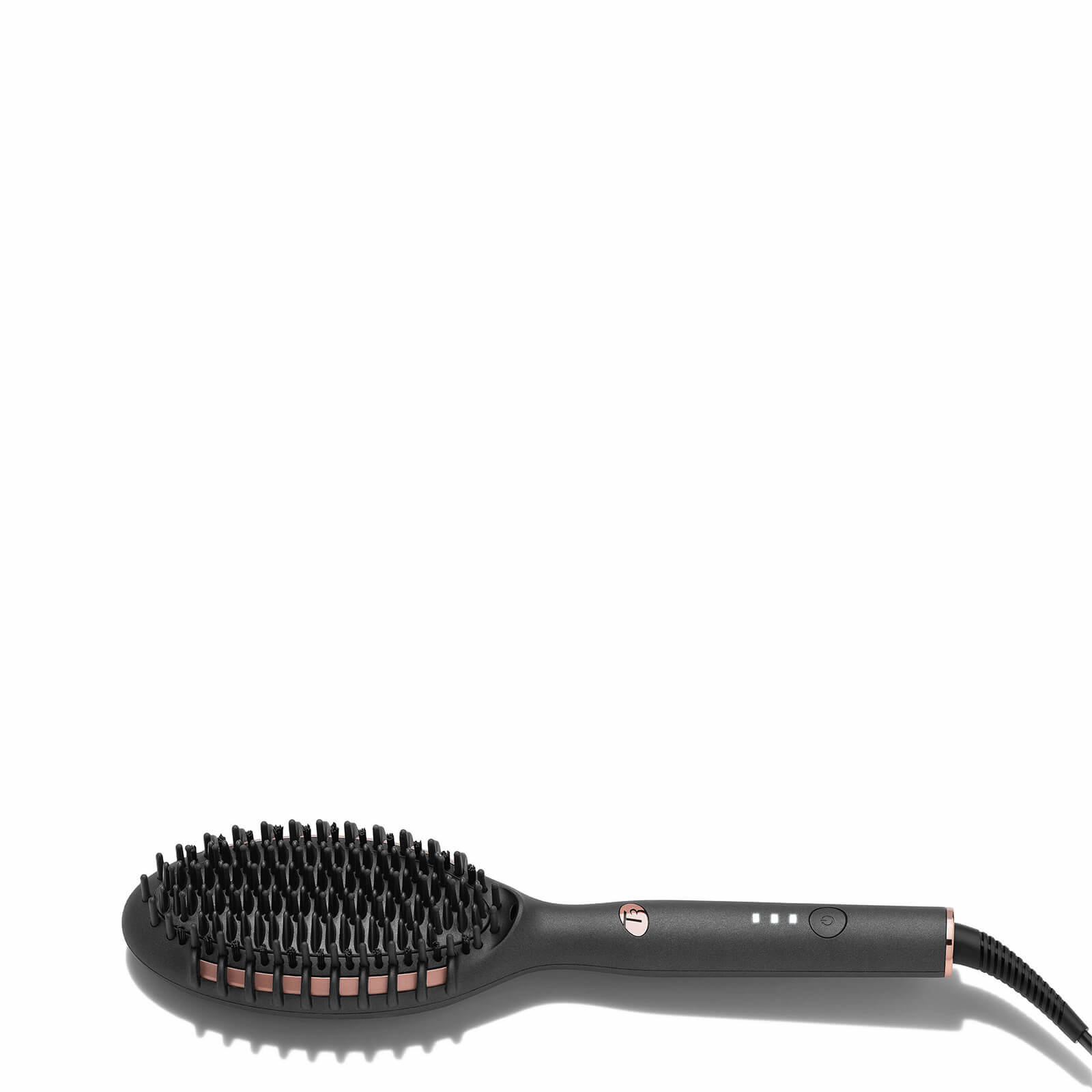
On the tools side, the market looks equally odd. T3 Volumising Hot Rollers Luxe has hit a 12-month low at £15.00 on lookfantastic. Hot rollers offer a lower-friction route to volume than daily high-heat tonging, if women use the right prep and cooldown.
We’re treating these as “shop window” signals: retailers and marketplaces currently reward women who buy systems (cleanse + treat + protect) rather than single miracle products. That’s how to make the headline claim true in your own routine.
Heat styling without the drama: a UK-proof method that reduces breakage
Most heat damage comes from process errors, not the act of styling. Fix the process and you usually keep the look while cutting the wear-and-tear.
Step 1: dry properly before you style. If you blow-dry, aim for hair that feels fully dry at the roots and near-dry through the lengths. Wet-to-hot styling causes the highest stress. If you air-dry in a damp UK flat, give yourself extra time or use a low-heat rough dry first.
Step 2: use tension, not temperature. Women often crank heat because they want the style to “take”. Better tension (a brush with grip, smaller sections, slower pass) usually gives the same result at a lower setting. If your tool has a numeric control, treat the top settings as occasional, not daily.
Step 3: cap your passes. One slow pass beats three fast ones. Multiple passes compound cuticle wear. This matters most on lightened hair and on the mid-lengths where breakage shows first.
Step 4: finish with friction control. Shine products don’t “repair” hair, but they reduce snagging, which reduces mechanical breakage. If you’re shopping categories, we’d rather see women spend on a solid shampoo and conditioner pair from the Moisturising & Nourishing Shampoos and Moisturising & Nourishing Conditioners sections than chase a dozen styling minis.
Where the deals fit: if flakes or itch push you into harsher washing, the Symbiose discount (now £10.14 at YesStyle) creates room in the budget for a better conditioner and a heat protectant, instead of over-clarifying and then blaming your straighteners.
Colour care: stop treating faded colour as “damage”
Women often describe colour fade, brassiness, and rough texture as one big problem. They’re linked, but they need different fixes.
Fade often comes from frequent washing, hot water, and aggressive surfactants. Brassiness relates to underlying pigment and light exposure. Roughness comes from cuticle lift plus friction. If you tackle the wrong one, you buy more “repair” than you need.
In UK water conditions, hard water can make colour look dull and feel coated. You don’t need a detox routine every wash. You need a cadence: a gentle shampoo most washes, and a clarifying wash occasionally, followed by serious conditioning.
If you use purple shampoo, keep contact time short and follow with a richer conditioner. Overusing toning shampoos can leave hair feeling dry, which women then mislabel as “heat damage”.
We also want to call out UV. It fades colour and roughens the surface. If you part your hair in the same place all summer, that line sees repeated exposure. That’s why a face-and-scalp SPF habit matters. NO7 Good Intent Glow Guard Spf30 at £7.95 gives an affordable nudge to protect the parting, hairline, and even the top of ears—areas that affect how “healthy” hair looks beside the face.
Scalp first: flakes, oil and itch can sabotage your lengths
When women fight a flaky scalp, they often increase washing frequency and scrub harder. That can improve flakes short-term and worsen dryness and breakage long-term.
Think of scalp care as skin care. You want targeted actives at the scalp and gentle handling through the lengths. Anti-dandruff shampoos often use actives such as piroctone olamine, zinc pyrithione (less common now), selenium sulphide, or antifungal agents depending on the formula and market. The goal is to reduce the yeast-driven flake cycle and calm irritation.
That’s where the Kérastase Symbiose deal looks genuinely useful. At £10.14 (down from £61.98) it becomes a low-risk trial for women who want a more cosmetically elegant anti-dandruff wash than many high-street options. Use it mainly at the scalp, leave it on briefly, then rinse well. Let your conditioner do the heavy work on mid-lengths and ends.
If your scalp feels tight after washing, don’t assume you need “repair”. You may need less friction and more consistent conditioning. Look for a conditioner that gives slip, and detangle gently from ends upwards.
For readers browsing by category on GlamGeek, start in hair care and filter by scalp concerns first. A calm scalp often makes your lengths behave better with the same styling habits.
Low-heat volume is trending for a reason: rollers vs daily tonging
Trend pieces keep pushing glossy, bouncy hair—what some outlets call “glass hair at the roots”. The technique behind it matters more than the finish spray.
Hot rollers earn their place because they create shape with less direct, repeated heat on the same strands. They also encourage a full cooldown, which helps the style set without extra passes from a curling wand.
Our feed shows T3 Volumising Hot Rollers Luxe at £15.00 on lookfantastic, which is its lowest price in 12 months. That price point makes rollers a realistic experiment even if you normally shop Boots or Superdrug for haircare.
How to use rollers for less damage:
- Start on hair that’s fully dry, with a light mist of heat protectant.
- Roll the top section first for lift, using medium tension rather than pulling tight.
- Clip securely so you don’t keep re-rolling (extra handling equals extra friction).
- Let rollers cool completely before removing.
- Brush out gently, then finish with a small amount of smoothing product on the ends.
If you want to keep tools purchases disciplined, treat rollers as a swap, not an add-on. If rollers replace daily tonging, the value sits in reduced wear on the mid-lengths.
When “repair” makes sense: choose the right category, not the loudest claim
Some hair really does need repair support, especially after high-lift bleaching, repeated colouring, or years of friction from tight styles. The fix still depends on the type of problem.
If hair snaps easily, you need strengthening and fewer stressors. Look for bond-building or protein-balanced masks, and reduce heat frequency. If hair feels like straw but doesn’t snap, you likely need more conditioning, oils, and gentler washing rather than more protein.
If hair looks dull, you may need cuticle smoothing and better rinse habits. Hard water build-up can mimic “damage” by making hair feel coated. A periodic clarifying wash plus a rich conditioner often outperforms stacking serums.
If ends look frayed, no product can fuse split ends permanently. You can temporarily smooth them with silicones and oils, but trims still matter. That isn’t marketing pessimism; it’s fibre physics.
For women shopping by product type, it helps to separate your basket: a shampoo from Moisturising & Nourishing Shampoos, a conditioner from Moisturising & Nourishing Conditioners, and then a mask from Hair Masks if you truly need it. This structure stops you buying three “repair” products that all do the same surface-smoothing job.
We also watch brand interest spikes. When salon names trend, shoppers often forget to compare. Use GlamGeek’s brand pages—such as Kérastase—to check who actually has stock and whether the discount sits on a single item or across a range.
Shopping rules for UK women: how to spot a real deal and avoid a dud
Deals look impressive when the percentage screams. Value comes from whether you’ll use the product correctly and consistently.
Rule 1: buy for your bottleneck. If your bottleneck is frizz and roughness, prioritise conditioner and leave-in, not a fourth shampoo. If your bottleneck is scalp flakes, fix that first because it changes how often you wash.
Rule 2: don’t “deal” yourself into a routine you won’t do. A multi-step system can work, but only if it fits your week. If you wash twice weekly, a potent scalp shampoo can last months. If you wash daily, you need a gentler baseline shampoo and a targeted treatment wash on a schedule.
Rule 3: compare retailers, then check delivery realities. Boots and Superdrug win on convenience and easy returns. Space NK and Cult Beauty often win on premium edits and gift-with-purchase. Marketplaces can win on price, but timing and shade/variant availability can vary. Our tracker helps you see the price, but you still need to pick the buying route that suits you.
Rule 4: protect what you already paid for. Colour services cost more than most products. If you colour your hair, treat UV and heat protection as “maintenance”, not “extra”. That’s why a low-priced SPF like NO7 Good Intent Glow Guard Spf30 at £7.95 can be the most cost-effective add-on in the basket.
What this means for your hair this month
The headline claim—that heat and colour don’t have to destroy hair—holds up when women control the variables: temperature, wetness, friction, and frequency. You don’t need to quit styling. You need to stop stacking avoidable stress.
From a shopping angle, this week’s data suggests a smart reset. If you’ve been stuck in “damage buying”, shift towards a three-part plan: a scalp-appropriate shampoo (the Symbiose drop to £10.14 makes that easier), a conditioner that gives slip, and a styling method that reduces repeat heat (the T3 rollers at £15.00 make a strong case). Then add targeted protection like parting SPF where it fits your life.
Tell us what your hair actually does
Which problem shows up first for you—breakage at the front, dry ends, frizz in damp weather, or a scalp that never quite settles?
If you share your top issue and how often you heat-style or colour, we’ll use our tracker to suggest the most cost-effective category to shop next, without the “panic repair” upsell.