
Choosing hair clips for fine or thick hair comes down to three things: grip geometry (teeth, curve, spring tension), size (how much hair the clip must wrap), and surface friction (how much the clip slides on smooth strands).
Fine hair usually fails at the “friction” step: clips sit on the surface and slip. Thick hair usually fails at the “capacity” step: clips can’t close fully, so the spring stays under stress and snaps, or the hold loosens within hours.
We built this guide around what our pricing and merchant feed shows UK shoppers actually buy: practical claw clips, scrunchies and elastics that create grip, plus a few specialist add-ons. No fluff. Just hair accessories that behave.
The basics: what makes a clip hold (or fail)
Hair clips work like any clamp. The spring provides force, the jaws provide contact area, and the surface provides friction. When any part mismatches your hair type, you get sliding, snagging, or breakage.
Fine hair tends to be low in diameter, often silky, and it compresses easily. That means a clip can feel “tight” yet still glide because the hair collapses under pressure. You need more contact points (teeth, multiple sections, smaller grabs) and routines that add texture before you clip.
Thick hair can be dense, coarse, curly, or simply a lot of strands. The issue: many clips close only halfway, so the spring stays stretched. Over time, that constant tension can lead to cracking at the hinge or the clip popping open.
Two non-obvious points matter in the UK. Indoor heating from October to March can dry hair, which raises static and increases tangles. Clips snag more when the hair shaft feels rough. Summer heat can soften styling and make roots oilier, which reduces friction and increases slipping.

Clip types explained (and which hair types they suit)
Readers often ask for a neat list of “best clips,” but clip type only works when it matches hair density and the style you want. Here’s how to think about the main types people search for.
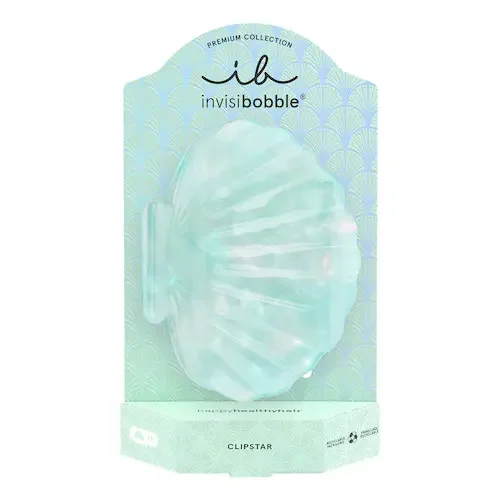
Claw clips (the classic hinged clip with teeth) work by distributing pressure across many contact points. They suit both fine and thick hair, but only when you choose the right size and don’t overload the hinge. From our tracked catalogue, two clear options sit at different style and price points: Kitsch Eco-Friendly Jumbo Open Shape Claw Clip (from £8.00) and Invisibobble Clipstar Premium Bloom Hair Clip (from £15.99). The Invisibobble option includes bead accents in the product description, so it doubles as a visible accessory.
Mini claws (small clamps) excel on fine hair because they can “section grip” without weighing hair down. If your updo always slides, swapping one large clip for several minis often fixes it. The brushworks Mini Claw Clips appear in our feed from £28.20—pricey for minis, so we’d treat them as a style buy rather than a basics restock.
Snap clips and barrettes hold best when they can sit close to the scalp and capture a thin layer cleanly. If you have thick hair, they often fail because the closure can’t span the volume. We can’t recommend a snap clip or barrette from the current top-products list, so we’ll keep the advice technique-led rather than product-led.
Banana clips (curved clips that gather hair lengthwise) work best on medium-to-thick hair for ponytail-like shapes, but they rely on a consistent curve and enough jaw length. Again, no banana clip appears in the product list, so treat this as guidance for what to look for if you shop elsewhere.
Pins (bobby pins, U-pins) anchor styles by piercing and locking hair sections. They often work on fine hair when used in criss-cross patterns, but they can snag if the ends feel rough. No pins appear in the product list, so we’ll focus on clip choices plus texture-building accessories you can use with them.
Fine hair: how to stop clips sliding (without pulling at roots)
Fine hair doesn’t need “stronger” clips as much as it needs smarter distribution. When you clamp a thick bundle of fine hair, the bundle compresses and the clip shifts. Smaller, layered sections behave better.
Start with this rule: more clips, less hair per clip. For half-up styles, try two to four mini claws placed slightly diagonally rather than one big claw placed horizontally. This gives you more teeth contact and creates friction through overlap.
For ponytails and low buns, you can also build grip before you even touch a clip. A soft elastic can create a “base” that a claw clip can bite into. Two options in our tracked list focus on hair-friendliness: Invisibobble Hair Scrunchies (from £5.99) use a spiral shape that distributes pressure and aims to leave fewer marks, and Kitsch Recycled Nylon Elastics (from £5.36) sit in the everyday category. For fine hair, that even pressure matters because tight ties can cause breakage where hair is weakest.
Then pick your claw. If your hair is fine and shoulder length or shorter, a jumbo clip can feel secure at first but fail over time because it clamps empty space. A medium-sized clip like Invisibobble Clipstar Premium Bloom Hair Clip (from £15.99) often matches the scale better, while still looking polished.
One more fix: sleep and friction. Fine hair frays faster, and frayed ends tangle into clips. A smoother night surface can help reduce that roughness over time. The Kitsch Satin Pillowcase (from £12.80) claims reduced friction to tame frizz and reduce breakage, plus it absorbs less moisture and dirt. That doesn’t replace a good clip, but it can reduce the snag factor that makes clips feel “too grabby.”
Thick hair: sizing, spring strain, and why “jumbo” isn’t always enough
Thick hair needs clips that can close fully. If the jaws sit open, the spring stays under constant load and the hinge becomes the weak point. That’s when you hear the dreaded crack.
The most reliable approach for thick hair: match clip capacity to the style. If you want a full French twist, you need a large jaw and a curve that can wrap the twist, not just clamp the outside. In our product list, the Kitsch Eco-Friendly Jumbo Open Shape Claw Clip (from £8.00) sits squarely in the “big clip” lane.
But “jumbo” can still fail on very dense hair, especially long hair. In that case, stop asking one clip to do everything. Use an elastic first to reduce bulk and give the clip something stable to bite into. A spiral tie like Invisibobble Hair Scrunchies (from £5.99) can help spread pressure, which matters for thick hair because tight ponytails can create tension headaches.
For thick hair that feels dry or frizzy, towel behaviour can affect clip hold. Rubbing with a standard towel can roughen the cuticle and increase snagging. The Revolution Hair 2Pk Microfibre Hair Wrap (from £4.00) gives you a gentler, hands-free dry-down, with a button fastening so hair stays contained. Less tangling means smoother clipping later.
If your thick hair is also curly or textured, you may prefer accessories that secure from the root without constant re-clipping. The CANTU Comb Clip shows up in the list from £28.00. The description attached in the feed appears mismatched, so we won’t claim special features beyond the name and category. Still, comb-clip formats generally aim to anchor into hair rather than clamp it.
Grip and material logic: friction, snagging, and breakage in plain English
Most shoppers blame “slippery hair” when a clip slides. Often, the real issue sits in the contact design. Teeth spacing, inner curve, and how the clip distributes pressure matter as much as hair texture.
Friction depends on how much surface area touches hair and how much the hair compresses. Fine hair compresses a lot, so the clip can end up gripping itself rather than the hair. That’s why mini claws can outperform large claws on fine hair: they clamp closer to the scalp with less empty space.
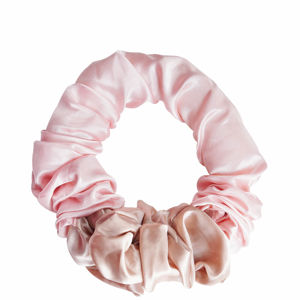
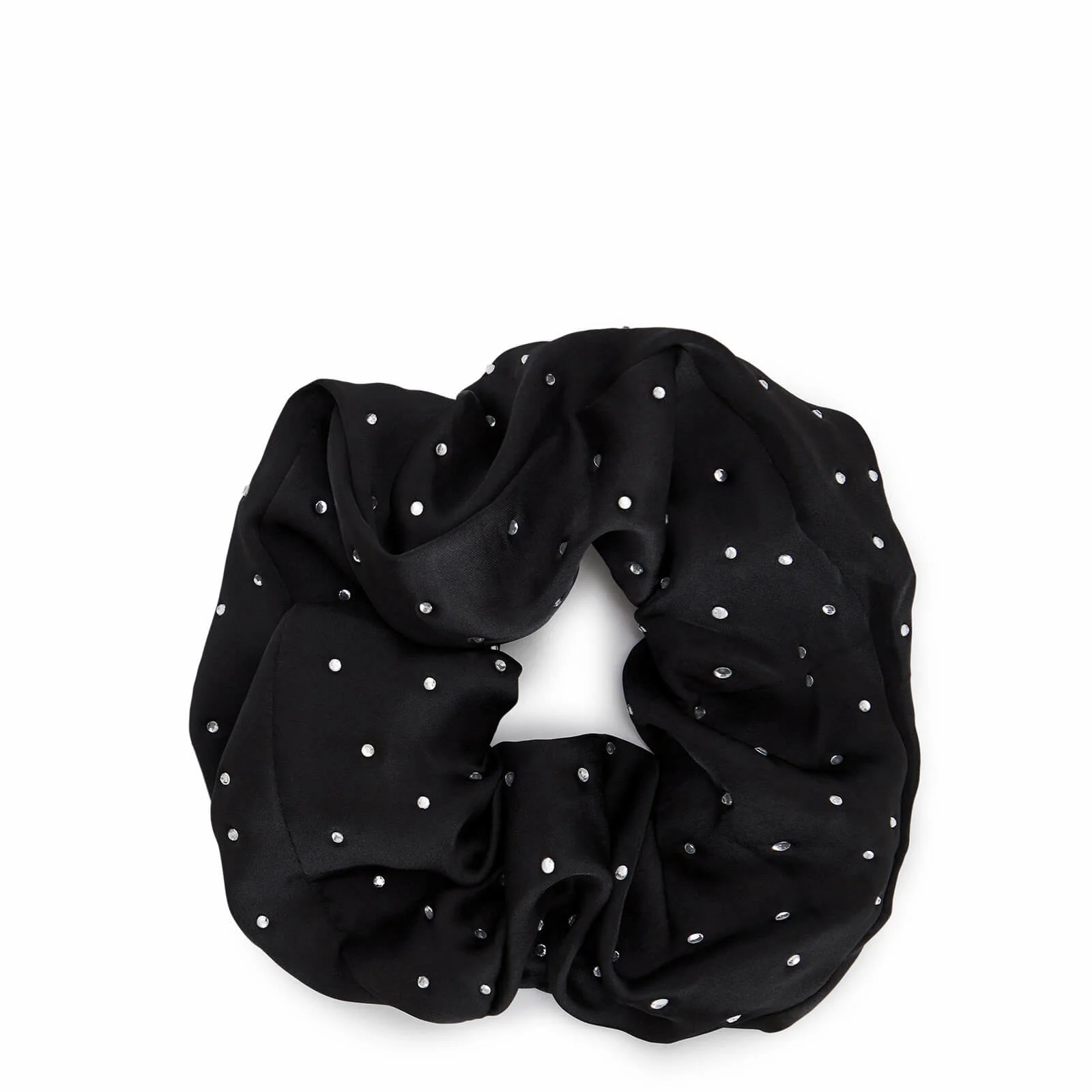
Snagging usually comes from two things: rough hair (dryness, split ends, towel abrasion) and sharp clip edges. We can’t verify edge finishing for every product here, so we focus on tactics that reduce roughness. Two sleep-focused accessories aim to cut friction: Kitsch Satin Sleep Scrunchies (from £6.25) use satin fabric and explicitly claim they keep hair up without crimping or snapping, and the Kitsch Satin Pillowcase (from £12.80) claims less friction and reduced breakage.
Breakage can mean hair breakage or clip breakage. Hair breakage often comes from tight, narrow elastics that concentrate force. Clip breakage often comes from thick hair forcing the hinge open. That’s why we treat clip size as a structural decision, not just an aesthetic one.
If you want a quick comparison, here’s the decision framework we use when we scan listings across retailers like Boots, Superdrug, and Cult Beauty: pick the clip that closes cleanly first, then choose the one that looks nicest.
Fast comparison: which accessory solves which problem?
- Slipping fine hair: brushworks Mini Claw Clips (from £28.20) + smaller sections.
- Thick hair twist or full updo: Kitsch Eco-Friendly Jumbo Open Shape Claw Clip (from £8.00) + elastic base.
- Mark-free hold: Invisibobble Hair Scrunchies (from £5.99), spiral shape in the description.
- Less snag over time: Kitsch Satin Pillowcase (from £12.80) or Kitsch Satin Sleep Scrunchies (from £6.25).
- Less towel-induced frizz: Revolution Hair 2Pk Microfibre Hair Wrap (from £4.00).
- Accessory as jewellery: Invisibobble Clipstar Premium Bloom Hair Clip (from £15.99).
Step-by-step: getting secure hold with claw clips (fine vs thick)
A claw clip can do more than a quick “twist and clamp.” Technique decides whether it lasts two hours or all day.
Fine hair claw-clip method (lasting half-up):
- Brush hair back with your fingers and gather only the top layer.
- Twist once, but don’t rope it tight. Tight twists shrink the bundle and encourage slipping.
- Place the clip so the lower teeth catch a little hair near the scalp.
- If it still slides, split the section into two and use brushworks Mini Claw Clips (from £28.20) on each side.
Thick hair claw-clip method (secure twist):
- Gather hair into a low pony with Kitsch Recycled Nylon Elastics (from £5.36) or Invisibobble Hair Scrunchies (from £5.99). Keep it loose.
- Twist the pony upwards into a vertical roll.
- Fold the ends down if they stick out, then clamp with a large clip such as Kitsch Eco-Friendly Jumbo Open Shape Claw Clip (from £8.00).
- If the clip won’t close, remove some hair from the roll and secure it separately with a second clip. Don’t force the hinge.
For both hair types, placement matters. If the clip sits on a smooth crown with no “anchor,” it will migrate. Aim for a point where hair changes direction: behind the ears, lower crown, or nape.
Also: don’t underestimate prep. If your hair tangles easily, dry it gently first. A microfibre wrap like Revolution Hair 2Pk Microfibre Hair Wrap (from £4.00) can reduce rough handling while it dries.
Buying checklist: clips that won’t slip, snag, or break
This is the checklist we’d use before adding a clip to basket, especially when shopping online where you can’t test the spring with your hands.
- Does it match your hair volume? Fine hair usually needs smaller jaws; thick hair needs a clip that closes fully.
- Do you want invisible function or visible style? For an accessory look, Sephora Collection also sits in our wider catalogue, and the product list includes Sephora Collection Self-Adhesive Hair Gems Holographic (from £42.00) for decorative detailing.
- Will it snag on dry ends? If snagging becomes a pattern, reduce friction at night with Kitsch Satin Pillowcase (from £12.80) and use gentler ties like Kitsch Satin Sleep Scrunchies (from £6.25).
- Will you overload one clip? If yes, plan for mini claws or use an elastic base first.
- Will you wear it for hours? Pressure distribution matters. Spiral ties like Invisibobble Hair Scrunchies (from £5.99) aim to spread pressure evenly, per the description.
- Do you need quick styling volume? For ponytail fullness without teasing, Kitsch Ponyfull (from £8.75) positions itself as a low-maintenance tool for a more voluminous-looking ponytail.
- Are you paying for the right thing? Our price tracking often shows basics (wraps, elastics) pricing low and stable, while fashion clips fluctuate more by retailer.
A note on “breakage”: if you mainly mean hair breakage, focus on ties and friction. If you mean clip breakage, focus on capacity and not forcing the hinge shut on thick hair.
Practical routines for real life: gym hair, desk hair, sleep hair
Most clip advice ignores the day. The UK work-and-commute reality means hair goes from damp outdoor air to dry indoor heating fast, and styles loosen.
Desk day (fine hair): Keep two mini claws in your bag. Re-clipping a smaller section causes less pulling than redoing a tight ponytail. If you need polish for a video call, a medium decorative clip such as Invisibobble Clipstar Premium Bloom Hair Clip (from £15.99) reads intentional rather than “emergency hair fix.”
Gym or long walks (thick hair): Start with a spiral tie like Invisibobble Hair Scrunchies (from £5.99) to spread pressure, then add a claw clip only if you need to keep length off your neck. For very thick hair, the elastic does the heavy lifting.
Sleep (both types): Reduce friction and tension rather than clamping hair with a daytime clip. The Kitsch Satin Sleep Scrunchies (from £6.25) position themselves as soft and non-crimping, and the Kitsch Satin Pillowcase (from £12.80) claims less friction and less breakage. That combo helps if clips snag because hair feels rough in the morning.
If you want extra ponytail volume without over-tightening, Kitsch Ponyfull (from £8.75) offers a shortcut. It aims to boost fullness while keeping styling low effort.
Quick takeaways (save this before you shop)
Fine hair: choose smaller claws, clip smaller sections, and use hair-friendly ties to build a base. Thick hair: avoid forcing clips to close, use elastics to reduce bulk, and pick jumbo claws when you want a full twist.
When in doubt, buy one functional clip and one comfort accessory. A big claw such as Kitsch Eco-Friendly Jumbo Open Shape Claw Clip (from £8.00) plus a low-tension tie like Invisibobble Hair Scrunchies (from £5.99) solves more bad-hair days than a drawer full of random clips.
Looking for a specific style outcome—half-up that won’t budge, twist that won’t crack a hinge, or a clip that looks like jewellery? Tell us your hair length and density, and we’ll point you to the most sensible pick from the list.