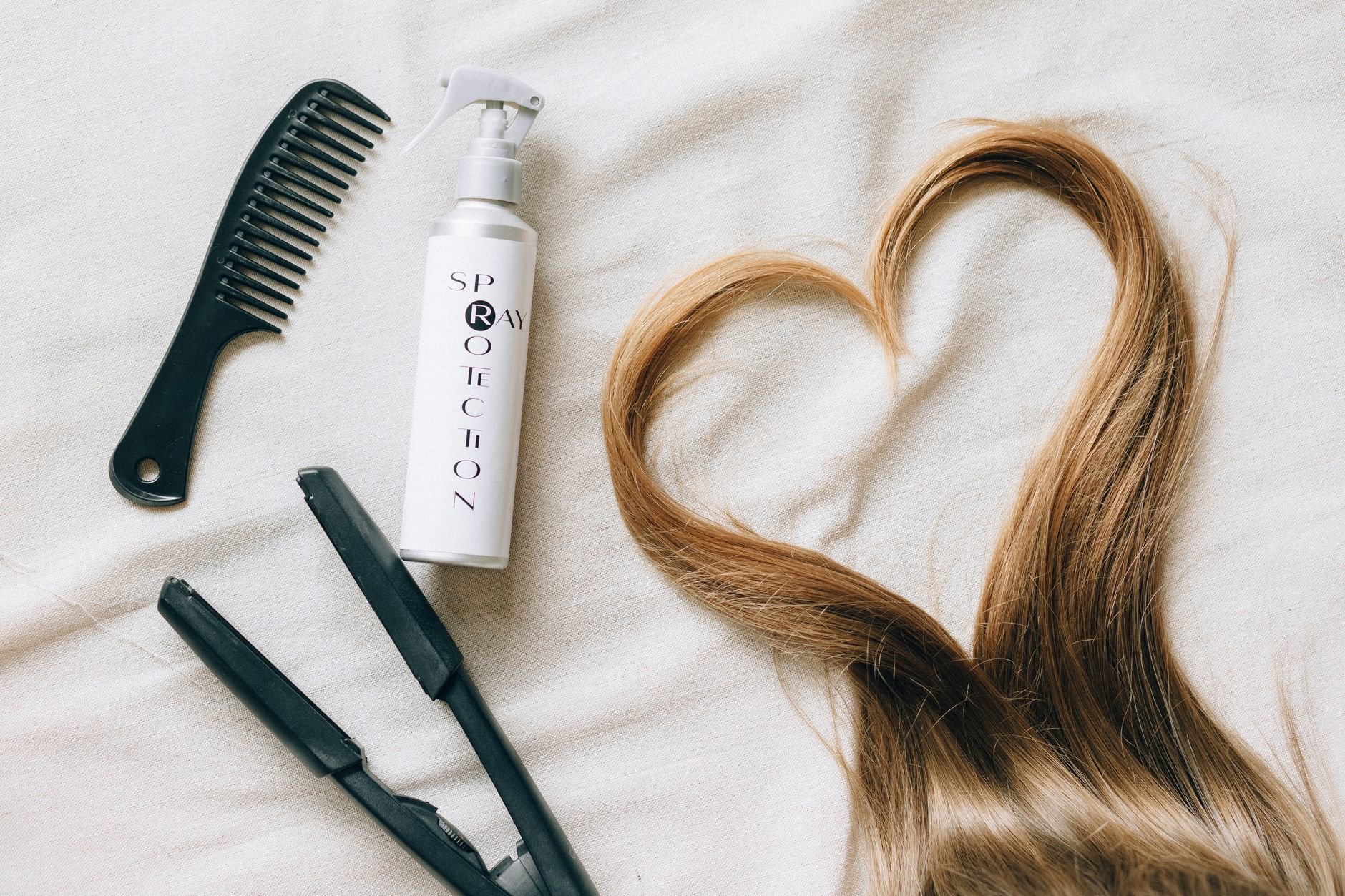
Heat styling never really goes away in the UK. It just changes shape.
Across our merchant feed, one detail jumps out this week: the T3 Volumising Hot Rollers Luxe has dropped to £15.00 at lookfantastic, which our price tracker flags as its lowest price in 12 months. For a tool category that usually sits far higher, that kind of low changes the cost-benefit maths of “heat versus no heat”.
Meanwhile, the beauty headlines keep circling hair trends and heat myths. One industry expert even claims colour and heat styling don’t “drastically” damage hair. We don’t buy blanket statements. Hair responds to dose, technique, and aftercare. Get those right and heat can be a styling tool, not a slow-motion disaster.
This guide stays practical and UK-specific: damp winters, indoor heating, surprise drizzle, and the constant temptation to re-iron the same front pieces. We’ll break down what heat actually does to the fibre, how to choose the least-worst tool for your goal, and how to get the look with fewer passes.
Why “heat damage” isn’t one thing
Heat damage sounds like one problem. It’s several.
Hair mainly consists of keratin proteins, water, lipids, and a cuticle “roof” that protects the inner cortex. Heat can disrupt all of those. At lower temperatures, repeated styling mostly dries the fibre and roughens the cuticle. At higher temperatures, you can denature proteins and weaken the structure, especially when you stack heat on top of chemical processing.
Water matters more than most people realise. Hair that still holds internal moisture can bubble under high heat (“bubble hair”), leaving weak points that snap later. On the other hand, hair that stays chronically dehydrated from indoor heating (hello, October to March) also turns brittle and frizzy, which triggers more heat use. That loop causes the damage.
So when you hear “heat isn’t that bad”, translate it into something more precise: one-off heat at a controlled temperature may not cause obvious breakage. But UK real life usually involves repeated touch-ups, rainy-day re-styling, and product build-up that forces you to crank the heat.
Our rule: focus on reducing total heat exposure, not chasing a single “safe” number on a dial. That means fewer passes, lower tension, and tools that match your hair type.
The UK factor: humidity, drizzle, and why hair keeps “reverting”
British humidity does something cruel: it undoes your work while making you think you need more heat.
Humidity makes hair swell as it absorbs water from the air. That shifts hydrogen bonds in the fibre, which are exactly the bonds you manipulate with blow-drying, rollers, and straighteners. If you straighten a section and then walk into damp air, the hair tries to return to its previous bond pattern.
That doesn’t mean you need a hotter iron. It means you need a better prep. Frizz control in humidity usually improves when you:
- Dry thoroughly before any direct heat (no “nearly dry” shortcuts).
- Use film-formers (many heat protectants include them) to reduce moisture exchange.
- Finish with a seal: a lightweight serum or spray that smooths the cuticle.
- Choose a style that tolerates weather: soft bends and volume hold up better than pin-straight glass hair in drizzle.
This is also why rollers have a quiet advantage in the UK. A roller set gives you shape without clamping hair between two hot plates. You often get longer wear with less “humidity shock”, especially if you let the set cool fully.
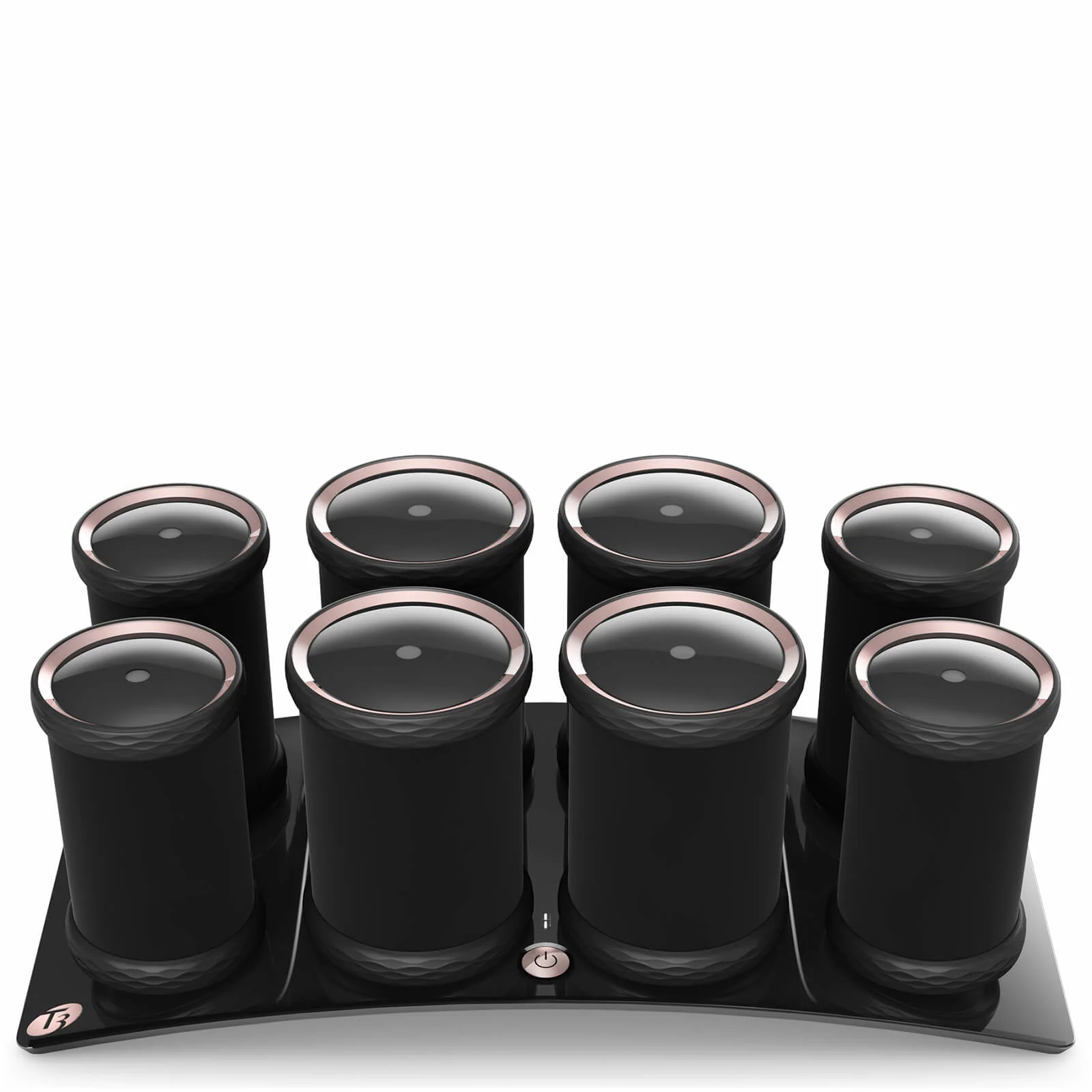
If you’ve been curious about rollers but avoided the cost, this week’s data makes the experiment cheaper. Our price tracker shows T3 Volumising Hot Rollers Luxe at £15.00 at lookfantastic (12-month low). At that level, it competes with many mid-range brushes and accessories, not just pro tools.
Tool choice: match the heat method to the result you want
Most heat damage happens when the tool doesn’t match the job.
If you want a smooth blowout look, a blow-dry (with airflow and a brush) usually beats repeated straightener passes. Airflow shapes hair while evaporating water; it can run cooler than plates, depending on your settings and distance. The trade-off: technique matters more.
If you want volume that survives a commute, rollers often win. They heat the hair more gently, then you lock the style in by cooling. The cooling step matters because it helps re-form bonds in the new shape. Skip the cool-down and you lose longevity, then you re-heat, then you spiral.
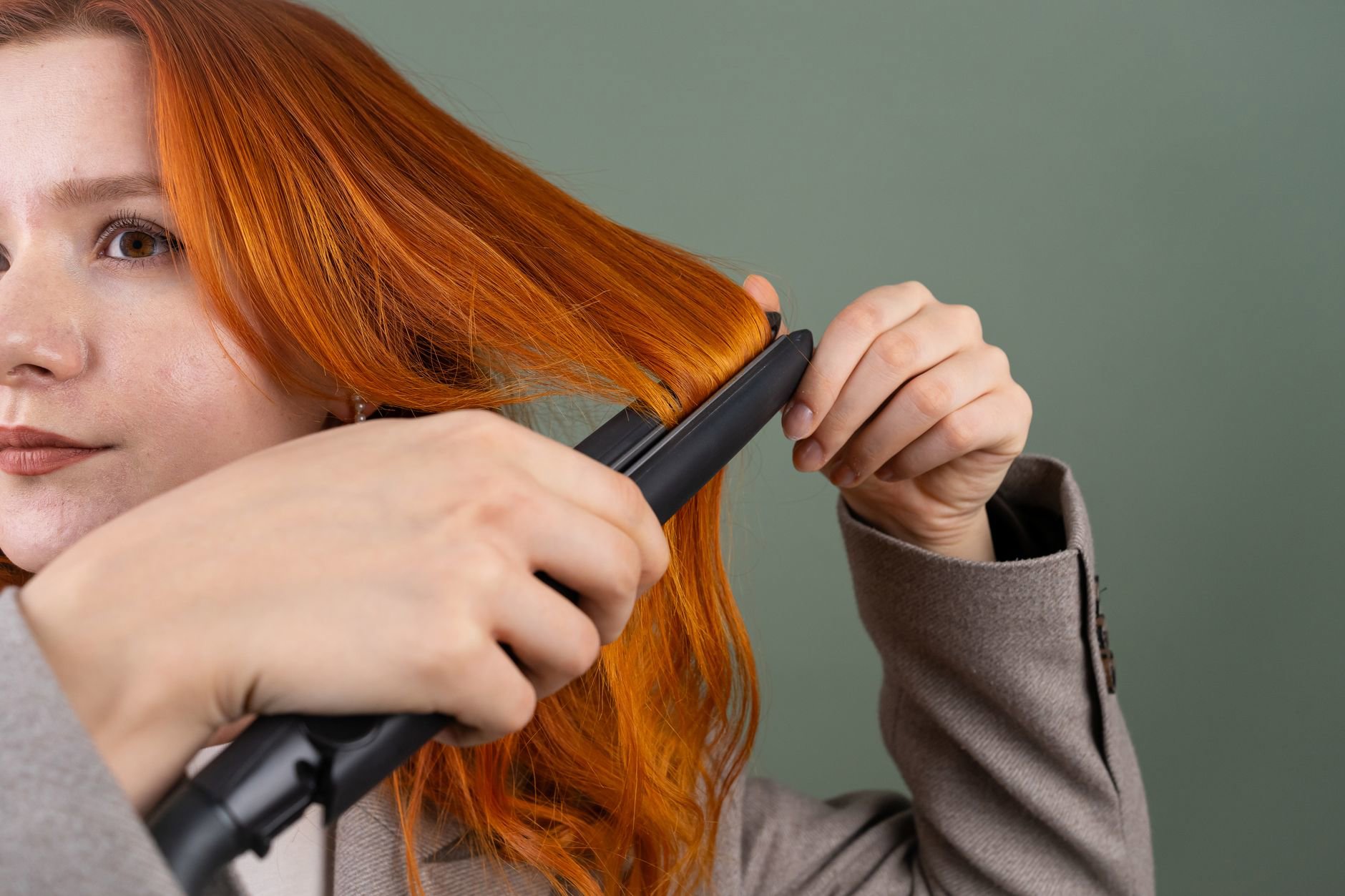
If you want sleek ends, a straightener works, but it has the most “contact heat”. That means you need the strictest rules: low-to-mid temps, small sections, one slow pass rather than three fast ones, and no straightening damp hair. Ever.
Our UK shopping note: tool pricing swings wildly at retailers like Lookfantastic, Boots, and John Lewis across the year. When our feed flags a true 12-month low like £15.00 for the T3 rollers, that’s usually when it makes sense to buy the tool rather than keep spending on emergency frizz fixes. If you’re browsing categories, GlamGeek’s tool and accessories pages under Makeup Brushes & Applicators can also help you compare the “support kit” you’ll need (clips, brushes, and sponges for setting makeup after styling), without guessing.
Heat protectant: what to look for (and what to ignore)
Heat protectant marketing tends to shout a temperature number. That number rarely helps you style better.
What you actually want is a formula that does three things:
- Reduces friction so your tool glides, rather than snags and snaps hair.
- Forms a light film that slows water loss and moisture uptake.
- Improves manageability so you need fewer passes.
Common ingredient families include silicones (like dimethicone or amodimethicone), certain polymers (PVP/VA-type film formers), and conditioning agents. Silicones get unfairly blamed for everything. In the real world, for heat styling, they often help because they reduce friction and give slip. The downside comes when build-up forces you to use hotter settings to get the same result.
That’s why heat protection always pairs with cleansing habits. If you use a lot of smoothing products, rotate in a clarifying wash occasionally, then go back to your usual Moisturising & Nourishing Shampoos and Moisturising & Nourishing Conditioners. That balance keeps slip high without the “coated” feeling that encourages more heat.
We also like to see shoppers treat heat protectant as a measured step, not a quick spritz. For sprays, section hair, mist from a sensible distance, comb through, then dry. For creams, use less than you think and distribute evenly. Uneven protectant leads to random crunchy patches and hot spots.
Technique that cuts damage: the “one-pass” plan
If you change one habit, change this: stop reworking the same section.
Damage correlates strongly with repetition. A medium heat applied five times can beat a higher heat applied once. The goal becomes “one deliberate pass” rather than “lots of quick ones”.
Try this step-by-step approach for straightening or bending:
- Start with fully dry hair. If you blow-dry, rough-dry first, then refine.
- Brush or comb into small sections. Thick sections force more passes.
- Set your temperature lower than your ego wants. Increase only if hair doesn’t respond.
- Go slower, once. A slow pass transfers heat evenly.
- Let it cool untouched before you clip, tuck behind ears, or add serum.
Rollers follow the same principle in a different form: heat once, cool fully. With hot rollers, keep sections tidy, use the right roller size for the bend you want, then wait for full cool-down before removing. That cool-down often matters more than leaving them in longer while hot.
For women who style before work, this matters because rushed styling leads to repeated touch-ups later. If you build a set that lasts through your commute, you reduce the lunchtime “quick iron” that quietly causes most breakage.
Aftercare: shine without greasiness (and without more heat)
Aftercare decides whether you’ll need to restyle tomorrow.
Post-heat hair usually needs two things: cuticle smoothing and humidity control. That can be a light serum, a spray, or even a tiny amount of cream worked through ends. The mistake we see most in UK routines involves over-applying oil. Too much oil attracts dust and makes hair feel heavy, then you wash more, then you dry more, then you heat more.
A better approach: use minimal product, then protect the style physically. Sleep on a smooth pillowcase, loosely tie hair, and avoid tight elastics that stress heated hair at the weakest points (mid-lengths and ends). If you work out, consider a braid or low bun that prevents friction.
Don’t ignore scalp comfort either. If your scalp feels tight or flaky from frequent washing and drying, you may reach for hotter settings just to “get it done”. Scalp care sits under skin care in our taxonomy for a reason: a comfortable scalp supports better hair days.
And yes, sometimes the smartest aftercare is skipping the next heat day. Use day-two styles that look intentional: a polished pony, a low twist, or half-up volume. You keep the look without adding another round of thermal stress.
Shopping smarter in the UK: when deals matter, and when they don’t
Hair tools and hair staples behave differently in promos.
Tools tend to see big, sporadic drops. Consumables (shampoos, masks, protectants) see smaller discounts, but more often. That’s why our best UK money move usually looks like this: buy the tool at a true low, then buy your routine products only when you actually need them.
This week, the clearest “tool buy” signal in our feed is the T3 Volumising Hot Rollers Luxe at £15.00 at lookfantastic. Our tracker marks it as a 12-month low, which suggests it isn’t a token £2 off. If you’ve been roller-curious, this is the kind of price that makes trying a lower-damage styling method feel rational.
We also see shoppers bundle purchases across categories during retailer events, then end up with duplicates. If you’re tempted to throw in skin and lip extras, pick things that genuinely support a heat-styling routine: hydrating basics for face and lips, because indoor heating plus hot tools can make everything feel drier. For example, our feed shows Ole Henriksen Pout Preserve Peptide Lip Treatment at £13.60 at Cult Beauty with a 5.0/5 rating. That’s a sensible add-on if you get chapped lips from constant blow-drying in winter.
If you want a simple face moisturiser that sits well under makeup on hair-wash days, our tracker also flags NO7 Good Intent Glow Guard Spf30 at £6.76 at no7 Beauty (rated 5.0/5). We’d prioritise that kind of functional staple over another “miracle” hair product that won’t change your technique.
The routine templates: choose one and stick to it for a month
Consistency beats novelty. Especially with heat.
Here are three practical templates, built around reducing total heat exposure while keeping results realistic in the UK.
1) The blowout template (smooth + bounce)
Wash, condition, towel-blot gently, apply heat protectant evenly, then blow-dry in sections. Finish with a cool shot. Add a tiny smoothing product to ends. If humidity hits, use pins at the roots for lift rather than re-drying lengths.
2) The roller template (volume that lasts)
Blow-dry to 100% dry. Set hot rollers in medium sections. Let them cool fully. Brush out softly, then mist lightly to hold. On day two, refresh with dry shampoo at roots, not more heat through ends.
3) The minimal-heat template (damage control month)
Air-dry most of the way, then use a low-heat blow-dry just at the roots and fringe. Use a smoothing leave-in on mid-lengths. Style with non-heat methods: braids, twists, or Velcro rollers. Reserve straighteners for one event day per week.
Want a simple way to stop over-styling? Decide your “hero” product categories and stop there. For many women, that’s: a cleansing pair, one mask from the Hair Masks category, a heat protectant, and one finisher. Everything else tends to duplicate a job you already covered.
What this means for UK shoppers right now
Heat styling doesn’t need fear-mongering. It needs rules.
Our read of this week’s market data looks clear: when a reputable tool hits a genuine low, it can help you change method rather than keep escalating heat. The T3 Volumising Hot Rollers Luxe at £15.00 at lookfantastic stands out because it nudges you towards a “heat once, cool, wear longer” approach. That reduces the total number of hot-tool minutes across a week, which matters more than chasing a perfect temperature.
On the routine side, think in inputs you can control: dry hair before direct heat, use even heat protection, work in small sections, and lock in the style by cooling. If you also shop with a plan—staples like NO7 Good Intent Glow Guard Spf30 at £6.76 or Ole Henriksen Pout Preserve Peptide Lip Treatment at £13.60 when you need them—you avoid the clutter that makes routines messy and inconsistent.
Less chaos. Better hair days.
Which heat habit would make the biggest difference for your hair this month: lowering the temperature, cutting passes, or switching to rollers for volume?