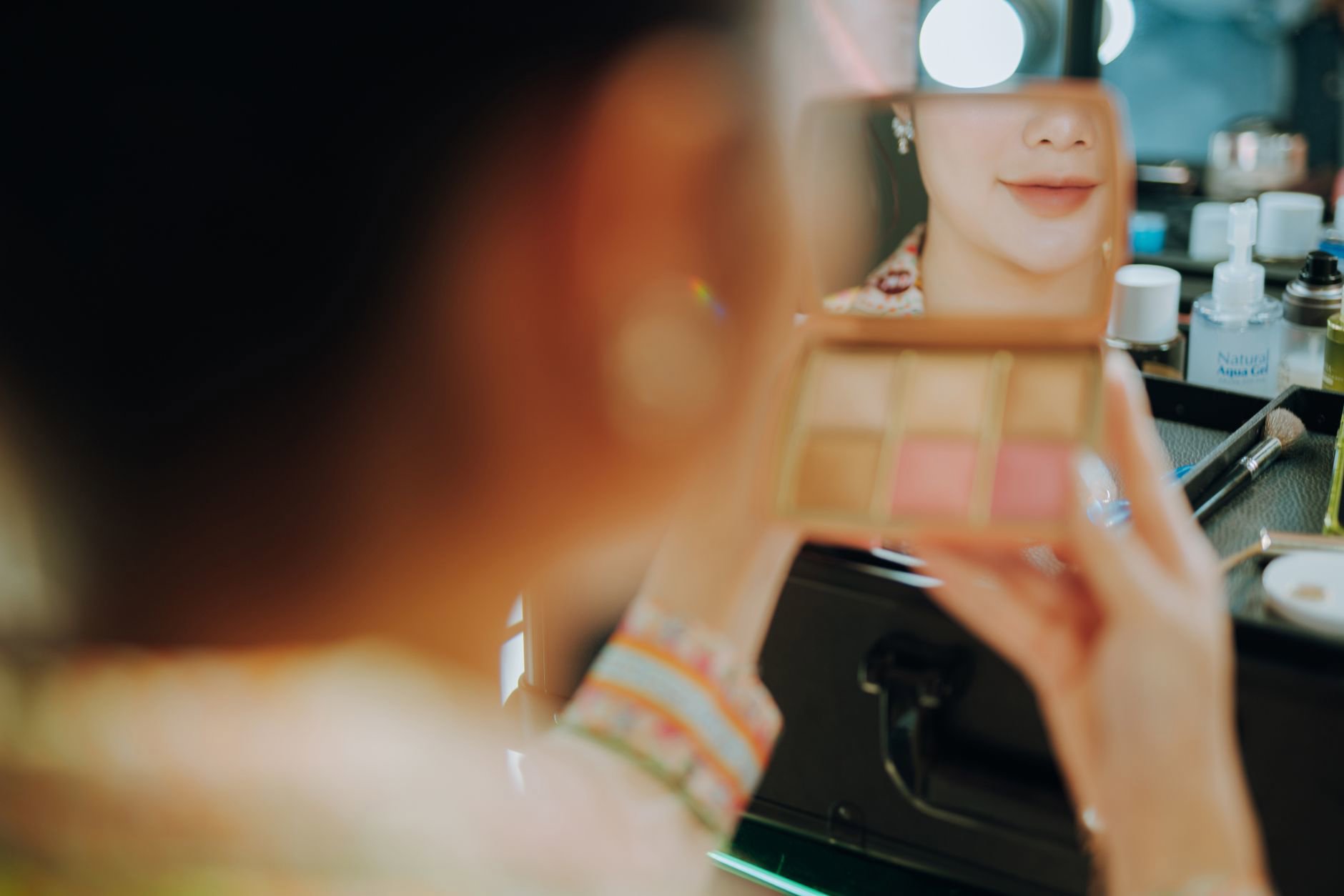
Blurred makeup has a simple promise: make everything look smoother, softer, and more flattering—without obvious contour lines or hard edges.
And unlike most trend cycles, this one fits real life. It works under office lighting, in the rain between tube stops, and in overheated pubs where full-glam base can slip.
The recent run of “blurred makeup” headlines tells us something useful: women want technique, not another 40-step haul. So we’re going practical, UK-specific, and mildly sceptical of any product that claims it can “blur pores” on its own.
What “blurred makeup” actually means (and what it isn’t)
Blurred makeup isn’t “no makeup”. It’s a deliberate soft-focus finish where you can’t easily spot where foundation ends, blush begins, or lip liner starts.
Think diffused edges, thin layers, and controlled shine. The skin still looks like skin, but with less contrast. You don’t need heavy coverage to get there; you need the right texture choices and a light hand.
It also isn’t the same as matte. A true blur can be satin—just not greasy. In the UK, that distinction matters because damp weather plus commuting heat can turn “glowy” into “slippery” quickly.
Marketing often frames blur as a magical ingredient. In reality, blur comes from optics and surface texture:
- Optical diffusers (often silica, mica, certain polymers) scatter light so edges look softer.
- Even film formation (thin, flexible layers) avoids the patchy build-up that makes texture look sharper.
- Strategic powder reduces shiny high points that highlight pores and fine lines.
- Diffused placement makes colour look “grown in” rather than stamped on.
If you want one rule: blur is a technique first, and a finish second.
Skin prep for a blurred base: hydration without slip
Blurred makeup fails when base prep turns too rich, too fast. If your skincare leaves a slick film, your foundation sits on top and separates. If you under-hydrate, you get patchy matte areas that grab pigment.
For UK skin, we see the same seasonal pattern in routines: from October to March, indoor heating pushes women towards heavier creams. That can help comfort, but it can also break “blur” by making complexion products slide. In summer heatwaves, the opposite happens—dehydration plus sweat creates texture and shine at once.
We like a two-step prep: water-based hydration first, then a thin moisturiser layer. From our merchant feed this week, the NO7 Good Intent line sits at unusually accessible prices for a “routine backbone”:
- NO7 Good Intent Skin Sip Moisture Milk is £14.95 at no7 Beauty (rated 5.0/5). It’s the kind of lightweight, under-makeup layer that won’t fight your base.
- NO7 Good Intent Dew Bank Water Cream is also £14.95 at no7 Beauty (rated 5.0/5). For blurred makeup, use less than you think—pea-sized, pressed in.
Then, give skincare time. Two minutes makes a bigger difference than another product. While it sinks in, brush brows up and blot the T-zone if needed.
One more UK-specific tip: if you wear SPF daily (and you should), keep it as your last skincare step, then wait. The NO7 Good Intent Glow Guard Spf30 is £7.95 at no7 Beauty (rated 5.0/5) in our tracker this week; whatever SPF you use, the goal stays the same—let it set before you start laying pigment on top. For more options, compare within our SPF Protection Products category.
The base: thin layers, targeted coverage, and sponge control
The biggest misconception about blurred makeup involves foundation. Women often reach for more coverage to hide texture, then wonder why texture looks worse.
Try this instead: apply a light layer of foundation only where you need it, then spot-conceal. This keeps the centre of the face even while letting the perimeter stay sheer. Blur loves that gradient.
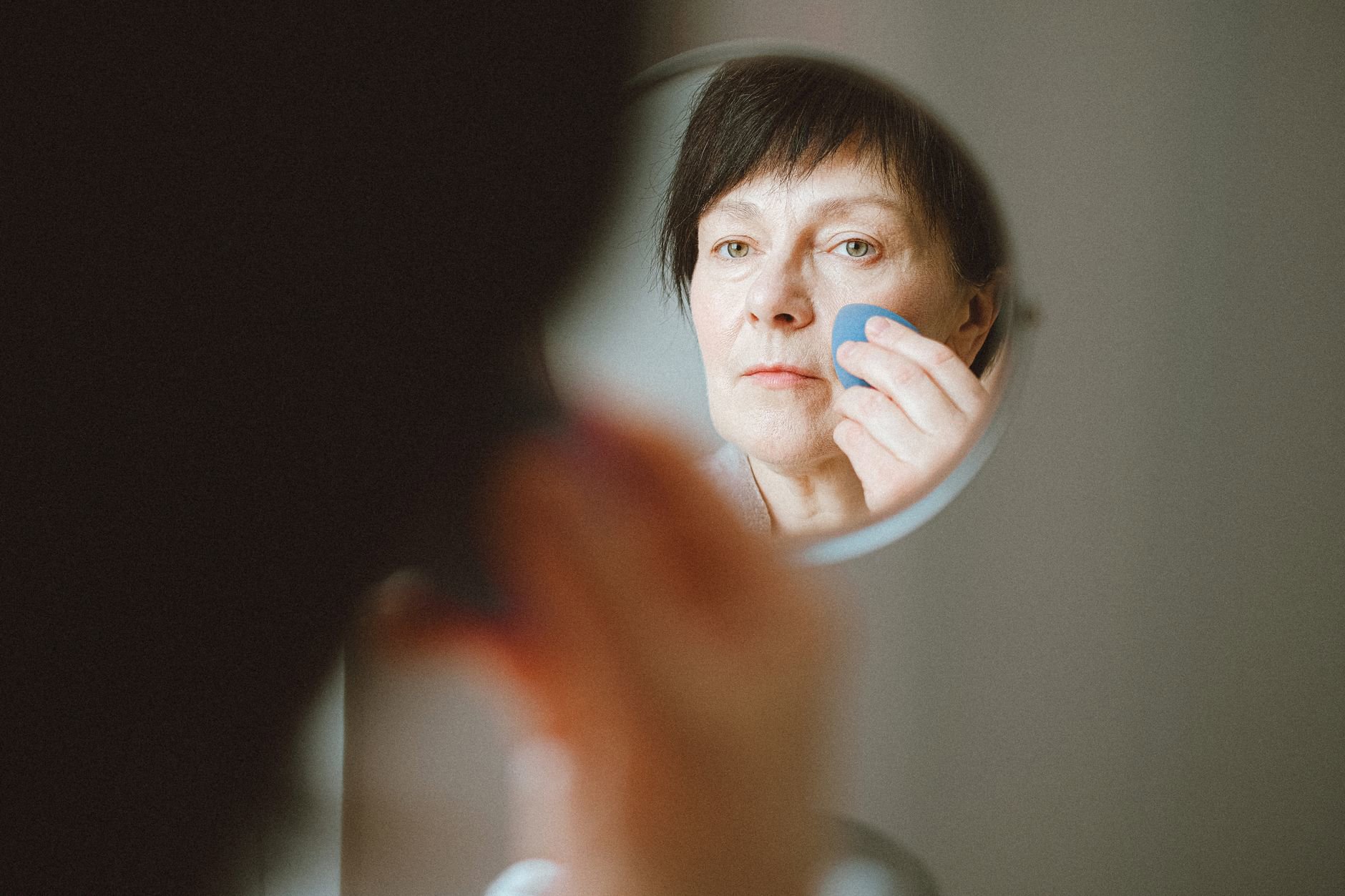
Tools matter. A sponge gives you a more diffused edge than a dense brush, especially around pores and fine lines. From our price tracker this week, VIEVE The Modern Makeup Sponge is £14.00 at Sephora (rated 5.0/5). Use it damp, then squeeze out excess water so it feels springy, not wet.
Step-by-step (fast, repeatable):
- Dot foundation on the cheeks, around the nose, and the centre of the forehead.
- Bounce outward with a damp sponge until the edges disappear.
- Use what’s left on the sponge to lightly veil the jawline—no new product.
- Spot-conceal only where needed, then tap the edges until they melt.
If your base tends to oxidise or cling, check your skincare layer first. Then check your foundation finish. Very dewy formulas often need more powder to blur, which can turn into a “powdery glow” you didn’t ask for.
Shopping note for UK retailers: Boots and Superdrug offer easy returns and shade ranges for staples, while Space NK and John Lewis shine for premium base matching. If you’re browsing trend-friendly colour cosmetics, our KIKO pages tend to show frequent price movement across stockists, which makes it a smart place to compare before you commit.
Powder and “strategic blur”: set where you crease, not where you glow
Powder makes blurred makeup look intentional. It also ruins it when you blanket the whole face.
A blur set works best when you treat powder like punctuation. Focus on the places that create unwanted shine or movement: around the nose, under the eyes (lightly), and the centre of the forehead.
Technique that flatters most UK skin types:
- Press powder in with a puff or sponge on the sides of the nose and inner cheeks.
- Lightly sweep a soft brush through the T-zone only if you get shiny quickly.
- Leave the outer cheeks mostly alone so blush and bronzer look fresher.
- Finish with a clean brush to buff any visible edges.
If you hate powder under the eyes, don’t force it. Blur can come from a tiny amount of product plus motion: tap and roll your sponge to smooth, then stop. Overworking creates texture.
We also see women using “pore-blurring” primers as a cure-all. They can help, but only if you apply them correctly. Rubbed-on primer pills. Pressed-in primer blurs. Use a pea-sized amount, warm it between fingers, then press into the T-zone.
When you shop, compare finishes across our Face Primers and Liquid Foundations categories rather than chasing one viral product.
Blurred blush and bronzer: the “cloud” placement that fixes harsh edges
Trends like watercolor makeup and soft-focus cheeks keep pointing at the same core idea: diffusion beats precision for day-to-day flattering colour.
For blurred blush, placement matters more than shade. You want the colour to look like it lives under the skin, not on top of it.
Try the “cloud” method:
- Use a cream or liquid blush first for a stain-like base.
- Apply one small dot high on the cheek, slightly back towards the temple.
- Tap with a sponge until you can’t see the edge.
- If you want longer wear, add a tiny veil of powder blush over the top.
Bronzer should sit even further back. If bronzer lives on the centre cheek, it reads as dirt in soft daylight. Sweep it along the hairline, then softly under the cheekbone, then stop. Blurred makeup has restraint built in.
For women who prefer more defined colour but still want a blur finish, switch your brush. A fluffy brush sheers pigment automatically. Explore shapes in our Makeup Brushes & Applicators category and prioritise soft bristles over “packed” density.
If you’re building a trend-friendly cheek wardrobe, brands like Charlotte Tilbury and MAC tend to offer both satin powders and modern creams, which makes it easier to layer for that diffused effect.
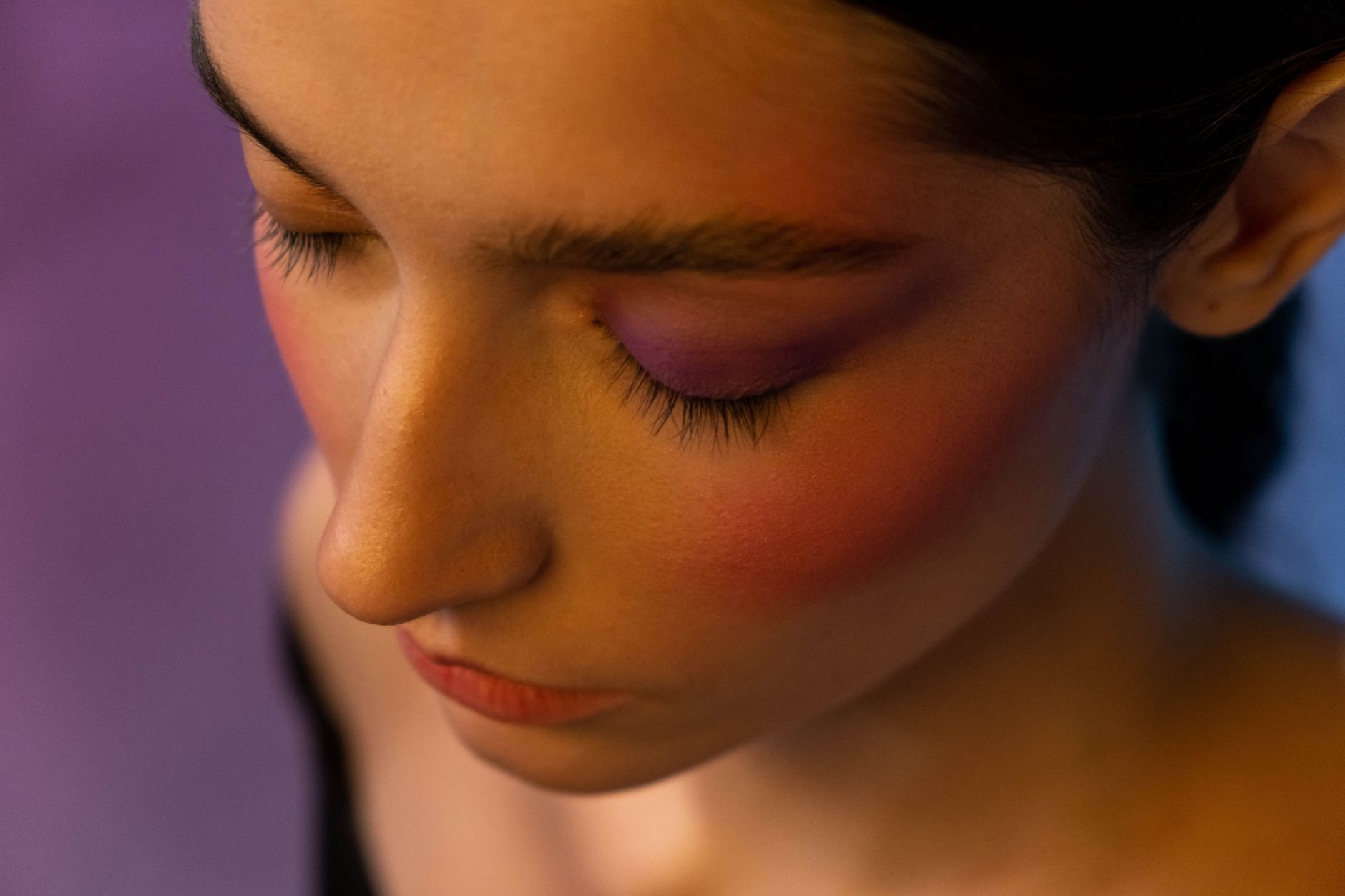
Eyes in a blur era: soft shadow, smudged liner, and less contrast
Blurred makeup doesn’t demand bare eyes. It asks you to drop the harsh contrast.
If you love eyeliner, keep it close to the lashes and smudge the edge. A pencil gives you more control than a liquid liner for this look. Apply, then use a small brush or cotton bud to soften the line before it sets.
For eyeshadow, pick one mid-tone and build slowly. The goal: a haze, not a cut crease. Cream shadows work well because they blend out easily, but powders also deliver if you use the right motion. Tap colour on, then blend the edge with a clean brush.
Quick blur eye recipe (three minutes):
- Neutral cream shadow across the lid.
- Mid-tone matte in the crease, blended high and soft.
- Brown pencil tightlined, then smudged.
- Mascara focused at the roots, not spidery ends.
If you want to shop your stash with purpose, look for palettes that lean mid-tone and matte. High glitter can fight the soft-focus idea by adding pinpoint shine. Browse by finish in our Eye Shadow Palettes section and filter for neutrals that match your undertone.
Lips: blurred edges, stained centres, and the balm-plus-pencil trick
Blurred lips look modern because they reject perfect symmetry. They also solve a common UK problem: lipstick that fades in the centre after tea, leaving a hard rim.
The easiest method uses two textures: a conditioning layer to keep lips flexible, and a slightly grippier pigment to create a stain effect.
From our merchant feed this week, Ole Henriksen Pout Preserve Peptide Lip Treatment is £13.60 at Cult Beauty (rated 5.0/5). It’s a smart base for women who find matte lipstick emphasises lines. Let balm sit for a minute, then blot once so pigment can hold.
How to get the blurred-lip look without overlining:
- Apply balm, wait, then blot gently.
- Tap lipstick onto the centre of the lips.
- Use a fingertip to blur colour outward, stopping before the natural lip line.
- If you need definition, use a pencil lightly at the cupid’s bow only, then smudge.
If you prefer glossy finishes, keep the gloss centred. A full glossy outline can look sharp, not blurred. For product browsing, compare finishes across Lipsticks and Lip Balms & Creams, and watch for texture cues like “satin”, “soft matte”, and “balmy”.
Shopping the blurred trend in the UK: what’s worth paying for
Blurred makeup can tempt you into buying duplicates: another primer, another setting powder, another “skin tint”. We’d rather you spend where it changes the result.
Based on how women actually build this look, the best value sits in tools and flexible base prep. A sponge you like, a brush that diffuses pigment, and a moisturiser that doesn’t make everything slide will carry multiple makeup wardrobes.
This week’s tracker data supports that “buy the boring bits” approach:
- VIEVE The Modern Makeup Sponge at £14.00 (Sephora) gives you repeatable diffusion, which is the core of blur.
- NO7 Good Intent Skin Sip Moisture Milk at £14.95 and NO7 Good Intent Dew Bank Water Cream at £14.95 (no7 Beauty) cover lightweight hydration and a soft base layer.
- NO7 Good Intent Glow Guard Spf30 at £7.95 gives you a budget-friendly SPF step that won’t force you into heavy prep.
If you want a clean slate before makeup, don’t underestimate gentle cleansing. Our feed shows Nuxe 3-In-1 Hydrating Micellar Water at £13.50 on lookfantastic (rated 5.0/5). It suits the “remove without stripping” job that keeps texture calm before base. If you prefer rinse-off, compare options under Foam & Wash Cleansers.
Where we’d spend more: complexion matches and undertone-correct blush shades. That’s where Space NK and John Lewis counters can justify themselves, because the right shade reduces how much product you need.
Fixes for the three most common blurred-makeup problems
Most “this doesn’t work on me” complaints come down to a few repeat issues. Here’s how we’d troubleshoot them without buying a whole new routine.
1) Makeup looks patchy by midday.
You probably layered too many different textures. Keep skincare light, avoid multiple silicone-heavy steps, and apply foundation in one thin layer. Then spot-conceal.
2) Makeup looks shiny, not blurred.
Shine creates contrast. Add powder only to the centre face and sides of the nose, then leave cheekbones alone. If you use setting spray, mist once and stop.
3) Blush looks stamped on.
Switch to tapping, not sweeping. Tapping pushes pigment into the base layer and blurs edges. Sweeping can lift foundation and leave a hard border.
If you still struggle, change one variable at a time. A sponge change often fixes more than a new foundation does. So does simply using half the amount of product.
What this means for your everyday makeup bag
Blurred makeup has staying power because it suits how women actually want to look: polished, but not overdone. It also plays nicely with the UK’s day-to-night reality, where you might need your base to survive rain, central heating, and a last-minute dinner.
The practical takeaway: chase finish and application, not hype. Use lightweight hydration, apply base thinly, diffuse colour with tapping motions, and set strategically. If you want to buy into the trend, our tracker suggests starting with the low-risk staples we can verify this week—like the £14.00 VIEVE sponge and the £7.95 NO7 SPF—because they change results without forcing you into a full product swap.
Which part of blurred makeup gives you the most trouble—base texture, blush edges, or lips that won’t stay soft? Tell us what you want to solve, and we’ll build a UK shopping shortlist around it.