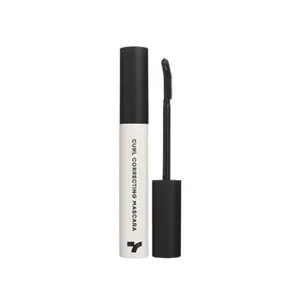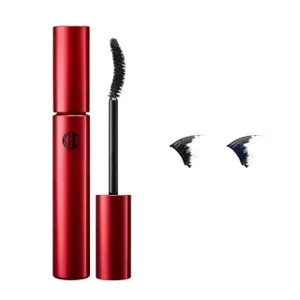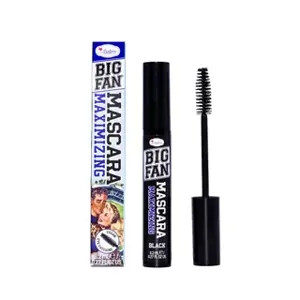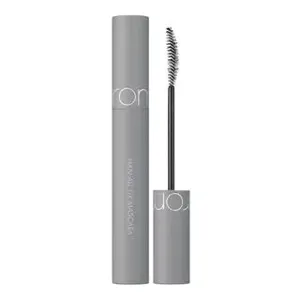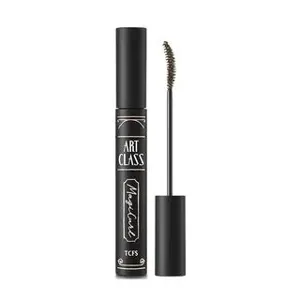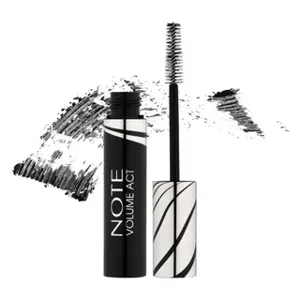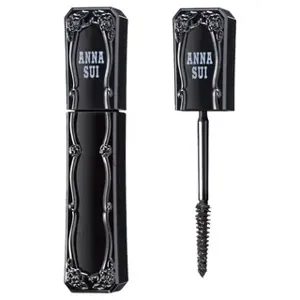

Our price tracker flags the same frustration every summer: waterproof mascaras fly off shelves during heat spikes, then complaints about brittle lashes follow a week later. The problem rarely starts with the mascara. It starts at the sink.
Rubbing, tugging, and cotton wool snagging can thin a lash line fast. You can avoid that. You need the right remover, proper timing, and a steady method that respects how lashes grow and shed.
We tracked beauty prices across Boots, Superdrug, Space NK, Lookfantastic and more since 2010. The products change, but the rule holds. If you soak and slide, lashes stay put. If you scrub, they don’t.
Context: your lashes, the UK climate, and why removal matters
Most women carry 90–150 upper lashes per eye. Lower lids hold 50–75. You shed 1–5 lashes per day as part of a normal cycle. You won’t notice that slow replacement if you keep mechanical stress low.
Indoor heating in the UK runs hard from October to March. It dries the air and can make lashes more brittle. Summer heatwaves, like July 2022 hitting 40°C, drive waterproof sales and tougher film-formers. That cocktail needs care at removal time.
Regular formulas rely on waxes and polymers that dissolve with gentle surfactants. Waterproof formulas lean on volatile solvents and silicone resins that shrug off water and sweat. Tubing mascaras wrap each lash in a polymer sleeve that releases with warm water and light pressure. Three chemistries. Three removal strategies.
We see the same cycle in reviews. Rushed removal leads to breakage, then panic shopping for lash serums. Slow, soaked removal preserves volume and length. It also preserves your patience.
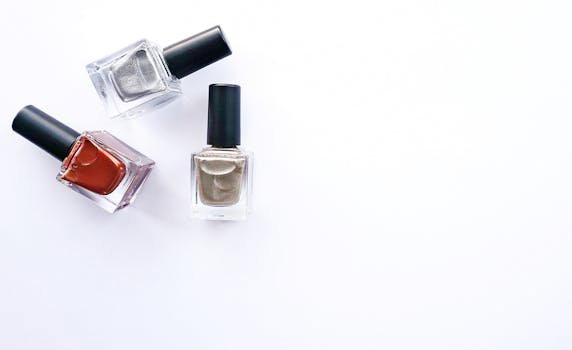
{{IMAGE:cotton pads micellar mascara flatlay}}Know your mascara formula before you remove it
Removers work best when you match them to the film on your lashes. Start with your mascara’s INCI list or brand claims. A few clues make the choice easier.
Classic non-waterproof mascaras list waxes like beeswax, paraffin, or carnauba, plus film-formers such as acrylates copolymer. These wash off with micellar water or a balm cleanse. You don’t need heavy oil if the formula stays water-soluble.
Waterproof mascaras often lead with isododecane or cyclopentasiloxane. You will also spot trimethylsiloxysilicate or polypropylsilsesquioxane. These resins give long wear and need an oil or biphasic remover to break the bond. Micellar water alone often fails, so you rub more. That friction costs lashes.
Tubing mascaras rely on polymers like polyvinyl alcohol and acrylates copolymer that form flexible sleeves. Warm water softens the sleeve. Gentle pressure slides it off in tidy little tubes. Oil can interfere with that release, so save heavy removers for different days.
Not sure what you own? Quick test: wet a clean finger with warm water and press a bare section of lashes. If tiny tubes shed, you likely wear a tubing formula. If you get grey-black smudging, you likely wear a classic or waterproof film.
Pick the right remover: micellar, biphasic, balm, or just warm water
Match remover to formula to reduce friction. That simple choice protects lashes more than any serum can.
Micellar water suits classic mascaras. It suspends pigment with surfactants and lifts it with minimal rubbing. Many women rate Garnier Micellar Water for value. You can compare versions on our Garnier brand page and use the wishlist to catch discounts across Boots and Superdrug.
Biphasic removers mix water and oil. You shake the bottle to disperse oils, then apply. They excel with waterproof films. Look at options from Lancôme and Estée Lauder if you want ophthalmologist-tested picks. We often see price gaps between department stores and online specialists, so check our comparison before you buy.
Cleansing balms and oils suit heavy layers and stacked coats. They dissolve waxes and pigments while you massage lightly. The Body Shop’s camomile balm and oil sit in many editors’ roundups for good reason. See our The Body Shop page, tap the heart, and we’ll ping you when the price drops.
Tubing mascaras come off with warm water and a cloth. No remover needed. Wet your fingers, press gently at the base, then slide. You’ll see neat little polymers in the sink. That result looks odd but saves lashes.
Contact lens wearers can pick oil-free formulas for fewer lens smears. Brands like L'Oréal and Clinique label many removers as contact lens friendly. Our filters help you sort those fast.
The soak-and-slide method: step-by-step lash-safe removal
Technique matters as much as product choice. This sequence keeps stress low from start to finish.
- Start with clean, dry hands. Wash away hand cream or oils that can run into eyes.
- Fold a lint-free cotton pad or use a smooth reusable round. Avoid fluffy cotton that snags.
- Saturate the pad. It should feel damp through, not patchy. Dry pads drag.
- Close one eye. Support the brow bone with two fingers. Bring the pad to the lash line.
- Hold the pad in place for 20–30 seconds. Let the remover dissolve the film. Time does the heavy lifting.
- Slide the pad down the lashes in a single, gentle stroke. Use light pressure. Don’t rub side to side.
- Refold the pad to a clean section. Hold for another 10–15 seconds. Slide again.
- Use a damp cotton bud along the lash line to catch stubborn residue. Work from the outer corner inward.
- Rinse with lukewarm water. Pat the orbital bone dry with a soft towel.
- Follow with your second cleanse if you double cleanse. A non-stripping gel from our Foam & Wash Cleansers category suits most routines.
- Comb lashes with a clean spoolie to separate and check for residue. You’ll find affordable spoolies under Makeup Brushes & Applicators.
Build this rhythm and you protect the lash root. You keep pigment out of the eye. You also cut morning smudges from last night’s leftovers.
Waterproof, tubing and fibre mascaras: tailored tactics
Waterproof formulas stick by design. Give the remover more contact time. Don’t fight the film with force. Use a biphasic remover. Shake well to disperse the oil. Soak the pad fully. Hold it in place. Slide slowly. Repeat for stubborn corners. If residue clings, switch to a balm for a short massage, then rinse and repeat the biphasic hold.
Tubing formulas like to leave in one piece. Use warm water and gentle pressure only. Wet your fingertips and lashes. Pinch lightly at the base and sweep to the tips. The tubes should shed into the sink. Don’t scrub with oil. Oil can make the sleeves gummy and harder to release.
Fibre mascaras add length with tiny nylon or rayon fibres. Those fibres can catch on cotton. Press and hold with a saturated pad, then sweep with a microfibre cloth or a smooth pad. Avoid dry wipes. Dry fabric grips and pulls.
Stacked coats and layered primers need patience. Remove the topcoat first with your usual remover. Then repeat the hold-and-slide for the base layer. Rushing this step often causes the most lash loss.
Tools and positioning: small switches that save lashes
Tools change the outcome. Lint-free pads glide better than pharmacy cotton balls. Reusable rounds save money and reduce lint. Choose tight-weave microfibre or bamboo. Wash them in a lingerie bag. Skip fabric softener, which can irritate eyes.
Angle your head slightly back and to the side. That angle lets gravity help, so remover moves away from the eye. Support the brow bone with your non-dominant hand. Use your dominant hand to place and slide the pad. Smaller hands can cut pads in half for better control.
A clean spoolie finishes the job. Brush through damp lashes to lift any last residue. Clean the spoolie weekly with warm water and a drop of gentle cleanser. Replace it when bristles splay. You can find multi-packs under Makeup Brushes & Applicators.
Clean your lash curler as well. Wipe the pads with a damp cotton bud and a little micellar water. Built-up mascara glues lashes to the curler and causes snap-off. Replace curler pads on schedule. Most brands suggest every three months.
Contact lens wearers should remove lenses before remover touches the eye. Place lenses back in after you rinse and finish your cleanse. That sequence keeps film-formers off the lens surface.
Ingredients that help or harm the lash line
Look for gentle surfactants and soothing humectants. Glycerin and panthenol help maintain flexibility. Oat extract and aloe can calm the lash line. Brands like Clinique and Lancôme offer ophthalmologist-tested formulas if you prefer an added layer of assurance.
For waterproof films, seek isododecane or light esters in biphasic removers. These solvents lift silicone resins fast, which reduces rub time. For balm cleansers, look for ethylhexyl palmitate or caprylic/capric triglyceride as base emollients. They dissolve wax without sting.
Avoid heavy fragrance along the lash line. Fragrance raises the risk of irritation and watering. Watery eyes make removal messier. Also sidestep high levels of denatured alcohol. Some alcohol in biphasic formulas helps breakup, but heavy loads can sting and dry the skin.
Skip essential oils near the lash root. Peppermint, eucalyptus, and citrus oils can irritate the delicate lid skin. Irritation often leads to more rubbing and more fallout. Keep removers simple and soothing. That approach pays off long term.
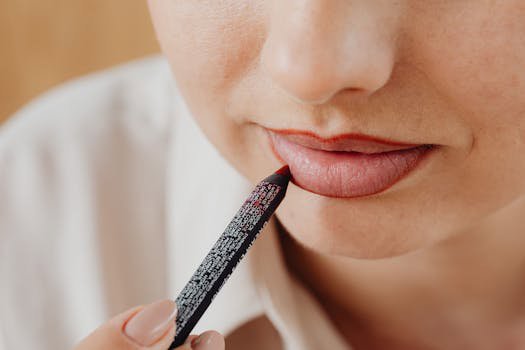
{{IMAGE:woman removing eye makeup with cotton pad}}When lashes already look sparse: rebuild while you remove
If your lash line looks thinner than usual, tackle two fronts. Reduce mechanical stress at night. Feed flexibility between wears.
Use a conditioning mascara or a primer that includes panthenol and lightweight polymers. They cushion the lash shaft and make removal easier later. You can compare options in our Mascaras category and filter by finish and claims.
Consider a lash serum with peptides like myristoyl pentapeptide-17 or biotinoyl tripeptide-1. These formulas won’t replace lost lashes overnight, but they can support the lash line during regrowth. Look at options from Shiseido on our Shiseido page, or explore budget picks from L'Oréal. Read reviews, watch for irritation mentions, and patch test along the lash line margin.
Move waterproof to special-occasion status if you use it daily. Choose tubing on wet commutes and gym days. It survives steam and removes with water, which cuts friction. For night routines, keep a mild cleanser nearby. Remove mascara before you feel too tired to bother. Sleeping in mascara glues lashes together and raises the snap risk when you roll over.
Watch tool hygiene. Dirty spoolies and curlers cause tugging. Replace mascara every three months. Old formulas dry out. Dry film clings harder. Your removal method pays the price.
Brand examples that match real routines (and budgets)
The UK high street and luxury counters both sell lash-safe options. We see broad price variance across retailers, so check our comparison before you commit. Add your favourites to your wishlist and we’ll alert you when the price drops.
Micellar mainstays: Garnier Micellar Water remains a budget classic and often sits on promotion. Different caps suit different skins. Check versions on our Garnier page. If you prefer low-fragrance options, you can filter by fragrance-free.
Biphasic heavy-hitters: Lancôme’s bi-phase remover and Estée Lauder’s gentle eye remover sit in many pro kits. They melt long-wear films with minimal fuss. Explore both on our Lancôme and Estée Lauder brand hubs, then check prices across Boots, John Lewis, and Lookfantastic.
Balm believers: The Body Shop’s camomile balm proves popular for comfort. It dissolves stacked mascara without sting when used correctly. See shades of the range on our The Body Shop page, and keep an eye on multi-buy offers at Superdrug and online specialists.
Oil-free options: L’Oréal’s gentle eye remover and several Clinique formulas suit contact lens wearers. If you wear lash extensions, confirm oil-free status before purchase. You can filter by finish and formulation on our L'Oréal and Clinique brand pages.
Makeup-artist picks: MAC and Charlotte Tilbury each offer removers that sit well in kit bags. If you favour a Tilbury smokey eye, her remover pairs well with the brand’s long-wear shadows. Browse our Charlotte Tilbury page and check where it lands cheaper this week—Space NK or a department store counter.
We watch prices move daily. One week a luxury remover trends lower at Lookfantastic. The next week, Boots runs a loyalty event. Use our comparison and wishlist so you don’t overpay for a bottle you empty every six weeks.
Common mistakes that cost lashes (and what to do instead)
Scrubbing side to side drags lashes out of alignment. Hold and slide instead. Pressure in one direction protects the cuticle and root.
Using dry cotton pads creates friction. Soak the pad. If you can still feel a dry centre, add more remover.
Skipping the contact time wastes product and effort. Film-formers need 20–30 seconds to soften. Count to 20 if you rush. Give stubborn corners 10 more seconds.
Removing mascara with face wipes sounds fast but often snags. Wipes suit swatches on the back of the hand. They don’t suit the lash line. Use a pad and a dedicated remover.
Going to bed with a “just a little” left behind causes morning rubs. That morning clean-up causes more fallout than the actual makeup day. Finish the job before you sleep.
Extension wearers and sensitive eyes: adjust the plan
Lash extensions need oil-free formulas. Oils weaken the adhesive bond and cause premature shedding. Choose oil-free biphasic removers or gentle micellars and press with soft pads. Keep pressure to the shaft, not the base where adhesive sits.
If you deal with sensitive eyes, scan INCI lists for fragrance and essential oils. Choose straightforward formulas with glycerin, panthenol, or aloe. Check product reviews on GlamGeek for mentions of stinging and watering. Our filters highlight sensitive-friendly picks across brands.
Allergies can shift season by season. Hay fever months make eyes reactive. During those weeks, tubing mascaras and warm-water removal often feel easiest. You reduce time with remover on the skin and still avoid smudges.
What this means: practical takeaways you can use tonight
Match remover to your mascara, and you solve 80% of removal headaches. Micellar for classic, biphasic for waterproof, balm for heavy layers, warm water for tubing. Add time and technique, and your lash line stays dense.
Build a removal station that you can run on autopilot. Keep lint-free pads, a reliable remover, and a clean spoolie in one spot. Replace mascara every three months, swap to tubing during hay fever and heatwaves, and save waterproof for weddings and workouts. Use the GlamGeek wishlist for removers you buy often. You’ll get a quick alert when prices drop at Boots, Superdrug, Space NK, Lookfantastic or Beauty Bay.
If you want a short checklist, use this:
- Identify your mascara type before you cleanse.
- Saturate, hold 20–30 seconds, then slide in one direction.
- Use cotton buds for the lash line and inner corners.
- Rinse, then second cleanse if you wear heavy eye makeup.
- Comb with a clean spoolie and let lashes dry before serum.
- Keep removers simple, soothing, and low fragrance.
- Switch to tubing when eyes feel reactive or during UK heatwaves.
- Check prices on GlamGeek and add favourites to your wishlist.
Tell us what works on your lashes
Does micellar beat balm for your favourite formula? Do tubing mascaras make removal stress-free for you, or do you still prefer a classic and a biphasic hold? Share your technique and the remover you rate in the comments on GlamGeek. While you’re there, add your staples to your wishlist and let our tracker nudge you when prices dip at Boots, Superdrug, Space NK, Lookfantastic or Beauty Bay.
Your lashes grow on a slow clock. Treat removal as a ritual, not an afterthought. The difference shows up in the mirror next month.