
Pilling doesn’t mean your products fail. It usually means your textures argue. A serum balls up with a cream. A sunscreen drags. Makeup peels off in tiny rolls across your jaw. Annoying, yes. Fixable, absolutely.
We track prices and product launches across Boots, Superdrug, Space NK, John Lewis, Cult Beauty and Lookfantastic. That feed shows a flood of serums made for morning use: vitamin C, niacinamide, peptides and hydrating blends. Great news for skin. Less great for your base if you layer them the wrong way.
The goal today: a simple, reliable method to layer serums, day moisturiser and SPF so your skin looks smooth and your base clings, not crumbles.
Context: why pilling happens and why mornings feel crowded
Pilling is friction plus incompatible film. You rub in layer three and it lifts layer two into tiny shreds. It shows up most when one formula relies on silicones or film-formers and the next lays on top before the first sets. It also strikes when you use too much product.
Morning routines grew busier over the past decade. Since 2010 we’ve watched daytime serums rise from niche to normal. Brands push targeted AM actives: L-ascorbic acid vitamin C (often at pH around 3–4), niacinamide, hyaluronic acid, antioxidant cocktails, and peptide blends. These sit under moisturiser and sunscreen, then makeup. That’s four to six layers before 9am.
UK life adds another angle. From October to March, indoor heating dries skin. Many women counter with rich creams and extra humectants. On warm summer days, sweat and SPF can add slip. Either way, texture balance matters. The fix isn’t more product. The fix is the right order, the right amounts, and a minute of patience between steps.
Dermatology guidance still places broad-spectrum SPF 30 or higher as the last skincare step in the morning. The “two-finger rule” for face and neck remains a solid visual guide. That amount means your moisturiser and serums under it must behave, or you’ll see roll-off as you apply enough sunscreen. We’ll set you up so that doesn’t happen.
{{IMAGE:woman applying moisturiser}}Build a morning stack that behaves
Think water to oil, thin to thick, low to neutral pH, then SPF. That simple filter cuts most pilling before it starts.
Start with a light cleanse. Go gentler in winter. You want a fresh, not squeaky, surface. Mist if you like, then apply your wateriest treatment. For many, that’s a vitamin C serum. L-ascorbic acid formulas sit runny and low pH. They belong first. If you use a hydrating serum with hyaluronic acid, apply it after vitamin C. Many HA gels feel thicker than pure vitamin C liquids and can trap that active where it needs to sit. Niacinamide and peptides also park well in this slot.
Follow with day moisturiser that suits your skin type and the season. Gel-creams work on oilier skin or humid days. Creams or balms fit colder months and dry skin. Top with broad-spectrum SPF 30 or higher. If you wear makeup, let sunscreen settle before primer or base. Choose a primer that speaks the same texture language as your SPF, or skip primer and use your moisturiser as the smoothing step.
Shortlist your tools inside GlamGeek so you don’t lose track. Save your picks under Day Face Serums and Day Face Moisturisers, then add your SPF under SPF Protection Products. Add them to your wishlist and we’ll ping you when prices drop at Boots, Superdrug, Space NK or Lookfantastic.
Texture mapping: match like with like
Texture conflicts drive pilling. You avoid them by mapping textures across your routine and pairing similar bases. Here’s the cheat sheet.
Water-based serums with low film-formers glide under most things. Classic L-ascorbic acid vitamin C fits here. Niacinamide and peptide serums also tend to sit thin. They layer well under gel-cream moisturisers. Many budget serums, including picks from Revolution and Garnier, follow this format, so you can keep pilling low without spending much.
Silicone-heavy layers smooth fast but can repel water gels. If your moisturiser feels very silky or priming, expect it to resist a watery serum applied on top. Keep silicones higher in the stack. Use them as your moisturiser or primer, not your early serum, and let them set.
Oils add comfort but often cause rolling if you press sunscreen straight over them. If you love a morning oil, mix one or two drops into your moisturiser to emulsify. Do not flood the surface with a pure oil layer, then drag on SPF. It will shred.
Mineral sunscreens (zinc oxide and titanium dioxide) can emphasise texture and increase drag. Use a slip-friendly moisturiser under them. Look for gel-creams that help them glide. Chemical-filter SPFs feel lighter and pair with most textures. Both types can work if you plan the layer below.
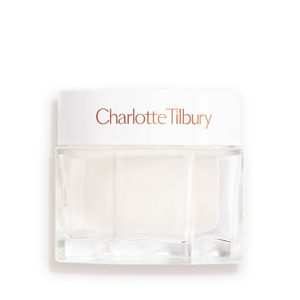
When in doubt, pick a moisturiser that plays well with makeup. We see consistent low-pilling feedback on gel-cream textures like those you often find from Clinique. If you prefer a richer cream finish, moisturisers from Charlotte Tilbury sit plush yet still support base products when you allow a short set time.
Timing that stops roll-off
Application speed matters as much as product choice. Give each layer a short pause to form a film before adding the next.
Apply your first serum to damp skin for better spread. Wait 30–60 seconds. Press, don’t scrub, to help it settle. If you stack a second serum, repeat: thin layer, brief pause, gentle press. You never need a heavy hand. More pressure pulls the layer you just placed.
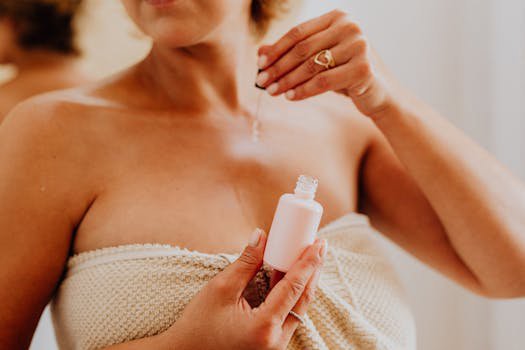
Use about a pea-size amount of moisturiser for the face, then adjust for neck. Warm it between fingertips to thin the texture. Smooth, then press. Wait a minute. This short breathing space reduces friction when you move to SPF.
Apply sufficient sunscreen using the two-finger guide for face and neck. Place dots, then spread in sections with minimal rubbing. If you rush and overwork sunscreen, you build friction and lift what’s underneath. Give SPF two to three minutes to set before makeup. That extra minute often decides if foundation glides or pills.
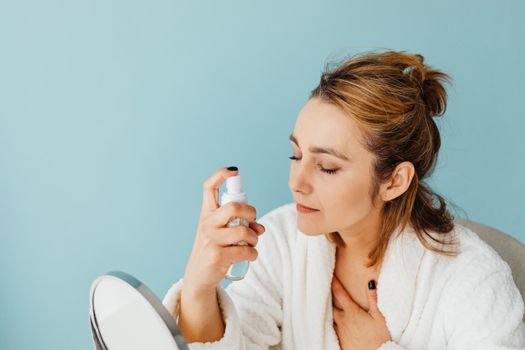
Still see roll-off? Add a hydrating mist step before SPF. A quick spritz softens the moisturiser’s surface so sunscreen spreads rather than drags. This trick helps with thicker creams and mineral filters.
No-pilling techniques that actually work
Small changes in how you apply pay off. These habits keep layers smooth and stable.
Thin coats win. A skincare sandwich made of four whisper-thin layers beats two heavy ones every time. Spread with fingertips, then press with palms. Pressing supports adhesion. Scrubbing builds friction and invites pilling.
Mind the rub zones. The jawline, brows and hairline catch excess product. Apply sparingly there. Work from the centre of the face outward. If you see flakes along the jaw, you probably used too much moisturiser or primer.
Skip cocktailing that creates gummy textures. Powder vitamin C mixed into thick hyaluronic serum often turns stringy. Apply actives in their own base instead. If you love a facial oil in the morning, buffer it. Blend a tiny drop into your moisturiser rather than laying a slick oil layer to fight with sunscreen.
Choose a primer with intention. A silicone-blur primer over a silicone-rich moisturiser can stack well. The same primer over a sticky gel may ball. If your base already feels smooth, skip primer. Lots of modern moisturisers double as a soft-focus step. Explore options from KIKO and MAC under Face Primers and compare textures against your SPF.
Tool tips help. Use a damp sponge to press sunscreen if hands always overwork it. Tap, don’t drag. Then press foundation with that same sponge. Less rubbing equals fewer crumbs.
SPF under makeup: the non‑negotiable finish
SPF sits last in skincare and under makeup. That rule props up product stability and pilling control.
If you wear a moisturiser with SPF, still keep a dedicated sunscreen to hand. Most women do not apply enough moisturiser to reach the labelled protection. A standalone sunscreen nudges you into the right amount. Choose a texture that mirrors your moisturiser: gel-cream with gel-cream, silky with silky. We see strong wear reviews on Japanese and French-style SPFs because they feel weightless and spread fast.
Mineral vs chemical filters both work when you respect spread. Mineral formulas with zinc oxide can feel drier. Pair them with a slip-giving moisturiser and apply in two thin coats, not one thick layer. Chemical filters often feel fluid. Place dots across the face to prevent chasing pools of product around.
Let SPF settle two to three minutes before any primer or foundation. If you enjoy a glowy sunscreen, layer a low-grip primer or skip it. Heavy-grip primers often tug at sunscreen as you blend. If your sunscreen already blurs, don’t stack extra layers that add nothing but friction.
Need SPF top-ups? Choose a mist or cushion compact made for reapplication over makeup. They add a whisper of product, not a heavy film. You’ll find a wide range under SPF Protection Products. Save your favourites to your GlamGeek wishlist so we can alert you when they go on offer at Space NK or Beauty Bay.
{{IMAGE:skincare flatlay serums moisturiser spf}}Ingredients that play well together (and pairs that don’t)
Layer choices get simpler when you know which actives behave.
Good daytime pairs: vitamin C with hyaluronic acid, vitamin C with niacinamide, peptides with almost anything. These sets support antioxidant defence and hydration while staying friendly under makeup. Serums from L'Oréal and Clinique often sit in well-balanced water gels that reduce pilling risk before you even add moisturiser.
Pairs that challenge: strong exfoliating acids in the morning plus a low pH vitamin C. You can do it, but skin often objects. Save the stronger acids for night and keep mornings about hydration, antioxidants and barrier support. Likewise, retinoids sit better in the evening for most women. That choice frees mornings for smoother, calmer layers.
Fragrance and essential oils don’t cause pilling, but they can increase irritation under sun. If your skin reddens by lunchtime, switch to calmer formulas for daytime and stash scented favourites for evening.
Silicone vs water conflicts pop up often. A water-thin serum won’t grip onto a heavy silicone layer. Keep silicones later in the stack. If you adore a silicone-velvet feel, use that texture as your moisturiser or primer and give it a minute to set before SPF.
Adjust for seasons and skin type
No single stack wins all year in the UK. Adjust texture with the weather and with your skin’s behaviour that month.
Oily or combination skin in summer: choose a gel or gel-cream moisturiser. Pair it with a fluid sunscreen. Keep serums light and focused: one antioxidant and one hydrator. That trio keeps film low, shine down and makeup intact on heatwave days.
Dry or dehydrated skin in winter: layer a hydrating serum, then a barrier-supporting serum with niacinamide or peptides, then a cream. Consider an occlusive touch at the end if SPF still feels tight. Emulsify a drop of oil with moisturiser rather than applying oil straight on top. That small mix reduces drag when you add sunscreen in chilly mornings with radiator air.
Sensitive skin: simplify. One gentle antioxidant, one hydrator, one moisturiser, then SPF. The fewer layers, the fewer variables that can roll. Brands known for calm textures, including ranges from Clinique and selected lines from Estée Lauder, often test well for low-friction application.
Makeup wearers who love long-wear foundations: let SPF set, then use a very thin primer that matches your base’s solvent system. If your foundation feels silicone-smooth, a silicone primer can help. If your base feels serum-like and watery, pick a water-gel primer or none at all. Browse Liquid Foundations and match textures to your skincare stack before committing.
Product picks and smart swaps
You don’t need a 12-step morning. You need the right trio or quartet. These categories and brands deliver predictable textures that behave under SPF and makeup.
Serums: vitamin C in a water base makes sense first. Many women rate brightening options from Garnier for budget-friendly daily wear. Hydrating serums with hyaluronic acid or polyglutamic acid sit well second. Explore the mix under Day Face Serums. Add your shortlist to GlamGeek and set a price alert. Our feed often flags alternating promos between Superdrug and Lookfantastic on weekday mornings.
Moisturisers: gel-creams from brands like Clinique create a smooth bridge between serum and SPF. If you want richer slip, moisturisers from Charlotte Tilbury bring a dewy base that suits drier skin in cold months. Compare finishes in Day Face Moisturisers and save a couple to your wishlist so we can nudge you when John Lewis or Space NK run offers.
SPF: lightweight Japanese-inspired textures from brands like Shiseido spread quickly and tend to play nicely over serums. If you prefer mineral filters, scan for gel-cream hybrids under SPF Protection Products. Apply enough, let it set, then proceed to base.
Primer and makeup: if you want extra smoothness, choose a primer that matches your sunscreen’s feel. Explore satin-finish options from KIKO or pro kits from MAC under Face Primers. If your SPF already blurs, skip primer and move straight to foundation.
Price-savvy tip: we track prices across Boots, Superdrug, Space NK, John Lewis, Cult Beauty and Lookfantastic so you don’t have to. Click through any brand page on GlamGeek, hit “add to wishlist”, and we’ll ping you when that vitamin C or gel-cream drops. Stack your basket when your serum and sunscreen both sit on offer. Your skin won’t care they didn’t come from the same counter.
Troubleshooting: fix pilling fast
If you still see little rolls, run this checklist. Tweak one thing at a time so you spot the culprit.
- Use less of the layer before the pilling starts. Halve that dose for a week. Many creams and serums work better thin.
- Change the order to thin-to-thick. Wateriest serum first, thicker serum second, moisturiser third, SPF last.
- Press, don’t rub. Hands place product; palms press to finish.
- Match textures. Silicone-smooth with silicone-smooth, water-gel with water-gel.
- Switch your moisturiser under mineral SPF to a gel-cream with more slip.
- Mix a single drop of oil into moisturiser rather than layering pure oil.
- Pause between steps. Give each layer 30–60 seconds. Give SPF two to three minutes.
- Skip primer for a week. If pilling stops, your primer clashed with SPF. Replace or remove.
- Try a damp sponge to apply SPF if hands always overwork it.
If none of that helps, simplify. Use one serum plus moisturiser plus SPF for seven days. Add one product back at a time. The piller will reveal itself fast.
Routine examples for different mornings
Need a script? Use these as templates and swap in your favourites.
Office day, makeup on: gentle cleanse; water-thin vitamin C; hydrating serum; gel-cream moisturiser; lightweight chemical SPF; thin silicone primer matched to your foundation; base. Keep layers thin and pauses short. You’ll get grip without drag.
Cold, central-heating day, dry skin: cleanse; vitamin C; peptide or niacinamide serum; cream moisturiser; hydrating mist; mineral SPF in two thin coats. Skip heavy-grip primers. Press foundation in with a damp sponge.
School run, no makeup: cleanse; antioxidant serum; moisturiser with good slip; SPF 30 or higher; lip balm. Keep it quick and comfy. Texture still matters because SPF needs a calm base to sit right.
Outdoor day, reapplication planned: cleanse; vitamin C; hydrating serum; gel-cream moisturiser; high-protection SPF. Pack an SPF mist for top-ups. Keep midday layers light to avoid build-up.
What this means for your shelf (and your wallet)
You don’t need more products. You need more compatibility. Arrange your stack by texture, apply in thin layers, and allow short pauses. That plan gives you smoother skin feel and better makeup wear without buying a “no-pills” miracle.
Spend where texture engineering shows: a well-formulated sunscreen and a moisturiser that behaves under it. Serums slot in as targeted extras. You can shop them at every price point. Check options from Revolution or Garnier for budget layers, or step up with texture-stable picks from Clinique and Shiseido. Add them to your GlamGeek wishlist and let our alerts do the saving while you focus on skin.
If pilling still sneaks in, don’t blame your whole routine. Adjust the one layer causing friction. Usually, it’s the heaviest film or an overworked SPF step. Small changes give the biggest payoff.
Tell us what you’re fixing next
Which layer causes the most grief in your morning stack — the second serum, the moisturiser, or the SPF? Save your current picks on GlamGeek, tag the culprits, and tell us what you want to swap. We’ll keep tracking the prices and textures that behave, so your skin wins and your base stays smooth.