UK skincare moved fast last year. A TikTok routine could hit the Boots shelf in weeks, and a new peptide claim popped up with every scroll. Our price tracker shows the rush. Promo windows tightened, bundles shifted, and certain serums never stayed full price for long.
Trends don’t always equal good skin. Some do. We pulled the habits and ingredients that actually earn a spot in a UK routine, checked them against our data, and sorted the smart buys from the hype. You’ll find the clear wins, the watch-outs, and where to save money.
We’ve tracked beauty pricing since 2010. That gives context when hype hits. Vitamin C launches spiked after 2020. Barrier creams exploded across 2022 and 2023. By mid‑2025, peptide and retinal searches on GlamGeek rose at a double‑digit clip. Retailers moved with it. Boots and Superdrug widened their retinoid shelves. Space NK, Cult Beauty and Lookfantastic leaned into refill pods and sunscreen minis.
Heat and heating shaped habits. July 2022 hit record temperatures in the UK. Winters stayed damp, and radiators ran hard from October to March. We saw shoppers switch to glycerin‑rich gels in summer, then ceramide creams by Halloween. SPF stuck year‑round for more women than ever. That shift shows in our sunscreen price alerts between November and February, not just July.
Shoppers also shopped smarter. Repeat deals grew shorter from 2021 to 2025, and the same cream could change price twice in a week. That makes timing matter. Our advice stays simple: set a wishlist on GlamGeek, compare across Boots, Superdrug, John Lewis and Lookfantastic, and pounce when the drop lands. It pays off, especially on serums and sunscreen multipacks.
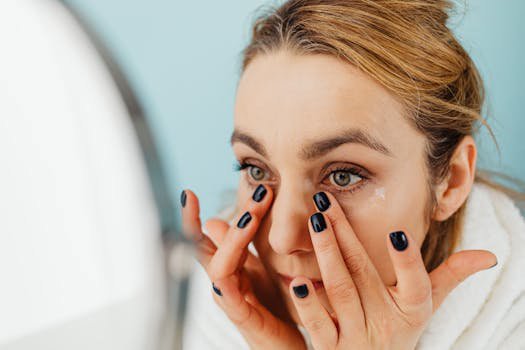
{{IMAGE:UK woman applying skincare in bathroom, bright natural light}}Peptides 2.0: the ones that earn space on your face
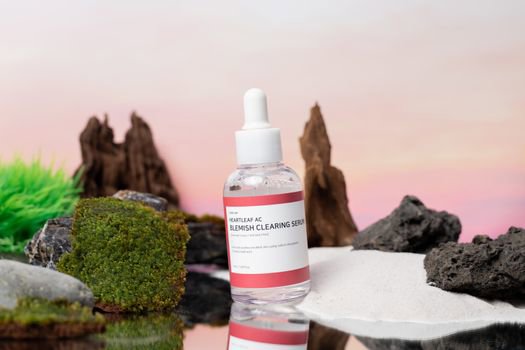
Peptide claims feel loud this year. Some deserve the volume. Look for signal peptides with a track record and clear INCI names. Palmitoyl tripeptide‑1, palmitoyl tetrapeptide‑7 (often paired as “Matrixyl” blends), acetyl hexapeptide‑8 (Argireline), and copper peptides (GHK‑Cu) top that list. You’ll also spot palmitoyl tripeptide‑5 and hexapeptide‑9 in firmer skin claims.
Peptides don’t work like retinoids. They sit well with a simple routine, play nicely with niacinamide, and suit morning or night. We rate them for women who can’t tolerate strong acids or who want to build a steady anti‑ageing plan without the sting. Want a low‑friction start? Pick one dedicated peptide serum and a plain moisturiser, then give it eight weeks.
Where to shop smart: department stores and beauty sites spread peptide pricing widely. We’ve seen the same formula bounce between a luxury counter and a high‑street promo in one month. Compare before checkout. Start with our Anti Ageing Face Serums page and filter by brand. You’ll find peptide‑rich options from Clinique, L'Oréal, and Lancôme. Add the one you fancy to your wishlist and we’ll ping you when a drop hits Boots, Superdrug or Lookfantastic.
Mixing rules stay light. You can layer peptides under vitamin C or retinoids. If you use copper peptides, avoid strong acids in the same step. The colour shift you sometimes see comes from copper, not a fault. Texture and pH matter more than a perfect order. If it spreads well and your skin likes it, keep it.
Retinoids get smarter: retinal, buffers and better textures
Retinoids still rule results. 2026 shifts the format. More brands now lead with retinal (retinaldehyde) for speed, or micro‑dose retinol for comfort. Many pair that with barrier buffers, like ceramides and squalane, so you can use them through a British winter without flaking.
We rate retinal serums for women who already sail through retinol. They tend to deliver faster tone and texture gains. If you sit at beginner level, pick a gentle retinol cream two or three nights a week. Buffer with a simple moisturiser on top. If your cheeks sting, step back to twice weekly and add a bland night cream. Our Night Face Moisturisers page lists fragrance‑free cushions that handle the job.
Shopping tip from our tracker: retinoids swing in and out of promo more often than vitamin C. Boots runs them in skincare events. Space NK and Cult Beauty often include them in brand weeks. Add a serum from Estée Lauder or Clinique to your GlamGeek wishlist, and you’ll dodge full price. Check reviews as well. Our community flags purge vs irritation clearly, and that saves time.
Layering stays simple. Cleanse, pat dry, apply retinoid, then moisturiser. Skip acids the same night. If you want acids, use a lactic or mandelic exfoliant on a different evening. You’ll keep the barrier calm and the flake away.
Barrier‑first routines: ceramides, glycerin and humid British kitchens
Barrier talk didn’t fade after 2023. It matured. You don’t need a 10‑step barricade. You need the right emollients and humectants in the right months. UK homes keep heaters on for long stretches, which dries the air. Your moisturiser needs to pull water in and seal it without smothering.
Check for glycerin, urea, and hyaluronic acid for water pull. Then seal with ceramides, cholesterol and fatty acids. Many brands now copy that “3:1:1” lipid ratio idea across rich creams. You’ll feel the difference on the second week rather than the first day. That’s fine. Barrier work builds.
We steer women to a gel‑cream from spring to early autumn, then a richer cream from Halloween to March. Scroll our Day Face Moisturisers for light textures now, and keep a richer option on your shelf for a cold snap. Budget plays well here. Garnier and L'Oréal keep strong glycerin loads for the price, while Clinique and Clarins offer plush textures that layer well under makeup.
One more move pays off: reduce your cleanser strength when radiators click on. Switch to a low‑foam gel or a milky wash. Our Foam & Wash Cleansers page helps you sort gentle formulas fast. Pair that with a bland toner or a splash of water. Your face will hold onto hydration longer between breakfast and lunch.
SPF that behaves like skincare: filters, finish and reapply tricks
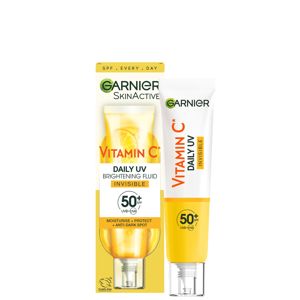
Daily SPF feels non‑negotiable now. Women want texture, no cast, and a finish that suits makeup. Brands listened. You’ll find more gel lotions, serum SPF hybrids, and stick formats on UK shelves this year. They set fast, don’t pill as much, and sit well under tinted bases.
Check UVA protection as much as SPF. The Boots star system helps. Aim for high UVA protection and an SPF 30 or 50 rating. Don’t “cocktail” sunscreens with moisturisers. You can layer moisturiser first, then SPF, and still keep the protection. You can also use a dedicated moisturiser with SPF if the brand tests it as a sunscreen. Read the label and look for clear claims.
We rate Shiseido for heat and sweat days, and Garnier for affordable daily wear. You’ll also find elegant options from Estée Lauder. Browse our SPF Protection Products to compare textures, casts and finishes. We track stock and prices across Boots, Superdrug, John Lewis and Lookfantastic. Add two you like to a wishlist, then grab the cheaper one when a promo lands.
Reapplication stays hard at a desk. Sticks, sprays and cushions help. Tap a thin layer over makeup at lunch, then blot with tissue. You won’t get full morning coverage, but you’ll extend protection on commutes or a quick outdoor coffee.
Refillables and low‑waste swaps that don’t feel like homework
Refillables work best when they feel easy and cost less per millilitre. We now see more cartridge moisturisers, cleanser pouches, and body wash refills on UK shelves. Retailers place them near tills and in minis stands, which helps women remember them. That shift shows in our merchant feed. Refills appear in new‑in sections more often than in 2022.
Focus your swaps where plastic piles up. Body wash, hand wash, and body lotion top that list. Refill those, then look at moisturisers and cleansers. The Body Shop still pushes refill culture, and supermarkets stock pouches from major brands. Set a GlamGeek alert on your favourite Shower Gels & Body Washes and Body Lotions, and wait for a two‑for deal.
Pumps and jars matter. Choose sturdy packs that lock and don’t leak, or the refill sits in a drawer and never gets used. For skincare, refill pods save space and cut waste. Many premium brands drop the refill price during brand events at Space NK and Cult Beauty. You can time that with our wishlist alerts.
Keep your standards. Refill doesn’t mean rough texture. Check for the same INCI list and texture as the original. If a refill formula changes, read our user reviews before you switch. They tend to spot scent shifts and pilling fast.
{{IMAGE:flat lay of refillable skincare jars and sunscreen on a vanity}}Microbiome talk, pH sense and kinder exfoliation
“Microbiome” hits many labels this year. Some claims stretch. You don’t need live bugs in a jar. You do benefit from prebiotics, postbiotics, and a formula that doesn’t strip. Look for inulin, alpha‑glucan oligosaccharide, fermented extracts, and lactobacillus ferments as helpful signals. They can support barrier balance, especially in winter.
We like gentle acids in that mix. Mandalic, lactic and PHA acids smooth texture without the charcoal‑mask sting. Use them two or three nights a week, not daily. Then keep one night for a retinoid, and the other nights for moisturiser only. That cadence works for most women in the UK, and it sits well with indoor heating. Browse our Face Exfoliants to pick the acid that suits your skin tone and dryness level.
Brand picks that get the brief: Lancôme Advanced Génifique leans on prebiotic and probiotic fractions in a friendly base. Shiseido balances texture with ferments and humectants in several ranges. Estée Lauder builds hydration into its essence and night serum steps. You can find deals across John Lewis and Lookfantastic during seasonal sales. We flag those for followers who add the SKUs to a GlamGeek wishlist.
pH also matters. Many cleansers now state a near‑skin pH, which your barrier prefers. You don’t need to test it at home. You will feel a difference if your skin stings less and looks calmer by lunch. That calm pays off in winter.
TikTok hacks to keep, and ones to bin
Social media spread some good habits. It also spread a few risky ones. We rate “skin cycling” if you use it as a rhythm, not a rule. Rotate a retinoid night, an acid night, and moisturiser nights. That pattern keeps skin smoother without the week‑two meltdown.
“Slugging” suits very dry skin or specific zones. Seal with a thin occlusive layer on cheekbones or lips on the coldest nights. Don’t slug under makeup or in heat. You’ll trap sweat and cause bumps. Pick a balm and keep it off your whole face unless you know your pores tolerate it.
Keep the “sandwich” method for eye creams and stronger actives. Apply moisturiser, then retinoid, then moisturiser again to soften the hit. Ditch DIY vitamin C from powdered tablets. You can burn your skin or stain it. Skip SPF mixing as well. Apply sunscreen as the last skincare step, then makeup. You will get the protection you paid for.
We also saw more LED masks and handheld lights in 2025. Red and near‑infrared light can support skin over time. Choose CE‑marked devices from known retailers, stick to the manual, and watch your eyes. If you want a lower‑cost start, try a targeted handheld device. You’ll save money and find out if light routines suit you before you go big. Space NK and John Lewis rotate bundles on devices. Add one to your GlamGeek wishlist and you won’t miss the better price.
Seasonal edits that suit British weather and budgets
UK weather pushes seasonal edits. We suggest you keep two moisturisers and two sunscreens on rotation. Use a light gel‑cream and a fast‑setting SPF in spring and summer. Switch to a richer cream and a cushioned SPF in autumn and winter. You’ll keep makeup smoother and cut midday tightness when radiators blast.
Layer textures that behave. Start with a hydrating serum, then moisturiser, then SPF. Keep gritty vitamin C powders and heavy oils for night. If you love a glow base from Charlotte Tilbury, pick a moisturiser that doesn’t pill underneath. Check our reviews to see which combos behave. We track the makeup‑skincare gap because primers and sunscreens still clash for many women.
On budget stretches, save on cleansers and creams, and spend on your active serum and SPF. Great glycerin gels sit at Superdrug prices. Your peptide or retinoid often earns the splurge. You’ll see the return in tone and texture over months, not days. That slow‑and‑steady approach beats a basket of random trend buys.
Brand spotlights: strong bets across price points
Want a quick shortlist? Here’s how we group winners by use case, based on formulas, textures and consistent user praise on GlamGeek.
- Hydration workhorses: Clinique for gel‑creams that layer well, Garnier for budget hyaluronic gels, and Clarins for plush textures that flatter makeup.
- Anti‑ageing serums: Estée Lauder and Lancôme for consistent peptide and ferment blends. Check our Anti Ageing Face Serums to compare textures and outcomes.
- Sunscreen staples: Shiseido for hot days and sport, Garnier for office days and reapply sticks. Visit SPF Protection Products for finish and tone notes.
- Everyday cleansers and body care: The Body Shop for refills, supermarket aisles for value pouches, and department stores for indulgent textures you can refill later.
We compare stock and prices across Boots, Superdrug, Space NK, John Lewis, Cult Beauty and Lookfantastic. Add two or three options per step to a GlamGeek wishlist. You’ll receive alerts when a bundle or GWP tilts the value your way.
What this means: build the routine, ignore the noise
Trends can help when you use them to sharpen a simple plan. Build a base routine first: gentle cleanse, hydrating serum, moisturiser, and SPF by day. Add one active at night that matches your goal. Choose a peptide if you want steady firmness. Choose a retinoid if you want broader anti‑ageing results. Sprinkle a mild exfoliant on off nights. Then hold that plan for eight to twelve weeks.
Spend where it counts. Pay for texture and filters in SPF, and for proven actives in serums. Save on cleansers and basic creams. Try refills for body care and any skincare where the refill cost drops. Keep two textures of moisturiser and two types of sunscreen for the UK weather swing. And use GlamGeek’s price comparison and wishlist alerts so you buy during a drop, not at a peak.
If you want a single update for 2026, pick one from this list: a peptide serum that suits your skin feel, a micro‑dosed retinoid with a buffer, a gel‑lotion SPF that vanishes, or a refill for your body wash. Each one earns back its cost in daily use, not just in a trend post.
Which trend will you back this year? Tell us what you plan to shop, then add your picks to a GlamGeek wishlist. We’ll watch prices across Boots, Superdrug, Space NK, John Lewis, Cult Beauty and Lookfantastic, and ping you when the better deal lands.