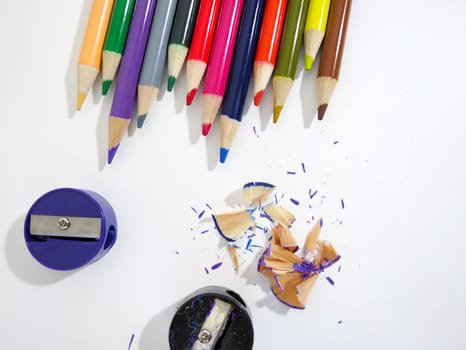
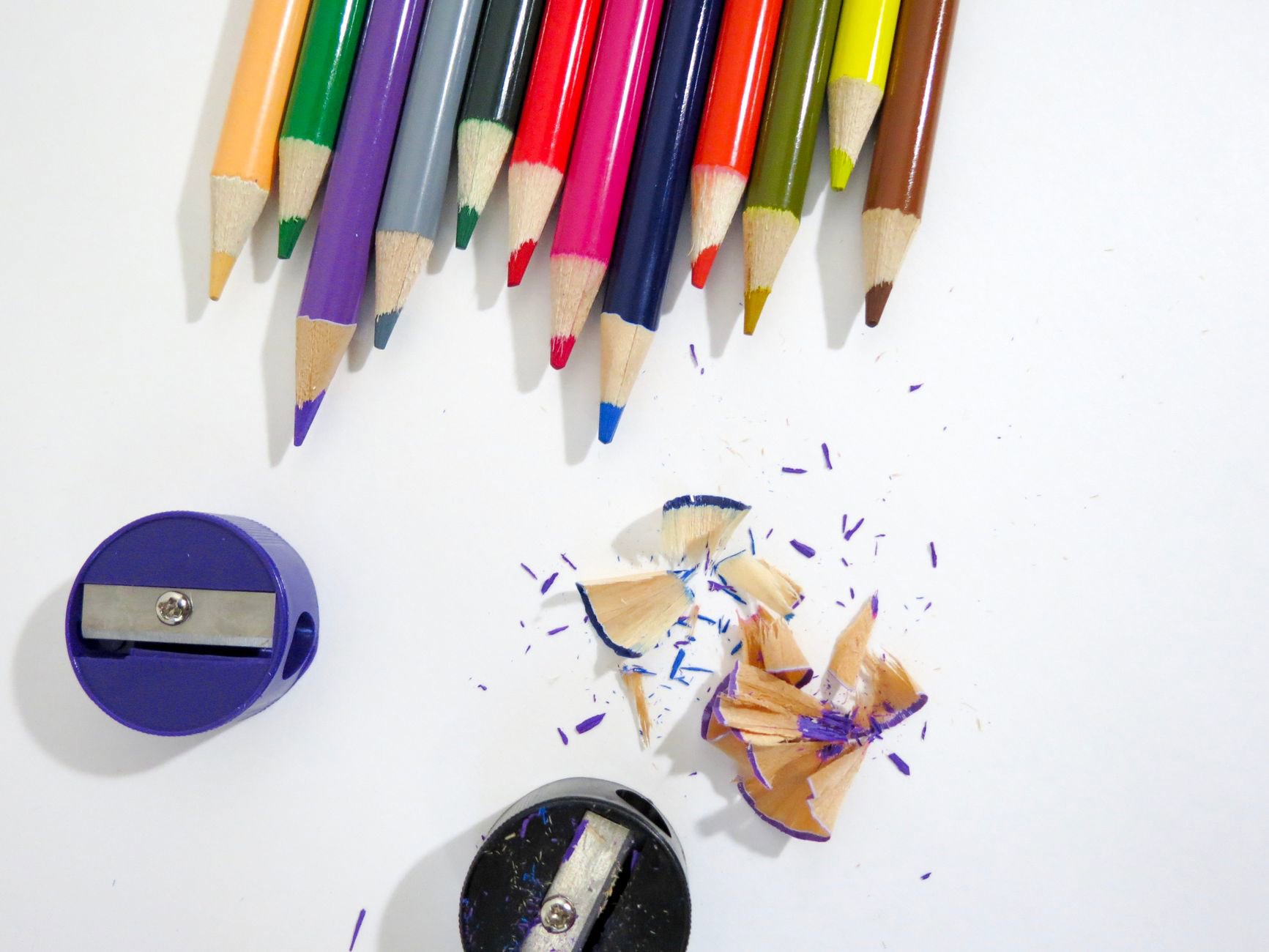
To sharpen pencil eyeliner without breaking it, you need two things: a blade that’s actually sharp, and a pencil core that’s firm enough to survive the turn.
Most snapping happens because the formula is too soft (common with ultra-creamy, gel-style pencils) or because the sharpener blade drags and twists the core instead of slicing it cleanly. Fix those two variables and breakage drops fast.
We’ll cover wooden and plastic-bodied pencil liners, how to prep them, how to clean and maintain your sharpener, and what to do when a pencil keeps crumbling no matter what you try.
The basics: why pencil liners break in the sharpener
Pencil eyeliner cores sit on a spectrum from firm waxy crayons to ultra-creamy “glide” formulas. The softer the core, the more it behaves like a lipstick: pressure and heat deform it, and a dull blade can rip chunks out rather than shaving a smooth cone.
In UK bathrooms, the problem gets worse at both ends of the temperature range. Indoor heating from October to March dries the air and can make wooden barrels shrink slightly, which grips the core. Summer heatwaves soften the core itself. Either way, the sharpener needs to do more work, and that’s when snapping starts.
Packaging matters too. Traditional wood pencils sharpen predictably because the blade cuts wood and core together. Many modern liners come in plastic-bodied pencils, or retractable formats that don’t sharpen at all. Some retractables still include a built-in sharpener for precision, like Sisley Phyto-Khol Star Waterproof (from £25.65), which also includes an integrated pencil sharpener in the component.
Finally, technique matters. People rush, twist too hard, or keep sharpening after the point forms. That last one sounds harmless, but it’s a fast route to a loose, wobbling core that breaks the next time you line.

Choose the right sharpener (and stop blaming the pencil)
We can’t recommend a specific sharpener model here, but we can tell you what to look for. A good eyeliner sharpener uses a tight, clean blade, a snug barrel fit, and a stable housing that doesn’t flex when you turn. If the pencil wiggles, the blade bites unevenly.
Start with size. Many pencil liners use a standard diameter, but chunky pencils need a larger opening. Forcing a slightly-too-large pencil into a smaller hole compresses the barrel and stresses the core. The snap you hear often comes from that squeeze, not from the blade.
Then consider formula type. Ultra-creamy pencils tend to shear better with a very sharp blade and a slower turn. That matters for cult-favourite glide formulas like Urban Decay 24/7 Glide-On Eye Pencil (from £13.60), described as ultra-creamy and designed to glide effortlessly. Creamy pencils reward a sharpener that slices cleanly, not one that “grates”.
Gel-style waterproof pencils can feel firmer on skin but still crumble under a dragging blade because they often balance waxes and oils for slip. Make Up For Ever Aqua Resist Color Pencil (from £15.00) positions itself as a waterproof, 24-hour gel eyeliner pencil with a glide from a combination of waxes and oils. That glide is great on lids. It also means the core can smear if your sharpener heats it up.
One more tell: if you get little spirals of product, your blade slices. If you get dust and crumbs, your blade scrapes. Scraping equals breakage.
Quick fit check (30 seconds)
- Insert the pencil gently and see if it sits snug without force.
- Turn one slow rotation. If the pencil squeaks, the blade drags.
- Check the shavings. Smooth curls beat gritty powder.
- If you need to brace the sharpener with a death grip, the housing flexes.
Wooden vs plastic-bodied pencils: what changes (and what doesn’t)
Wooden pencils usually behave. The wood supports the core, and the blade has something firm to bite into. Many classic kohl-style pencils sit here, including MAC Eye Kohl (from £11.95), described as soft and creamy with rich colour in matt or pearl finishes.
But “soft and creamy” still means you can overdo it. If you sharpen a MAC-style creamy pencil too aggressively, you can create a long, fragile point that snaps as soon as it touches the lash line. A shorter, slightly blunter point often performs better and wastes less product.
Plastic-bodied pencils can be trickier. Some are sharpenable with the right sharpener, but plastic can drag more than wood. When the barrel drags, the core twists inside and fractures. That’s why you sometimes see a perfect-looking point that falls off in one piece.
Retractable pencils avoid sharpening, but they still need tip maintenance. Shiseido Microliner Ink (from £18.75) uses a micro-fine format designed for precision and long wear (up to 24 hours in the description). You won’t sharpen it like wood, but you can still “refresh” the tip by making tiny strokes on a clean tissue to re-form the edge.
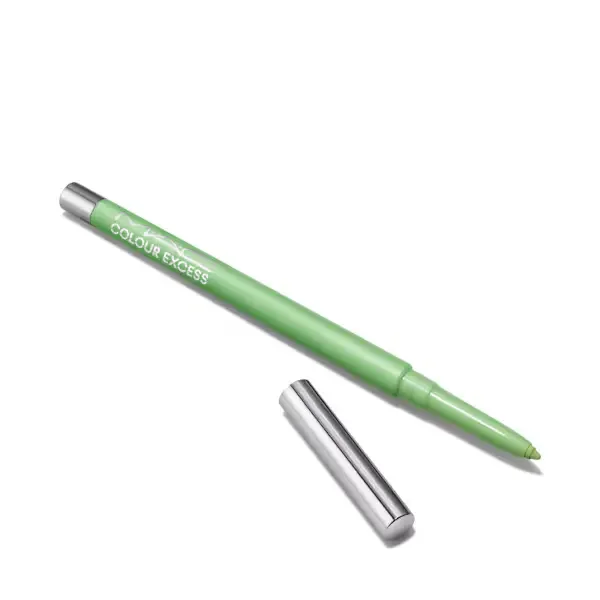
And some retractables build the sharpener into the packaging. Sisley Phyto-Khol Star Waterproof (from £25.65) explicitly includes an integrated pencil sharpener. That’s useful when you want a consistent point without guessing the right sharpener size.
Prep that prevents snapping: chill, dry, and stabilise soft formulas
If your liner keeps breaking, assume the core feels too soft at the moment you sharpen. Your goal is to firm it up, reduce friction, and minimise heat.
Chilling works because waxes and oils stiffen at lower temperatures. That matters for pencils marketed around glide and creaminess, such as Urban Decay 24/7 Glide-On Eye Pencil (from £13.60) and Dior 24H Stylo Waterproof Eyeliner (from £20.40), which is described as ultra-creamy and designed for a smoky eye while staying smudge-free and waterproof.
Here’s the method we see work best across creamy and gel pencils.
Chill-and-sharpen steps (no fuss)
- Cap the pencil to avoid fridge smells and condensation on the core.
- Chill for 10–15 minutes. A freezer can work faster, but keep it brief.
- Sharpen slowly with light pressure. Let the blade cut.
- Stop early. Aim for a sturdy point, not a needle.
- Let it warm for a minute before applying, so it glides again.
Dryness matters too. If you store pencils in a steamy bathroom, the wood can swell and grip the core, then shrink later when heating dries the room. That movement can crack the core over time. A drawer outside the shower zone helps.
One more: don’t sharpen right after you’ve used the pencil on warm skin. The tip holds heat. Give it a few minutes, or wipe it, cap it, and chill it.
Sharpening technique: the 60-second method that wastes less product
Most people twist the pencil like they’re starting a campfire.
Instead, treat sharpening like shaving: controlled, consistent, and brief. You want the blade to slice off thin layers. Thick shavings mean too much pressure, and pressure cracks soft cores.
Start with a clean sharpener (we’ll get to cleaning next). Insert the pencil until it catches, then turn the pencil, not the sharpener, if your sharpener design allows. Turning the pencil gives you better control and reduces wobble.
Use half-turns. Check the point. Repeat. This stops you from over-sharpening into a long spear that breaks on contact.
What “done” looks like
- A short cone with no visible fissures.
- No loose ring where the core meets the barrel.
- Shavings look like curls, not crumbs.
- The tip survives a gentle swipe on the back of your hand.
If you like a smoked-out look, you don’t need a needle point anyway. Creamy pencils like MAC Eye Kohl (from £11.95) and highly pigmented options like Yves Saint Laurent Lines Liberated (from £20.25) (highly pigmented, highly blendable, with 24H wear claims in the description) often perform best with a slightly thicker point that lays colour fast.
Clean the blade: the unglamorous fix for crumbling and skipping
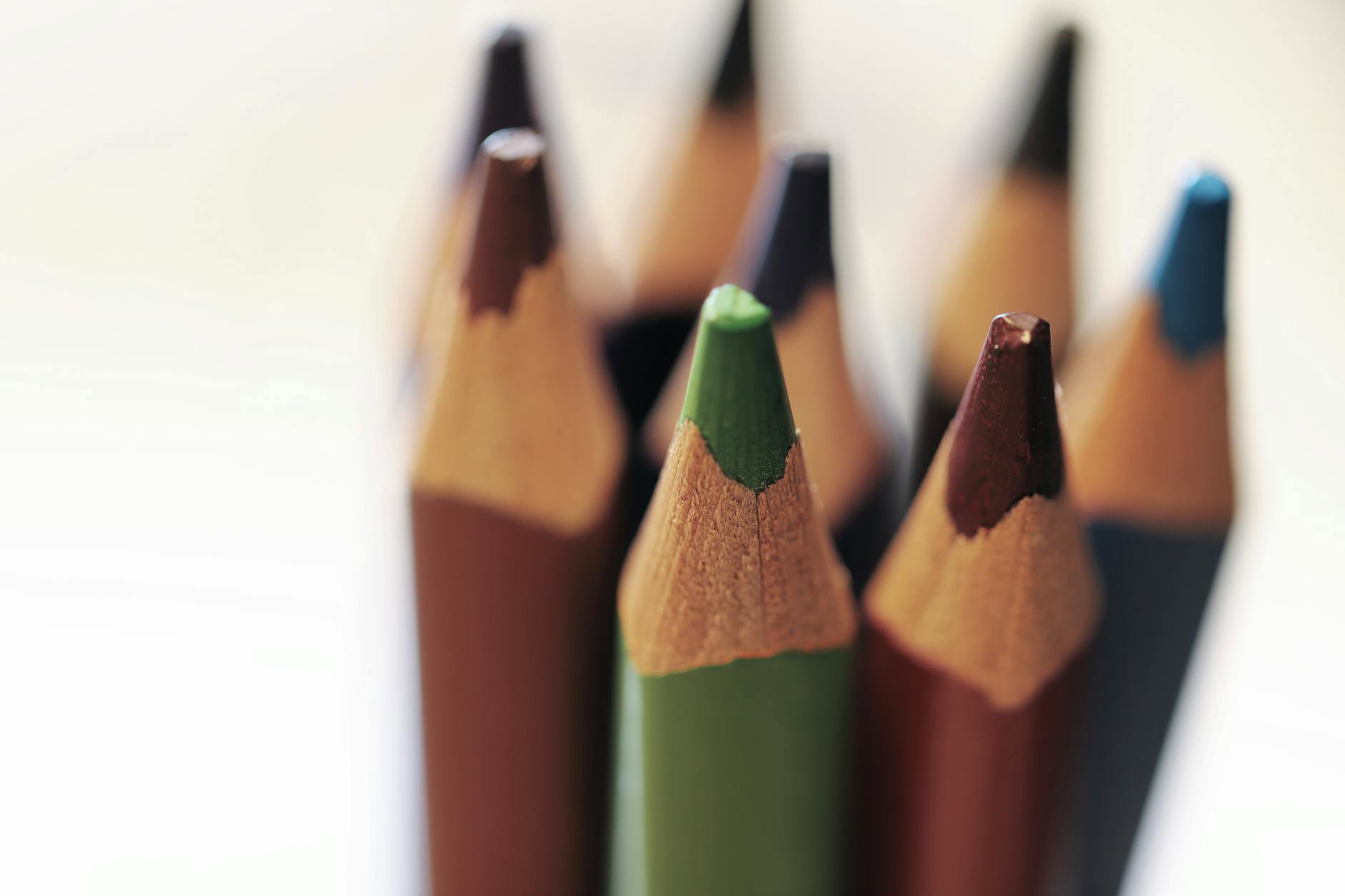
A sharpener blade can be “sharp” and still fail you if product build-up coats the cutting edge. Waxes and oils smear onto the blade, then harden. Next time you sharpen, the blade drags.
That drag shows up as crumbling tips and a rough, splintered wood edge. It also shows up as a point that looks fine but feels scratchy on application, because the core surface got torn rather than sliced.
Cleaning matters more for waterproof and long-wear pencils. Those formulas often resist smudging by clinging harder once they set, so they cling to blades too. Think of options like NYX Epic Wear Long Lasting Liner Stick (from £5.25), described as delivering up to 36 hours of waterproof, smudgeproof, fadeproof colour, and Make Up For Ever Aqua Resist Color Pencil (from £15.00) with its waterproof 24-hour positioning.
How to clean a sharpener safely
- Tap out debris first. Loose shavings hide stuck-on residue.
- Use a cotton bud with rubbing alcohol and wipe along the blade edge.
- Use a tissue for the final wipe. Remove any fibres.
- Let it fully dry before sharpening again.
Don’t soak the sharpener. Alcohol plus a targeted wipe usually does the job. If you see nicks in the blade, replace the sharpener. A nicked blade bites chunks out of creamy cores.
Sanitation counts too. Eye products pick up bacteria. Cleaning the sharpener reduces the chance you grind old product back into a fresh point.
Troubleshooting: what to do when it keeps breaking (by symptom)
When sharpening goes wrong, the failure pattern tells you the cause. Fix the cause, not the pencil.
1) The tip snaps off immediately
This usually means the point got too long and thin, or the core has micro-cracks. Sharpen less. Do two half-turns, then stop. For very creamy pencils, chill first.
Products that lean creamy and glide-focused—like Urban Decay 24/7 Glide-On Eye Pencil (from £13.60) and Fenty Beauty Flypencil Longwear Pencil Eyeliner (from £14.00), described as creamy, waterproof, and long-wearing—often prefer a shorter point.
2) The core crumbles into gritty dust
That points to blade drag. Clean the sharpener blade. Then try slower turns with less pressure. If it still crumbles, your sharpener may be dull.
Also check storage. If the pencil has dried out over time, the core can become brittle. You can’t rehydrate it reliably. You can only reduce stress by chilling briefly and sharpening minimally.
3) The wood splinters, but the core looks fine
This usually means the sharpener opening doesn’t match the pencil barrel, or the blade sits at the wrong angle for that pencil. Switch to a sharpener with a cleaner cut and a better fit.
If you see repeated splintering with one specific pencil, stop forcing it. You’ll waste more product than you save.
4) The core falls out of the barrel
This can happen when the wood shrinks in dry indoor heat, or when the pencil has taken a knock in a bag. Once the core loosens, sharpening stresses it further. You can sometimes salvage it by chilling, then sharpening very lightly, but it often stays fragile.
At that point, we’d consider switching to a format that avoids traditional sharpening. A micro format like Shiseido Microliner Ink (from £18.75) or a retractable with integrated sharpener like Sisley Phyto-Khol Star Waterproof (from £25.65) can reduce the failure points.
5) You get a sharp point, but it skips on application
That often comes from a rough, torn surface on the core. Blade drag again. Clean the blade. Then “polish” the tip by drawing a few gentle lines on tissue before you go near the eye.
If you want intense colour in one stroke, pencils described as ultra-pigmented like Make Up For Ever Aqua Resist Color Pencil (from £15.00) and high-impact pigment formats like Shiseido Microliner Ink (from £18.75) can still skip if the tip surface gets ragged.
Which pencil liners suit which sharpening style (with UK prices)
Not every pencil liner wants the same point. Our price tracking across UK merchant feeds also shows a wide spread in entry price, so it helps to match your sharpening tolerance to your budget.
Here’s how we’d group the pencils from this guide, based on the descriptions provided and how those formulas typically behave when sharpened.
Creamy “glide” pencils (sharpen gently, chill if needed)
- Urban Decay 24/7 Glide-On Eye Pencil — from £13.60 (ultra-creamy; glides effortlessly)
- Dior 24H Stylo Waterproof Eyeliner — from £20.40 (ultra-creamy; waterproof; smudge-free)
- MAC Eye Kohl — from £11.95 (soft, creamy; blendable; matt or pearl finish)
Waterproof / long-wear pencils (keep the blade clean)
- Make Up For Ever Aqua Resist Color Pencil — from £15.00 (waterproof 24-hour gel; waxes and oils for glide)
- NYX Epic Wear Long Lasting Liner Stick — from £5.25 (up to 36 hours; waterproof; smudgeproof; fadeproof)
- Yves Saint Laurent Lines Liberated — from £20.25 (24H wear; smudge-resistant; waterproof; highly pigmented)
Precision formats that reduce sharpening stress
- Shiseido Microliner Ink — from £18.75 (micro-fine; smudge-proof; up to 24 hours)
- Sisley Phyto-Khol Star Waterproof — from £25.65 (retractable; integrated sharpener)
If you want the lowest-cost practice pencil for getting your sharpening technique right, Revolution Streamline Waterline Eyeliner Pencil (from £1.75) and NYX Epic Wear Long Lasting Liner Stick (from £5.25) sit at the budget end of our tracked list. If you’d rather pay for packaging that helps, Sisley’s integrated sharpener stands out on specs alone.
For browsing by brand, these pages help for context: MAC, NYX, Shiseido, Sisley, Revolution, and KIKO. (Shoppers often find these at Boots, Superdrug, Space NK, John Lewis, Cult Beauty, or Lookfantastic, depending on brand and shade.)
Practical tips you can use today (no new tools required)
Start with the simplest win: slow down. Half-turns and frequent checks cut breakage more than any hack, because they stop you from creating a fragile point.
Then add the two maintenance habits most people skip. Clean your sharpener blade with rubbing alcohol when shavings start to look dusty. And keep creamy pencils capped and away from radiator-level heat so the core stays stable.
When a pencil fights you, stop trying to “power through”. Chill it for 10–15 minutes, sharpen lightly, and accept a shorter point. You’ll get more usable product, and you’ll spend less time digging broken tips out of the sharpener.
If you want to explore other eye makeup categories alongside your pencil liner routine, these sections can help you compare formats and looks: Eye Shadow Palettes, Mascaras, and Makeup Brushes & Applicators. We’d still keep the sharpening rules the same: clean blade, gentle pressure, and don’t over-sharpen.
Which pencil liner keeps breaking for you—and is it a soft creamy formula, or a long-wear waterproof one?