Our price tracker lights up every spring. Sunscreens surge into promo, stock shifts fast during the first warm weekend, and face formulas outsell body by a wide margin. We also spot more new SPF launches each year than new cleansers. Sunscreen has become a daily product in the UK, not a holiday afterthought.
That means the same debate resurfaces each season: mineral or chemical? We see claims on both sides. Mineral fans point to gentler formulas. Chemical loyalists praise texture and a clear finish. Both filter families can protect well. The better choice depends on your skin, your routine, and your day.
Here’s a clean way to decide. Look at filters, finish, irritation risk, and how you plan to wear it. Then shop smart. Our comparison feed shows wide price swings between Boots, Superdrug, Space NK, Cult Beauty, Lookfantastic and Beauty Bay on the very same tube. The right SPF exists for your skin and your budget.
SPF measures UVB protection. SPF 30 filters out a high percentage of burning rays, and SPF 50 blocks a touch more. Both can work, but SPF 50 gives you a bigger buffer when you under-apply. UVA protection matters just as much in the UK. You’ll see a UVA circle logo on EU/UK sunscreens when the UVA rating reaches at least one third of the SPF. Boots also uses a 0–5 star UVA system on many labels. Aim high on both.
Lab tests use 2 mg of sunscreen per cm² of skin. That equals more than most people think. On faces, the two-finger method helps: lay a line of sunscreen along the length of your index and middle finger, then apply. Reapply when you spend time outdoors. Sweat, sebum and towels reduce coverage.
Climate also shapes choice. A damp UK winter and indoor heating can dry skin out. Summer brings short heat spikes, then cloud. UVA still comes through overcast skies. Pick a finish that you can live with in all weather, not just at the beach.
{{IMAGE:woman applying sunscreen on face close-up}}Mineral filters: zinc and titanium, explained
Mineral sunscreens use zinc oxide, titanium dioxide, or both. These minerals absorb and scatter UV. Zinc covers a wide range of UVA and UVB. Titanium focuses more on UVB and short UVA. Many mineral SPFs blend both to balance coverage.
Why choose mineral? Sensitive or post-procedure skin often copes better with zinc-heavy formulas. Zinc tends to sting less around the eyes. Mineral filters also resist UV breakdown without complex stabilisers. You can wear a mineral SPF under strong sun and count on steady protection, provided you apply enough.
Where do they fall short? Texture often trips people up. Older mineral SPFs feel thick and leave a cast. Brands now grind particles smaller and add tint to offset that grey flash. That helps a lot, but not every formula looks invisible on deeper skin tones. Always check the finish in daylight.
We rate sheer, fluid minerals for everyday office wear. They suit normal to combination skin. Drier skin may want a more emollient base to stop clinging. You can pair a mineral sunscreen with a light moisturiser on cold, heated days. That pairing stops tightness and flaking.
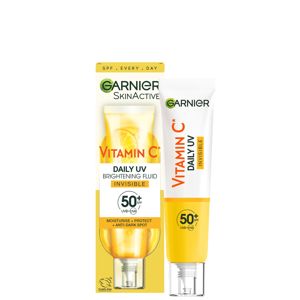
For examples, look to brands with long SPF lines. Clinique offers mineral face fluids with broad-spectrum cover. You’ll also find zinc-based options from Garnier and sensitive-skin ranges across our SPF Protection Products page. Prices jump around each week. Use the comparison chart and add picks to your wishlist. We’ll ping you when a price drops.
Chemical filters: modern options, lighter textures
Chemical sunscreens use organic molecules that absorb UV and turn it into heat. Common filters include avobenzone for UVA and octisalate or octocrylene for UVB. Europe and the UK also approve newer filters like Tinosorb S, Tinosorb M, Uvinul A Plus and Uvinul T 150. These modern filters offer stable, strong protection with lighter textures.
Why choose chemical? Finish and feel. You can find gels, milky fluids and barely-there serums that vanish on any skin tone. Many sit beautifully under makeup. You also get high UVA protection without heavy white pigments. Brand chemists can tune the slip and dry-down to suit oily or dry skin.
Do you need to worry about stability? Not with a smart formula. Avobenzone can degrade under UV, but labs pair it with stabilisers. Octocrylene often plays that role. Some brands skip avobenzone and use Tinosorb or Uvinul instead. Either way, well-formulated chemical SPFs hold steady in sun.
Where do they fall short? Some filters sting near the eyes. Fragrance and high alcohol content in face fluids can also tingle. If you run, sweat can carry those ingredients into the eye area. You can solve that by choosing a water-resistant face SPF or a mineral formula around the orbital bone.
For elegant textures, browse lines from Shiseido and Clarins. The L’Oréal group uses proprietary filters like Mexoryl across L'Oréal, Lancôme and Garnier. We often spot the same hero filter set across these brands at very different price points. Check our comparison before you commit at the till.
Finish and makeup: cast, slip and set time
Finish decides daily compliance. If it pills under foundation or slides off by lunch, you won’t reapply. We watch return comments spike when textures clash with makeup. You can avoid that with three quick checks.
First, match finish to skin type. Oily or combination skin often prefers fluid chemical SPFs with a soft-matte or satin dry-down. Dry skin often needs a creamier base. A mineral formula with added emollients can work well in winter. If your T-zone shines by noon, save heavier creams for the neck and chest.
Second, pair with your base makeup. Sheer chemical fluids usually play well under most foundations. Mineral SPFs with silica or powders can ball up under silicone-heavy primers. If you love a long-wear base, try a thin chemical gel SPF and a light, non-silicone primer. Our Face Primers and Liquid Foundations pages help you sort textures and finishes.
Third, solve cast on deeper skin. Tinted mineral SPFs help. They use iron oxides to offset the blue-white flash of zinc and titanium. Iron oxides also help against visible light, which can matter for melasma. Chemical SPFs avoid cast, so they suit deep complexions and on-camera days. If you still want mineral near the eyes, you can layer a tinted chemical SPF on the rest of the face.
Don’t rely on makeup SPF alone. A foundation with SPF helps a little, but most people don’t apply enough. Treat it as a bonus. Pick a dedicated sunscreen you enjoy, then layer makeup on top. Some hybrid products blur the line, like SPF primers from Charlotte Tilbury. They can work on short days, but a standalone sunscreen still does the heavy lift.
Sensitivity, sting and breakouts: what actually triggers them
“Sensitive skin” covers many triggers. Filters cause some of them. Fragrance and solvent choices cause others. You can cut the risk when you learn the usual suspects.
Eye sting often comes from avobenzone or high alcohol levels. Sweat moves these into the eye area during a commute or gym class. Try a water-resistant face SPF if you train outdoors. Or ring the eyes with a mineral formula and use a light chemical on the larger face area. This trick keeps sting low without sacrificing a light finish on the cheeks and forehead.
Rosacea and redness-prone skin often prefer zinc. Zinc calms the look of redness while it shields. Avoid strong fragrance and essential oils in any SPF if redness flares. Many “invisible” chemical gels include alcohol for faster dry-down. That works for oily skin, but it can feel tight on reactive cheeks in winter. In that case, a creamy mineral or a fragrance-free chemical milk will feel better.
Acne adds another layer. Filters themselves rarely clog on their own. The emollients, film formers and silicones around them can. Non-comedogenic claims help, but they don’t guarantee zero breakouts for every face. Look for light emulsions and gel creams if you break out easily. Pair your SPF with a simple hydrator from our Day Face Moisturisers page to reduce layer count. You can also test a mini or travel size before you commit to a full bottle.
Patch testing beats guesswork. Try a new SPF on the jawline for three days. Increase the area if it behaves. Our review pages show which formulas sting, pill or smell strong, so check them before you buy. Add contenders to your wishlist and wait for a price drop. We track changes daily across high street and luxury stockists.
{{IMAGE:woman applying tinted mineral sunscreen on deeper skin tone}}Water resistance, sweat and sunny weekends
Think about your day before you pick a formula. A city commute and desk job needs one kind of SPF. A sea swim or trail run needs another. Water-resistant SPFs hold better through sweat and swims. You still need to reapply after towelling, but the film survives longer on skin.
Labels tell you how a product behaves, but they don’t share one global system. In the UK you’ll see “water-resistant” or “very water-resistant”. Brands test performance after a set time in water. Some US labels use 40 or 80 minute claims. Either way, you still need to top up after towelling off or heavy sweat.
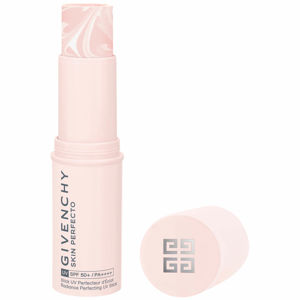
Sprays, sticks and lotions each have trade-offs. Sprays suit body top-ups, but wind and distance cut coverage. You need to spray close and spread with hands. Sticks help round the eyes or along the hairline. They shine for on-the-go reapplication over makeup. Lotions and fluids cover large areas fast and evenly. For a beach day, pack a water-resistant lotion for body and a stick for touch-ups.
UVA stays high even when clouds roll in. Check for the UVA circle or a high Boots star rating before you buy. Use enough product. For faces, two fingers of lotion beats a pea-sized blob. For bodies, aim for a generous layer before you step into sun. You can cut faff by using an SPF moisturiser on workdays. Our SPF Protection Products page filters by finish and format so you can find one that fits your routine.
We also see UK shoppers reach for water-resistant options on hot tube rides and festivals. That choice makes sense. Sweat degrades sheer, non-film-forming SPFs faster. Pick grip when you expect heat and crowds, and save light, elegant textures for office days.
Price, promos and eco claims in the UK
Mineral formulas often cost more per millilitre. Zinc and titanium need careful dispersion, and tint adds cost. Chemical options span every price tier. You can find lightweight chemical face SPFs at the high street and premium counters. Texture and finish often track price, but not always. We log frequent multi-buy offers on SPF during April to August. Face SPFs join sets and gifts in November and December. Use our comparison to time a restock.
“Reef-safe” claims now crowd front labels. No single UK standard defines that phrase. Some destinations restrict specific UV filters, especially oxybenzone and octinoxate. Many brands removed those filters from face formulas anyway. Mineral SPFs now carry “ocean friendly” stickers by default. That sounds good, but it doesn’t tell you about the full formula. If you care about marine impact, you can choose mineral, avoid aerosols, and wear a rash vest to reduce the amount you need on the body. Whatever you choose, full coverage protects your skin first.
Packaging also varies. Aerosols feel quick, but overspray wastes product. Pumps and squeeze tubes give better dose control. Some brands now offer refillable face SPFs. You’ll see that more at premium counters. The Body Shop focuses on community-sourced ingredients and simple formats. That option suits shoppers who want shorter INCI lists. You can also find moisturisers with SPF across our Day Face Moisturisers page. That swap cuts one morning step.
Check dates. Sunscreens carry either an expiry date or a period-after-opening symbol. Heat and light shorten shelf life. Don’t save a half-used beach bottle in the car. Keep face SPFs in a cool drawer. If a texture separates or smells odd, replace it. You’ll find fair prices when you compare across Boots, Superdrug, Space NK, John Lewis, Cult Beauty and Lookfantastic. Our price tracker does that legwork every hour.
Which one is “better”? Filter myths and the real decision points
People ask for a single winner. The data doesn’t back that up. Dermatology guidance supports both mineral and chemical sunscreens. The best one is the one you apply in the right amount and reapply when you need to. Formula and finish decide that in real life.
Myth: mineral sunscreens work only by reflecting light. Fact: zinc and titanium absorb most UV and scatter some. Myth: chemical sunscreens always irritate. Fact: many fragrance-free, alcohol-free chemical formulas suit sensitive faces. Myth: mineral always equals “reef-safe”. Fact: no UK body regulates that claim. Pick what you value, then focus on application and frequency.
Skin tone also shapes the choice. Deeper complexions often get better results with chemical fluids or well-tinted minerals. Pale, redness-prone faces often like zinc near the eyes and on cheeks. Many readers land on a mixed approach: mineral on the eye contour and a sheer chemical on the rest. That combo reduces sting and keeps makeup smooth.
Budget also matters. Our feed shows price gaps between mass and prestige lines even when they share similar filter tech. Clinique, Shiseido and Clarins deliver elegant textures at premium prices. High-street picks from Garnier and L'Oréal cover you for less. Use the comparison and wishlist tools. We’ll alert you when one of your favourites goes on offer.
What this means for your routine: quick picks
Use these simple rules to match SPF to your day and your skin.
- Makeup lover on a workday: Choose a sheer chemical fluid with a satin finish. Let it set for a minute. Follow with a light primer from our Face Primers page and your usual base from Liquid Foundations. Keep a stick SPF for cheekbone top-ups.
- Sensitive or rosacea-prone: Lead with zinc. Look for fragrance-free mineral fluids. Patch test on the jawline. If winter heating causes tightness, layer a simple hydrator from Day Face Moisturisers first.
- Deeper skin tones: Start with a clear chemical gel or a tinted mineral with iron oxides. Check the finish in daylight. Avoid chalky blends.
- Runner or beach day: Pick a water-resistant face sunscreen. Use a matching body lotion. Pack a stick for neck and ear touch-ups. Reapply after towelling.
- Melasma or pigment concerns: Favour high UVA protection. Tinted minerals add iron oxides to help with visible light. Layer a hat and sunglasses.
Application still wins. Use the two-finger method for faces. Spread to the hairline and under the jaw. Don’t forget ears, the back of the neck and the tops of hands. Reapply if you spend long stretches outdoors. Set a reminder on your phone if that helps during a festival or a park day.
Shop the whole category on our SPF Protection Products page. Filter by finish, water resistance and brand. Compare prices across Boots, Superdrug, Space NK, John Lewis, Cult Beauty, Lookfantastic and Beauty Bay in one place. Add your shortlist to your wishlist. We’ll ping you when the deal you wanted lands.
We rarely see one sunscreen suit every scenario. Your desk-day pick may not suit a 28°C train platform. Your winter moisturiser-SPF duo may feel heavy in July. Keep one elegant daily SPF and one grippy outdoor option in rotation. That small edit covers most UK weather and most plans.
So, mineral or chemical? Both protect well when you use enough. Filters set the framework. Texture and finish decide real-world success. Start with your skin type, your tone, your sensitivity triggers and your day. Then let availability and price guide the final pick. You’ll find options at every budget and every retailer we track.
Which filters have served your skin best this year, and what finish do you reach for most? Tell us, and drop your current SPF into a GlamGeek wishlist. We’ll keep an eye on prices and send a heads-up when a strong offer lands.