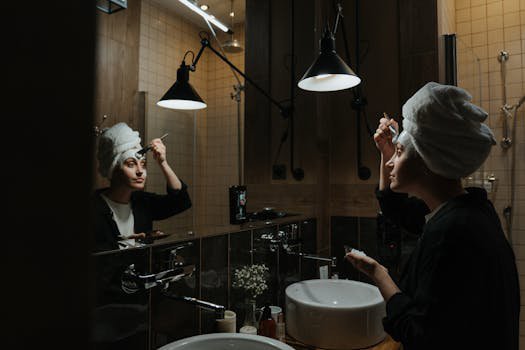
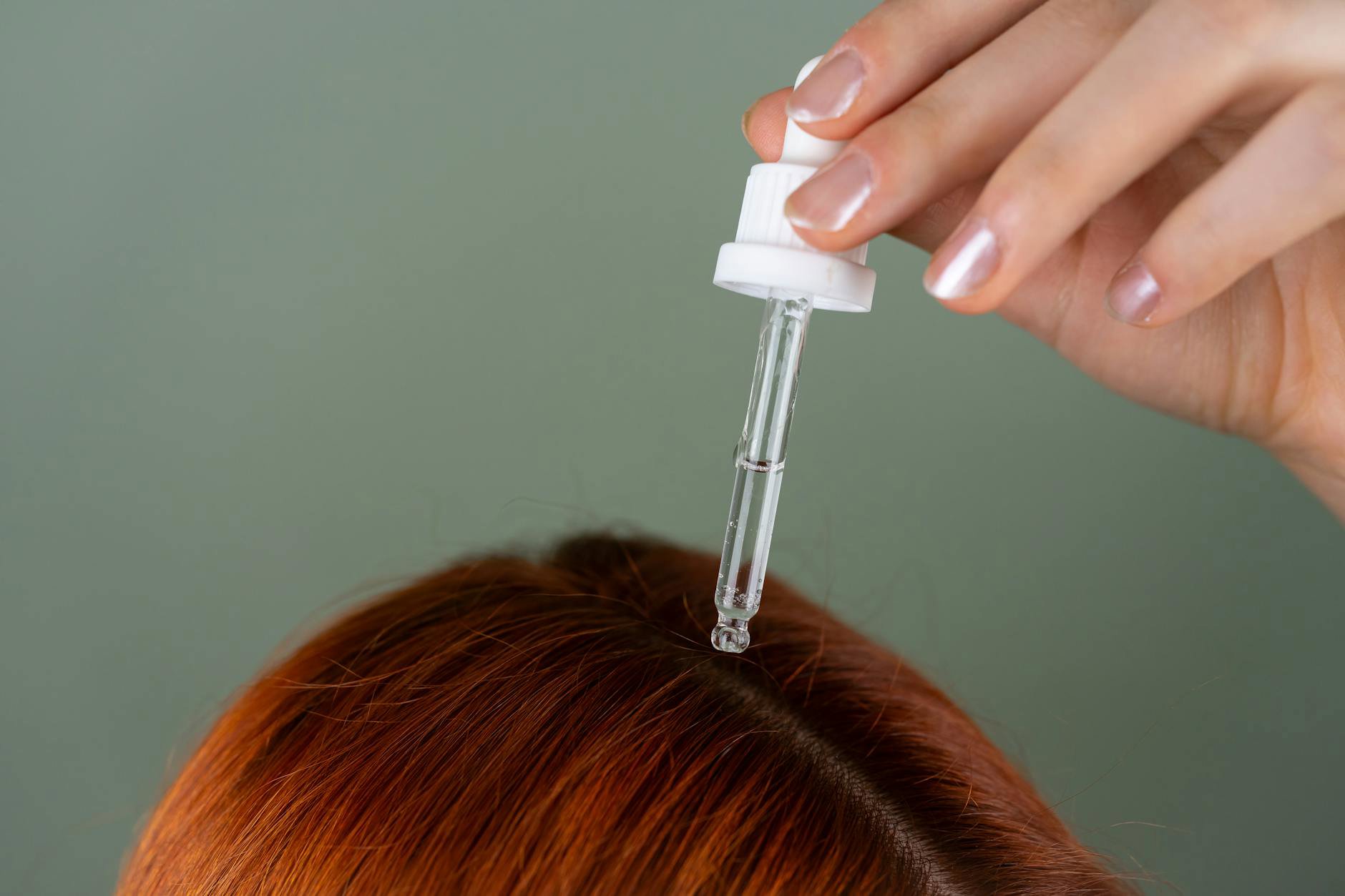
I knew “bloom skin” had officially arrived when I caught myself tilting my chin towards the bathroom light like a houseplant.
Not glassy. Not mirror-like. Just… alive. Plump, softly glossy, and a bit bouncy at the cheeks.
That’s the 2026 mood I keep seeing across the headlines: K-beauty’s glow evolves, hair care gets as nerdy as skin care, and brands push “grip” formulas everywhere. I like trends when they save me time or money. I ignore them when they try to sell me ten steps for the price of a weekend away.
So here’s my take: which ideas earn a slot in a UK routine, how to do them without wrecking your barrier, and where I’d spend (or refuse to).
Why 2026 trends feel different (and more expensive)
Beauty trend cycles used to move with seasons. Now they move with shipments. One week it’s “skin longevity”, the next it’s a new K-beauty ingredient acronym, and by the time you’ve added it to your Boots basket, the conversation has shifted again.
I started tracking my own “trend spend” after a month where I bought three serums that all did the same thing: hydrate, soothe, and sit nicely under SPF. I didn’t need three. I needed one that I’d actually finish.
UK pricing adds another layer. Between smaller bottle sizes, import mark-ups, and the way some viral products land at Space NK or Cult Beauty first, you can end up paying premium prices for what is essentially a comforting humectant gel.
This is where GlamGeek’s price tracking helps in a very unsexy way: it shows when a product regularly dips, so you can stop paying “new launch tax” just because TikTok screamed about it.
PDRN: what it is, what it does, and who should skip it
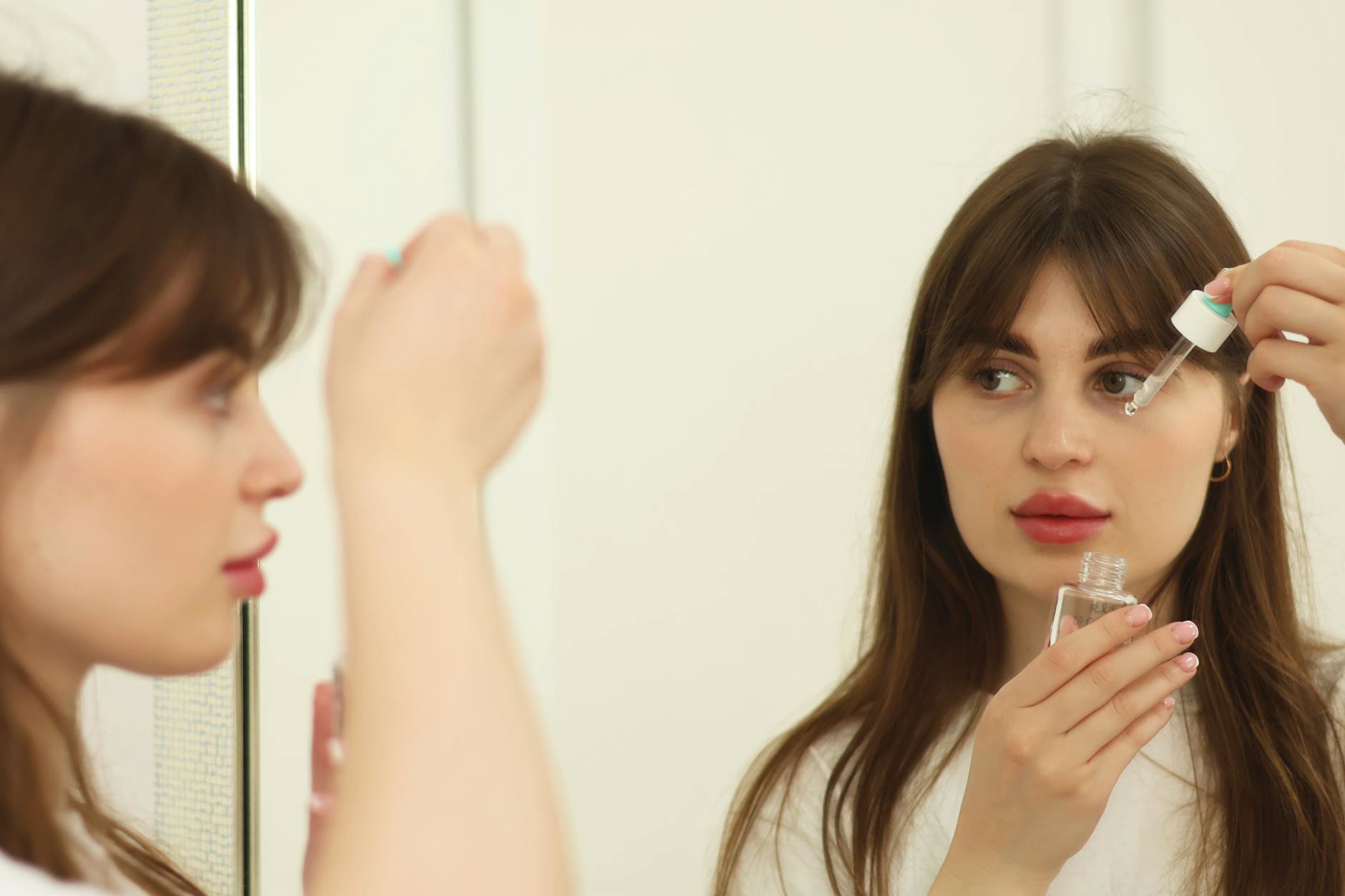
PDRN sits right at the centre of the current K-beauty chatter. You’ll see it positioned as the secret behind that “I sleep eight hours and drink water” look.
In plain English, PDRN usually refers to polydeoxyribonucleotide, a DNA-derived ingredient used in some Korean formulas. Brands market it for skin repair support, bounce, and that calmer, less-irritated look. I treat it like I treat peptides: not a quick-fix, but a “steady over time” ingredient that works best when you stop fighting your skin with too many actives.
Here’s the practical bit. If your skin feels tight by lunch, flakes under makeup, or stings when you apply day face moisturisers, PDRN-style soothing formulas can make sense as your “buffer” step. If your skin already feels stable and you mainly want pigment fading, you may get more visible results by spending on proven brighteners instead.
How I’d use it:
- Night: cleanse, PDRN serum/ampoule, moisturiser.
- Morning: only if you wear a comfortable SPF and you don’t pill easily.
- Frequency: 3–5 nights a week at first, then adjust.
- Pairing: I keep strong acids and retinoids on separate nights if I’m testing a new soothing product.
Where to buy in the UK? Many of the most-talked-about Korean “DNA/PDRN” products rotate through Cult Beauty and YesStyle, and some show up via Space NK’s K-beauty edits. I won’t quote a specific price because they fluctuate wildly by retailer and import batch. I will say this: if you pay luxury-serum money, I want luxury-serum texture, stability, and a bottle I enjoy using.
Who should skip? If your skin hates change, you’re pregnant or breastfeeding and already simplifying, or you’re currently in an “everything burns” phase, I’d focus on boring barrier care first. You can come back to trend ingredients later.
Bloom skin vs glass skin: the glow technique that costs nothing
Glass skin always looked gorgeous on camera. In real life, on a windy commute, it can read as shiny rather than fresh.
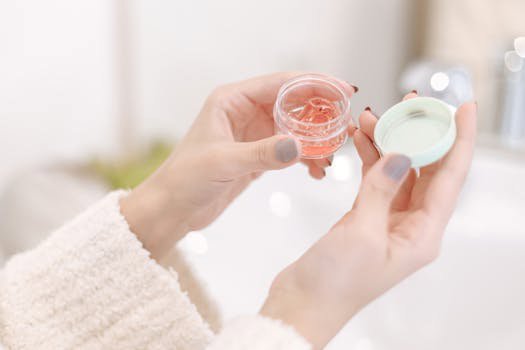
Bloom skin feels more forgiving. Think hydrated skin with soft focus, like you’ve just walked out of a warm room, not like you’ve been lacquered.
The trick is water management, not more products. If you’re the kind of woman who slaps on moisturiser, waits ten seconds, then wonders why foundation clings to your chin, this technique helps.
My step-by-step “bloom” routine (morning):
- Cleanse lightly. If you wake up dry, I prefer a gentle foam & wash cleanser only on the T-zone, or just rinse.
- Apply a hydrating layer on damp skin. A simple glycerin/HA serum works.
- Wait 60–90 seconds. This is the whole point.
- Moisturiser, but less than you think. Pea-sized for face, half-pea for neck.
- SPF. Give it 3–5 minutes before makeup.
Makeup matters here. I like a thin, flexible base rather than a heavy matte. If you own a grippy face primer, use it only where makeup breaks up (usually around the nose and mouth), not across your whole face.
Budget note: you don’t need a £50 “glow” cream to get bloom skin. A reliable drugstore moisturiser plus a good SPF often beats a fancy illuminator that separates by noon.
Grip is everywhere: when to use it (and when it ruins your base)
Grip formulas moved from makeup into hair care headlines for a reason: they create that “everything stays put” feeling. But grip can also mean tack, and tack can mean pilling if you layer like you’re making a trifle.
In makeup, I see grip as a placement tool. If your foundation slides off your nose by 11am, grip helps. If your skin runs dry and textured, grip can cling to flakes and make them look louder.
Two grippy options I actually trust because they’ve stayed popular for years, not weeks:
- e.l.f. Power Grip Primer (widely available at Boots and Superdrug). It’s the reference point for “affordable grip” in the UK.
- Milk Makeup Hydro Grip Primer (Space NK, Cult Beauty). Pricier, but very good if you want hydration plus hold.
How I apply grip without ruining my base:
- I use half a pump for the centre of my face.
- I press it in, then I wait a full minute.
- I use a thin layer of liquid foundation, then I tap concealer only where needed.
- I set strategically. Under-eyes and sides of nose. Not cheeks.
If you love experimenting, look at NYX and Revolution for grippy base products and setting sprays that cost less than a lunch out. If you want that “polished and done” vibe with minimal fuss, Charlotte Tilbury still makes some of the most wearable finishing products for glow that lasts.
One more thing. Grip doesn’t replace skin prep. It amplifies whatever is underneath.
Scalp health is the new hair trend that actually pays off
I love a glossy blow-dry. I also love not itching at my desk because I’ve layered dry shampoo like it’s a coping mechanism.
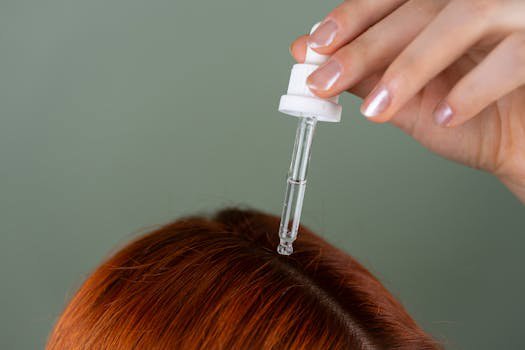
Scalp care headlines keep popping up because women want hair that feels thicker, fuller, and more resilient. Often the bottleneck sits at the scalp: oil imbalance, build-up, irritation, or just too much product left to stew.
My spend-smart scalp approach uses three lanes:
- Reset: a clarifying wash when hair feels coated.
- Balance: a gentle, regular shampoo you can use often.
- Support: a scalp serum if you need it, not because it’s trending.
If you use moisturising & nourishing shampoos and your hair still feels heavy at the roots, you might not need “more moisture”. You might need one clarifying wash every 7–10 days, then go back to your usual routine.
For premium hair care that earns its price, Kérastase does scalp and lengths beautifully, especially if you heat style. For a more affordable approach, I’d rather you spend on a solid shampoo and a decent moisturising & nourishing conditioner than a trendy scalp tonic you’ll forget behind the mirror.
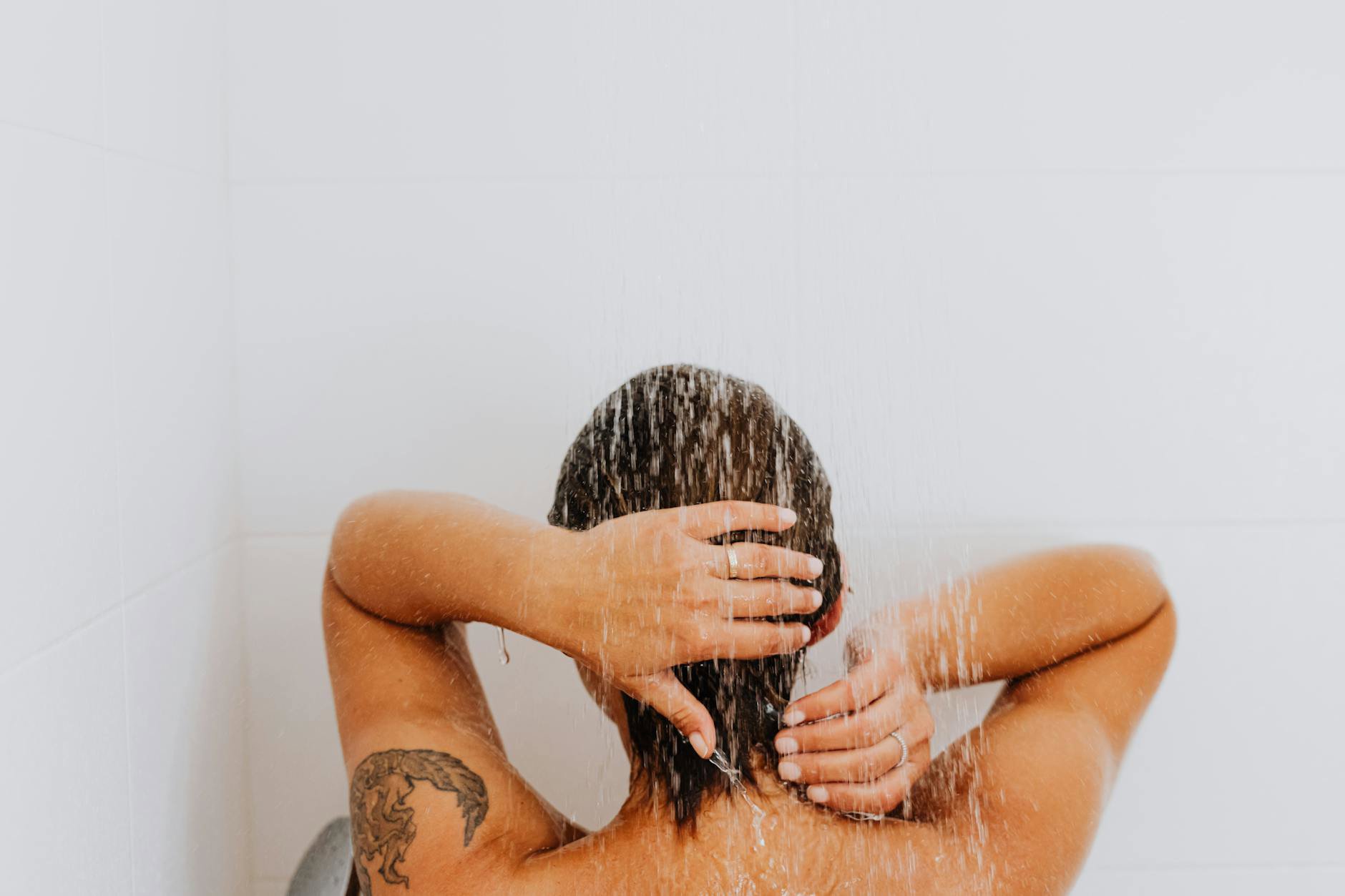
Technique matters more than another bottle. Shampoo twice, focus on the scalp, and rinse longer than you think. If you’re the kind of woman who washes in a rush before a Zoom call, that extra 30 seconds of rinsing often fixes the “my hair feels weird” problem.
Korean hair care: thickness claims, what’s realistic, and what to buy
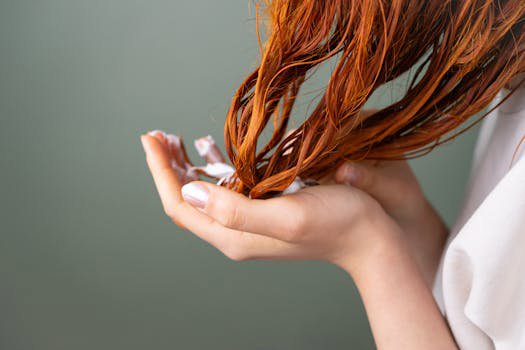
“Thicker hair” sells because it’s emotional. We notice shedding in the shower, we notice our ponytail feeling slimmer, and we panic-buy.
Korean hair care trends lean into scalp serums, gentle exfoliation, and lightweight conditioning. I like the philosophy: treat the scalp like skin, but don’t strip it into misery.
Here’s what I think is realistic. A shampoo cannot change how many follicles you have. But it can reduce breakage, reduce irritation, and make hair look fuller because it sits better at the root. A scalp serum can help if it soothes inflammation or supports a healthier environment. It won’t give you instant new growth in two weeks, and I don’t trust any marketing that implies it will.
What I look for on the label:
- Niacinamide: supports scalp comfort and oil balance.
- Panthenol: hydration and softness without weight.
- Caffeine: often used in scalp tonics; evidence varies, but it can feel stimulating.
- Salicylic acid: useful for flaky, congested scalps, but not daily for everyone.
If you want a UK-available, genuinely good scalp product that doesn’t feel like perfume on your roots, I often point women towards brands stocked at Boots and Cult Beauty first so you can return easily if it irritates. For hair masks, I prefer you choose one excellent hair mask and use it weekly, rather than rotating three half-used tubs.
And if your “thickness” problem is actually breakage from heat? Spend your money on heat protection and a less aggressive brushing habit. If you leave your straighteners on all morning and keep going over the same front pieces, no scalp serum will outwork that.
Skin longevity, but make it practical: the routine I’d bet on
“Longevity” sounds lofty. I translate it as: can you keep your skin calm and functional for years, not just glowing for Friday night?
My longevity routine uses boring pillars and one or two fun extras. It looks like this:
- Cleanse: gentle, consistent.
- Treat: one main active at a time (retinoid or vitamin C or exfoliant).
- Moisturise: enough to stop that tight feeling.
- Protect: daily SPF, no arguments.
- Extras: a soothing serum, a face mask when you want comfort, not punishment.
If you already use an anti ageing face serum, don’t bin it because a new ingredient trends. Decide what job you need done. Fine lines and texture often respond to retinoids over time. Dullness often responds to vitamin C or gentle exfoliation. Dehydration responds to humectants plus a moisturiser that seals them in.
Luxury earns its keep when it makes you use it consistently. I’ve had women tell me they only remember their night routine because they love the feel of a Clarins cream or a Lancôme serum. That counts. On the flip side, if you want straightforward, fragrance-light formulas, Clinique still sits in that “reliable workhorse” lane for many.
The one thing I won’t compromise on is SPF. If you spend on anything, spend on an SPF protection product you like enough to use generously. Longevity lives or dies there.
The 2016 makeup comeback: blur, bake, and how to update it for 2026
Every few years, makeup swings back to definition. 2016 loved a full beat: crisp brows, strong highlight, and powder that meant business. The 2026 version looks softer, but the bones remain.
If you miss that polished feeling but you don’t want to look overdone in daylight, I’d update it with two swaps: lighter base layers and smarter powder placement.
My modern “soft beat” steps:
- Use a thin foundation layer. Then spot-conceal with a liquid & cream concealer.
- Set only where you crease. Under-eyes, sides of nose, chin if needed.
- Add colour back with cream blush first, then a whisper of powder blush if you want it to last.
- Keep the eye simple but intentional. A small eye shadow palette and one good mascara beats ten random singles.
For budget colour and reliable textures, I still rate KIKO for easy everyday shades and Morphe for palettes when you want variety without paying luxury money. If you want that classic backstage polish, MAC remains a reference point for lip and eye staples.
And lips matter again. If you keep losing colour by mid-morning, carry a comfortable lip balm plus a liner and one of your favourite lipsticks. You don’t need a drawer of options. You need a system.
What this means for your wallet (and your bathroom shelf)
The big 2026 shift I see sits in intentionality. Trends push more launches, but women keep asking for fewer, better products that earn repeat purchases.
My practical takeaways:
- If you want to try PDRN or any new K-beauty active, swap it into a stable routine. Don’t stack it on top of three other treatments.
- If your makeup won’t last, fix your timing first. Waiting 60–90 seconds between layers costs nothing and often stops pilling.
- If your hair feels thinner, address breakage and scalp build-up before you buy a growth narrative.
- If you want a “trend” that always returns value, buy an SPF you love and use it daily.
When I compare products, I ask one question: will I finish it? A £12 primer you use daily beats a £38 one you forget. A mid-range shampoo that makes wash day pleasant beats a bargain bottle you dread using. Pleasure counts, because pleasure drives consistency.
Tell me your current dilemma
Are you chasing glow, longer-lasting makeup, or better hair days right now?
If you tell me your skin type, your hair texture, and the one product you keep repurchasing, I’ll suggest the most sensible “trend” to try next without turning your routine into a full-time job.