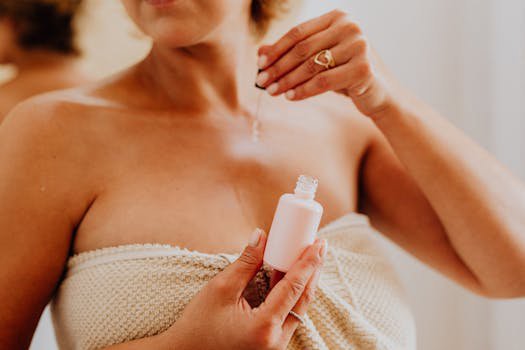
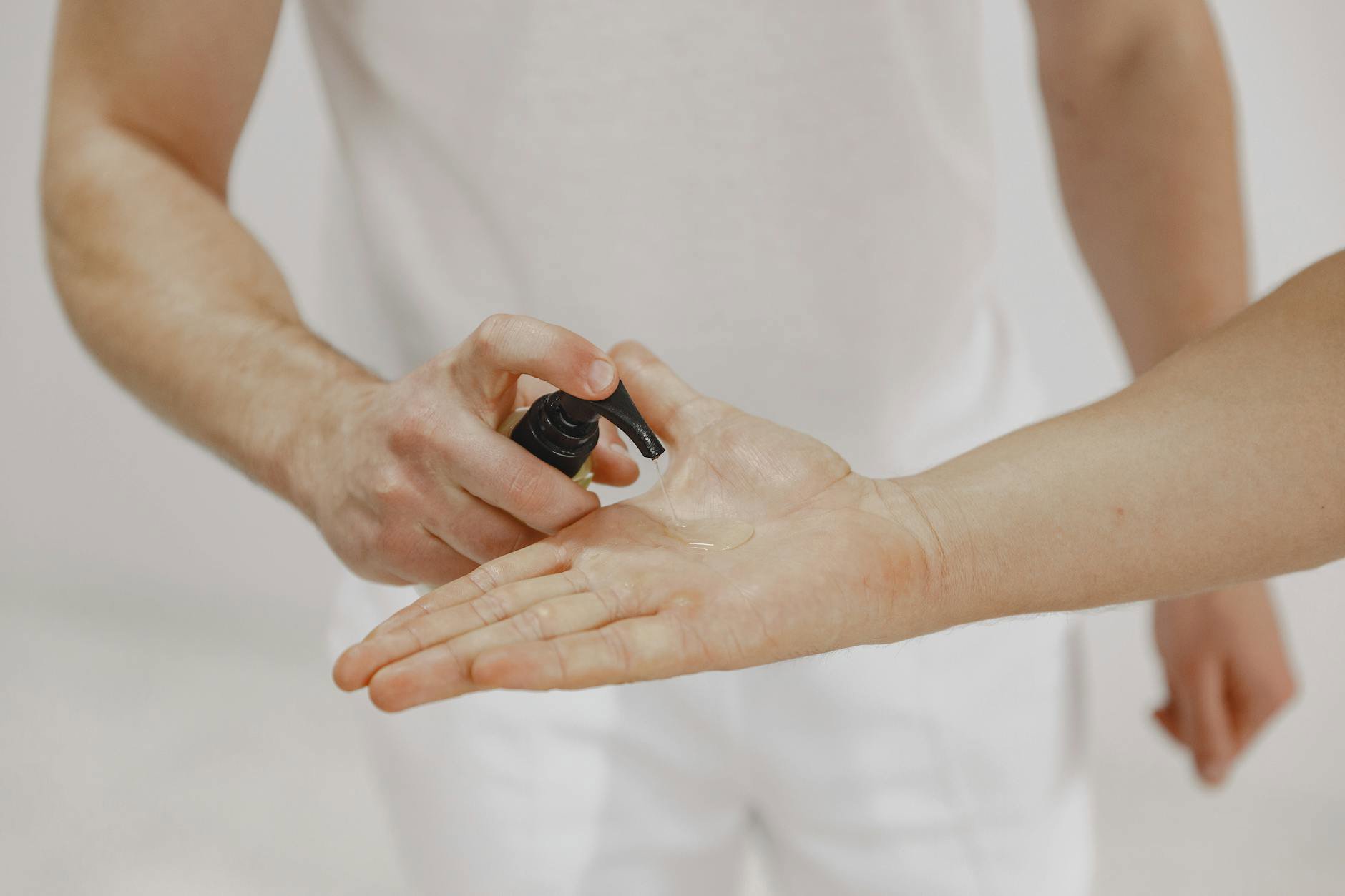
Body oil vs body lotion comes down to one thing: how you want to moisturise. Lotions mainly add water plus humectants; oils mainly add lipids that soften skin and reduce water loss. If your skin feels tight after showering, looks dull, or flakes in winter heating, body oil often fixes that faster than a light lotion.
But lotion still has a job. If your skin needs hydration (water) more than slip, a lotion can feel better day-to-day. Many people do best with both, used in the right order and amount.
This guide explains the differences, who each suits (dry, sensitive, oily, or blemish-prone body skin), how to layer without feeling greasy, and what to look for in a formula. We’ll keep recommendations strictly to body oils we track, with starting prices from our merchant feed.
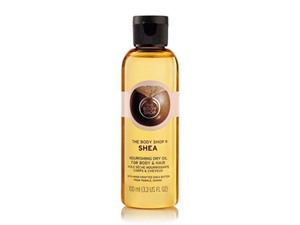
Before we get specific, one quick note: shoppers often compare body oil with Body Lotions and Body Creams. That comparison helps you decide, but every product call-out below stays in the body oil lane.
The basics: what body lotion does that body oil can’t (and vice versa)
Most body lotions rely on a simple structure: water + humectants + emollients, held together by emulsifiers. Water gives the “hydrated” feel; humectants (like glycerin) pull water into the top layers; emollients smooth roughness.
Body oils skip the water phase. They sit on skin as a lipid layer and work as emollients and often occlusives (they slow down transepidermal water loss). That makes oils especially useful when UK weather swings between damp outdoors and drying indoor heating.
So which is “better”? Neither. A lotion can hydrate more directly because it brings water to the party. An oil can seal and soften better because it brings lipids. If your skin feels thirsty, lotion often wins. If your skin feels rough, tight, or papery, oil often wins.
Texture matters too. “Dry oils” use lighter oils and volatile carriers so they sink in quickly. Traditional oils feel richer and stay on the skin longer. That isn’t good or bad; it depends on when you apply them and what clothes you plan to wear next.
Body oil vs body lotion: the real-world differences you’ll notice
Finish comes first. Lotions usually dry down to a soft, slightly powdery feel. Oils give slip and sheen, unless they use a “dry oil” style base. If you hate the feeling of product on skin, pick a dry oil format.
Speed comes next. Lotions spread quickly over large areas and suit rushed mornings. Oils can take longer if you use too much, but the right technique (more on that later) makes them just as fast.
Fragrance often differs. Many body oils lean into sensorial scents and essential oils. That can feel lovely. It can also annoy reactive skin. If you know your skin dislikes fragrant leave-on products, choose carefully and patch test.
Where each shines also differs. Oils excel on shins, elbows, and any area that gets that “winter crackle” look. Lotions often suit all-over daily maintenance and situations where you want zero residue.
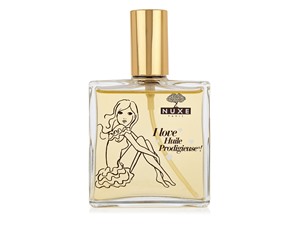
For a classic multi-purpose dry oil profile, our tracker often shows strong availability for Nuxe Huile Prodigieuse - Multi-purpose dry oil for face body and hair (from £10.00). It sits in that middle zone: not too heavy, not too thin, easy for most routines.
Which is best for dry, sensitive, oily, or acne-prone body skin?
Skin type labels help, but body skin behaves differently from face skin. Legs often run drier. Chests and backs break out more easily. Arms sit somewhere in between.
Dry or very dry body skin
When skin lacks both water and lipids, oil can make a visible difference fast because it smooths rough texture and reduces water loss. Oils also work well as a “seal” over damp skin straight after showering.
Two oils from our tracked list that suit this “comfort first” goal:
- Nuxe Huile Prodigieuse Trockenöl Mit Mehrfachwirkung (from £18.40) — described as a multi-usage dry oil that nourishes, repairs and softens skin and hair, with Vitamin E and a blend of precious botanical oils.
- Clarins Body Treatment Oil (from £36.00) — a targeted oil that firms and tones, made from 100% plant extracts, including hazelnut oil plus geranium, mint and rosemary essential oils.
Clarins sits at the pricier end, but the formula description makes it clear it targets elasticity, not just slip. It also contains essential oils, so sensitive skin should patch test.
Sensitive or eczema-prone body skin
Sensitive skin usually reacts to fragrance and essential oils before it reacts to the base oils. Many body oils smell strong because brands treat them like body fragrance.
If you want an oil texture but your skin runs reactive, consider cleansing choices too. A cleansing oil can reduce that tight, stripped feeling that pushes you into over-moisturising. Bioderma Atoderm Cleansing Shower Oil (from £4.72) counts as a body oil product in our list, and its description focuses on very dry, eczema-prone skin, with niacinamide, glycerin, and vegetal biolipids.
That’s a different use-case than a leave-on oil, but it solves a common problem: the wrong cleanser can undo your moisturising work.
Oily or acne-prone body skin (back, chest, shoulders)
Body oils can work here, but the margin for error shrinks. Heavy application plus occlusive clothing plus heat can trigger blocked pores for some people. You don’t need to avoid oils automatically, but you do need to be strict about amount and placement.
Look for lighter, fast-absorbing formats and apply mainly to limbs. For targeted glow on collarbones and legs (rather than all-over), Nuxe Huile Prodigieuse Or Roll-On (from £17.11) makes that easier because the roll-on format limits over-application.
How to layer body oil and body lotion without feeling greasy
Most “greasy” outcomes come from one of two mistakes: applying oil to bone-dry skin, or using far too much. Oil spreads best when skin has a little water on it.
Here’s a simple layering method that works with either product order, depending on what you own and what you hate feeling on skin.
Method A: lotion first, oil second (best for very dry skin)
Use this when skin flakes, feels tight, or looks ashy. Lotion gives hydration, and oil seals it in.
- Shower, then pat skin until it’s just damp.
- Apply your body lotion quickly.
- Warm 4–8 drops of oil in palms (more for legs, less for arms).
- Press and sweep oil over the driest areas.
A dry oil spray can make this faster. Weleda Food Ultra-Light Dry Oil (from £12.76) gets described as a multipurpose spritz that combines a mist feel with moisturiser-like hydration. That “mist” style helps with quick, even application.
Method B: oil first, lotion second (best for people who hate residue)
Oil can act like a slip layer so you use less lotion overall. That often reduces tackiness.
- Apply a small amount of oil to damp skin.
- Wait 30–60 seconds.
- Apply a light layer of lotion on top.
Keep oil away from areas that break out. That usually means upper back, chest, and sometimes shoulders.
Choosing a body oil formula: ingredients and formats that matter
Marketing loves vague claims like “nourishing” and “restorative”. We prefer reading for what’s actually in the bottle and how that fits your skin and routine.
First, decide what finish you want.
- Dry oil sprays suit mornings, gym bags, and anyone who dresses fast. Examples from our list include Nuxe Huile Prodigieuse Trockenöl Mit Mehrfachwirkung (from £18.40) and Weleda Food Ultra-Light Dry Oil (from £12.76).
- Traditional pour oils suit massage and slower evening routines. Clarins Body Treatment Oil (from £36.00) sits here, with a treatment angle.
- Roll-ons suit targeted shine and travel. Nuxe Huile Prodigieuse Or Roll-On (from £17.11) keeps application controlled.
Then, check for the “extras” that change how an oil behaves.
Vitamin E shows up in the description for the NUXE dry oil spray. Brands use it as an antioxidant in oils, which helps stabilise formulas and supports the skin barrier story.
Essential oils show up clearly in the Clarins description: geranium, mint, rosemary. Some people love that spa-like feel. Others flush, itch, or develop irritation over time. If you already avoid fragrance in Anti Ageing Face Serums and Day Face Moisturisers, use the same caution with body oils.
Shimmer particles change the job entirely. They turn an oil into a body finishing product, closer to make-up than skincare. That can look great on legs and shoulders, but it may transfer onto clothes.
What to buy: body oil picks by goal (with starting prices)
We track body oil pricing across major UK retailers and marketplaces. Prices move, but starting points help you set expectations and spot a genuine deal.
For everyday softness (low fuss)
Nuxe Huile Prodigieuse - Multi-purpose dry oil for face body and hair starts from £10.00. It’s a classic “one bottle, many uses” format for people who want simple softness and shine.
For a glow finish (legs, décolletage, evenings)
- Nuxe Huile Prodigieuse Shimmering Multi-Purpose Dry Oil (from £12.50) — described as the 7 botanical oil cocktail with mineral-origin golden particles for glow.
- Nuxe Huile Prodigieuse Florale Multi Purpose Dry Oil (from £4.40) — described as a shimmery dry oil with mineral-origin pearly particles and a rose-gold effect.
- SOSU by Suzanne Jackson Dripping Gold Born To Shine Shimmer Oil (from £9.05) — described as a hydrating glow oil with Vitamin E and jojoba.
We’d treat shimmer oils as the body equivalent of a finishing product. Apply after you dress, or let it set for several minutes first.
For massage and targeted “treatment” routines
Elemis Japanese Camellia Body Oil starts from £36.80. Its description links it to massage use and notes it absorbs easily, with a history of use for nails, hair, scalp, and combination skin.
Clarins Body Treatment Oil starts from £36.00. The description frames it as firming and toning, with plant extracts and essential oils.
For cleansing that supports very dry, itchy skin
Bioderma Atoderm Cleansing Shower Oil starts from £4.72. It targets very dry, eczema-prone skin and includes niacinamide and glycerin in its description.
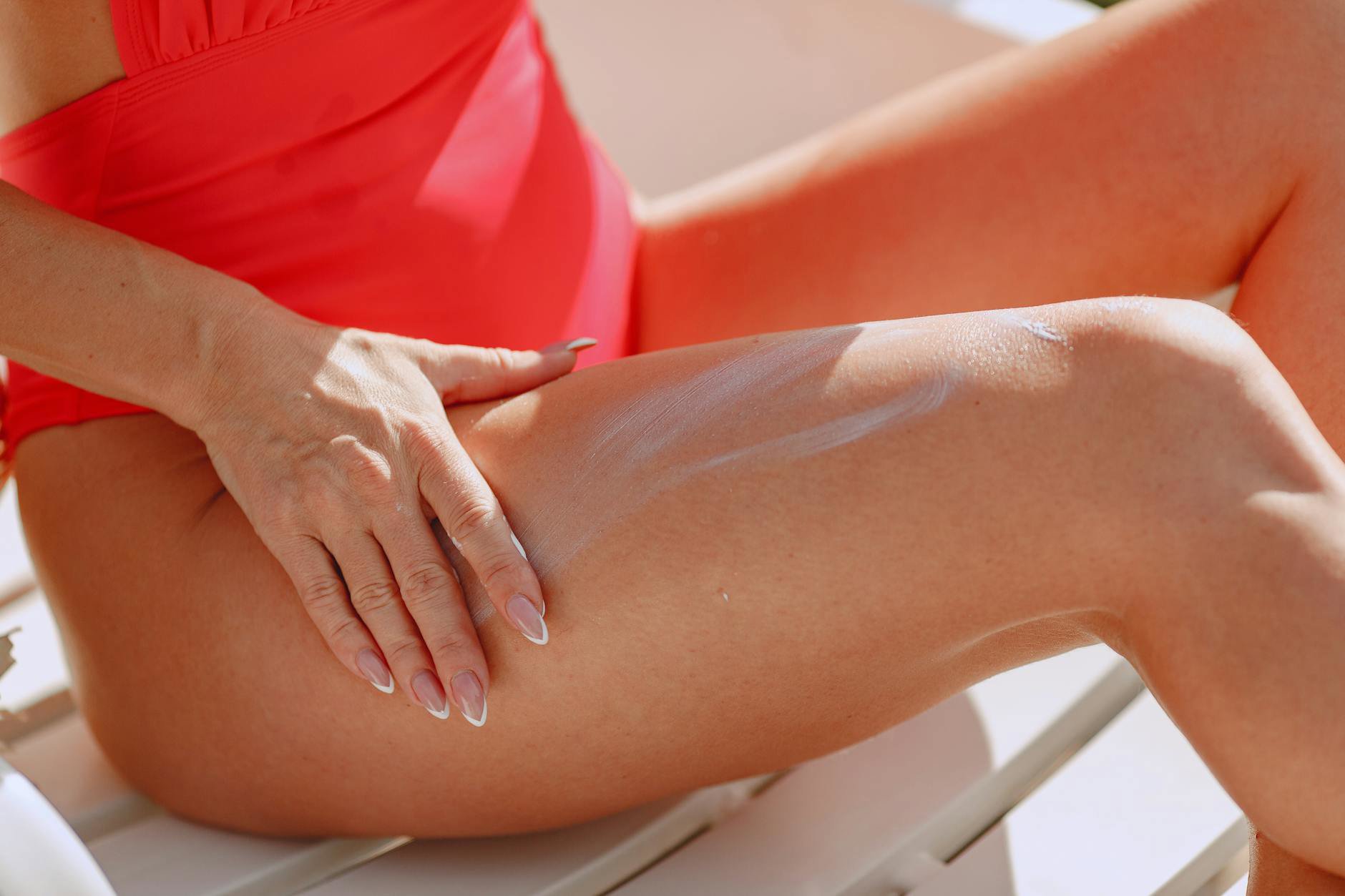
Techniques that make body oil work harder (and waste less)
Body oils feel expensive when you pour them like a bath oil. Most people need far less than they think.
Try these tweaks.
- Use damp-skin application: pat, don’t rub, then apply oil. Water helps spread the oil in a thinner layer.
- Press first, then sweep: pressing reduces streaks and helps you avoid over-applying.
- Zone your body: treat shins, elbows, knees, and forearms as “oil zones”. Keep chest and upper back lighter if you break out.
- Time it: apply richer oils at night. Use dry oils or roll-ons in the morning.
Want a neat trick for summer? Use a shimmer oil only on the high points: shoulders, collarbones, and the front of shins. Nuxe Huile Prodigieuse Or Roll-On (from £17.11) makes that placement easier because it limits spread.
If you want to pair body oil with fragrance, keep products separate. Apply oil first, let it settle, then use your scent. Browse options in Eau de Parfum Perfumes or Eau de Toilette Perfumes, but don’t rely on heavily scented oils if your skin reacts.
Shopping and price-checking: what “good value” looks like in the UK
Body oil prices swing more than people expect because brands sell multiple sizes, gift sets, and limited editions. Our price tracking often shows the best value appears in larger bottles, but a smaller bottle can make sense if you only oil your legs.
Start with your use-case:
- All-over daily: aim for a comfortable texture and a price you won’t ration. Entry points in our list include Nuxe Huile Prodigieuse (from £10.00) and Bioderma Atoderm Cleansing Shower Oil (from £4.72) if cleansing dryness drives your problem.
- Occasional glow: buy for finish, not size. SOSU Dripping Gold Born To Shine Shimmer Oil (from £9.05) and Nuxe Shimmering Dry Oil (from £12.50) fit that brief.
- Treatment-style massage: pay for the ritual if you enjoy it. Elemis Japanese Camellia Body Oil (from £36.80) and Clarins Body Treatment Oil (from £36.00) sit in this bracket.
- Fast mornings: a spritz format helps. Weleda Skin Food Ultra-Light Dry Oil (from £12.76) suits quick application.
For UK availability, these body oils often appear across retailers like Boots, Space NK, Lookfantastic, John Lewis, and Cult Beauty depending on the brand. Checking multiple stockists matters because promos vary by retailer, not just by product.
If you buy body oil as a gift, look at Skin Care Sets around seasonal peaks. Sets can drop the effective price per ml, even when the single product price holds steady.
Practical takeaways you can use today
If you feel stuck choosing between oil and lotion, use this rule: tight and rough = add oil; tight and thirsty = add lotion. If you can’t decide, layer them and use less of each.
Then get specific. Use a dry oil format for mornings, and save richer oils for nights. Keep oils light on areas that break out. If dryness starts in the shower, switch to an oil cleanser like Bioderma Atoderm Cleansing Shower Oil (from £4.72) before you buy a pricier leave-on.
Most important: measure, don’t pour. A few drops per limb often beats a palmful that transfers onto jeans.
Which camp do you fall into right now: body oil loyalist, lotion loyalist, or a strict “both, but only in winter” person?