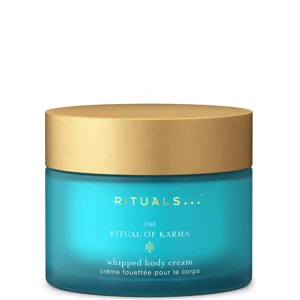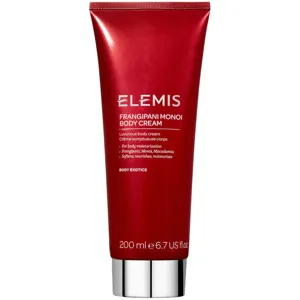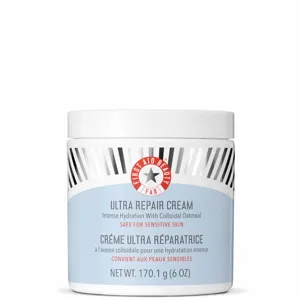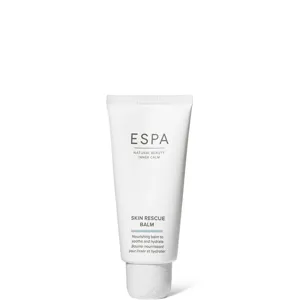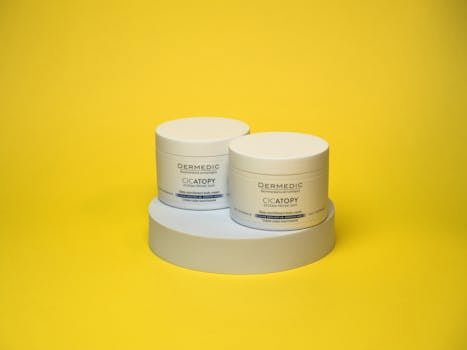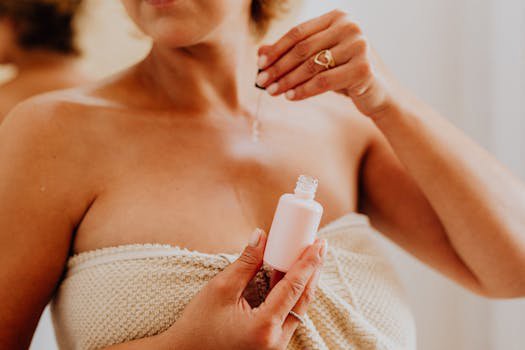
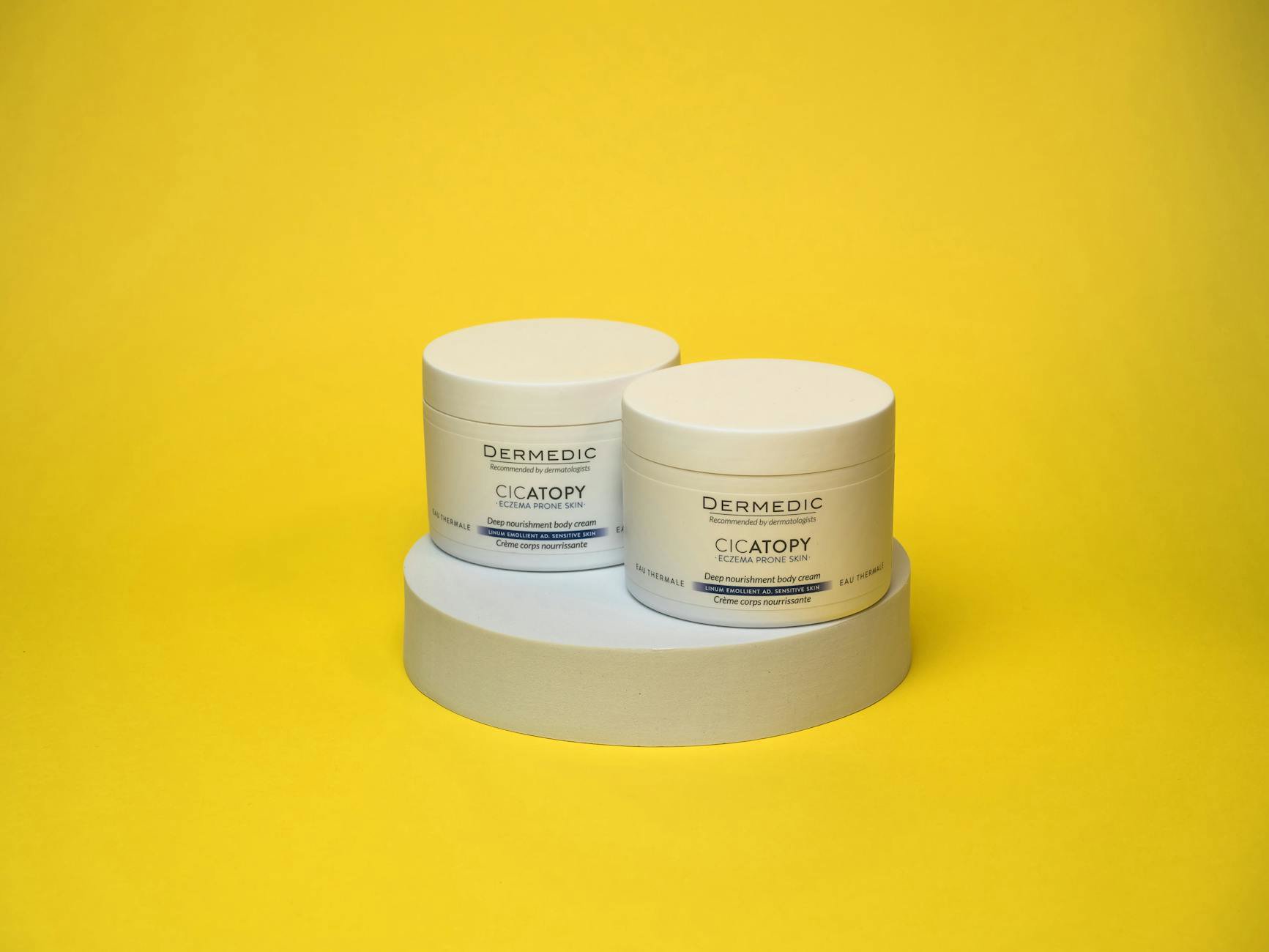
Big tubs of body butter look like value. Our price tracker sees them climb in Irish baskets every winter. The catch: most households don’t finish them before the formula turns.
We rate a luxuriously thick cream. We also rate a bin when the jar smells off or splits. Both can save your skin barrier.
So, can body cream expire? Yes. And it does so quietly long before the last scoop.
Context: PAO symbols, EU rules, and real shelf life
Two date cues guide you in Ireland. The first is the Period After Opening (PAO) symbol. It looks like an open jar with “6M”, “12M” or similar printed inside. That mark tells you how long the brand supports the product once you open it. Twelve months suits many water-based creams. Six months is common for formulas with lighter preservation or more botanicals.
The second cue is a “Best before end” date. EU law asks brands to add this only when a product’s unopened shelf life falls under 30 months. Many body creams last longer than 30 months when sealed. So you often see a PAO and no explicit expiry date. That confuses shoppers who expect a hard stop date on everything.
Here’s the practical view. Unopened body creams usually keep for a couple of years if you store them cool and dry. Heat, light, and repeated temperature swings shorten that. After you break the seal, the PAO countdown starts. Finger dipping, steamy bathrooms, and loose lids speed it up further.
Across our merchant feed, pump bottles and tubes now dominate mid-price launches. Jars still rule thick butters. Pumps shield the formula from air and fingers, so they often keep better through the PAO. Jars invite oxygen and water droplets. You see the difference in how tidy each stays week to week.
We also see more actives in bodycare. Vitamin C body lotions, retinol body creams, and AHAs show up in mainstream ranges. These ingredients degrade faster than basic emollients. So you should treat “freshness” less like a nice-to-have and more like performance insurance.
{{IMAGE:woman reading body cream label PAO symbol}}
Shelf life 101: PAO vs expiry in plain English
The PAO number measures use time after opening. It does not measure safety forever. You can treat it like a warranty period if you store the product well. Past that time, the cream may still look fine. But preservatives often work less effectively. Perfume can mask early spoilage signs, so don’t rely on scent alone.
“Best before end” marks the end of predictable stability while sealed. Brands test for that under controlled conditions. Your hallway radiator and misty shower cubicle don’t match those conditions. If the box lists a date and you pass it, bin the cream sealed or not. You can still recycle the packaging.
Batch codes help you ask brands about production dates. Many lines stamp a short code on the base or crimp. Customer service can translate it. That matters if you buy a backup during a promotion and stash it. You want to use the older unit first.
One more wrinkle: mixed formats. A rich butter in a jar often lists 12M PAO. A matching lightweight lotion in a pump might carry 24M. The lotion includes different water content and preservation. The pump also cuts oxygen. So read each product, even within the same range.
You can mark your open date with a tiny permanent-marker dot on the base. Write “Opened 10/24”. That habit helps you stick to PAO without guessing. We see shoppers who use this trick waste less and panic less when spring clear-outs roll around.
What affects how long your body cream lasts
Formula type matters first. Water-based emulsions, which most body lotions are, offer comfort and spreadability. Water also invites microbes. Preservatives control that risk but only for so long. Anhydrous balms and butters, which contain oils and waxes only, resist microbial growth better. They don’t resist oxygen as well. Unsaturated oils oxidise, which causes rancid smells and colour shifts.
Packaging changes everything. Jars give you big scoops and a sensorily pleasing ritual. They also expose a large surface area of formula to air each time you open the lid. Tubes and pumps limit air and fingers. Airless pumps go further by shrinking as you dispense. If you want a long run from an active-heavy body cream, reach for a pump.
Storage decides the rest. Irish bathrooms feel damp year round. Long hot showers fog mirrors fast. That moisture condenses inside open jars. A few stray droplets create a pocket of water where mould can form. A cupboard outside the bathroom keeps formulas calmer. A bedside drawer keeps them warmer than an unheated bathroom but away from steam.
Use habits matter too. Dipping with clean, dry hands beats scooping mid-shower. Wet hands introduce water and shed microbes. Double dipping piles on more.
Finally, fragrance and antioxidants act as stabilisers to a point. Vitamin E helps slow oil oxidation. Fragrance masks odour shifts. Masking doesn’t equal fixing. If you want to judge freshness, look, feel, and how your skin reacts. Don’t rely on perfume or colourants alone.
Clear signs your body cream has gone bad
Trust your senses and your skin. These changes signal trouble:
- Smell: a sour, crayon-like, or play-dough odour suggests rancid oils. A sharp metallic tang can flag oxidation too.
- Texture: curdling, stringy pull, or clumps point to a broken emulsion. A thin watery layer floating on top also signals a split.
- Colour: yellowing, browning, or unexpected dark specks deserve suspicion. Mold spots look fuzzy or irregular.
- Performance: the cream stops sinking in and leaves a sticky film it never left before. That shift can follow emulsion breakdown.
- Skin response: stinging, redness, or itch from a product that felt fine last month marks change. Old essential oils can sensitise skin as they oxidise.
If you only see minor separation in a balm without water, you sometimes can re-mix by warming a small amount in your hands. That trick does not save a water-in-oil or oil-in-water emulsion. Once an emulsion breaks, microbes find weak spots. Bin it.
Don’t skim off the top layer and keep going. Growth can run through the pot in filaments you can’t see. We say the same for mould on spreads in the fridge. Creams deserve the same caution.
When in doubt, patch test a fresh dab on the inner arm. Wait 24 hours. Any prickling or heat says stop. Your barrier doesn’t enjoy experiments with expired actives.
Ingredient red flags: what expires faster and why
Some oils die young. High-linoleic oils like grapeseed and some seed blends oxidise faster. Shea and cocoa butter skew more saturated, so they resist rancidity a bit longer. That’s why thick The Body Shop body butters tend to smell stable for months if you store them well. Still, fingers and steam can spoil the equation.
Essential oils oxidise and form more irritating by-products over time. Citrus oils do that faster. A lemon-vanilla cream might smell fine yet sting by month nine. That doesn’t mean “natural equals bad”. It means “freshness and storage matter.”
Actives set their own clocks. Vitamin C derivatives in brightening body lotions slowly lose potency. Retinol softens crepe-prone skin on arms and legs, but it degrades with heat and air. AHAs such as lactic or glycolic acid deliver smoother texture but need the right pH and stable preservation.
SPF adds a bigger rule. Never use sunscreen past its use-by or outside its PAO. UV filters degrade, and texture shifts change application thickness. If the label lists any SPF claim, treat it as sun protection first and a moisturiser second. When unsure, replace it. You can compare fresh formulas under our SPF Protection Products category and add the one you like to your wishlist. We’ll alert you when prices drop across Boots Ireland, Arnotts, Brown Thomas, McCauley, Meaghers, and Lookfantastic Ireland.
Fragrance-free formulas don’t hide odour changes. That helps you spot rancidity early. Fragranced creams can trick your nose. Watch texture and colour. Note how your skin feels ten minutes later.
{{IMAGE:flatlay body creams and lotions}}
Storage in an Irish bathroom: small habit fixes that work
Humidity pushes spoilage. You don’t need lab gear to fight it. Store open jars outside the shower zone. A shelf in the bedroom or hallway works better than a foggy sill. Keep the cap snug. Wipe rims so the lid seals cleanly.
Use a spatula for jars. A clean teaspoon works in a pinch. Scoop once, close the lid, and apply from your palm. This habit cuts oxygen time and keeps water out. You also keep the product surface smooth, which slows drying and cracking around the edges.
Keep it cool but not cold. Heat speeds oxidation. Direct sun on a window ledge does the same. Many Irish homes stay mild. Place your body cream near your wardrobe, not beside a radiator. Don’t leave creams in a hot car. Summer sun through glass cooks product fast even here.
Decant big tubs. Move a fortnight’s worth into a small pot. Store the main jar sealed. You reduce the number of times you open the big container. That one step can extend a butter’s sweet spot by months.
Keep shower gels and scrubs near the water. Keep creams away. You use them after towel drying anyway. This tidy split reduces accidental splashes into open jars.
Can you still use it? A safety vs performance triage
Make three piles when you spring-clean your stash.
Bin now:
- Anything with visible mould or black, green, or fuzzy spots.
- SPF body lotions past PAO or that smell off, feel grainy, or look separated.
- Creams that sting or trigger a rash.
- Products far past a printed “best before end” date, opened or not.
Maybe salvage:
- A non-SPF balm that smells normal but has slight oil pooling. You can massage it on heels or elbows and finish it fast.
- A jar that dried a little at the edges but looks and smells unchanged. Stirring won’t fix an emulsion, but you can work around a dry rim if the centre remains stable.
Keep and enjoy:
- Pump or tube formats that still smell, look, and feel the same as month one.
- Jars you opened within the PAO window with no texture or odour shift.
Don’t gift opened creams you doubt. Your friend’s skin won’t thank you. If you want to reduce waste, buy smaller sizes for seasonal scents. Our Body Creams and Body Lotions categories group minis and value sizes together on GlamGeek. Add favourites to your wishlist and we’ll ping you when prices change so you can restock at the right time.
Buying and rotation strategies that save money
Buy what you’ll finish in the PAO window. We know jumbo jars look efficient per millilitre. Our pricing feed sees some of the best per-unit deals in 300–500 ml. The false economy hits when you bin the last third. A 200 ml jar you empty beats a 500 ml tub that turns.
Match packaging to purpose. Pick pumps for active-heavy lotions with retinol or AHAs. Choose jars for thick butters you’ll use nightly through winter. Love a scent that you reach for only on weekends? Buy the smaller size. Rotate one open cream with one backup sealed. Avoid running three open jars at once.
Consider brand style. Clean-leaning lines often use lower levels of traditional preservatives. That can shorten PAO. It doesn’t make them unsafe. It sets a realistic horizon. Ranges from Clarins, Clinique, and Garnier show different preservation profiles and packaging choices. Compare them on GlamGeek by format and reviews. You can sort by award count or review score, then check who sells each size in Ireland today.
Set a seasonal plan. Use richer butters from October to March when indoor heating can parch shins and forearms. Switch to lotions in spring. You can finish both within their PAOs. That rhythm keeps textures fresh and avoids a half-used winter pot in July.
Use our price alerts. We track stock and pricing across Boots Ireland, Brown Thomas, Arnotts, McCauley Pharmacy, Meaghers Pharmacy, and Lookfantastic Ireland. When your chosen The Body Shop butter or a brightening body lotion drops in price, you’ll hear first if it sits on your wishlist. No guesswork. No trawling tabs.
Ingredient spotlights: butters, lotions, actives, and fragrance
Butters: Shea and cocoa based creams hold texture well. They resist separation if you keep them cool. They may pick up a faint nutty note with time. That note doesn’t always mean rancidity. A sharp sour odour does. Rich butters often live in jars, so use a spatula and keep lids tightly closed.
Lotions: Water-heavy formulas sink in fast. They feel great on damp skin post-shower. They also rely on preservation systems to keep microbes at bay. If a lotion begins to smell musty, bin it. A musty base trumps any pleasant top fragrance note. Look for pumps for this format if you want the longest PAO performance.
Actives: Retinol body creams often list 6M to 12M PAO. They also prefer pumps and opaque bottles. Expect a softening of effect as the months pass. If crepe on arms improves less than before, the retinoid may have degraded. AHAs need consistent pH to exfoliate well. If a formerly smooth, glossy lotion turns stringy, it won’t apply evenly.
Fragrance: Perfume oils can oxidise. The scent may flatten or edge metallic. If you love a fragrance-forward body cream from lines under Clinique or Clarins, buy the size you’ll finish within a season. Citrus-heavy blends fade fastest. Gourmand notes often linger but can mask oxidation smells, so rely on texture too.
If you prefer fragrance-free, you gain a clearer freshness signal. You lose a bit of indulgence in the moment. You also reduce a known irritant class. It’s a fair trade if your skin flares easily.
Special cases: SPF body creams and self-tan hybrids
SPF body creams follow sunscreen rules. Replace by or before the PAO. Store away from heat and direct sun. If the texture grains, separates, or smells odd, don’t use it for UV protection. Move on. Shop current formulas under our SPF Protection Products hub. Add your pick to the wishlist so we can flag Ireland-friendly stock and pricing when it shifts.
Self-tanning body lotions with DHA bring another timer. DHA darkens as it ages. Old tan lotions can turn orange or streaky. They also smell stronger. If your tan fades blotchy or looks more yellow than bronze, check the PAO and date your opening next time. Store cool. Buy smaller sizes before summer and finish them by autumn.
Shimmer oils and body glosses contain more oil than water. They avoid microbial growth better. They still oxidise. If your glow oil smells like crayons, bin it. Oils don’t show mould the way creams do, so trust scent first.
Body creams with niacinamide, ceramides, and hyaluronic acid usually behave well through the PAO if you store them right. These actives support the barrier and bind water. They don’t oxidise as quickly as retinol or vitamin C derivatives. If you’re building a low-maintenance routine, these ingredients give stability plus results.
Disposal and recycling: bin it better
Empty the contents into general waste. Wipe out residue with a paper towel. Rinse containers before recycling. Jars and bottles often go in household recycling if they’re clean and fully dry. Pumps and caps can vary; check your council’s guidance. Some retailers run take-back schemes for hard-to-recycle bits. Ask at the counter when you shop in Dublin or Cork.
Upcycle what makes sense. You can repurpose glass jars for cotton buds or hair clips after a thorough wash. Avoid reusing plastic pots for food. Keep beauty for beauty. Safety first.
Use your clear-out as a planning step. Note which sizes you finished on time. Note which scents you grew bored of. Save that list in your GlamGeek account. When you browse Body Creams, you can filter by texture, scent family, and brand. Add one or two to a wishlist. Our alerts help you restock just before your current jar ends, which cuts waste.
Packaging choices influence footprint and freshness. Pumps preserve the product. Jars allow you to empty every smear. Choose based on what you can finish. A nearly empty jar you toss early defeats any recycling points you gain.
What this means for your routine
Yes, body cream expires. You can stretch the safe, effective window with smart choices. Read the PAO. Store creams away from steam. Use spatulas for jars. Prefer pumps for active-heavy lotions. Buy sizes you finish within a season. Mark your open date. These tiny steps protect your skin and your bank account.
Look for signs. Odour changes, texture splits, colour shifts, and skin prickling all say stop. Treat SPF as non-negotiable. Replace it on time. For non-SPF balms, you can rehome a borderline jar to heels if it looks and smells normal. Don’t force it. Your barrier and microbiome don’t enjoy expired emulsions.
Lean on tools. Use GlamGeek to compare formats and reviews before you commit. Check our price comparison across Boots Ireland, Brown Thomas, Arnotts, McCauley, Meaghers, and Lookfantastic Ireland. Add favourites from Garnier, The Body Shop, and Clarins to your wishlist and we’ll alert you when the price drops. That way you can buy fresh, use it within PAO, and avoid the bin.
Your turn
What’s the oldest body cream in your bathroom right now? Check the PAO, give it a sniff and a stir, and tell us what you found. If you decide to replace it, head to our Body Lotions and Body Creams hubs, add a couple to your wishlist, and let our price tracker do the rest. Fresh skin, fewer wasted jars.