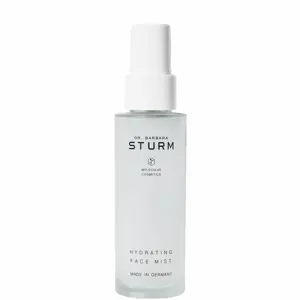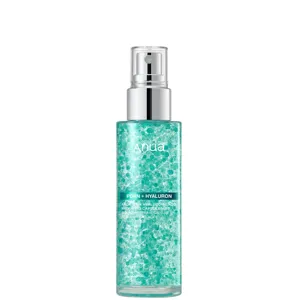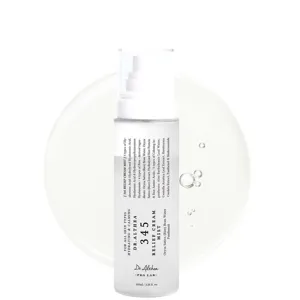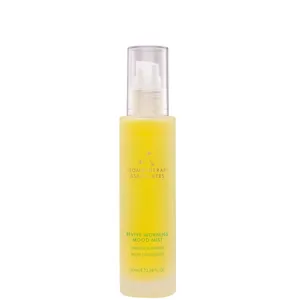
Yes, face mist expires.
Even when a mist looks like “just water”, it still sits in a bottle for months, meets air every time you spray, and often contains botanicals or humectants that can shift over time. Once a mist goes off, the risk isn’t only reduced performance. You can also trigger irritation, redness, or breakouts.
This guide covers what “expiry” really means for face mists, how long they usually last unopened vs opened, how to read PAO and batch coding, and the clearest safety signs that say: replace it.
How long do face mists last? Unopened vs opened
Face mist shelf life depends on three things: the formula, the packaging, and how you store it. Our price tracker shows face mists sit at every end of the market, from purse-friendly basics to €40+ treatments. Price doesn’t guarantee longevity, though. Preservative systems and air exposure matter more.
Unopened, most mists remain stable for years from manufacture. Brands usually communicate this via an “expiry date” (less common in cosmetics) or a batch code you can check with the brand. If a bottle stays sealed and you store it well, it should keep its intended smell, colour, and feel until the stated date.
Opened, the clock changes. Every spray introduces airflow into the nozzle area, and every cap-off moment adds heat and light exposure. In practical terms, opened mists typically last months rather than years. That’s why the PAO symbol exists: it’s the jar icon with a number like 6M or 12M, meaning “use within 6 months” or “use within 12 months after opening”.
Formulas with minimal ingredients can still expire. For example, Caudalie Grape Water (from €9.00) explicitly highlights “just three simple ingredients” in its description. Simpler can mean fewer things to destabilise, but it does not mean “forever”. A change in odour, nozzle hygiene, or storage can still make a simple mist a problem.
On the other side, more “active” style mists can feel more finicky once opened. Emma Hardie Plump & Glow Hydrating Facial Mist (from €41.52) calls out hyaluronic acid and protection from external aggressors. Those kinds of formulas often rely on tighter formulation balance, so storage and PAO matter.
Expiry date vs PAO: how to read cosmetic shelf-life properly
People often mix up three different labels: expiry date, PAO, and batch code. They answer different questions.
1) Expiry date (best-before)
If a product prints a date like 10/2026, that’s the latest the brand claims it will perform as intended unopened when stored correctly. Many cosmetics skip a printed expiry and use batch coding instead.
2) PAO (Period After Opening)
This is the open-jar symbol. You’ll see 6M, 12M, 24M. It means: once you open it, aim to finish within that window. With a face mist, “opened” starts when you break the seal or first use the sprayer.
3) Batch code
A short alphanumeric code tells the manufacturer when it was made. If you inherited a mist or found it in a drawer, batch code checks help you judge its age. Retailers like Boots Ireland and pharmacy chains such as McCauley Pharmacy typically rotate stock well, but gifts and old stashes cause most “mystery age” situations.
A practical approach: if you can’t find a PAO or a date, treat the product cautiously once it is open. Face mists touch your face, often your eye area, and you may use them several times per day. You want the safety margin.
Some mists sit at the “multi-tasker” end, which can tempt people to keep them longer than they should. For example, Rare Beauty Always An Optimist 4-In-1 Mist - Hydrating Mist Primer (from €11.20) positions itself as a 4-in-1 mist and includes niacinamide and sodium hyaluronate in the description. If you use a product like this across skincare and makeup steps, you’ll open it more often, and you’ll expose it to more environments (bathroom steam, handbags, gym bags). That makes the PAO worth respecting.
What makes a face mist go “bad”? The science in plain terms
A mist can expire in a few ways, and the mechanism depends on the formula. We’ll keep this simple and useful.
Microbial growth sits at the top of the safety list. Water-based products need a preservative system, sterile filling, or a tightly controlled process. Even then, poor handling can introduce contamination around the nozzle. Once microbes grow, you may notice smell changes, cloudiness, or skin reactivity. Sometimes you notice nothing until your skin complains.
Oxidation comes next. Botanicals and fragrant waters can oxidise when they meet air, light, and heat. That can dull the smell, shift colour, and sometimes increase irritation potential. It doesn’t always mean “dangerous”, but it does mean the product isn’t in the condition the brand intended.
Ingredient breakdown can change texture and performance. Humectants (water-binding ingredients) can still work, but the overall formula can drift. If your mist starts to feel sticky, overly tight, or patchy under makeup, the formula may have shifted.
Some formulas highlight essential waters or botanicals. Mario Badescu Facial Spray With Aloe Cucumber And Green Tea (from €5.52) mentions cucumber and peppermint essential waters. Mario Badescu Facial Spray With Aloe Herbs And Rosewater (from €6.00) leans on rosewater. Those aromatic components can shift in scent as they age, especially if you store them in warm bathrooms or near radiators.
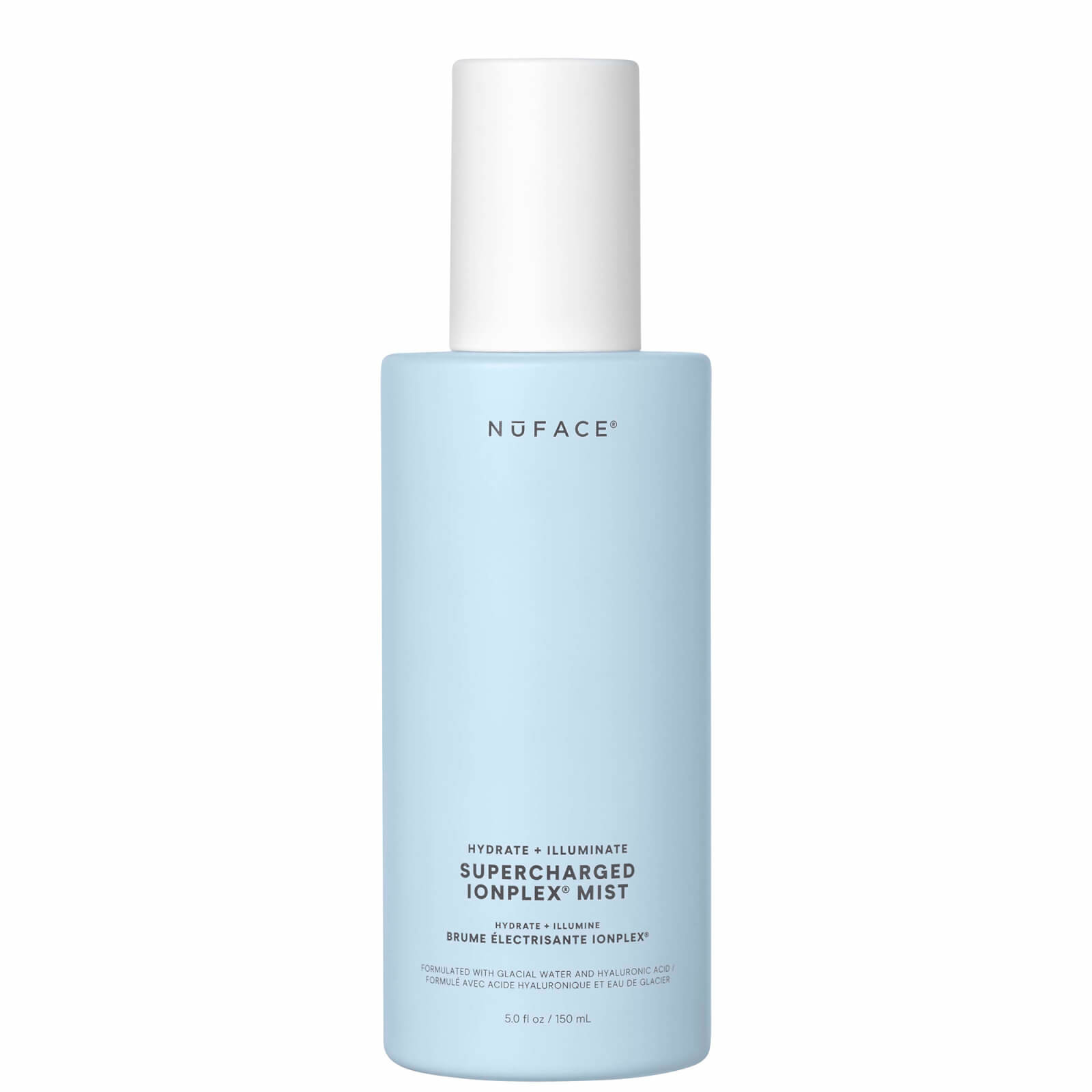
Then there are “treatment-adjacent” mists designed for specific devices or routines. NuFace Supercharged Ionplex Facial Mist (from €37.95) states it was developed to support NuFACE microcurrent treatment, with IonPlex® and glacial water to promote optimal efficacy of the microcurrent treatment. If you rely on a mist for a specific purpose, any formula drift matters more. Performance problems become easier to spot.
Storage rules that actually extend shelf life (Irish-home realistic)
Storage sounds boring. It decides whether your mist stays stable, though.
Keep it cool and consistent. Ireland’s climate stays mild, but indoor heating still creates warm pockets. A face mist stored in a steamy bathroom then moved into a cold handbag sees repeated temperature swings. That stresses formulas and encourages nozzle funk.
Protect it from light. Direct sunlight on a windowsill can oxidise fragrant waters and botanical blends faster. Even if you use Avène Thermal Spring Water Spray (from €5.47), which focuses on minerals and trace elements and suits sensitive, irritation-prone skin, storage still matters. “Thermal water” does not mean “sun-proof”.
Watch the cap and nozzle. A mist’s weak point is the sprayer. Always cap it. Don’t leave it rolling around in a makeup bag beside powders and mascara (if you’re browsing, our site also tracks categories like Mascaras, but keep those products physically separate from your mist). Powder dust collects around nozzles and can carry microbes.
Don’t store it in the car. Cars swing hot to cold fast. That speeds up scent changes and can warp packaging.
If you love a “desk mist”, choose one and keep it there. If you love a “bag mist”, buy a smaller one on purpose. For example, Iconic London Prep-Set-Glow (from €11.20) appears in a mini format in its name and description. That helps because you finish it faster, so you spend less time worrying about PAO.
Safety signs your face mist has expired (and what to do)
When a face mist goes off, your senses often pick it up first. Not always, but often.
Stop using a mist and replace it if you notice any of these:
- Smell changes: sour, “musty”, overly sharp, or noticeably different from what you remember.
- Colour shift: yellowing, browning, or any unexpected tint that wasn’t there before.
- Cloudiness or floating bits: sediment can happen in some formulas, but new cloudiness plus irritation risk isn’t worth it.
- Spray pattern problems: sputtering, sticky nozzle residue, or spray that feels “spitty” can signal contamination around the pump.
- Skin feedback: stinging, new redness, tightness, or bumps after use, especially if your routine stayed the same.
- Eye irritation: watering, burning, or itching when you mist near the eye area.
One sign matters more than the rest: new irritation. If a mist suddenly stings, you don’t need to argue with it. Bin it.
If you feel unsure, do a cautious check. Spray once onto clean tissue and smell it. Look at the colour in good daylight. Then patch test on the jawline, not the cheeks. If anything feels off, stop.
Some mists include ingredients people already react to when fresh. For example, Caudalie Beauty Elixir (from €16.56) blends orange blossom, peppermint, rose, and rosemary in its description. Those fragrant components can feel zingy on some skin types even within PAO. If a scented mist starts to feel harsher over time, treat that as a signal, not a challenge.
Also: do not try to “clean” a suspect mist by running hot water over the nozzle and keeping the bottle. Once a formula has gone, the safest move stays replacement.

Ingredient clues: which mists tend to be fussier once opened
You can’t always tell shelf stability from the front label, but you can make smarter guesses. The goal: use sensitive formulas faster, store them better, and avoid keeping them “just in case”.
Botanical and aromatic waters often show the biggest smell drift. The Mario Badescu sprays sit in this camp, and they stay popular because they feel refreshing and easy. If you keep a few on rotation, you also increase the chance one sits open too long. If you want one all-rounder, choose one and commit to finishing it.
Shimmer or “glow” mists can show separation, because they aim to leave a luminous finish. The description for Iconic London Prep Set Glow Home And Away Duo (from €29.90) describes a lightweight fluid with a shimmering effect. If you see new settling, clumping, or an uneven spray, treat it as a performance and hygiene warning. Shake as directed on-pack, but don’t keep pushing past PAO.
Hydrating humectant blends can turn tacky when formulas drift, especially if you spray a lot and let the nozzle collect residue. Emma Hardie Plump & Glow Hydrating Facial Mist mentions hyaluronic acid. Rare Beauty Always An Optimist 4-In-1 Mist includes sodium hyaluronate. If a hydrating mist starts to feel sticky in a new way, or pills under makeup, it may have aged past its best.
“Cleansing power” style mists need extra respect, because you might use them when skin already feels irritated. Mario Badescu Repairing Facial Spray With Hypochlorous Acid (from €10.50) positions itself as a rinse-free mist and highlights hypochlorous acid, known for strong cleansing power, while staying kind to the skin barrier. If you use a mist like this when you have flare-ups, you want it fresh and well-stored. Don’t let it linger half-used for a year.
Finally, “toning” mists sit between mist and Face Toners in how people use them. Elemis Pro-Collagen Toning Mist (from €15.00) describes itself as clinically proven to prep, hydrate and balance after cleansing. If you apply it daily post-cleanse, you’ll finish it quicker. That’s good for hygiene.
Which face mists we’d buy when expiry anxiety is the issue
If you regularly bin half-used products, that’s not a moral failing. It’s a signal to change what you buy.
We’d focus on two strategies: buy smaller, or buy simpler. Smaller gets you through the bottle inside PAO. Simpler reduces the odds of scent drift and weird texture changes.
Good “finish-it” buys (friendly entry prices)
- Avène Thermal Spring Water Spray — from €5.47. A classic choice for sensitive and irritation-prone skin, with minerals and trace elements in the description.
- Mario Badescu Facial Spray With Aloe Cucumber And Green Tea — from €5.52. If you like an energising, cooling style mist, this keeps the buy-in low.
- Mario Badescu Facial Spray With Aloe Herbs And Rosewater — from €6.00. A dewy radiance style spray, priced so you can replace without wincing.
- Caudalie Grape Water — from €9.00. The description highlights 100% organic grape water and a short ingredient list.
If you want multi-tasking so you use it up
Products that sit across steps can reduce waste because you reach for them more. Rare Beauty Always An Optimist 4-In-1 Mist - Hydrating Mist Primer (from €11.20) includes niacinamide and sodium hyaluronate, and it frames itself as a hydrating mist primer. That “primer” positioning tends to pull it into everyday makeup routines.
When you need a specific purpose
If you use microcurrent devices, a compatible mist can become a “use it daily” staple. NuFace Supercharged Ionplex Facial Mist (from €37.95) states it supports NuFACE microcurrent treatment and features IonPlex® and glacial water. Higher price, yes. But regular use often means it won’t sit open for ages.
Shopping note for Irish readers: availability can vary between Boots Ireland, Brown Thomas, Arnotts, and online retailers like Lookfantastic Ireland. If you see a mist discounted hard from a third-party seller, check the PAO and batch coding when it arrives. Bargains matter less if you must bin it quickly.
Practical tips: a simple “safe use” routine you can start today
1) Write the open date on the bottle. Use a marker or a small label. It takes ten seconds and removes the guesswork. This matters most if you keep more than one mist on rotation.
2) Keep one mist in one place. Bathroom steam plus handbag travel equals faster changes. Choose “home” or “bag”, not both. If you insist on both, buy two smaller bottles so neither sits open forever.
3) Clean the outside of the nozzle weekly. Not the inside. Wipe the nozzle and cap with clean tissue. This reduces buildup that can turn into spray problems. If the sprayer starts to stick, don’t share it with anyone, and don’t keep it past PAO.
4) Don’t use a mist to ‘fix’ irritation unless it’s fresh. When skin feels reactive, the safest products usually come from the simplest end of the mist spectrum. If you have an old half-used bottle in a drawer, that’s not the one to gamble with.
5) Keep expectations realistic in Ireland’s damp climate. Mists feel great in heated offices and on flights, but they won’t replace Day Face Moisturisers. And even with low sunshine, SPF Protection Products still matter year-round. A mist can refresh, but it can’t do those jobs.
If you want more routine context, we keep a broader library across skin care and makeup (including brand hubs like Clinique and Estée Lauder). For this guide, the rule stays simple: treat your face mist like any water-based skincare product. Track it, store it well, and replace at the first clear warning sign.
Got a face mist on your shelf right now? Check the PAO symbol, then tell us: how long has it been open, and have you noticed any smell or spray changes?