Most people do best exfoliating their face 1–3 times per week—but the right number depends on your skin type and the exfoliant you choose.
If you feel stinging, tightness, shiny “glass” skin that also feels sore, or sudden flaking, you likely exfoliate too often. If you still see rough texture and dullness after a month of consistent use, you may exfoliate too rarely or use a formula that does not match your needs.
In Ireland’s damp, mild climate, dehydration and barrier stress still show up fast. Exfoliation can help, but only when you keep it measured and consistent. That balance matters more than chasing a daily glow.
The basics: what exfoliation does (and why frequency matters)
Exfoliation removes built-up dead skin cells from the surface so skin looks smoother and reflects light more evenly. It can also help keep pores clearer, which matters if you feel congested around the nose, chin, or forehead.
Frequency matters because exfoliation works by controlled disruption. Do it too often and skin cannot recover between sessions. Do it too rarely and you may not see the payoff, especially with gentle formulas.
Two broad routes exist: physical exfoliation (buffing particles) and chemical/enzymatic exfoliation (acids or enzymes that loosen the bonds between dead cells). Many modern products blend methods, which makes them effective but easier to overdo.
A quick Irish-market reality check: stronger formulas can cost more, but “strong” does not mean “better”. Our price tracking also shows that mini sizes and powders often give better cost-per-use than you expect, because you control how much you dispense.
Start here: a realistic exfoliation schedule that works for most people
If you want a simple answer, this is it: start at once weekly, then increase only if your skin stays calm for three to four weeks.
We see the best long-term results with routines that look boring on paper. Skin responds to consistency. It punishes impatience.
Try this ramp-up plan:
- Weeks 1–3: exfoliate 1 night per week.
- Weeks 4–6: move to 2 nights per week if you have no stinging, redness, or new dryness.
- Weeks 7+: consider 3 nights per week only if you feel persistent roughness or visible congestion.
- Stop increasing the moment you see sensitivity. Hold steady or step back.
For daily users, pick a genuinely gentle format and keep the dose small. Powder exfoliants often suit this approach because you can dilute them in your hands.
Two options that fit a “low drama, high control” routine:
- Dermalogica Daily Microfoliant (from €21.85): a powder exfoliant designed for frequent use. Powders also let you adjust intensity by adding more water and using less product.
- Dermalogica Daily Superfoliant Facial Exfoliant (from €22.00): another powder format, described with Alpha Hydroxy Acids and activated binchotan charcoal for purifying and resurfacing benefits.
If you only exfoliate once per week, you can choose something “event-ready” and still stay safe. A timed mask-style exfoliant makes that easier, because you rinse it off rather than leaving it on.
Frequency by skin type: oily, dry, sensitive, acne-prone
Skin type does not lock you into one number forever. Seasons, stress, and other actives shift what you can tolerate. Still, starting ranges help.
Oily or congestion-prone: aim for 2–4 times per week. You want enough exfoliation to keep texture from building up, but not so much that you trigger rebound oiliness. Liquid exfoliants often suit this group because they spread evenly and do not tempt over-scrubbing.
Two products we often see used in that rhythm:
- Alpha-H Liquid Gold Exfoliating Treatment With Glycolic Acid (from €12.06): described as a one-step formula that combines benefits associated with toner, exfoliator, serum and moisturiser, and aims to retexturise and minimise the appearance of imperfections.
- Medik8 Surface Radiance Cleanse (from €28.75): a gel-to-foam formula that targets impurities and excess sebum for a replenished look and feel.
Dry or easily dehydrated: aim for 1–2 times per week. Dry skin often looks dull because of uneven shedding, but it also shows irritation fast. Enzyme and very gentle physical options can work well, because you can keep contact time short.
Consider:
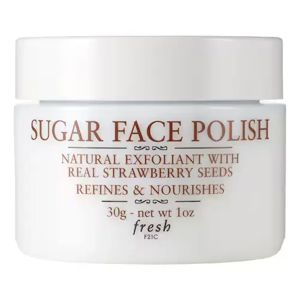
- Fresh Sugar Face Polish Exfoliator (from €27.60): described with brown sugar and strawberry seeds to lift away dead skin and leave skin feeling soft and supple.
- Caudalie Glycolic Peel (from €30.00): a ten-minute peel mask designed to boost glow and reduce dullness.
Sensitive or redness-prone: aim for every 7–14 days at first. Keep the method gentle and the pressure minimal. If you also get redness from weather, exfoliating less often often improves things more than adding another product.
Look at formulas positioned as gentle buffing rather than aggressive resurfacing:
- Omorovicza Gentle Buffing Gelee (from €68.43): described as an exfoliating cleansing gel that lifts impurities and sloughs away dead skin to reveal smoother-looking skin.
- Dr.Jart+ Cicapair Tiger Grass Sleepair Intensive Mask (from €32.78): this is a mask, not an exfoliant-first formula, but it can support recovery if you overdo exfoliation and see visible redness.
Acne-prone: aim for 1–3 times per week depending on irritation and how many other acne actives you use. Acne-prone skin often needs exfoliation, but it also gets inflamed easily. If you use a strong peel, keep your frequency low.
For a “do more, but not often” approach, consider a peel-style product designed for visible results with limited sessions:
- Murad Exclusive Vitamin C Triple Exfoliating Facial Peel (from €95.00): described as using enzymatic, chemical and micro-mineral exfoliants to shift dulling dead skin cells.

Frequency by exfoliant type: AHA, enzyme, and scrub formats
Not all exfoliants ask the same thing from your skin. Frequency should match the mechanism.
AHA-style resurfacing liquids and peels: these target texture and dullness. They often feel “quiet” at first, then catch up with you if you stack them too often. Many people land at 1–3 nights per week for leave-on or wipe-on liquids, and once weekly for timed peel masks.
Two AHA-led options from our tracked list:
- Alpha-H Liquid Gold Exfoliating Treatment With 5% Glycolic Acid And Vitamin C (from €41.04): positioned to help with dullness, uneven tone and texture, and the look of fine lines and pigmentation.
- Caudalie Glycolic Peel (from €30.00): a ten-minute peel mask format, which makes weekly scheduling easy.
Enzyme exfoliants: these often suit people who want smoother skin without the “acid sting” experience. They still count as exfoliation. Keep them at 1–3 times weekly unless the brand positions them for more frequent use.
One of the best-known enzyme-heavy options on our list:
- Kate Somerville Exfolikate® Intensive Exfoliating Treatment (from €24.80): described as using pineapple, papaya and pumpkin enzymes, with a fast “2-minute facial” style use.
Scrubs and buffing gels: physical exfoliation depends heavily on pressure and time. That makes it easy to overdo without realising. Most people should keep facial scrubs to once weekly, or twice weekly at most, and use a light touch.
Options here include:
- Elemis Pro-Collagen Glow Boost Exfoliator (from €63.25): described with gently buffing plastic-free beads and a spa-like sensorial profile.
- Omorovicza Refining Facial Polisher (from €70.00): a polisher format that sits firmly in the physical exfoliation camp.
- Fresh Sugar Face Polish Exfoliator (from €27.60): described as gentle yet effective, with sugar and strawberry seeds.
Hybrid “multi-exfoliant” peels: these combine methods. They can deliver smoother texture quickly, but they rarely suit daily use. Keep them to once weekly at first.
Signs you’re over-exfoliating (and what to do next)
Over-exfoliation rarely looks like a single dramatic reaction. It usually looks like a slow slide.
Common signs include: persistent tightness, stinging when you apply anything, sudden shine paired with soreness, redness that lingers, makeup clinging to dry patches, and breakouts that feel “irritated” rather than clogged.
When that happens, the fix comes from subtraction. Pause exfoliation for at least a week. Then reintroduce at half your old frequency.
We also like a simple rule: if an exfoliant makes you think about “pushing through”, it does not suit your routine. Swap to a gentler format or use it less often.
For people who need a recovery step after they overdo it, a soothing overnight mask can help support comfort while you stop exfoliating. Dr.Jart+ Cicapair Tiger Grass Sleepair Intensive Mask (from €32.78) targets visible redness and replenishment, according to its description.
Then, rebuild with a “control” exfoliant. Powder formats work well because you can dilute. Dermalogica Daily Microfoliant (from €21.85) suits that approach for many routines.
Choosing the right formula: what to buy (and what to skip)
Picking an exfoliant comes down to three questions: how sensitive you run, what result you want, and how often you will realistically use it.
If you want daily-or-near-daily polishing, choose a controllable, gentle product. If you want weekly reset, choose a timed peel or a scrub you can rinse fully. If you want visible resurfacing, use a stronger liquid less often and protect your barrier.
Here’s how the products on our list tend to fit into real routines:
- For frequent, adjustable use: Dermalogica Daily Microfoliant (from €21.85) or Dermalogica Daily Superfoliant Facial Exfoliant (from €22.00).
- For a quick enzyme-led treatment: Kate Somerville Exfolikate® Intensive Exfoliating Treatment (from €24.80), which the brand positions as a short-use “2-minute facial”.
- For liquid resurfacing nights: Alpha-H Liquid Gold Exfoliating Treatment With Glycolic Acid (from €12.06) or Alpha-H Liquid Gold Exfoliating Treatment With 5% Glycolic Acid And Vitamin C (from €41.04).
- For a weekly peel-mask slot: Caudalie Glycolic Peel (from €30.00).
- For a luxury physical polish: Elemis Pro-Collagen Glow Boost Exfoliator (from €63.25) or Omorovicza Refining Facial Polisher (from €70.00).
- For a high-intensity, multi-exfoliant peel: Murad Exclusive Vitamin C Triple Exfoliating Facial Peel (from €95.00).
- For overnight resurfacing with actives: Kate Somerville Kateceuticals™ Resurfacing Overnight Peel (from €97.10), described with retinol, glycolic acid, niacinamide and vitamin E.
Price-wise, our tracker often shows that entry points vary widely even within one brand style. Alpha-H starts from €12.06 on our feed, while Murad and Kate Somerville’s overnight peel sit close to €95–€97. That does not mean the expensive option suits your skin better. It usually means you should use it less often.
For Irish shoppers, availability often lands at Boots Ireland, Brown Thomas, Arnotts, McCauley Pharmacy, Meaghers Pharmacy, and Lookfantastic Ireland depending on the brand. When a product runs out locally, UK retailers that ship to Ireland sometimes undercut pricing, but shipping and returns change the maths.
If you want to browse adjacent categories while you build a routine, keep it organised: skin care covers the full catalogue, and Face Masks sits nearby. Just remember that this guide focuses on face exfoliants only.
Practical technique: how to exfoliate without wrecking your barrier
Technique changes results as much as ingredients do. Especially with scrubs and strong liquids.
For powder exfoliants: wet hands first, then add a small amount of powder. Rub until it feels creamy, not gritty. Apply with light pressure for 20–30 seconds, then rinse well. If you plan to use it more often, keep the massage time short.
For liquid exfoliants: use them at night if you can. Apply a thin, even layer and avoid stacking with other strong actives on the same night. If you feel stinging that lasts more than a minute, reduce frequency.
For timed peels and enzyme treatments: set a literal timer. Brands often position these as fast treatments for a reason. Leaving them on longer rarely improves results, but it often increases irritation.
For scrubs and polishers: pressure stays near zero. Let the product do the work. Keep it away from the corners of the nose and the eye area, where skin gets fragile quickly.
Then, protect the results. Exfoliation can make skin more reactive to daylight. Even in Ireland, daily SPF matters because UVA still reaches you through cloud cover. If you want a category link for later, file it under SPF Protection Products.
Quick decision table: match your goal to a safe weekly plan
If you keep second-guessing your routine, use this as a reset. Choose one lane and stick to it for a month.
Goal: smoother texture with minimal irritation
- Frequency: 1–2x weekly
- Good picks: Dermalogica Daily Microfoliant (from €21.85), Omorovicza Gentle Buffing Gelee (from €68.43)
- Avoid: stacking multiple exfoliants in the same week while you learn tolerance
Goal: visible glow before an event
- Frequency: once weekly
- Good picks: Caudalie Glycolic Peel (from €30.00), Kate Somerville Exfolikate® Intensive Exfoliating Treatment (from €24.80)
- Avoid: increasing frequency in the same week as the event
Goal: ongoing congestion control
- Frequency: 2–4x weekly
- Good picks: Alpha-H Liquid Gold Exfoliating Treatment With Glycolic Acid (from €12.06), Medik8 Surface Radiance Cleanse (from €28.75)
- Avoid: aggressive scrubbing on top of frequent chemical exfoliation
Goal: high-intensity resurfacing, used sparingly
- Frequency: once weekly or every other week
- Good picks: Murad Exclusive Vitamin C Triple Exfoliating Facial Peel (from €95.00), Kate Somerville Kateceuticals™ Resurfacing Overnight Peel (from €97.10)
- Avoid: adding other strong actives on the same night
If you want to keep browsing brands on GlamGeek while you decide, you can also explore lines like Clinique in the wider catalogue. Just keep your exfoliant plan simple while you test tolerance.
Practical tips you can use today
Pick one exfoliant. Use it on a schedule for four weeks before you judge results. Switching between scrubs, peels, and liquids often causes irritation that looks like “my skin hates everything”.
Write your exfoliation nights down. A note in your phone beats guessing. It also stops accidental overuse when you feel a rough patch and reach for “just one more” session.
Use less product than you think. Most over-exfoliation comes from doubling up: too much product, too much pressure, and too many nights. Start with a half-dose and build only when skin stays calm.
Respect recovery weeks. If you get redness or stinging, pause for seven days. Then restart at once weekly. If you need a comfort-focused step during that break, Dr.Jart+ Cicapair Tiger Grass Sleepair Intensive Mask (from €32.78) sits in this product list and targets visible redness support in its description.
Which camp do you fall into right now—too much exfoliation, or not enough? Tell us your skin type and the exfoliant format you prefer, and we’ll point you towards a frequency that stays comfortable.