Yes, face oils can contribute to breakouts for some people — but they can also be completely fine (even helpful) for acne-prone skin.
Breakouts usually happen when an oil choice, amount, or routine creates the perfect storm: too much occlusion, irritation, or a formula that simply doesn’t agree with your skin. The trick is knowing what “comedogenic” does and doesn’t predict, and how to introduce an oil without turning your face into a stress test.
Below, we break down the science in plain language, call out the face oils that tend to behave better on breakout-prone skin, and give a step-by-step way to patch test and ramp up safely — with real-world price points from our GlamGeek merchant feed.
Why face oils can trigger breakouts (and why they sometimes don’t)
Acne forms when pores clog with a mix of sebum, dead skin cells, and debris, then inflammation kicks in. Face oils can influence that process in a few different ways. Some oils sit on the surface and feel heavy. Others absorb fast and behave more like a lightweight emollient layer.
Three common breakout pathways show up again and again in routine troubleshooting:
- Occlusion overload: Using too much oil (or layering it with other rich products) can trap sweat and dead skin cells. That can tip some people into clogged pores.
- Irritation masquerading as acne: Red bumps can come from irritation, not classic comedones. Essential oils and strongly active ingredients can trigger this in reactive skin.
- Formula mismatch: Even if an oil “should” work on paper, your skin can disagree. That’s why patch testing beats marketing promises every time.
On the flip side, face oils can help reduce the look of dryness and support a healthier skin barrier. In Ireland’s damp-but-often-dehydrating climate (indoor heating does a number), that barrier support can matter. A calmer barrier often looks less inflamed, which can make blemishes feel less angry.
One more reality check: oils don’t “cause purging” in the same way exfoliating acids or retinoids can. If you add an oil and you break out in new places, that usually signals congestion or irritation, not a helpful purge.

What “comedogenic” really means (and why it’s not a guarantee)
“Comedogenic” gets used like a verdict: this ingredient clogs pores, end of story. The data rarely supports that kind of certainty.
Comedogenic ratings often come from older testing methods, sometimes on rabbit ears, sometimes with ingredient concentrations that don’t match modern formulas. Real products blend multiple oils and supporting ingredients. They also behave differently on different skin types, in different routines, in different climates.
So what can you use the term for? As a rough filter, not a final decision. If you clog easily, it makes sense to start with oils that tend to feel lighter and absorb faster. It also makes sense to avoid heavy-handed application and to introduce one variable at a time.
Also, “non-comedogenic” on a label doesn’t mean “breakout-proof”. It usually means the brand believes the formula has a low likelihood of clogging pores. That can still be wrong for your skin.
When a face oil claims “non-greasy” or “fast-absorbing”, treat it as a texture hint, not a medical claim. For example, the Conserving Beauty Conserve You Face Oil (from €16.10) explicitly describes a non-greasy oil that sinks in seamlessly to calm redness and even out texture, using a blend that includes hemp seed oil, blue tansy, bisabolol, and cacay oil. That description tells us it aims for a lighter feel and soothing support — exactly the direction many breakout-prone routines prefer.
Oils that often suit breakout-prone skin: what to look for
If you break out easily, we’d prioritise three things: lighter feel, barrier support, and low irritation risk. You can’t always predict comedones from an ingredient list, but you can stack the odds.
Start with “dry oils” and simpler profiles. The Sunday Riley Juno Antioxidant + Superfood Face Oil (from €32.00) describes itself as a unique dry-oil blend that absorbs rapidly and supports dry, lacklustre complexions. “Dry oil” language typically signals less slip and less residue, which many oily and combination skin types tolerate better.
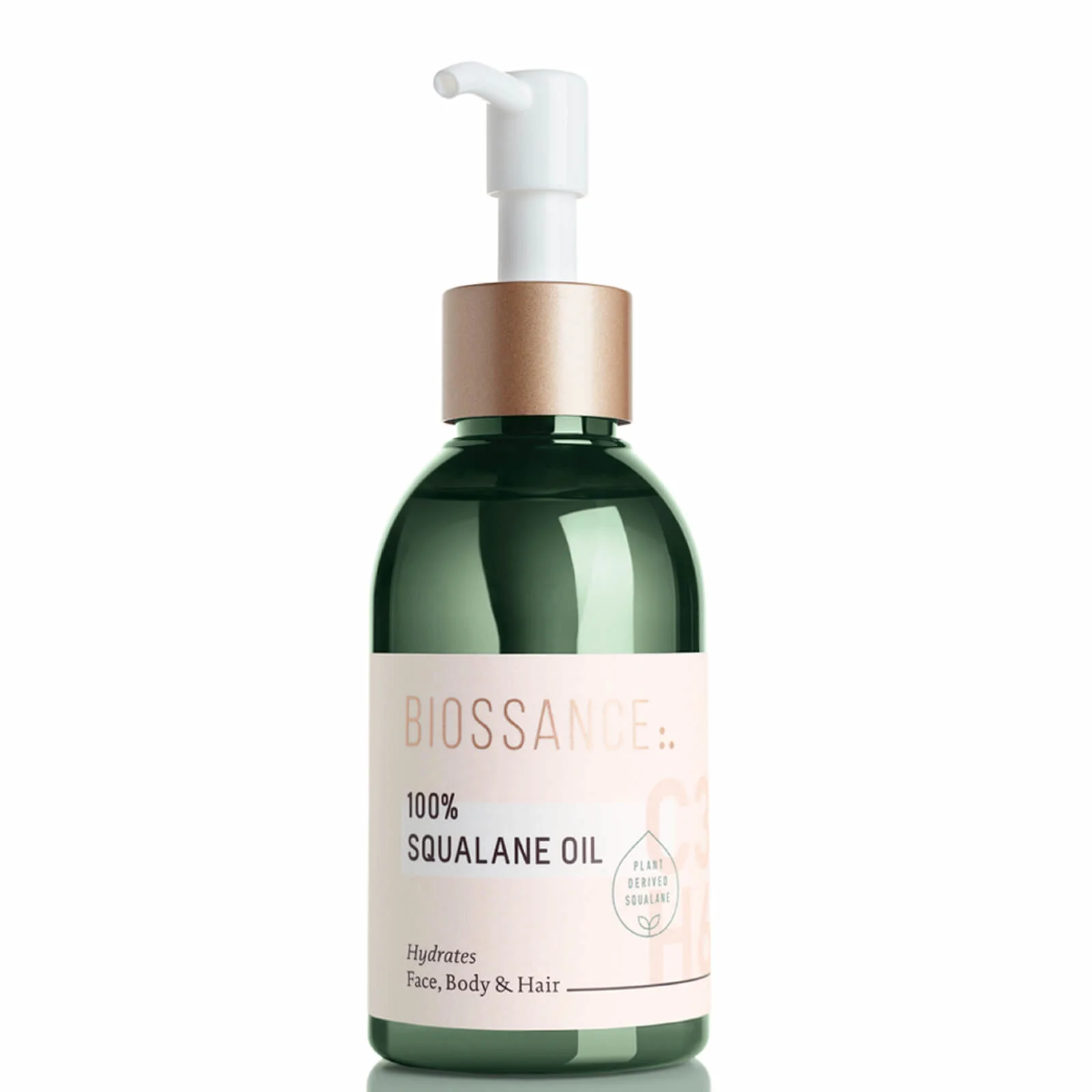
Consider squalane when you want minimal fuss. The Biossance 100% Squalane Oil (from €27.00) keeps things straightforward. The brand positions it as an ultra-moisturising essential that supports softness by sealing hydration. In practice, squalane-style textures often play nicely under makeup and feel less “oily” than many plant oils.
Use soothing-leaning blends when redness comes with the breakouts. The Conserving Beauty Conserve You Face Oil (from €16.10) calls out calming redness and shielding skin from external damage, with blue tansy and bisabolol in the blend. That’s relevant if your “breakouts” include stressed, reactive patches.
One more option sits in the “simple but luxe” camp: the Drunk Elephant Virgin Marula Luxury Facial Oil (from €41.00). Its description focuses on antioxidant benefits and protection from environmental stressors, plus clinically proven results to reverse signs of ageing. Marula oils often feel richer than squalane, so we’d treat this as a small-amount option if you clog easily.
Oils that can be trickier for breakouts: what to watch (and how to use them anyway)
Some face oils create problems less because they’re “bad” and more because they invite overuse. The glow is addictive. The slip feels comforting. Then the pores complain.
Rich, indulgent textures can push you into over-application. The Omorovicza Queen Oil (from €132.25) targets dryness and loss of elasticity with a precious oil blend and a melting texture. That “melting” feel often encourages people to use more than they need. If you want it, keep it to a few drops and avoid piling it on top of multiple rich layers.
Active-led oils can irritate if your skin barrier already runs hot. The Sunday Riley Luna Sleeping Night Oil (from €54.00) stars retinol plus blue tansy, and its description highlights anti-ageing support and help with visible redness and signs of stress. Retinol can help many skins, but irritation can look like breakouts when you ramp too fast. If you already use other strong actives, this becomes a “go slow” oil.
Brightening oils can also sting on compromised skin. The Biossance Squalane + Vitamin C Rose Oil (from €25.00) focuses on vitamin C benefits for brightening and firming. Vitamin C derivatives often suit many people, but any brightening routine can backfire if your barrier feels dry or sensitised.
Even glow-first oils can behave well with the right dose. The Charlotte Tilbury Collagen Superfusion Facial Oil (from €31.05) gets marketed as an ideal layering oil that feels like silk and is described as non-comedogenic. We’d still treat that as “likely friendly” rather than “guaranteed safe”. Breakout-prone skin deserves a controlled trial, not blind faith.
How to patch test face oils properly (so you don’t waste a month)
Patch testing sounds boring. It saves time.
A good patch test checks for two things: immediate irritation (stinging, swelling, rash) and delayed congestion (tiny bumps, clogged pores). Congestion takes longer, so you need a longer test window than you’d use for, say, a hair dye reaction.
Our practical patch-test method for face oils
- Night 1–3: Apply 1 drop to a small area along the jawline or behind the ear. Don’t apply it to an active breakout. Watch for itching, heat, or redness.
- Night 4–7: If the skin stays calm, apply 2–3 drops to one side of the face only. Keep the rest of your routine the same.
- Week 2: Use it every other night on the full face. Stop if you see a pattern of new clogged bumps in places you don’t normally break out.
- Week 3: If all looks good, move to your preferred schedule (some people stay at 2–4 nights a week).
During the test, don’t introduce a new Anti Ageing Face Serums product or a new Face Exfoliants product. That muddies the result. Keep the experiment clean.
If you want a sensible “starter” for this process, we’d point to the Biossance 100% Squalane Oil (from €27.00) or the Conserving Beauty Conserve You Face Oil (from €16.10). Both position themselves as non-fussy textures, and the Conserving Beauty description specifically leans into soothing and redness support.
How to introduce face oil without clogging: amount, timing, and friction
Most breakout issues we see in routine audits come down to quantity and technique. People use face oil like a moisturiser. Then they wonder why it feels heavy.
Use fewer drops than you think. For oily or acne-prone skin, start with 1–2 drops for the whole face. Warm it between fingertips, then press it onto skin. Pressing reduces friction, which reduces the chance of irritation bumps.
Pick the right moment. Apply oil to slightly damp skin if you want more slip with less product. If you apply it to completely dry skin, you may use more. Either approach can work, but “damp skin + fewer drops” often wins for clog-prone routines.
Don’t turn your face into a layer cake. If you already use rich products, an oil may tip you into congestion. Keep an eye on your full routine, including Day Face Moisturisers and Night Face Moisturisers. You don’t need to use everything every day.
For a glow finish that still aims to stay light, the Sunday Riley C.E.O. Glow Vitamin C + Turmeric Face Oil (from €40.00) focuses on brightening and dark spot appearance with 5 THD ascorbate and turmeric. Use it like seasoning, not sauce: 1–2 drops, then stop.
Match the oil to the breakout pattern: clogged pores vs inflamed spots
Not all “breakouts” behave the same way, and face oils can interact differently depending on what you get.
If you mainly get clogged pores (closed comedones): Prioritise lighter textures and strict dosing. This is where we’d start with the Biossance 100% Squalane Oil (from €27.00) or the Sunday Riley Juno Antioxidant + Superfood Face Oil (from €32.00). Both describe quick absorption or dry-oil behaviour, which often correlates with less residue.
If you get red, reactive bumps that come and go fast: Treat irritation as the main suspect. A soothing-leaning oil like the Conserving Beauty Conserve You Face Oil (from €16.10) makes sense on paper because it calls out calming redness and includes bisabolol and blue tansy in its blend. Keep the dose tiny while your skin settles.
If you get breakouts plus dryness or flaking: You may over-strip, then overcompensate. This group often does well with a barrier-support approach and a richer-but-controlled oil. The Drunk Elephant Virgin Marula Luxury Facial Oil (from €41.00) leans into antioxidant protection and signs of ageing. The key: 1–2 drops, not a full dropper.
If your breakouts worsen when you chase glow: Choose a glow oil, but commit to a schedule. The Charlotte Tilbury Collagen Superfusion Facial Oil (from €31.05) describes itself as non-comedogenic and ideal for layering, with a silky feel. We’d use it 2–3 nights a week at first, then reassess.
Price, availability, and what we see in Irish shopping baskets
Face oils span a huge price range, and higher cost doesn’t automatically mean fewer breakouts. It often means a more luxurious texture, more complex blends, or brand positioning.
From our GlamGeek price tracker, the entry point in this list sits at Conserving Beauty Conserve You Face Oil (from €16.10). That matters if you want to patch test without feeling like you need to “make it work” because you spent a fortune.
Mid-range options that people commonly compare include Sunday Riley Juno (from €32.00), Charlotte Tilbury Collagen Superfusion Facial Oil (from €31.05), and Drunk Elephant Virgin Marula (from €41.00). In Ireland, shoppers often cross-check Boots Ireland, Brown Thomas, Arnotts, McCauley Pharmacy, and Lookfantastic Ireland for stock and offers. The price tracking shows that these brands can swing depending on promotions and gift-with-purchase cycles.
Then you hit luxury pricing. Omorovicza Queen Oil (from €132.25) and Omorovicza Miracle Facial Oil (from €101.70) sit firmly in “treat purchase” territory. If you clog easily, that’s where patch testing matters most. Expensive congestion still counts as congestion.
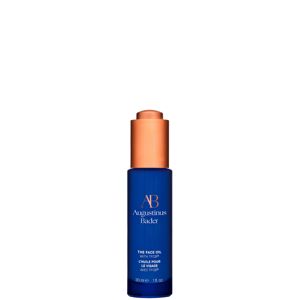
At the top end, Augustinus Bader The Face Oil appears in our feed from €87.00. Its description focuses on a fast-absorbing delivery system and a light-as-a-feather finish, alongside the TFC8 complex. That finish claim makes it one of the more interesting luxury picks for people who fear heaviness.
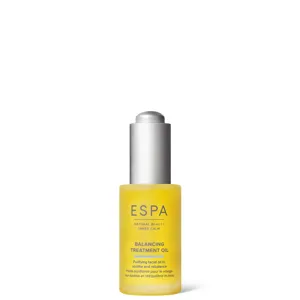
If you enjoy browsing by brand, our site also groups ranges like Charlotte Tilbury and ESPA for easier cross-shopping, even when you stick to face oils only.
Practical tips you can use today (without changing your whole routine)
Keep it simple for two weeks. That’s how you learn what the oil does.
Here’s a no-drama plan for acne-prone skin:
- Choose one oil only for the trial period. Don’t rotate. Don’t mix.
- Start at 1–2 drops every other night. Press, don’t rub.
- Keep SPF separate. Oils can make some sunscreens pill. You still need daily SPF in Ireland, even with limited sun for much of the year. Check SPF Protection Products separately and don’t assume oil replaces it.
- Watch your “new bump map”. If bumps appear in unusual zones, stop and reset.
- Use a clean pillowcase cadence. It won’t fix acne, but oil transfer plus hair products can muddy the picture during testing.
If you want a straightforward, low-guesswork starting point, we’d shortlist Biossance 100% Squalane Oil (from €27.00) for its simplicity, or Sunday Riley Juno (from €32.00) if you like a dry-oil feel. If redness drives your breakout anxiety, Conserving Beauty Conserve You Face Oil (from €16.10) brings explicit calming language in the product description.
Face oils can cause breakouts — but most problems come from the wrong match or the wrong method, not the entire category.
Which camp do you fall into: oils always clog you, or you just haven’t found the right one (and the right number of drops) yet?