Yes—bubble bath and bath oils can expire, and they can also go “off” before the date if they’re stored poorly.
Most formulas stay usable for months to a few years, but that window depends on what’s inside (water-based surfactants vs oil blends), how often you open the cap, and whether you store it beside a steamy Irish shower.
Below, we break down realistic shelf-life expectations, the warning signs that matter, and storage habits that keep scent, texture and performance stable. We also call out a few Bubble Bath & Bath Oils options from our tracked range, with prices shown as “from” figures based on our merchant feeds.
Expiry vs “PAO”: what the label actually means
Two different clocks apply to bath products: an expiry date (a fixed end date) and a PAO period (the little open-jar symbol that says “12M”, “24M”, and so on).
When you see a PAO, it means the product should remain stable for that many months after opening—assuming normal storage. In real bathrooms, “normal” often includes temperature swings, damp air and product drips down the neck of the bottle.
Bubble bath and bath oils often last longer than people fear, but they don’t last forever.
Water-based bubble baths usually rely on surfactants and preservatives. They can degrade when preservatives get overwhelmed (think: water creeping in, dirty hands, frequent unsealed caps). Oils don’t need the same preservation system, but they can oxidise and turn stale, especially if essential oils and plant oils sit in heat and light.
If you’re shopping by category on GlamGeek, you’ll see adjacent areas like Shower Gels & Body Washes and Body Lotions. Shelf-life logic overlaps, but in this guide we stick to bubble bath and bath oils only, because their water/oil balance changes the spoilage story.
Typical shelf life: bubble bath vs bath oils (realistic ranges)
Shoppers often ask for a single number. That never holds up.
Instead, we use a practical range based on formula type and how Irish bathrooms behave (often damp, mild, and steamy). Here’s the cheat sheet we give friends and readers.
- Bubble bath / bath foam (water-based): commonly holds up for 12–24 months unopened, then 6–12 months after opening if stored well.
- Oil-to-milk bath/shower oils: often stay pleasant for 18–36 months unopened, then 6–18 months after opening depending on antioxidant systems and exposure to heat/light.
- Essential-oil blends used in baths: scent quality can shift faster than “safety” changes. Expect fragrance to soften over time even if the oil remains usable.
Product format helps predict behaviour. For example, Burst Bodycare Shea Bubble Bath (from €10.00) is a large 750ml bottle designed to create abundant foam. Big bottles tempt long “open” periods, so storage matters more. Keep the cap clean and tight, or you’ll notice the bubble performance tail off first.
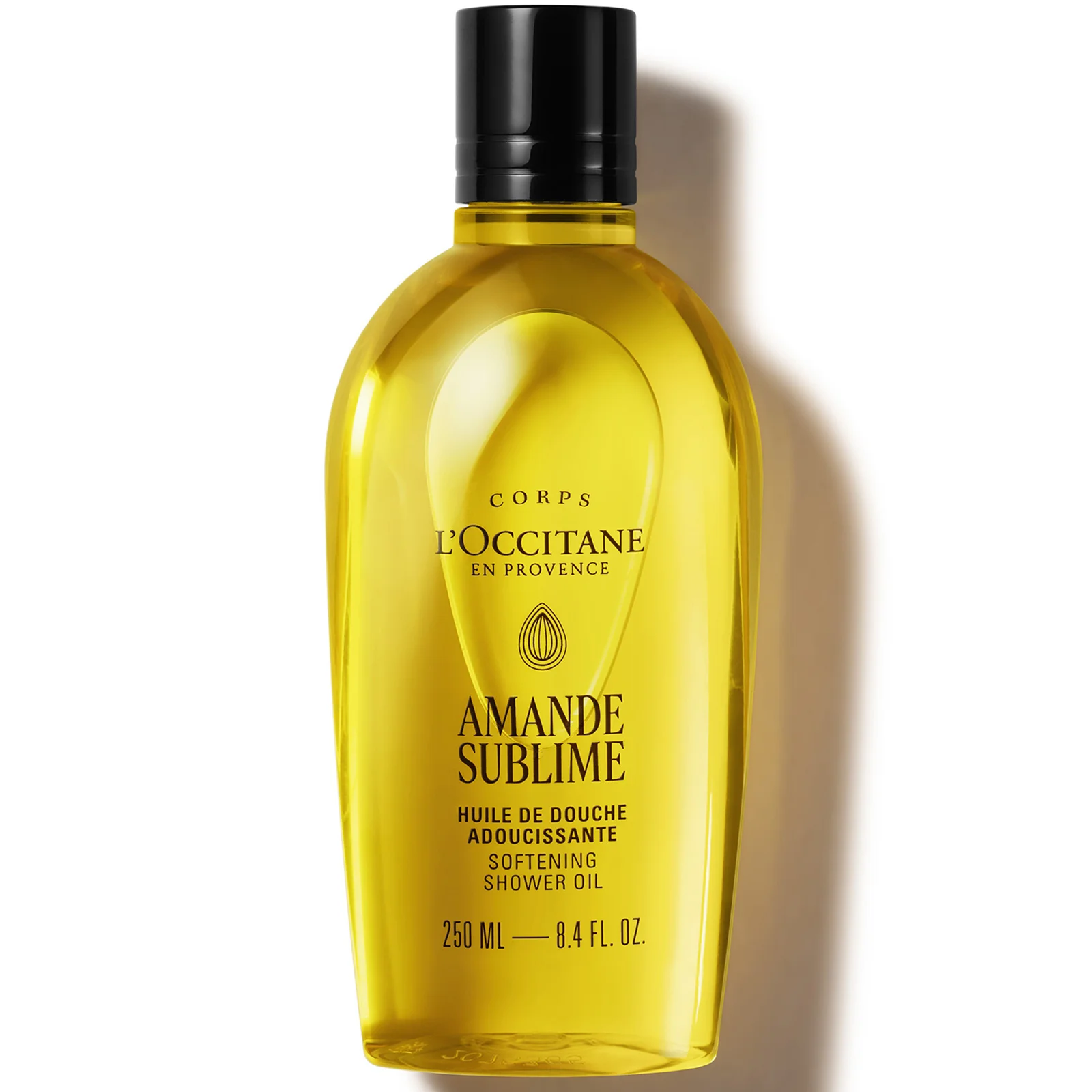
Oil-to-milk cleansers such as L'Occitane Amande Shower Oil (from €10.35) turn from golden oil into a milk-like lather with water. That emulsifying system can separate or thicken if it sits in temperature swings. It often still works, but it may pour differently and feel less consistent.
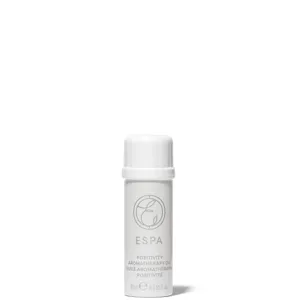
If you’re buying premium oils like ESPA Restorative Aromatherapy Single Oil (from €24.15) or Aromatherapy Associates De-Stress Muscle Bath & Shower Oil (from €15.50), you’re paying for essential-oil blends as much as for cleansing. Once those top notes fade, the product may feel less “worth it”, even before it becomes unusable.
What makes bubble bath (or bath oil) spoil faster?
Three forces shorten shelf life: water contamination, oxygen, and heat/light. Bathrooms provide all three.
Water contamination hits bubble baths hardest. Every time bath water drips back into the bottle, you dilute preservatives and invite microbes. A “clean” product can turn cloudy, smell odd, or develop floating bits. Oils can also get contaminated if you use them with wet hands, because micro-droplets sit in the cap and neck.
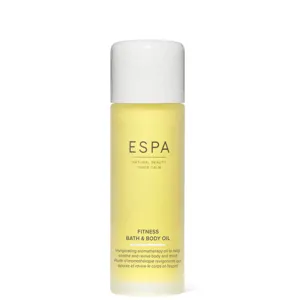
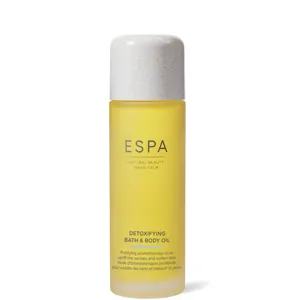
Oxygen causes oxidation, which you’ll notice as a stale, waxy, or paint-like odour in oils. Essential oils also shift with oxygen exposure. That matters for products designed around aromatherapy effects, like ESPA Energising Bath & Body Oil (from €37.26), which features peppermint, eucalyptus and rosemary in its blend.
Heat and light speed up both problems. A sunny windowsill sounds cosy. It’s also the fastest way to dull fragrance and stress emulsifiers.
Watchouts that speed things up in Irish homes:
- Storing bottles on the edge of the bath where they get splashed.
- Keeping products in the shower caddy where they “cook” in steam.
- Leaving the cap flipped open to “air out”. That invites oxygen and moisture.
- Sharing one bottle between several people, which raises contamination risk.
One more factor: sets. Minis in sets open quickly and rotate fast, which helps. But some people open everything at once. For a trio such as Aromatherapy Associates Essential Bath And Shower Oils (from €36.80), opening one at a time protects the others from oxygen until you need them.
How to tell if yours has expired: the signs that matter
Ignore panic over “a little separation”. Focus on changes that signal instability or contamination.
For bubble bath / bath foam, check these:
- Smell shift: sour, musty, or “wet towel” notes.
- Texture change: watery when it used to feel syrupy, or stringy/slimy when you pour.
- Colour change: yellowing or darkening that looks uneven.
- Bubbles collapse fast: you need much more product to get foam, and it disappears quickly.
For bath and shower oils, look for these:
- Rancid odour: stale nuts, crayons, or a sharp “old oil” smell.
- Persistent cloudiness: especially if it shows particles that don’t re-mix.
- Thickened or sticky feel: oxidation can make oils feel tacky.
- New irritation: if a product suddenly stings, stop. Oxidised oils can become more irritating.
Some formulas naturally look milky when water hits them. That’s normal. For example, Aromatherapy Associates Rose Shower Oil (from €13.80) and Aromatherapy Associates De-Stress Muscle Bath & Shower Oil (from €15.50) both use an oil-to-milk style described as turning into a cleansing milk.
Separation by itself often means “shake it” rather than “bin it”. But if separation comes with off smells, floating debris, or gas build-up in the bottle, treat it as expired.
Storage rules that keep scent, bubbles, and texture stable
Most shelf-life disappointment comes from storage, not from “bad batches”.
We recommend four simple habits that suit Irish bathrooms, where damp air lingers and cupboards often sit near radiators.
1) Store cool, dark, and dry (yes, really)
A closed cabinet beats the bath ledge every time. Aim for a shelf away from direct heat. If you have underfloor heating, avoid storing on the floor-level cabinet base.
2) Keep caps and necks clean
After pouring, wipe the neck. Product build-up traps water and grows funk. This matters most for large bubble baths like Burst Bodycare Shea Bubble Bath (from €10.00), because the bottle stays in rotation for longer.
3) Don’t decant unless you can sanitise properly
Decanting into a cute glass bottle looks nice, but it raises contamination risk. If you decant, wash and dry the new container fully, and avoid topping up without cleaning between refills.
4) Minimise “open time” on pricier aromatherapy oils
Essential-oil blends lose their top notes first. If you buy ESPA Soothing Aromatherapy Single Oil (from €24.15) or ESPA Restorative Aromatherapy Single Oil (from €24.15), treat them like you would an Eau de Parfum Perfumes: cap tight, away from light, and don’t store beside a steamy shower.
Retail tip for Ireland: when you’re buying from Boots Ireland, Brown Thomas, Arnotts, McCauley Pharmacy, Meaghers Pharmacy, or Lookfantastic Ireland, check whether the listing shows a batch or PAO symbol in the product images. It helps you plan how quickly to open and finish.
Which formulas last best? Picking products with shelf life in mind
Some shoppers want the fanciest scent. Others want something that won’t “turn” halfway through a bottle.
Based on how these product types usually behave, here are smart picks from our Bubble Bath & Bath Oils list—each for a different use case and budget. Prices shown are the “from” figures we track.
- For frequent use (finish fast): L'Occitane Amande Shower Oil (from €10.35). It’s a best-selling oil that turns into a milk-like lather with water and aims to nourish, smooth and soften.
- For a big bottle bubble bath: Burst Bodycare Shea Bubble Bath (from €10.00). 750ml goes a long way, so storage discipline matters. Foam is the point here.
- For “open one at a time” variety: Aromatherapy Associates Essential Bath And Shower Oils (from €36.80). A trio format can reduce the risk of one big bottle sitting open for ages.
- For soothing, spa-like bath oil: ESPA Restorative Aromatherapy Single Oil (from €24.15). It’s designed to soften skin with an essential-oil blend and bring a spa-like feel.
- For a comfort-first bubble bath option: Luna Daily The Motherhood Wash With Arnica (from €11.00). The description calls it a route to the “ultimate bubble bath” and notes arnica, calendula and bisabolol.
Where we’d spend more: if you buy aromatherapy mainly for the scent ritual, it pays to buy sizes you’ll finish before fragrance fades. A premium option like Laura Mercier Honey Bath (from €54.05) leans hard into a comforting aroma and silky bubbles, so you want peak freshness when you use it.
One caution: sets can tempt overbuying. The L'Occitane Almond Discovery Collection (from €48.30) combines two almond bodycare essentials including the Almond Shower Oil. That’s good value for almond fans, but only if both items will move through your bathroom at a steady pace.
Performance problems that aren’t expiry (and how to fix them)
Not every disappointing bath means the product has expired. Water chemistry and dosing matter.
If bubbles look flat, test these before you bin the bottle:
- Hard water: it can reduce foam. Use a little more product and add it under running water for maximum agitation.
- Bath oils + bubble bath together: oils can collapse foam. Add bubble bath first, then oil at the end, or keep them separate depending on what you want.
- Over-rinsed tub: some cleaning residues kill bubbles. Rinse well before filling.
- Too-cool water: some formulas foam better with warm running water.
For oils that look separated, a gentle roll or slow inversion can help. Don’t shake violently if the bottle sits half-empty, because you can whip air into the product and speed oxidation once it re-settles.
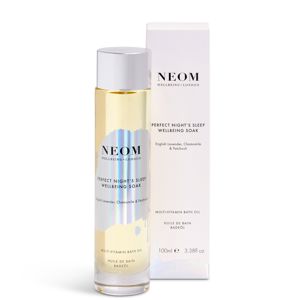
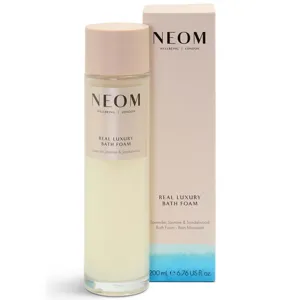
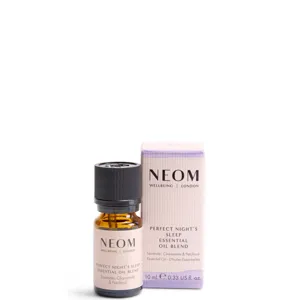
If you use essential-oil products mainly for mood, scent fade can feel like “it expired”. That’s common. Neom Perfect Night'S Sleep Bath & Shower Oil (from €32.20) positions itself as a relaxing bath option and notes a blend with lavender, plus marshmallow, aloe leaf, coconut and sweet almond oil in the broader bath foam description. Even when the base still works, the delicate top notes can soften with time and heat.
Also: don’t confuse “less scent in the bottle” with “less scent in the bath”. Warm water volatilises fragrance, so you often smell more once it hits the tub.
Practical expiry plan: date, store, and use without waste
If you want a simple system, use this one. It takes two minutes.
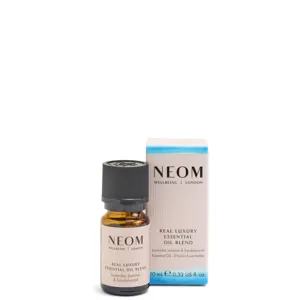
Step 1: Mark the opening date. Use a bit of tape on the bottle base: “Opened 15/07/26”. This helps most with slow-moving items like ESPA Soothing Aromatherapy Single Oil (from €24.15) or Neom Scent To De-Stress Essential Oil Blend (from €21.16), which you might use in small amounts.
Step 2: Choose a “finish by” goal. For bubble baths, aim to finish within 6–12 months of opening. For oils, aim for 6–18 months. If you only take the odd bath, buy smaller formats or sets so you can open one at a time.
Step 3: Store with intention. Pick one shelf outside the shower area. Keep everything upright. Tighten caps. It sounds boring. It works.
Step 4: Do a monthly 10-second check. Open, sniff, look at the neck for residue, and check for odd cloudiness or bits. If something smells rancid or looks contaminated, stop using it.
And because Irish weather stays damp and mild for long stretches: if you take evening baths and follow with face care, keep SPF in mind for daytime regardless. We’d still treat SPF Protection Products as a year-round habit, even when sun feels scarce.
Want us to add a quick-reference “bin it or keep it” checklist for your specific product from our list (and where it’s currently cheapest across Irish retailers)? Tell us which one you have and when you opened it.