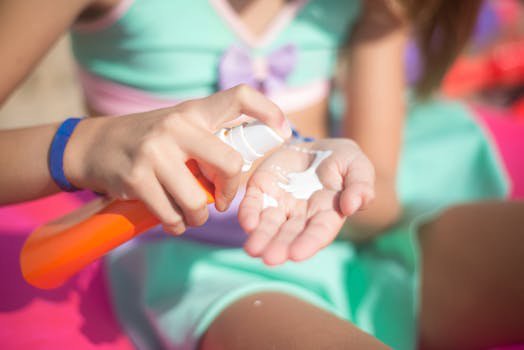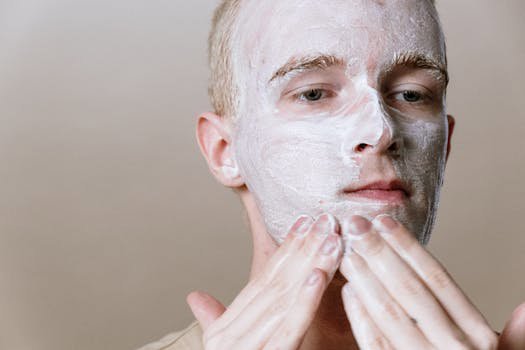
Sunscreen pilling ruins good mornings. You rub in your SPF, and it rolls off in little balls that sit on your cheeks, cling to brows, and shred foundation. No glow. No protection. Just grit.
We track traffic and prices on SPF every week. Searches for “pilling” spike each spring, then again before late-summer holidays. Irish women care about wearability as much as UV protection, and pilling pushes a lot of sunscreens to the back of the drawer. It doesn’t need to.
The fix rarely sits in one magic product. It usually comes from smarter layering and better texture matching. A few small changes can stop pilling cold.
Context: what pilling is, why it shows up in Ireland, and how much product you need
Sunscreen pilling describes visible clumps that form when products don’t mesh. Those grains gather on skin or lift off with your fingers. They build when polymers, powders, silicones, or mineral filters clash with other layers. Rubbing hard makes the clumps join forces. Humidity slows dry-down and raises the odds.
EU testing sets UV protection at 2 mg of product per square centimetre of skin. For the face and front of neck, that averages around 1–1.2 ml. Many women use the two-finger method to hit that target. You lay two index-finger stripes of SPF and apply in thin passes. That volume matters if you want the label’s protection.
The EU also requires broad UVA coverage. The UVA-in-a-circle logo indicates a UVA protection factor of at least one third of the SPF. Brands have followed this rule since 2007 across the EU. That standard improves protection and consistency, but it doesn’t control how a formula behaves with your moisturiser and makeup.
Ireland adds a twist. Relative humidity averages about 80% in many regions, and the climate sits mild for most of the year. High moisture in the air slows evaporation from your skincare. Sunscreens can feel tackier and set more slowly than in a dry climate. You need a little more patience between layers here.
Retail availability also shapes choices. New SPF launches often hit the UK first, then roll to Boots Ireland, Brown Thomas, Arnotts or Irish pharmacies. Lookfantastic Ireland usually lists a broad mix, but stock can swing in summer. We see frequent price moves between April and July, so it pays to check a comparison before you commit.
{{IMAGE:woman applying sunscreen outdoors}}What sunscreen pilling actually is: polymers, powders, and friction
Pilling starts when solid particles and film-formers cluster at the surface. Carbomer gels, polyacrylate thickeners, silica, starches, and mattifying powders can tangle together. Add a few rubs of your fingers, and those micro-clusters roll into visible bits.
Mineral filters like zinc oxide and titanium dioxide can raise pilling risk, especially in heavier creams. Larger pigment aggregates don’t always lie flat. If the rest of your routine includes silicone elastomers or dry powders, those particles can grab onto each other and clump. Not every mineral sunscreen pills, but the risk rises with thicker textures and lots of friction.
Silicone-heavy primers can cause problems too. Dimethicone blends form a flexible film. That works well for blur and grip. But some carbomer gels and aminosilicones resist each other. When you add motion, they shear off into crumbs. You’ll see the worst clumps along hairline, brows, and jaw where tiny hairs add drag.
Friction finishes the job. Rubbing a thick SPF across moist skin can shred a setting film. Patting or pressing keeps the film intact. That technique choice often decides the outcome.
The usual culprits in your routine
You can usually trace pilling to a short list:
- Too many layers: toner, multiple serums, rich cream, SPF, primer, foundation, then powder. Something will clash.
- Not enough dry-down: you stack layers before the last one sets. Humid Irish mornings make this worse.
- Texture mismatch: you apply a water gel over an occlusive balm, or a silicone primer over a very powdery SPF.
- Excess product: you use more than your skin will absorb under humid conditions. The extra has nowhere to go.
- Flaking skin: retinoids and acids cause micro-flakes that ball up with gel polymers.
Formulation plays a role. Mattifying SPFs with a lot of silica and starch feel smooth but often pill under makeup. Rich mineral creams can resist foundation grip. Some vitamin C serums use thickening polymers that don’t sit well under sunscreens with strong film-formers. You can still use them. You just need a better order and more time.
We rate streamlined routines here. Use fewer, better-chosen layers in the morning. Save your heaviest barrier creams for night when you don’t need makeup to last.
Fix 1 — Cut the layers and set the order
Build your morning in this order: cleanse, light serum if needed, moisturiser if your SPF isn’t moisturising, then sunscreen. Primer and foundation come last. Keep it simple on workdays.
Pick a sunscreen that can double as a daytime moisturiser if your skin allows. Many modern SPFs pack humectants and emollients. That swap removes an entire step. You reduce the chance of clash and hit the right dose of SPF more easily. Browse broad options under SPF Protection Products.
Wait between steps. Give a water serum 60–90 seconds. Give a moisturiser two to three minutes. Give sunscreen three to five minutes. In Ireland’s damp climate, those extra minutes pay off. You’ll feel the surface shift from tacky to set. That stage tells you it can take makeup.
Apply sunscreen in thin passes. Dot over the face, then press and spread with minimal strokes. If you prefer the two-finger measure, lay one finger first, set it, then apply the second. That approach keeps the film intact and prevents clumping at the edges.
Fix 2 — Match textures and ingredients for peace between layers
Keep like with like. Pair water-based serums with gel-cream sunscreens. Pair silicone-forward primers with sunscreens that list dimethicone high on the INCI. When you mix formats, you raise the risk of film conflict and lift-off.
Look for clues on labels. Gels list water and glycerin at the top. They often use carbomer or acrylates as thickeners. Silicone-rich SPFs call out dimethicone, trimethylsiloxysilicate, or polysilicone-11. Mineral SPFs may list zinc oxide and titanium dioxide, plus silica or starch for slip. If your moisturiser carries a lot of powders, choose a more emollient SPF. If your SPF feels powdery, keep the moisturiser simple and cushiony.
Real-world examples that often play nicely under makeup include gel-cream SPFs from Garnier (Ambre Solaire Super UV Invisible Protect lines), fluid anti-pollution shields like Clarins UV Plus SPF 50, and Japanese-style lotions from Shiseido with high film-former tech. They set fast and resist lift-off. If you love a silicone primer, match it with an SPF that also uses dimethicone near the top of the list. That pairing cuts the chance of texture combat.
Use a little less emollient under mineral formulas. Try a lightweight moisturiser step from Clinique or L’Oréal if you run oily. If you sit dry, choose a cream but let it settle before SPF. Our price comparison flags frequent discounts on day creams and SPFs across Boots Ireland and Lookfantastic Ireland. Add favourites to your wishlist and we’ll ping you when the price shifts.
Fix 3 — Exfoliate smartly and keep your barrier calm
Flakes cause pilling. They latch onto gels and roll up when you rub. Remove the loose stuff, and you stop a lot of the trouble. Use a gentle chemical exfoliant one to three times a week. Think low-strength lactic acid or a PHA blend. That route softens edges without stripping. Browse Face Exfoliants to find a mild option.
Skip face scrubs on pilling days. Physical grains tug at SPF films and cause more rolling. If you used a retinoid the night before, expect extra micro-flakes. Buffer with a bland moisturiser and simplify your morning stack. Rich but simple creams with ceramides or triglycerides calm the surface so SPF can sit flat. Check our picks in Day Face Moisturisers and save heavier occlusives for Night Face Moisturisers.
Watch for dehydration. Central heating and wind can pull water from skin in winter and spring. Dehydrated skin produces more flakes and pills more with gels. Layer a hydrating serum under your SPF or pick a sunscreen with humectants like glycerin and hyaluronic acid. Let it set before makeup.
The fastest fix after a bad pill? Mist lightly, press with clean hands or a sponge, and stop rubbing. Water softens the film and reduces friction so you can salvage the base.
Fix 4 — Makeup that behaves over SPF
Primer first. Choose a water-based gripping primer if you use a gel-cream sunscreen. Choose a silicone primer if you use a silicone-rich SPF. Avoid heavy mattifying formulas packed with silica over powdery sunscreens. That pairing clumps fast. Browse Face Primers to match textures.
Foundation next. Sheer and light coverage liquids usually glide best. Look for thinner emulsions and avoid very powder-heavy formulas on pilling-prone days. Our feed lists plenty of options across Liquid Foundations. If your SPF already blurs, you can skip primer and go straight to foundation.
Application matters more than product. Use a damp sponge to press product rather than rub with fingers or a dense brush. Patting respects the SPF film. If you prefer brushes, switch to stippling motions. You can also sheer a heavy foundation with a drop of moisturiser to reduce drag.
Powder with intent. Press loose powder through a net or tissue onto a puff. Roll and press on the T-zone only. Skip buffing. Silica-heavy powders can catch on any unsettled SPF. If you love powder, hydrate first and allow a full set time for sunscreen.
For under-eyes, pick a thin concealer and press lightly. Rubbing concealer under the eye often triggers flakes and pills, especially if you use retinoids. You’ll find many light textures under Liquid & Cream Concealers. A minimal set with a tiny amount of powder avoids clumps.
{{IMAGE:makeup sponge pressing foundation over sunscreen}}Fix 5 — Reapplication without chaos
You still need SPF on grey days. UV filters break down with time, sweat, and touch. Reapply every two to three hours if you spend time outdoors. The trick is to refresh without wrecking makeup.
Sticks and cushions work well. A clear stick slides with minimal friction. Press and roll rather than swipe hard. A cushion compact gives you a thin, even layer that you can tap on with a puff. Fluid SPF mists often miss the 2 mg/cm² target on their own, so treat them as a top-up, not your main layer.
Blot first. Absorb sweat and surface oil with a tissue. Then add your reapplication product. You reduce slip and protect your base. If you need coverage, pick a sheer SPF tint that matches your tone and tap it on. Set lightly with powder if needed.
Keep a small sponge in your bag. A quick pat smooths any raised edges around nose and mouth. Avoid rubbing. Your goal is to lay fresh protection and keep the film intact.
We track wide variations in stock and pricing for portable formats in summer. Check our SPF category and add favourites to your wishlist for alerts when Boots Ireland or Lookfantastic Ireland list a sharper price.
Mineral vs organic filters: how choice affects pilling
Mineral sunscreens use zinc oxide and titanium dioxide. They scatter and reflect UV. They can feel thicker and more matte. The thicker base and powder content can raise pilling risk if you stack a lot of layers under them. They pair best with simple, cushiony moisturisers and minimal powders.
Organic (often called “chemical”) sunscreens absorb UV and turn it into heat. European filters like Tinosorb S and M, Uvinul A Plus, and Uvinul T 150 allow lighter textures with high protection. These formulas often set faster and resist pilling with makeup. You still need to match textures, but you have more choices in sheer, fluid formats.
If you react to fragrance or certain filters, you may stick to mineral. Choose a lighter mineral lotion or a fluid with newer dispersion tech. Tinted mineral SPFs often spread better because the tint helps pigment distribution. Press, don’t rub, and keep powders light.
For organic filters, pick fluid or gel-cream finishes for makeup days. Watch for alcohol-denat high on the INCI if you run very dry. That solvent speeds set but can dehydrate. Balance it with a hydrating serum underneath and give it time to settle.
Irish-market picks and where to shop smart
Availability shifts fast in summer. We suggest starting with textures known to set quickly. Here are categories and brands that often behave under makeup, with Irish-stock caveats:
- Garnier Ambre Solaire Super UV ranges: gel-cream and invisible fluid styles sit well, hydrate, and set at a fair clip. Boots Ireland and many pharmacies stock them widely.
- L’Oréal Paris UV Defender lines: fluid textures that layer cleanly. We often see them priced keenly online. Compare across retailers before you buy.
- Clarins UV Plus Anti-Pollution SPF 50: a fine shield that tends to play nicely with foundation. Brown Thomas and Arnotts usually list it.
- Shiseido Expert Sun Protector Face & Body Lotion SPF 50+: elegant, sets fast, and resists rub-off. Stock appears at department stores and Lookfantastic Ireland.
- Clinique Super City Block SPF 40: a classic protective base that sits under makeup. Check counters in larger pharmacies and department stores.
- Lancôme UV Expert Aqua Gel SPF 50: a light gel that usually behaves under most foundations. We see stock swings near peak summer.
- The Body Shop Skin Defence Multi-Protection Lotion SPF 50+: very popular, often sells through ahead of holidays.
Not every UK or US SPF reaches Ireland at the same time. Some launches show up first on UK sites that do not ship pressurised or restricted items to Ireland. If a UK retailer undercuts an Irish price by a large margin, factor in shipping fees and customs risk before you chase a bargain.
Use our price comparison on SPF Protection Products to check current listings across Boots Ireland, Lookfantastic Ireland, and major pharmacies. Add a couple of options to your wishlist and we’ll alert you when any of them drop in price. Summer promos move fast, and SPF deals rarely last a full week.
Application amounts, timing and technique in Ireland’s climate
Stick to enough product for proper protection. Aim for two fingers or about 1–1.2 ml across face and front of neck. If your formula runs very thin, build in passes rather than dumping it all on at once. That approach reduces pooling and clumps around brows and hairline.
Give each layer time. In damp weather, even fast-setting formulas need a few minutes. You can speed the set with airflow. Stand by a fan or wave a clean card for 15–30 seconds. Don’t blast with hot air. Heat can make a formula slip.
Handle tricky zones with care. Press a little extra SPF into the tops of cheeks and across the bridge of the nose. Use tiny pats around brows and hairline to avoid catching hairs. Wipe excess from brows with a spoolie if needed before makeup.
Hands off once it sets. Touching your face later will lift sunscreen. If you need to smooth a patch, mist lightly and press with a sponge. Avoid rubbing motions throughout the day.
A quick troubleshooting checklist
Still seeing pilling? Try this, one tweak at a time:
- Swap your richest morning cream for a lighter option or use a moisturising SPF instead.
- Extend wait times between layers by one to two minutes.
- Change application to patting and pressing; stop rubbing.
- Match primer to SPF base: water with water, silicone with silicone.
- Cut one serum from the morning; move it to night.
- Reduce powder or switch to a finer, lower-silica setting option.
- Exfoliate gently once or twice a week to remove flakes.
- Test a different sunscreen finish: gel-cream if you used a matte; fluid if you used a heavy cream.
If you plan a big event, run a dress rehearsal. Wear the full routine for a normal day. You can catch a clash in time to switch a single product rather than the whole stack.
What this means
Sunscreen pilling doesn’t signal bad skin or a faulty product. It signals a texture mismatch or rushed layering. Irish humidity raises the stakes. Give layers time to set, match formats, and use gentle pressure. You can keep the protection you need and still wear the makeup you want.
Lean on tools that make it easier. Compare textures and prices in our SPF Protection Products hub. Add a couple of contenders to your wishlist to catch any short-term price cuts across Boots Ireland, Brown Thomas partners, or Lookfantastic Ireland. Then keep the routine simple and repeatable. Fewer layers. Better matches. Less rub.
We want to hear from you. Which sunscreen textures behave best under your favourite foundation, and which combos always pill on you? Tell us so other GlamGeek readers can shop smarter.