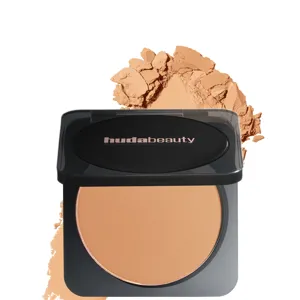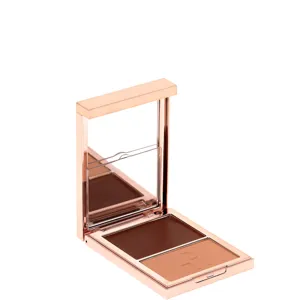
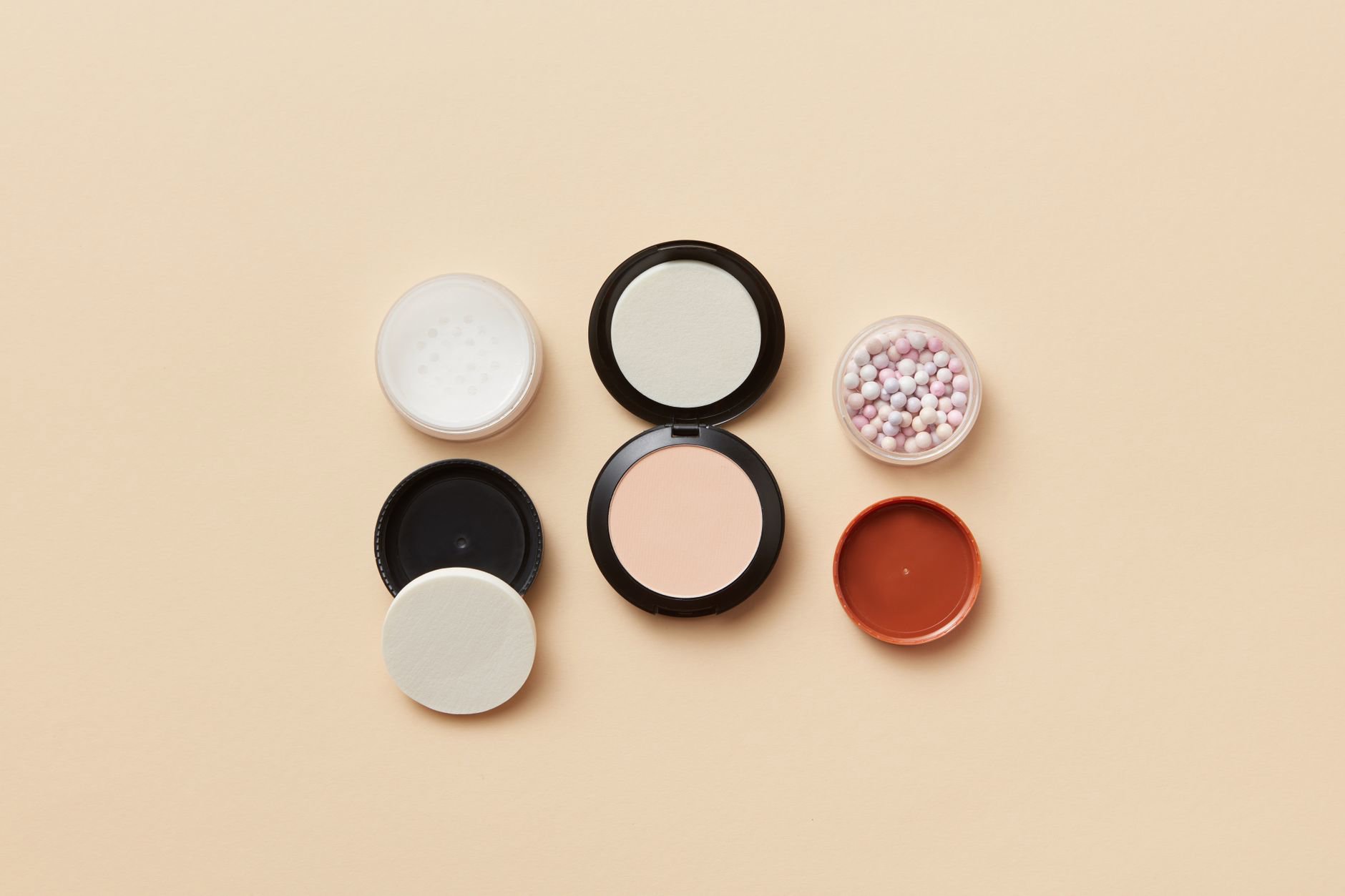
Yes—pressed powder can expire, even though it looks “dry” and stable.
Most pressed powders stay usable for longer than liquid makeup, but they still change over time: oils from skin, humidity, and repeated contact can affect performance and hygiene. The result usually shows up as weird texture, patchy wear, or a compact that suddenly stops smoothing.
Below, we break down typical shelf life, the most reliable “gone off” signs, how contamination happens, and how to store pressed powders so they last as long as they should in Ireland’s damp, mild climate.
How long does pressed powder last (realistic shelf life)
Pressed powders typically last longer than creams because they contain less water. Less water means fewer easy opportunities for microbes to multiply. That said, “dry” does not mean “immune.”
For most people, a realistic window is 18–36 months after opening, assuming normal home use and decent hygiene. Some compacts hold up beyond that, but GlamGeek’s view stays practical: if performance shifts or the pan shows repeated hard glazing, treat that as a replacement signal even if the calendar says it “should” be fine.
Usage patterns matter as much as time. If a pressed powder lives in a handbag, meets sweaty fingers, and gets opened in steamy bathrooms, it ages faster than one kept closed in a cool drawer.
Ingredient structure also plays a role. Many powders blend mineral pigments with binders and emollients so they press into a pan and sit well on skin. Those binders can oxidise or dry out. Oil-absorbing powders can also get saturated with skin oils over time, which changes slip and wear.
- Powder foundation compacts often show “age” sooner because you use more product and rub more aggressively.
- Setting powders can last longer, but only if you keep the surface clean and avoid damp tools.
- Handbag powders wear down fastest. Heat cycling plus humidity does them no favours.
If you want a quick benchmark: if a pressed powder has stayed consistent for two winters and two summers in Ireland, you’re already in the “watch it closely” zone.
Expiry vs “gone bad”: what actually changes in a pressed powder
Brands print a PAO symbol (the little open-jar icon) because time after opening matters more than the unopened “best before.” But expiry in makeup rarely looks like food spoilage.
Pressed powder usually “expires” in one of three ways: performance degradation, texture changes, or contamination. You might notice just one, but they often cluster together.
Performance degradation means it stops doing the job you bought it for. A setting powder might stop controlling shine. A powder foundation might stop building evenly and start skipping on the cheeks. This can happen when the top layer becomes oil-slicked (glazing) or when the binder dries out, so the powder won’t pick up and lay down smoothly.
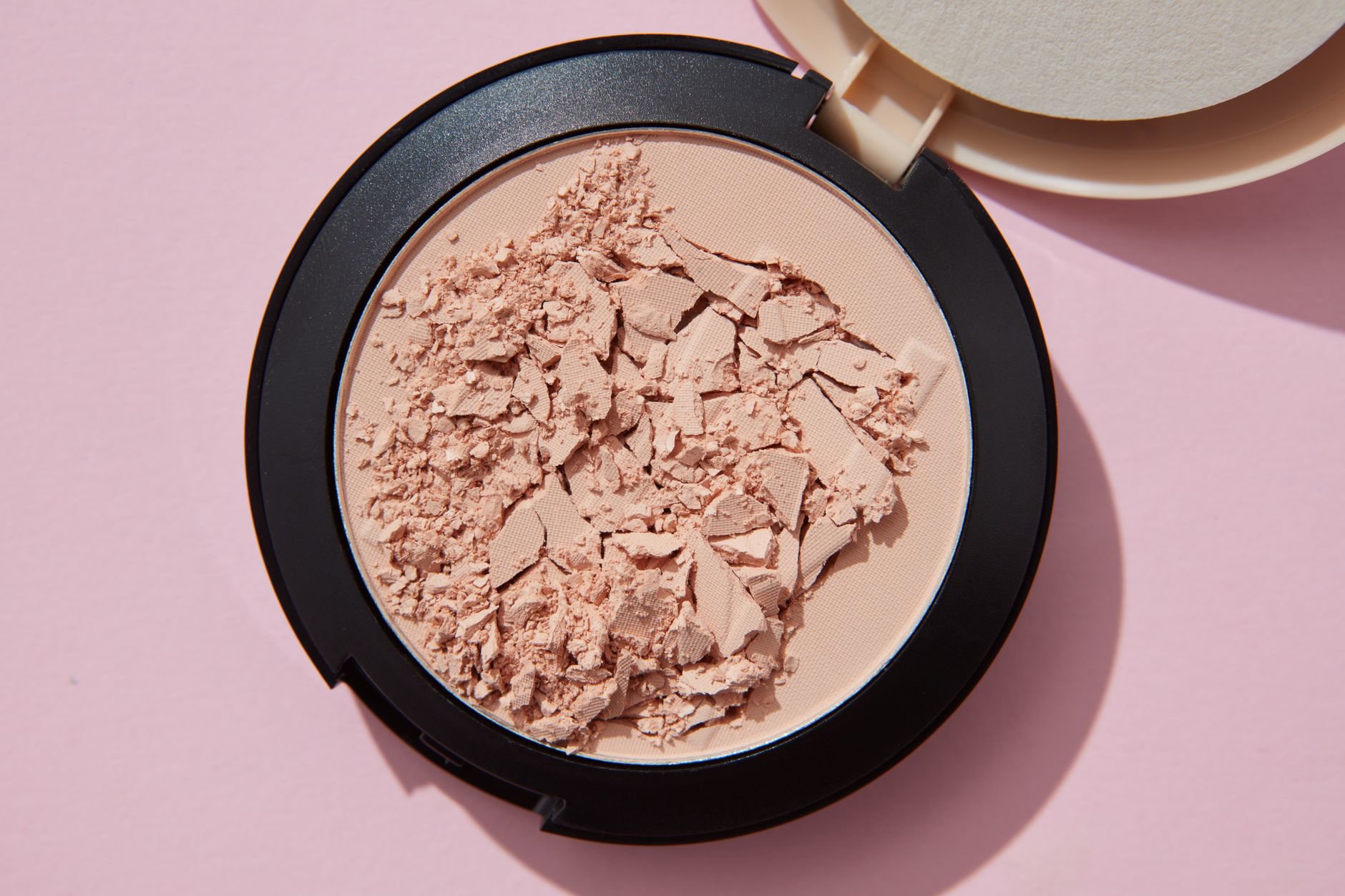
Texture changes can look subtle at first: the surface goes shiny, the powder feels harder, or it starts to “ball” on the skin. This often comes from skin oils, emollients from base makeup, or dampness from a sponge. (We see this a lot in Ireland when makeup bags live in gym lockers or cars.)
Contamination is the part people underestimate. Every time a puff or applicator touches your face and goes back into the compact, it can carry oil, dead skin, and microbes. Most pressed powders include preservatives and low-water formulas to reduce risk, but they aren’t sterile products. If you share a compact or use it on irritated skin, you raise the stakes.
Worth saying plainly: a pressed powder can look “fine” and still perform badly. In our pricing and product feed, the most common repurchase trigger people report in reviews isn’t smell—it’s that the powder starts sitting strangely.
Signs your pressed powder has expired (smell, texture, wear, contamination)
Ignore vague advice like “replace it when you feel like it.” There are specific signals that show up again and again across pressed powders.
1) Smell changes. Many powders have little to no scent. If you notice a waxy, stale, crayon-like smell, that often points to binders or emollients ageing. If the compact suddenly smells “old,” treat it as a red flag.
2) Surface glazing. The pan develops a shiny, sealed layer and your applicator stops picking up product. This happens when oils and creams fuse onto the top. It doesn’t always mean the entire compact is unsafe, but it does mean performance will drop until you remove the top layer.
3) Texture shift. Pressed powder should feel consistent. If it turns gritty, drags, or crumbles into chunks, you’re seeing binder breakdown or too much moisture exposure.
4) Hard pan that keeps returning. You can scrape off a glazed layer once. If it reappears within a few uses, the powder has likely become saturated with oils, or your tools are too damp.
5) Application changes. Watch for sudden caking, patchiness around the nose, or a dusty look that never used to happen. Many people assume their skin changed. Sometimes the powder did.
6) Skin reactions. Pressed powders shouldn’t sting. If a product that used to behave starts causing redness or irritation, stop using it and replace it. Don’t try to “power through” with hygiene hacks.
7) Visible contamination. If you see a film, discolouration spots, or residue that looks like foundation sitting on the pan, it’s telling you what’s happening behind the scenes.
- Low risk but annoying: glazing, reduced pickup, uneven finish.
- Higher risk: smell shift, irritation, visible grime, or using it after an eye/skin infection.
When in doubt, replace it. Face powder costs less than dealing with irritated skin.
What ingredients and formulas mean for shelf life (talc-free, mineral, baked, oil-control)
Pressed powders vary more than people think. Shelf life and “ageing” behaviour often track with the formula type.
Talc-free and mineral-leaning powders can feel lighter and less drying, but they can still glaze if you press them over creamy base products. For example, bareMinerals Original Pressed Powder Foundation Sfp15 (from €37.60) uses mineral pigments and a talc-free, non-comedogenic formula. It aims for buildable coverage with a natural, luminous finish. Mineral-style pigments often hold up well, but the surface can still harden if oils build up.
Setting powders with “blurring” claims often rely on finely milled powders and light-diffusing particles. They look brilliant when fresh and evenly pressed, then get less forgiving once the pan becomes coated. bareMinerals Original Mineral Veil Pressed Setting Powder (from €26.57) describes a weightless, talc-free formula that helps reduce the look of visible pores over time. As with most blurring powders, keeping the surface clean matters.
Baked powders can resist crumbling and often keep a smooth pickup longer. Kosas Cloud Set Baked Setting & Smoothing Powder (from €38.00) sits in this camp and positions itself as airy, light, and skin-smoothing. Baked formulas still glaze, but they tend to recover well after gentle surface cleaning.
Oil-control pressed powders can “fill up” faster. A classic example is Clinique Stay-Matte Sheer Pressed Powder Oil-Free (from €33.60), which targets excess oil and shine with a matte finish. If you use it for frequent touch-ups, expect faster saturation and a shorter practical lifespan.
Photo-friendly powders try to avoid flashback and adapt to lighting. Nars Light Reflecting Pressed Setting Powder (from €23.00) uses a no-flashback approach and Photochromic Technology to diffuse and adjust to new sources of light. If this type starts looking chalky in photos, it can mean the surface texture has changed, not just your technique.
Hygiene and contamination: what shortens shelf life fastest
Pressed powders last or fail based on what touches them.
The biggest culprits: damp applicators, finger use, and repeated layering over tacky base. A slightly wet sponge can introduce enough moisture to create a hardened top layer and encourage microbial survival on the surface. Fingers add oils and whatever else your hands picked up that day.
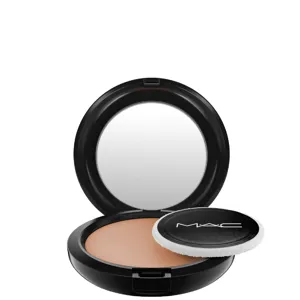
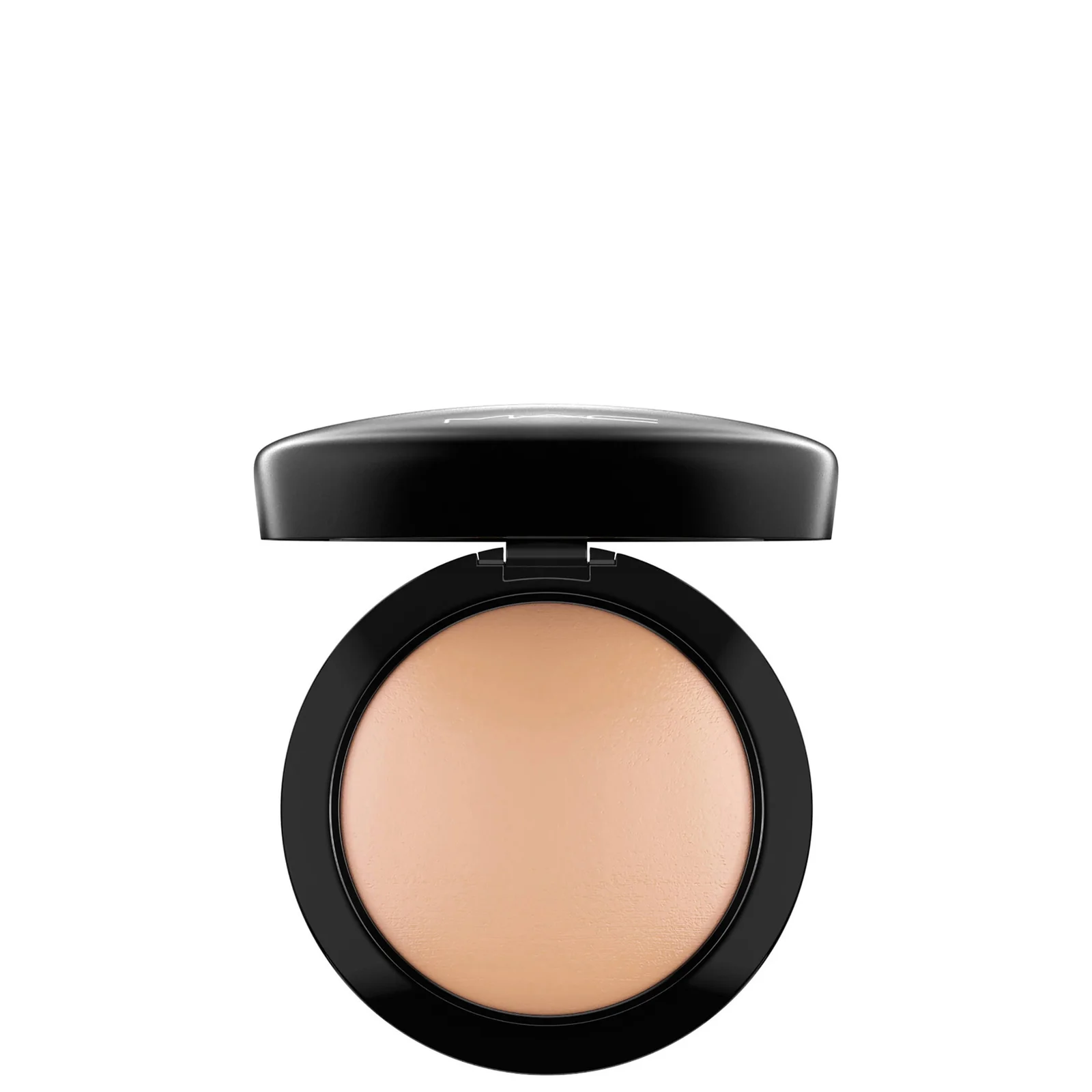
If you tend to top up on the go, choose compacts that handle touch-ups gracefully and keep the pan from turning slick. MAC Mineralize Skinfinish Natural Powder (from €30.50) comes in a mirrored compact and uses slow-baked powder with pearlised mineral pigments for a smooth, satin finish and sheer coverage. Satin, domed powders like this often show surface glazing clearly, which helps you catch issues early.
For people who want a blurring pressed setting powder and use it daily, keeping the compact clean becomes non-negotiable. Westman Atelier Vital Pressed Skincare Powder (from €79.35) describes a blurring, soft-focus finish with shine control plus skin-loving ingredients. Premium pricing doesn’t make a compact immune to bacteria from a reused puff.
Powder foundation compacts face extra stress because you buff them in and build coverage. Chantecaille Compact Makeup Foundation (from €75.90) positions itself as matte but never flat, with an ultra-fine powder formula and a mattifying effect that suits oily skin. That mattifying goal can fall apart if the pan becomes oil-coated.
Here’s what we’d treat as a hard “bin it” moment:
- You used the compact while you had an active skin infection or cold sore near the application area.
- You shared it, especially with someone who had irritated skin.
- The powder developed a persistent off smell or triggered irritation.
- You can see residue or grime that keeps returning after cleaning.
And a softer rule: if you’re consistently using it to set around breakouts, replace more often. That area carries more bacteria.
Storage in Ireland: keeping pressed powder stable (and what to avoid)
Pressed powder hates three things: humidity, heat swings, and being left open. Ireland’s damp air makes the first one the stealth problem.
Bathrooms feel convenient, but they trap moisture. Steam from showers can settle into compacts, even if you keep the lid closed. Over time, moisture contributes to hard pan, crumbling, and the “stale binder” smell.
Keep powders in a bedroom drawer or a closed organiser away from radiators and windowsills. If you carry one daily, store the compact in a pouch so it stays clean and doesn’t rattle in a bag.
Also: don’t leave pressed powder in a car. Temperatures swing more than people expect, even on mild Irish days. Heat can soften binders, then re-harden them into a less smooth surface.
Some compacts handle repeated opening and closing better than others, especially for top-ups. If you need a steady matte option for oily or combination skin, Estée Lauder Double Wear Stay-In-Place Matte Powder Veil (from €44.00) focuses on soft-matte, seamless wear with long-wearing, transfer-resistant performance in a compact. It’s still not invincible, but it fits the “bag powder” use case better than more delicate, glow-leaning formulas.
For a classic smoothing pressed powder that aims to stay lightweight and breathable, Bobbi Brown Sheer Finish Pressed Powder (from €45.43) includes oil-absorbing properties and undertone-correct pigments. Undertone correction can look off once the powder oxidises or the surface changes, so storage discipline pays off.
When to replace (and what to buy next): smart swaps by use case
Replacement timing depends on how you use pressed powder, not just the printed PAO.
If you use pressed powder daily as your base, expect faster turnover. Powder foundation compacts often hit their best “sweet spot” early, then slowly lose smoothness as oils build up. If you want a lightweight powder foundation with buildable coverage and a natural, luminous finish, bareMinerals Original Pressed Powder Foundation Sfp15 (from €37.60) makes sense when you prefer mineral pigments and a talc-free, non-comedogenic approach.
If you mainly need shine control, replace once touch-ups stop working. Oil-control powders can become “full,” then they sit on the skin instead of balancing it. Clinique Stay-Matte Sheer Pressed Powder Oil-Free (from €33.60) targets excess oil and shine with a matte finish, and it works best when the pan stays clean and dry. For more matte, long-wear positioning, Milk Makeup Pore Eclipse Matte Translucent Setting Powder (from €33.00) offers a pore-blurring, soft-focus finish with a formula that aims to avoid looking overly powdery.
If you want photo-friendly setting, replace if flash photos suddenly look worse. That often signals surface texture changes. Nars Light Reflecting Pressed Setting Powder (from €23.00) focuses on no flashback and adapts to light sources. If it stops doing that, don’t keep forcing it.
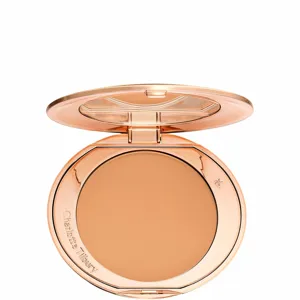
If you buy minis or keep a compact for touch-ups, it can make sense to go smaller and replace more often. Charlotte Tilbury Airbrush Flawless Finish (from €26.45) appears here as a mini (3.4g) and aims to minimise shine while boosting radiance with light-reflecting particles. Smaller formats often finish before they degrade.
In Ireland, availability matters too. We commonly see pressed powders priced differently across Boots Ireland, Brown Thomas, Arnotts, and UK-based retailers shipping to Ireland. GlamGeek’s price tracking often shows that mid-range compacts fluctuate more than luxury ones, so it can pay to check before you repurchase staples from Clinique, Estée Lauder, MAC, or Charlotte Tilbury.
Practical tips: make pressed powders last longer (without dodgy hacks)
You don’t need fancy tools to extend shelf life. You need repeatable habits.
1) Keep applicators dry. If you use a sponge, never put it back into the compact while damp. Air-dry fully. Dampness triggers hard pan and speeds up “off” smells.
2) Set in thin layers. Pressed powder performs best when you apply less, then add only where needed. Heavy, repeated pressing drives oils and creams into the pan.
3) Clean the surface when glazing starts. Use clean tissue to gently wipe the top layer, or lightly scrape the surface with a sanitised tool. Do not soak the pan in alcohol. Too much liquid can damage the binder and make crumbling worse.
4) Don’t store it in the bathroom. Steam exposure adds up. Ireland’s humidity does too. A drawer beats a counter.
5) Watch the “performance tells.” If your pressed powder used to blur pores but now sits on them, it may not be your skin. Consider replacing with a pore-blurring pressed option like IT Cosmetics Bye Bye Pores Pressed Powder (from €26.57), which uses Optical Blurring Technology to aim for an airbrushed look.
6) Keep a separate compact for touch-ups. Your home powder stays cleaner. Your bag powder takes the abuse. If you want a sheer, undetectable pressed finish designed to keep makeup in place, Hourglass Airbrush Pressed Powder (from €65.00) focuses on weightless wear and shine control.
One more reminder, because it comes up often: pressed powder does not replace SPF. Ireland gets less sun than many climates, but UV still reaches us. If you want sun protection, look at dedicated products in SPF Protection Products rather than relying on makeup alone.
Pressed powder should make makeup easier, not more stressful. If yours smells odd, looks glazed, or keeps applying badly, it has earned retirement.
Which compact are you trying to judge—setting powder or powder foundation, and is it a handbag staple or kept at home?