Our price tracker shows a pattern every stormy spell. Setting sprays climb the charts across Irish retailers, and long-wear foundations sell through faster than glow tints. That tells its own story. Humidity knocks base makeup off course here, and women respond by reaching for fixers.
We rate a simpler fix. Three parts, no faff: a grip-leaning primer, a polymer-rich setting spray, and a brush that lays down thin, even layers. That trio solves more wear issues than any single product promise.
The trick is not magic. It’s materials, method, and a few small waits between steps. When you build a base like that, drizzle, mist and central heating don’t bully it quite so easily.
Why Irish bases break down faster than the label claims
Ireland runs damp and mild for most of the year. Average humidity often sits near the 80% mark, with frequent light rain and wind. That cocktail softens makeup films, swells skin’s surface water, and lifts anything not set well. Add scarves, hoods, and quick temperature flips, and you test every bond in your base.
Oil and sweat play a part, but moisture in the air does most of the mischief. Dew point rises, polymers grab water, and the makeup film flexes. Foundation then moves over pores and texture. It can gather around the nose, split on the chin, and fade on the cheeks. You see transfer on collars and mask edges, even hours after you tried to set it.
SPF changes the picture too. We need daily SPF here despite low sun. Many filters sit in emollients or silicones. Layer a slip-heavy SPF under a dewy primer and a hydrating foundation, and you get a triple glide effect. That looks fresh at first, then slides by lunchtime.
Retail data adds a clue. During wet weeks, we track a lift in sales of mattifying primers and fixers with alcohol and acrylate polymers. During dry, cold snaps, hydrating primers lead. Technique matters, but product chemistry still drives most long-wear wins.
{{IMAGE:Irish woman applying primer indoors}}
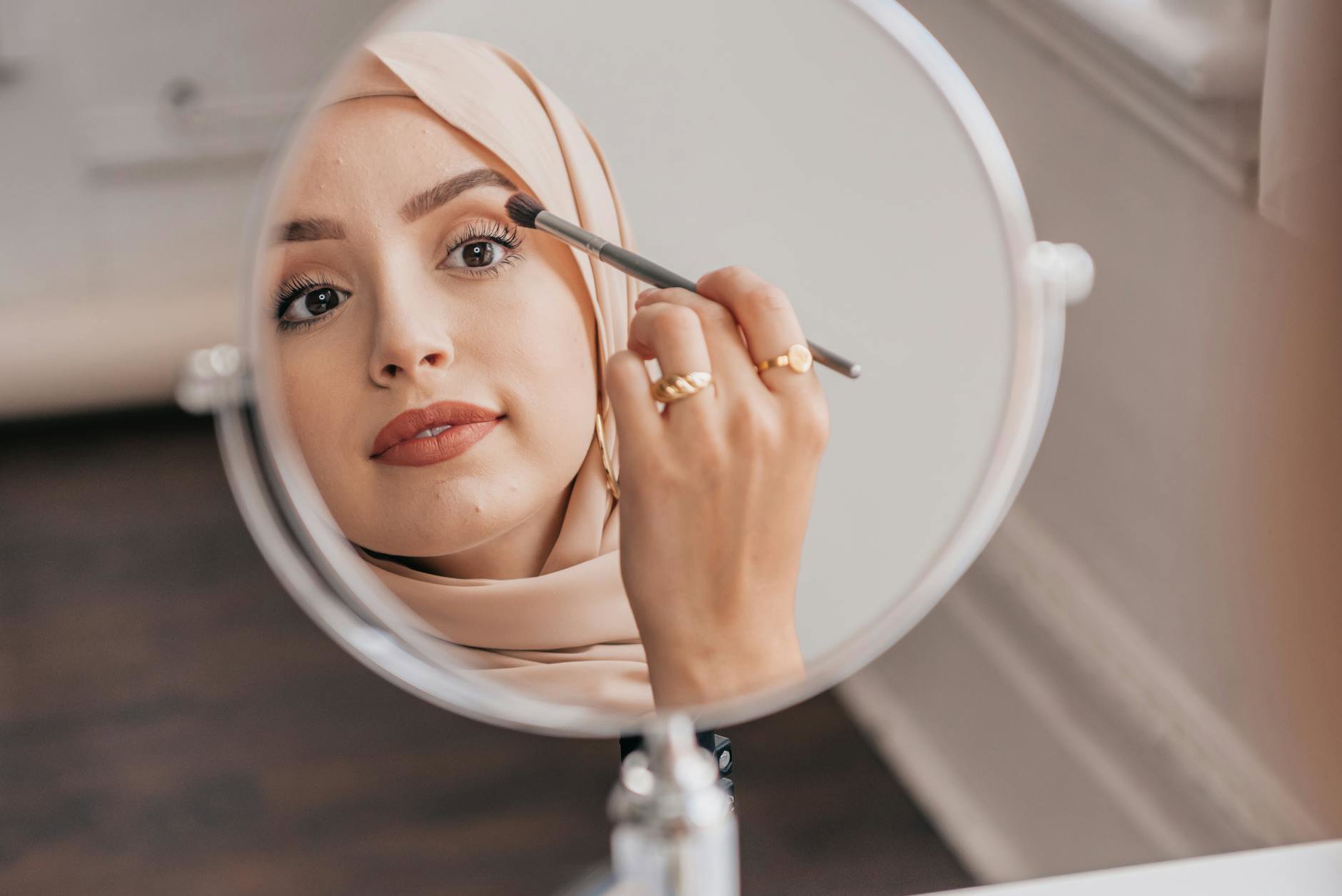
The primer: pick one that grips without smothering
Primers split into a few broad types: hydrating, pore-filling, mattifying, and gripping. Many blend features, but labels often hint at the bias. For Irish weather, you need some grip on the T-zone, even if your cheeks run dry. Look for film-formers in the INCI such as PVP, VP/VA copolymer, or acrylates. These hold base layers to skin through damp and heat.
Pore-filling primers use silicones like dimethicone and silica. They smooth texture and help foundation glide. That feels nice, but too much slip can undermine hold in humidity. Keep pore-blurring to the centre of the face or areas with visible texture. Then switch to a light, grippy veil elsewhere. That mix prevents slide without turning the whole face matte.
Hydrating primers suit tight-feeling cheeks and winter dryness. Choose gels with glycerin and panthenol over rich creams. You still want water-binding, but not heavy oils under a long-wear base. Let each thin layer settle for a full minute before you move on. Time gives the polymers a chance to form a stable film.
Shopping tip: filter by hold claims on our Face Primers page. Then compare ingredients side by side and check availability at Boots Ireland, Brown Thomas, and Lookfantastic Ireland. We often see one of them discount primers while the others hold full price. Add your favourite to your wishlist and we’ll ping you when the price drops.
The setting spray: fixatives, not just fragrance mists
Not all sprays set makeup. Some act as skincare mists with humectants and scent. They refresh, but they don’t lock anything down. For staying power, target sprays with fixatives: acrylates copolymer, PVP, AMP-acrylates, or polyurethane-14. A little alcohol helps these film-formers flash off and grip faster, which matters in cool, damp air.
Technique makes the biggest difference. Use the “sandwich” method on days you need belt-and-braces hold. Mist once over skincare and SPF, let it dry, then apply primer and base. Mist again after foundation, then again after powder. Keep the bottle 20–25 cm away, spray in an X and T, then let it set before you touch anything. Don’t drench. A fine veil beats a heavy shower.
Cult picks include MAC Fix+ for hydration and melt, and Charlotte Tilbury Airbrush Flawless Setting Spray for hold. Fix+ brings flexibility; it melts powder edges and adds a skin-like finish. Airbrush leans harder on fixatives and suits full work days, weddings, or sticky commutes. Check both brands on GlamGeek: MAC and Charlotte Tilbury. We track stock and price moves across Irish retailers so you don’t have to tab-hop.
One more smart move: press, don’t rub. After your final mist, bounce a clean damp sponge over the face. That merges layers and smooths micro-texture without lifting coverage. It also seats powder into cream and shrinks that “makeup sitting on top” look.
The brush: why tool choice controls wear
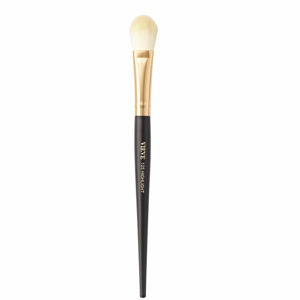
Fingers warm product and give a quick blend, but they can leave uneven pressure and thickness. Sponges finish beautifully, yet they often drink product and water-log in humid bathrooms. A dense synthetic brush lays down thin, uniform coats with minimal absorption. That wins on longevity because consistent thickness dries and sets evenly.
Choose a medium-density kabuki or flat-top buffer for long-wear days. Work in small zones: centre of the face first, then move outward. Stipple to place, then short, light swirls to fuse. Keep strokes gentle. Aggressive buffing reactivates primer and moves coverage off texture.
Duo-fibre brushes help with sheer, skin tints. They keep layers thin and diffuse edges well. If your base likes to grab on dry patches, tap product with the brush rather than dragging it across the area. Clean tools often. Oil and residue undermine grip and shorten wear. Weekly washes for foundation brushes make a visible difference.
If you want options, browse Makeup Brushes & Applicators on GlamGeek. We surface live prices, so you can see when Boots or Lookfantastic runs a code on Morphe-style buffers or MAC’s classic face brushes. Add one to your wishlist and you’ll get an alert when it dips.
Prep, order, and micro‑layers that last through drizzle
Long wear comes from thin, organised layers. Heavy coats slide. Start with light skincare. Keep emollients modest in the morning. Hydrating toner, serum, then a non-greasy moisturiser suits most skin here. Wait a minute between each step. Then apply SPF. Give it at least five minutes to settle before primer.
Apply primer in zones, not as a single thick coat. Grip or matte on the T-zone, hydrating on the cheeks. Then spot-conceal redness and marks before foundation. Every patch you correct early reduces the thickness you need later. Layer foundation in micro-coats. Stipple, pause, then add where you still see through. You build coverage without bulk.
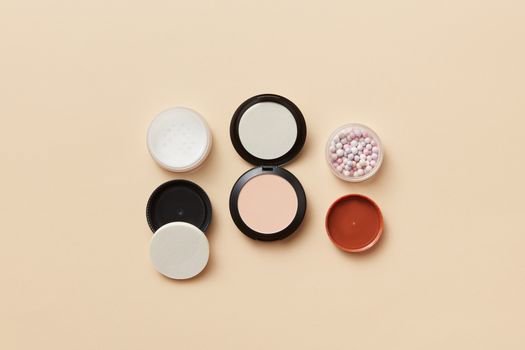
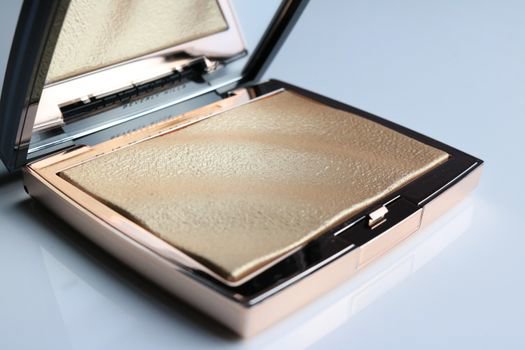
Set with a sheer veil of powder only where you need it: sides of the nose, chin, and under eyes. Reach for a micro-fine loose powder, not a heavy pressed formula. Press with a puff, then dust off with a soft brush. Mist to finish and lock. If your look skews flat, tap a tiny amount of cream highlight high on the cheek after the final spray. Keep that away from the nose and centre forehead so you don’t reintroduce slip.
Our feed shows consistent deals on powders and long-wear bases during bank holiday promos. Check our Liquid Foundations page ahead of those weekends. You can shortlist shades, compare retailer stock, and wait for the alert rather than chasing codes.
SPF and moisture under makeup, for a grey sky
Even with low UV, Ireland still needs daily SPF. That doesn’t have to break your base. You just need the right texture and the right wait. Choose an SPF that dries to a satin or natural finish. Look for film-formers and light emollients rather than rich occlusives. Gels and fluid lotions sit better under gripping primers than thick creams.
Apply a proper amount and let it settle for five to ten minutes. If your SPF stays dewy, blot lightly with a tissue before primer. That removes surface slip while leaving protection intact. Avoid heavy facial oils in the day if your makeup moves. Keep them for night.
On wet, windy days, consider a water-resistant SPF. These use polymers that boost hold for everything you layer on top. You can find strong daily options on our SPF Protection Products page. Filter by finish and water resistance, then check which Irish retailer stocks your pick today. We see stock wobble during school breaks and sunny spells, so get a backup on your wishlist.
Certain brands run consistently wearable day creams with SPF that behave well under makeup. Light gel moisturisers from Clinique or drugstore fluids from L’Oréal often keep slip in check. Explore both on GlamGeek: Clinique and L'Oréal. Compare textures, then time your layers, and your base will thank you through rain and heating blasts.
{{IMAGE:woman misting setting spray after makeup}}
Foundation and concealer formulas that actually hold here
Formula choice matters as much as primer and spray. Long-wear liquids that set to a soft matte or natural finish handle humidity best. They use higher levels of volatile solvents, film-formers, and stabilised pigments. Estée Lauder Double Wear has that reputation for a reason. It sets, resists transfer, and survives a wet commute. Lancôme’s Teint Idole Ultra Wear hits similar notes with a slightly more flexible feel.
If you prefer lighter coverage, try buildable medium liquids rather than glossy skin tints. Sheer glow formulas can look brilliant indoors, then disappear by noon on a damp day. A satin finish with thin layers reads skin-like and lasts better. Keep dewy highlights strategic instead of all-over radiance in the base itself.
Concealers need hold too. Pick liquids that set rather than ultra-creams in pots. Apply in tiny dots, wait a few seconds, then blend with your brush or a fingertip. Set right away with a whisper of powder. If your under eyes crease easily, do a quick pre-spray of your brush with setting spray before you pat the powder on. That hack locks the area without caking.
When you shop, use our filters on Liquid Foundations for finish, coverage, and claimed wear time. Then compare stock across Boots Ireland, Brown Thomas, and Meaghers Pharmacy in one place. We often see one retailer restock shades while others lag, especially in olive and deeper undertones.
Budget or luxe: build a kit that suits your spend
You don’t need a luxury basket to get long wear in Irish weather. Budget primers and sprays often use the same backbone polymers as their pricier peers. We see strong performers from Revolution and L’Oréal on test lists and in our user reviews. Premium picks from Charlotte Tilbury and Estée Lauder bring a more refined finish and broader shade ranges. Both routes can work.
Focus your budget on the steps that do the heavy lifting. If your skin texture is smooth and your foundation already sets, invest in a top setting spray. If texture or oiliness causes your breakdown, prioritise primer and brush. A reliable brush lasts years with care, so a mid-range buy makes sense there.
Compare your shortlist on GlamGeek. Check Revolution and L'Oréal for affordable grip primers and fixers. Browse Charlotte Tilbury for its cult setting spray and airbrushed finishes, and Estée Lauder for long-wear foundations with strong shade spans. Prices swing across Irish retailers and UK sites that ship here, so use our comparison before you check out. Add items to your wishlist and we’ll notify you when a better deal lands.
One last spend note: minis help you test chemistry with your SPF and moisturiser. A travel spray, a small primer, and a sample pot of foundation save money and time. Humidity exaggerates compatibility issues, so trial runs matter more here than in a drier climate.
Rain, commute, and touch‑up strategy
Even a strong base needs a plan for showers and warm buses. Build a light touch-up kit. Include blot films, a small puff pre-loaded with translucent powder, and a miniature setting spray. Blot first to remove moisture and oil. Tap powder where shine breaks through. Then mist lightly and let it settle. That three-step reset revives the base without piling on product.
Carry a soft cloth or tissue for coat collars and scarf edges. Gently press rather than rub if you catch transfer. Keep hair off the face with a clip while you walk in the rain. Friction from a damp fringe rubs off makeup faster than water alone. If your hood traps humidity, blot as soon as you get indoors and then mist once. Quick action stops the film from softening further.
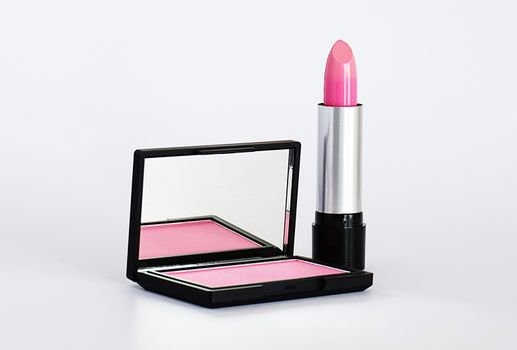
Choose cream blush and bronzer that set, or layer creams under a light powder veil. Cream then powder then spray holds better than powder alone on wet days. To refresh glow, skip more foundation. Tap a touch of concealer where it’s worn, then bring life back with blush and a strategic highlight. You protect the structure while you brighten the finish.
Shade, undertone, and indoor light in a grey climate
Low, cool light can trick your shade choices. Many women in Ireland sit between undertones and see quick dullness if a base runs too grey or too yellow. Test shades by a window and under warm indoor light. If you swing between seasons, consider two close shades and mix. Thin layers handle small mismatches better than one thick coat.
Balance warmth with finish. A slightly warmer shade in a natural finish can look healthy without orange edges. If your base oxidises, prime with a grip product rather than a heavy emollient, and set sooner. Oxidation often tracks with excess oil and slow set times. A quicker dry keeps the pigment truer.
Undertone mixers offer flexibility if you shop online and can’t swatch. A few drops alter a bottle that reads off on the jaw. Apply with your long-wear brush in the same micro-layer method. Test on a rainy afternoon, not a sunny one, to mirror most Irish days.
What this means for your makeup bag
Irish weather exposes the weak links in a base. Your best defence is simple and repeatable: a grippy primer where you need it, a setting spray with real fixatives, and a brush that lays down thin, even coats. Time the waits. Keep layers light. Lock only the zones that break first. That method gives you more wear than any single “24-hour” claim on a box.
Shop with the plan, not the hype. Use GlamGeek to compare a shortlist across retailers in minutes. Start with a primer filter on our Face Primers page, pick your base from Liquid Foundations, then browse tools under Makeup Brushes & Applicators. Add items to your wishlist and watch for price dips. We monitor Boots Ireland, Brown Thomas, Arnotts, McCauley Pharmacy, Meaghers Pharmacy, and Lookfantastic Ireland so you can time the buy.
Where do you see breakdown first?
Nose edges, chin, or the under-eye zone? Tell us where Irish weather pokes holes in your base, and which primer–spray–brush combo holds up best for you. We’ll use the responses to update our comparison picks and spotlight products when they drop in price.