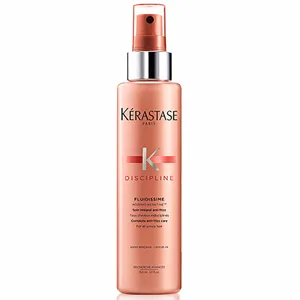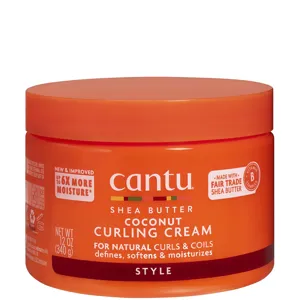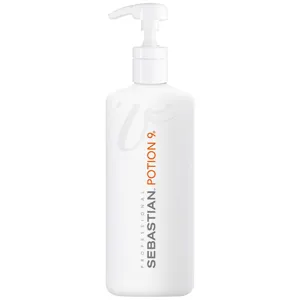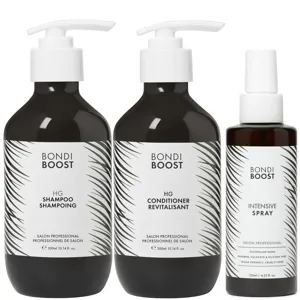
Leave-in conditioner vs rinse-out conditioner comes down to contact time and purpose: rinse-out conditioners work in the shower to soften and detangle quickly, then you rinse them away, while leave-in conditioners stay on the hair to keep adding slip, moisture, frizz control and protection between washes. Many routines work best when you use both, layered in the right order.
Rinse-out conditioner usually gives that immediate “soft hair” feel because it coats the cuticle fast, then you wash off the excess. Leave-in conditioner aims for longer wear: it keeps hair manageable after you step out, and it can support styling, reduce breakage from brushing, and help shield against humidity or heat.
In Ireland’s damp, mild climate, that difference matters. Hair can frizz on the walk from the front door to the bus stop. A rinse-out alone often can’t hold the line.
Our price tracking also shows shoppers treat leave-ins differently: people repurchase them like daily essentials, and they price-shop hard across Boots Ireland, Brown Thomas, Arnotts, McCauley Pharmacy, and cross-border options such as Lookfantastic Ireland.
Before getting into products, a quick clarity point: this guide focuses on leave-in conditioners (the ones you do not rinse out). We’ll explain how they differ from rinse-out conditioners, and how to layer both without ending up with flat roots or sticky ends.
What actually changes when you don’t rinse?
The biggest difference sits in the name. Leave-in conditioner stays on the hair, so it has to feel comfortable for hours. That shapes everything: texture, film-formers, scent strength, and how much “coating” it can get away with.
Rinse-out conditioners can use heavier conditioning agents because you remove most of them. Leave-ins need lighter conditioning plus better spreadability, because you apply them to towel-dried or damp hair and you want even coverage without greasy patches.
Contact time changes performance. A rinse-out works during a short window in the shower. A leave-in works during brushing, air-drying, diffusing, heat styling, and sleeping. That’s why many leave-ins lean into multi-tasking claims like detangling, frizz control, or protective shielding.
Take Philip Kingsley Daily Damage Defence Leave-In Conditioner (from €36.80). The brand positions it as an award-winning conditioning spray you use before heat styling, with hydrolysed elastin mentioned for strength and elasticity. That “before styling” role sits squarely in leave-in territory, because a rinse-out can’t protect your hair once the towel comes off.
Then you have leave-ins that focus on hydration and smoothing for day-to-day manageability. OUAI Leave In Conditioner (from €22.54) calls out amino acids, vitamin E, and hydrolysed proteins in its description. Those are classic leave-in support players: slip, surface conditioning, and some reinforcement for fragile lengths.
Benefits: immediate softness vs all-day control
Rinse-out conditioners shine at instant results: softness, detangling in the shower, and making hair feel less “squeaky” after shampoo. Leave-ins tend to shine after that moment, when friction and humidity start causing trouble.
In practical terms, leave-ins usually help most with:
- Detangling after washing (less snapping while brushing).
- Frizz control as hair dries and meets Irish humidity.
- Ongoing moisture for ends that dry out between wash days.
- Style support, from smoother blow-dries to bouncier curls.
- Damage support when you colour, bleach, straighten, or swim.
For frizz specifically, we like that amika Frizz-Me-Not Hydrating Anti-Frizz Treatment (from €11.50) states it uses an “Extended Humidity Shield Technology” to form a protective barrier, plus panthenol for hydration. That “barrier” language matters, because humidity frizz often comes from hair swelling as it absorbs water from the air.
If your goal centres on pure moisture, amika Hydro-Rush Intense Moisture Leave In Conditoner (from €11.50) leans into hydrating ingredients like hyaluronic acid and algae in the product description. That combination usually suits hair that feels rough or brittle, especially mid-lengths and ends.
For curls that need slip and plumping without constant re-wetting, Color Wow Flo-Etry Vital Natural Supplement (from €30.00) aims to moisturise and “plump” curls, and the description explains why curls often feel drier: scalp oils don’t travel down bends and twists easily.
One more benefit that often gets overlooked: leave-ins can make routines more consistent. You can’t “forget” protection if it sits in the same step as your detangle and dry.
Ingredients and texture: what to look for (and what to avoid)
Textures tell you a lot. Sprays often prioritise lightweight slip and quick detangling. Creams tend to suit thicker hair, curls, or porous lengths that drink product. Serums can feel sleek but can also overcoat fine hair if you overapply.
Ingredient-wise, leave-ins commonly rely on a mix of humectants (water-binding), conditioning agents (slip), proteins (support), and film-formers (frizz control and shielding). You don’t need to memorise labels, but it helps to recognise the role each product plays.
Examples from the products in our leave-in list:
- Hydration support: amika Hydro-Rush Intense Moisture Leave In Conditoner highlights hyaluronic acid and algae in the description.
- Slip + reinforcement: OUAI Leave In Conditioner references amino acids and hydrolysed proteins.
- Oil-based conditioning: Philip Kingsley Elasti-Styler 5-In-1 Treatment describes babassu and olive oils, plus vitamin E, for pre-styling conditioning.
- Nourish + repair positioning: Nuxe Hair Prodigieux Intense Nourishing Leave-In Cream calls out fermented pink camellia oil and quinoa extract, and it frames itself as lightweight while detangling and nourishing.
Fine hair usually struggles with heavy oils and thick creams near the roots. That doesn’t mean “no leave-in”. It means choose lighter textures and apply only from mid-length down.
Porous, colour-treated hair tends to love leave-ins because it loses water faster. That’s where smoothing and shine-focused options can earn their keep. Color Wow Cocktail (from €14.00) sits in that smoothing lane, with the description pointing to softening and smoothing for dry, colour-treated hair.
One caution: marketing often blurs categories. If a label says “treatment”, “serum”, or “spray”, check whether it stays in the hair. In this guide, every product we mention functions as a leave-in.
Best use cases by hair type (straight, wavy, curly, coily, damaged)
Hair type affects how product spreads and how long it lasts. It also changes your risk of buildup. So the best leave-in for you often has more to do with diameter, density, and damage than with a curl chart.
Fine, straight hair: aim for lightweight, mist-like leave-ins and keep product off the scalp. amika Frizz-Me-Not (from €11.50) makes sense when humidity drives frizz but heavy creams flatten volume. If you heat style, Philip Kingsley Daily Damage Defence (from €36.80) targets that pre-styling moment.
Medium-thick, wavy hair: you often need a leave-in that balances slip and light hold, because waves can puff up as they dry. OUAI Leave In Conditioner (from €22.54) reads like a solid all-rounder on paper, with amino acids, vitamin E, and hydrolysed proteins called out.
Curly hair: you usually want more lubrication and more “lasting” moisture. Color Wow Flo-Etry Vital Natural Supplement (from €30.00) speaks directly to curl dryness mechanics, and it positions itself around moisturising and plumping.
Coily or very dry hair: look for richer creams that still claim lightweight wear. Nuxe Hair Prodigieux Intense Nourishing Leave-In Cream (from €20.24) emphasises nourishing and repair, plus detangling, which matters most when shrinkage and tangles pile up fast.
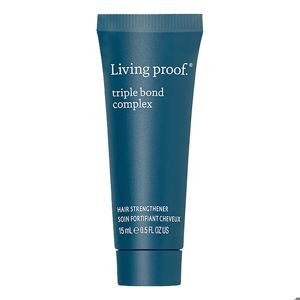
Damaged or chemically processed hair: you want a leave-in that fits into a repair routine and reduces ongoing breakage. Living proof. Triple Bond Complex (from €22.00) describes itself as a weekly intensive treatment designed to repair and protect, powered by “3D Fortifying Technology”. That schedule-based approach can complement your everyday leave-in.
Split ends and rough ends: a targeted finisher can help lengths look tidier. ghd Ghd (from €38.53) lists as a split end sealer in our leave-in category feed; the higher price suggests it suits shoppers who want a very specific final-step product.
Short version: match leave-in texture to your hair’s “tolerance” for coating, then adjust dose. Most people fix their routine by using less, not by buying a new bottle.
How to layer rinse-out and leave-in without build-up
Layering works when each product has a job. Rinse-out handles shower softness. Leave-in handles post-shower control and protection.
Here’s a routine structure that suits most hair types:
- Shampoo as normal (if your hair runs dry, consider pairing with a category like Moisturising & Nourishing Shampoos in your shopping research).
- Rinse-out conditioner mainly from mid-lengths to ends. Rinse well.
- Towel-dry until hair feels damp, not dripping.
- Leave-in conditioner applied evenly, then comb through.
- Style (air-dry, diffuse, blow-dry) without adding extra slippery layers too soon.
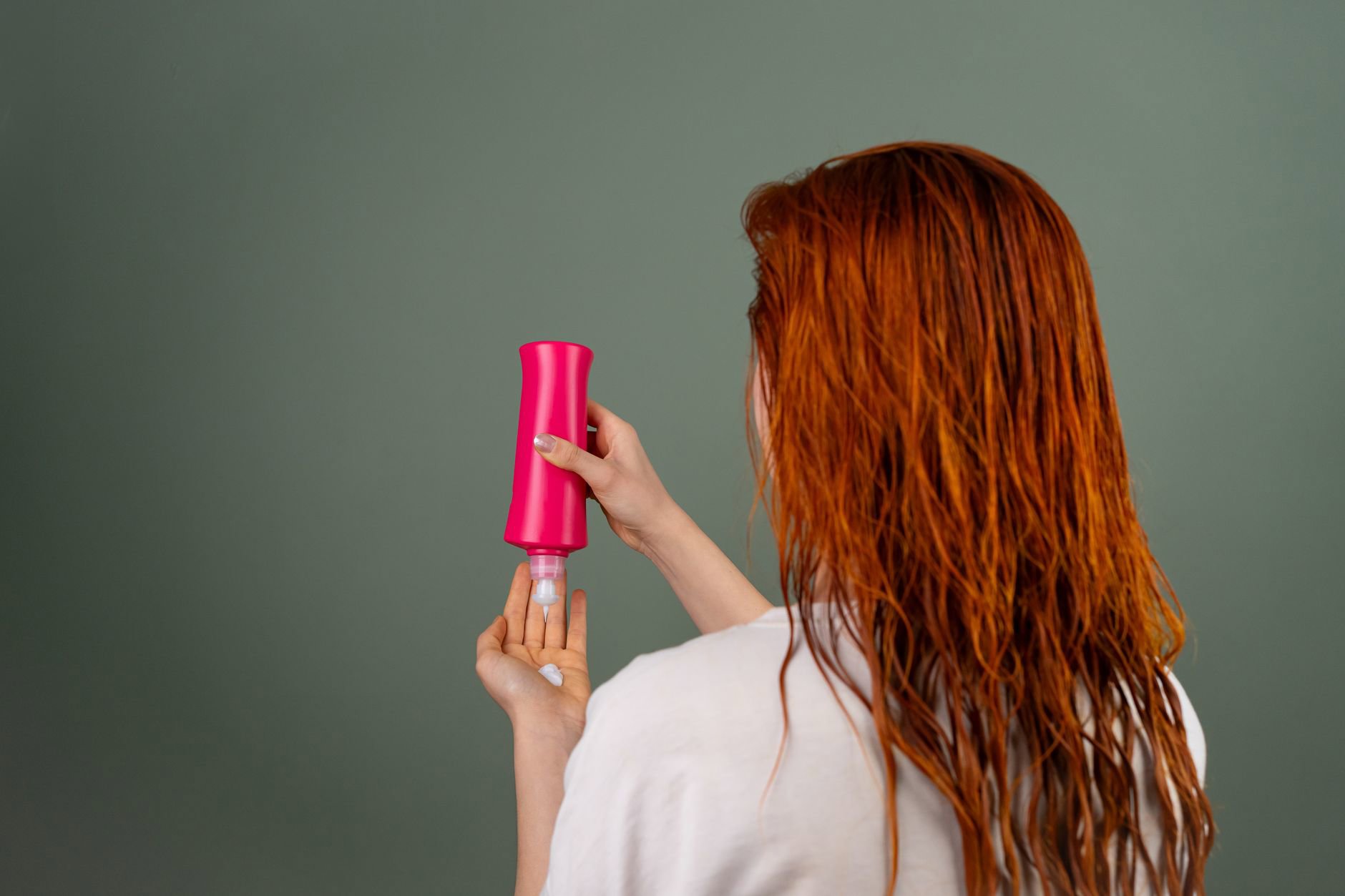
Technique matters more than people think. Apply leave-in with “prayer hands” (palms smoothing down the hair), then detangle with a wide-tooth comb. That spreads product and reduces the risk of sticky patches.
For a lightweight, everyday layer, OUAI Leave In Conditioner (from €22.54) fits the post-towel step well. For frizz-prone hair in damp weather, swap in amika Frizz-Me-Not (from €11.50) and focus on the outer layer of hair and the ends.
On heavy damage weeks, you can run a “two leave-in” plan, but keep it organised:
- Weekly repair step: Living proof. Triple Bond Complex (from €22.00) as your scheduled treatment.
- Daily manageability step: a lighter leave-in on wash days, such as amika Hydro-Rush (from €11.50) for dry hair.
Keep the roots cleaner by leaving the first 5–8 cm alone. Most build-up complaints start with product drifting too close to the scalp.
Picking a leave-in by goal: frizz, moisture, repair, or curls
Hair goals sound like marketing fluff, but they help you choose the right formula type. A leave-in can’t do everything at once, and “more product” rarely equals “more results”.
If frizz control sits at the top of your list, start with a dedicated anti-frizz leave-in rather than a heavy moisturiser. amika Frizz-Me-Not (from €11.50) explicitly positions itself around long-lasting frizz control via a protective barrier approach. For colour-treated hair that needs smoothing, Color Wow Cocktail (from €14.00) targets softening and smoothing for dry, colour-treated lengths.
If moisture and detangling matter most, choose a leave-in that calls out nourishment while staying lightweight. Nuxe Hair Prodigieux Intense Nourishing Leave-In Cream (from €20.24) describes fermented pink camellia oil plus quinoa extract, and it frames itself as a detangling, radiance-boosting leave-in.
If repair sits at the centre, decide whether you need daily support or a scheduled treatment. Daily support looks like Philip Kingsley Daily Damage Defence (from €36.80) before heat styling, while scheduled support looks like Living proof. Triple Bond Complex (from €22.00) as a weekly intensive.
If curls need shape and bounce, pick a curl-specific leave-in rather than a generic spray. Color Wow Flo-Etry Vital Natural Supplement (from €30.00) speaks to curl hydration and plumping. If you prefer a cream texture that still claims lightness, Ceremonia Guava Leave-In Conditioner (from €17.00) positions itself as “rich yet lightweight” in the description.
If you care about scent as part of the experience, note that leave-ins sit on hair all day. Sol de Janeiro Brazilian Joia Milky Leave-In Conditioner (from €27.37) explicitly references Brazilian notes like salted caramel, pistachio and almond in the set description, plus “SOL Seal Technology”. That makes it a leave-in you will actually smell on your hair.
Price-wise, our tracker regularly shows the best value sits in the mid-range sprays and creams. The €11.50 starting points for both amika leave-ins make them common “first leave-in” buys.
Shopping and value in Ireland: where the price gaps show up
Leave-in conditioner pricing swings more than people expect, because bottles last a long time and brands position them as styling aids, treatments, or both. Our price tracker often shows shoppers comparing Irish staples like Boots Ireland and pharmacy retailers with department store pricing at Brown Thomas and Arnotts.
We also see cross-border behaviour. When UK retailers ship to Ireland, some leave-ins land cheaper than local RRP, even after delivery. The catch sits in returns and restocks, so the cheapest basket does not always mean the lowest hassle.
From the products in this guide, the entry-level pricing starts at amika Hydro-Rush (from €11.50) and amika Frizz-Me-Not (from €11.50). Those sit in the “try it without commitment” bracket.
Then you have the step-up options that people tend to buy for a specific need: Color Wow Flo-Etry (from €30.00) for curls, or Philip Kingsley Daily Damage Defence (from €36.80) for heat styling support.
At the higher end, Sachajuan Intensive Repair Leave In Conditioner (from €41.04) and Color Wow Youth Juice Scalp Treatment (from €50.60) push into “treatment pricing”. That can still make sense if you use them precisely and don’t over-apply.
One quick shopping note: giftable hair sets often bundle leave-ins with other steps. If you browse Skin Care Sets you’ll see how common bundling gets in beauty generally, and hair works the same way. For this guide, stick to the leave-in inside the set and judge value by how often you will use that one product.
Practical tips you can use today (without changing your whole routine)
Start with dosing. Most adults only need a small amount: a light misting for sprays, or a pea-to-hazelnut size for creams depending on hair length and density. Add more only to the ends if they still feel rough after drying.
Apply on damp hair for the most even spread. Water helps distribute product across the fibre, and it reduces the risk of a heavy patch. If you already air-dried and you need a refresh, wet your hands first, emulsify a tiny amount of leave-in between palms, then smooth it over frizzy areas.
Try this simple “choose-your-problem” map:
- Humidity frizz: amika Frizz-Me-Not (from €11.50), applied to the outer canopy.
- Dry, tangly ends: Nuxe Hair Prodigieux (from €20.24), focused on mid-lengths and ends.
- Heat styling most days: Philip Kingsley Daily Damage Defence (from €36.80) before tools.
- Curls that lose definition: Color Wow Flo-Etry (from €30.00), then scrunch.
Keep one rule: if hair feels coated, use less next time. If hair feels dry, use the same amount but apply on wetter hair, so distribution improves.
Leave-In Conditioner vs Rinse-Out FAQ
Can you use leave-in conditioner and rinse-out conditioner together?
Yes. Rinse-out conditioner handles quick softness and detangling in the shower, while leave-in conditioner provides ongoing slip, frizz control and protection after you towel-dry. Use rinse-out first, rinse well, then apply leave-in to damp mid-lengths and ends. Keep both away from the scalp if you get build-up.
Which is better for frizz: leave-in or rinse-out conditioner?
Leave-in conditioner usually works better for frizz because it stays on the hair while it dries and faces humidity. Rinse-out conditioner improves smoothness, but you remove most of it. For damp Irish weather, a dedicated anti-frizz leave-in can help more, because it can form a light protective layer on the cuticle.
Does leave-in conditioner replace rinse-out conditioner?
Not always. Leave-in conditioner can sometimes replace rinse-out for very fine hair or quick routines, but most people get the best results using both. Rinse-out conditioner provides immediate in-shower conditioning and makes hair easier to detangle, while leave-in focuses on post-wash manageability and protection between washes.
Should you apply leave-in conditioner to wet or damp hair?
Damp hair usually works best. Hair that drips wet can dilute product too much, and nearly dry hair can lead to uneven application and heavier patches. Towel-dry until hair feels damp, then apply leave-in from mid-lengths to ends and comb through for even distribution.
How do you know if you used too much leave-in conditioner?
Common signs include limp roots, sticky or coated lengths, and hair that looks dull or separates into strings after drying. Reduce the amount next wash day and apply farther from the scalp. You can also apply on wetter hair so it spreads more evenly, then focus any extra product only on the ends.