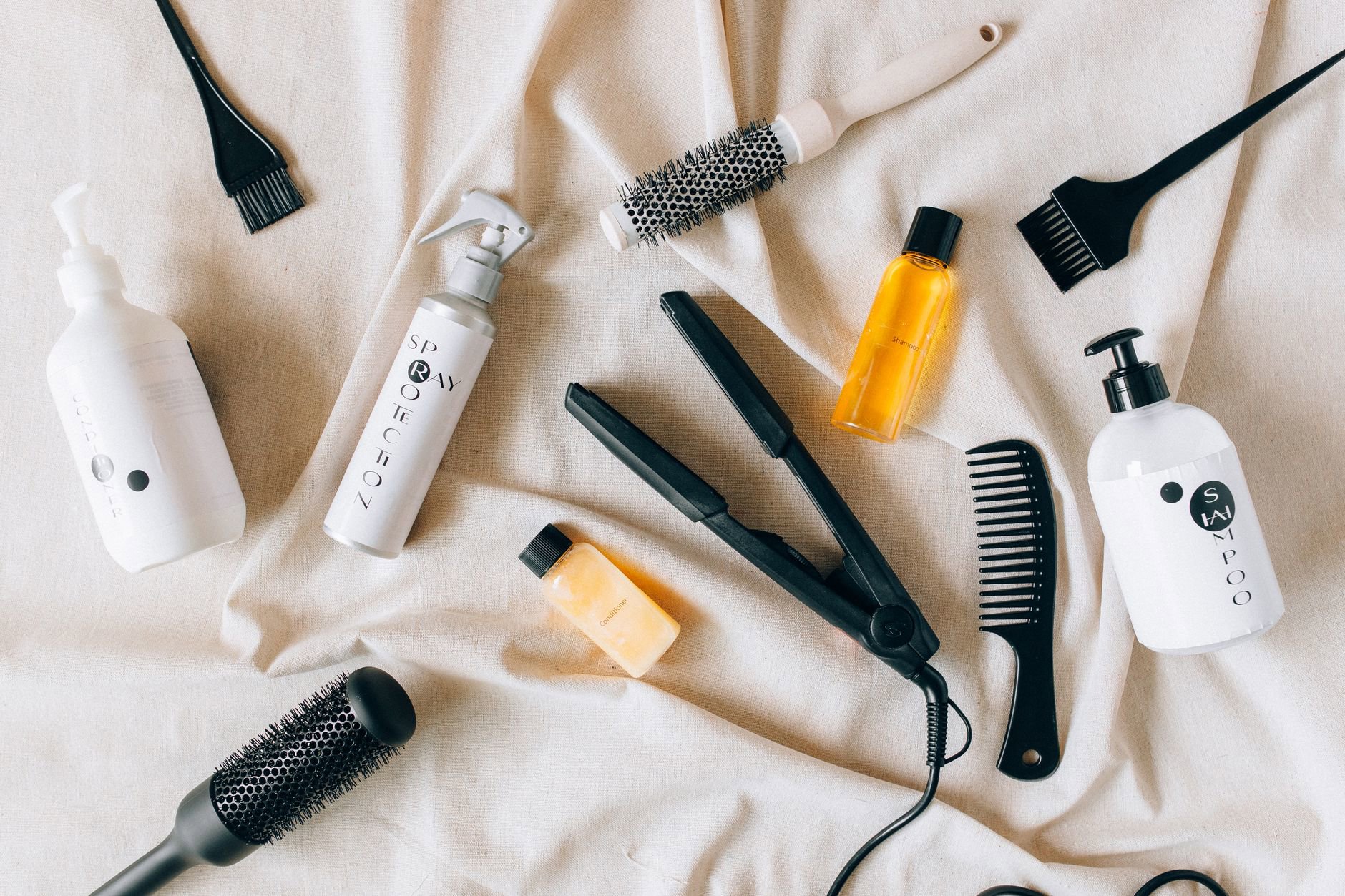
“Salon-quality” haircare sells a promise: glossy hair, less breakage, fewer bad hair days. The problem? In Ireland’s damp, mild climate, the wrong routine can leave hair coated, frizzy, or oddly flat within hours.
That’s why this week’s most useful headline for Irish shoppers isn’t another trend forecast. It’s the push from big brands towards more science-led, salon-positioned formulas (TRESemmé’s refresh sits squarely in that lane). The marketing language can feel loud, but the underlying shift is real: more bond-building claims, more heat-protection talk, and more “professional” ingredient names on high-street bottles.
Our take at GlamGeek: you can get a routine that behaves like a salon routine without paying salon prices every time. You just need to treat it like a system—cleanse, condition, treat, protect, style—and shop the right steps when the data says they’re at their best value.
In Ireland, the day-to-day hair enemies look boring on paper: humidity, hard water in some areas, frequent heat styling, and lots of indoor drying. Together, they create the classic cycle we see in reader searches: frizz at the crown, dry ends, and colour that fades too fast.
Brands now answer that with “repair” messaging, but not all repair claims mean the same thing. Some products patch the surface with conditioning agents. Others aim to reduce damage by strengthening bonds or cutting friction. Shampoo cannot glue split ends back together, and the BBC has rightly challenged haircare myths like that in recent coverage. Still, the right routine can make hair feel smoother, look shinier, and break less.
Pricing also matters more than ever. Our merchant feed shows big swings on both premium and high-street categories, especially when UK-based retailers ship to Ireland. This week, for example, the budget end offers standout value in tools and add-ons: the Morphe M202 Slanted Blush Brush sits at €12.88 on lookfantastic, while the CANTU Weightless 15+ Benefits Daily Leave-In sits at €11.50 on lookfantastic. Those aren’t “hair miracles”; they’re useful building blocks at low-risk prices.
Start with diagnosis: what your hair is doing (not what it “is”)
Most women describe their hair as a type—curly, straight, thick, fine. That helps, but it misses the part that drives results: hair behaviour changes across the week.
We suggest you label your hair by three moving factors:
- Scalp state: oily by day two, or tight/dry from overwashing.
- Mid-length condition: soft but puffy (humidity/friction) versus rough (damage/porosity).
- Ends: stretchy and weak (over-processed) or simply dry (needs conditioning and less heat).
- Water + weather: hard water build-up versus pure humidity frizz.
Why it matters: “repair” shampoos often increase conditioning, which can flatten fine hair. Stronger cleansers can lift build-up, but they can also aggravate a dry scalp. In a damp climate, many women overcorrect with heavy masks, then wonder why hair collapses at the roots.
If you follow the “Irish Curls” styling conversation on TikTok and in outlets like Byrdie/InStyle, you’ll notice a pattern: results hinge less on having the perfect curl cream and more on managing moisture balance and friction. That’s a routine problem, not a single-product problem.
Track your own pattern for two wash cycles before you buy anything. Note: how quickly roots get oily, whether frizz shows up immediately or only after brushing, and whether your ends feel better on day one but worse by day three.
Wash-day structure: cleanse twice, treat once, condition properly
Salon routines rarely rely on one shampoo-and-go. They rely on sequence. That sequence matters even more in Ireland because humidity makes product build-up show up as dullness and frizz at the same time.
Step 1: first cleanse = removal. Use your usual shampoo and focus on the scalp. You want to lift oil, styling residue, and pollution particles. If you use lots of dry shampoo or hairspray, consider an occasional clarifying wash (not every time).
Step 2: second cleanse = performance. This is where a “salon-quality” or science-led shampoo earns its keep. The second cleanse works better because the scalp is already clean, so the surfactants and conditioning polymers distribute more evenly.
Step 3: treat lengths while they’re wet. If you use a strengthening or smoothing treatment, apply to mid-lengths and ends after you squeeze out excess water. Waterlogged hair dilutes product and makes you overuse it.
Step 4: condition like you mean it. Most conditioners fail because they never sit long enough. Give it 2–3 minutes, then detangle with fingers or a wide-tooth comb. If your hair tangles easily, you’ll get better results from reducing friction than from chasing stronger “repair” claims.
Shopping tip: when you browse Moisturising & Nourishing Shampoos, check the product size and whether it’s sulphate-free or not. Neither is “best” by default. It depends on build-up, scalp comfort, and how much styling you do.
Repair talk: bonds, proteins, and what shampoo can’t do
“Repair” sits on almost every bottle now, and it means wildly different things.
Bond-building claims usually aim at strengthening inside the fibre (or at least reducing breakage in a measurable way). Protein-focused products can make hair feel stronger, but too much can make some hair feel stiff or straw-like. Surface conditioners (silicones, cationic polymers, oils) reduce friction and add shine, but they don’t rebuild internal structure.
The practical way to use this: match the “repair” type to the problem you actually see.
- If hair snaps when you brush: you need less friction plus periodic strengthening.
- If hair feels mushy when wet: you may need protein support and less heat.
- If hair feels rough but doesn’t break: you likely need better conditioning and a cut to remove damaged ends.
- If hair looks frizzy only outdoors: you need humidity control and technique, not more “repair”.
We also advise caution with headline-driven miracle ingredients. It can be useful to read about “tipped for greatness” ingredients, but hair responds to categories of ingredients (film-formers, conditioning agents, proteins) more reliably than to any single buzzword.
And yes, marketing can overreach. Shampoo won’t reattach split ends. It can, however, cleanse without stripping, reduce tangling, and improve manageability—which means less breakage over time.
Leave-ins and masks: the quickest upgrade for Irish humidity
If we had to pick the one step that most often shifts results fast, it’s leave-in conditioning. Not because it’s trendy, but because it stays on the hair when you walk into humidity.
Across our merchant feed this week, one of the best-value add-ons sits firmly in the “try it without fear” bracket: CANTU Weightless 15+ Benefits Daily Leave-In at €11.50 on lookfantastic (rated 5.0/5). We like it as a budget-friendly way to add slip and reduce friction, especially for wavy and curly textures that puff up in damp air.
How to use a leave-in so it doesn’t go crunchy or greasy:
- Apply to soaking-wet hair if you want curl clumping.
- Apply to towel-damp hair if you want smoother blow-dries.
- Use a pea-to-two-pea amount per section; add more only if hair still feels draggy.
- Keep it off the scalp unless the product states scalp-safe use.
- Seal ends with one drop of oil only if you need it. Don’t automatically do both.
Masks matter too, but frequency matters more. Many women do a heavy mask weekly and wonder why hair goes limp. In a humid climate, a lighter mask every other wash can beat a once-weekly “deep” mask.
When you shop, it helps to separate categories: browse Hair Masks for mid-length repair and slip, and reserve heavy oils for the last inch of ends only.
Heat styling without the damage spiral (and why technique wins)
Irish weather pushes a lot of women into one of two routines: constant blow-drying to avoid frizz, or constant air-drying that leaves hair puffy and tangled. Both can cause breakage if technique stays sloppy.
We see hair-dryer content spike every spring, helped by lists like “best hair dryers” coverage in UK outlets. Tools matter, but technique changes outcomes faster than a new appliance.
Try this heat-styling structure:
- Pre-dry first: towel blot, then air-dry to 70–80% before you pick up heat.
- Use tension, not temperature: a brush plus steady tension often beats max heat.
- Section properly: four to six sections for shoulder-length hair; more if it’s thick.
- Finish cool: 10–20 seconds of cool air to set and smooth the cuticle.
If your hair looks smooth indoors but frizzes outside, you likely need more humidity resistance. Look for leave-ins that mention anti-frizz or smoothing, and avoid stacking too many products. Too many layers can attract moisture and swell the hair shaft.
One more shopping reality check: some “salon” lines price themselves like luxury skincare. Our price tracker shows premium skincare at 12-month lows right now—Augustinus Bader The Rich Cream sits at €92.00 on lookfantastic (lowest in 12 months). That’s skincare, not hair, but it signals how aggressive discounts can get on UK-based sites shipping to Ireland. Haircare sees similar promo rhythms. If you want salon positioning without salon pricing, timing matters.
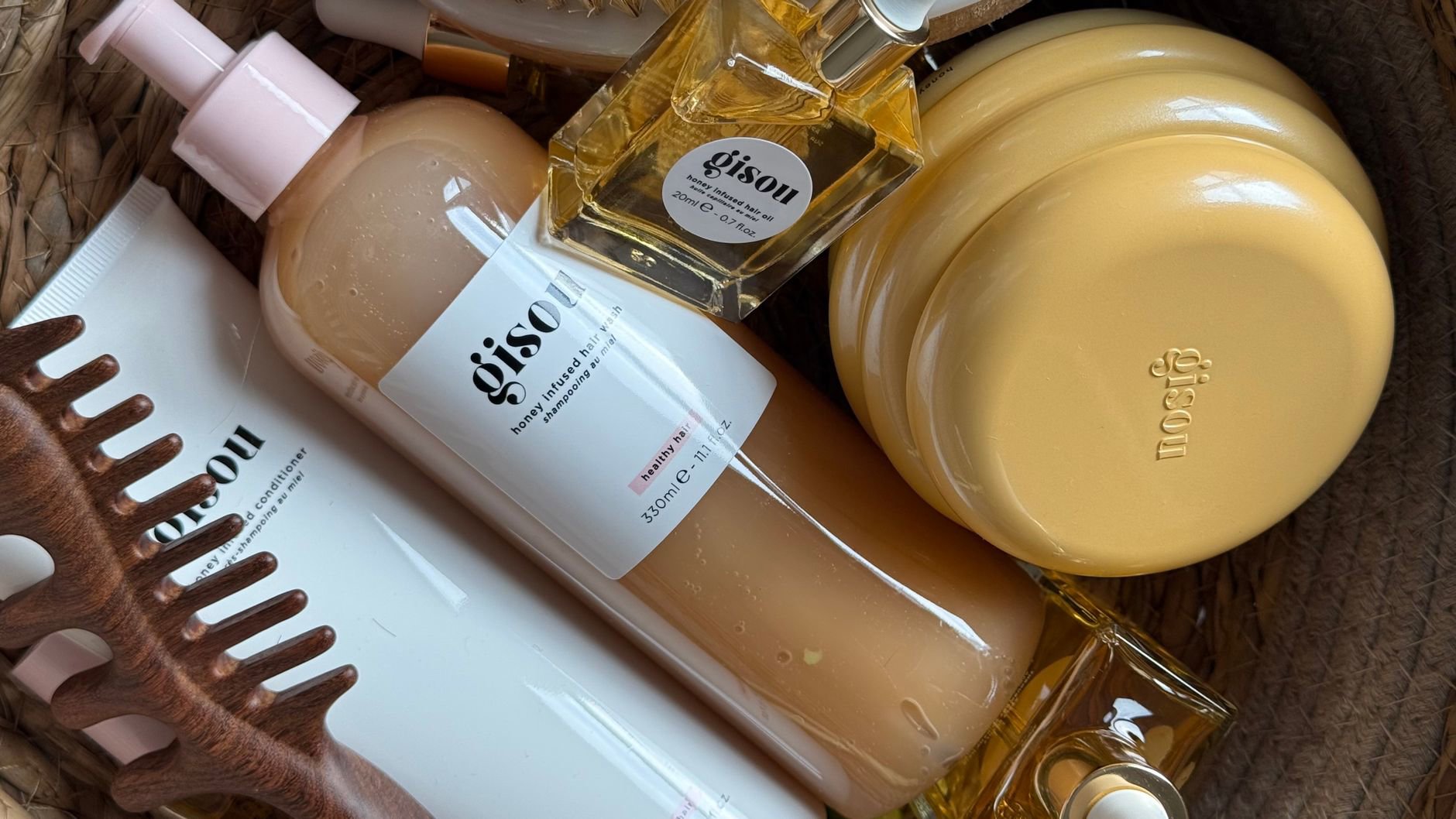
Budget swaps that still feel polished (where to spend, where to save)
We’d spend more on the steps that stay on your hair: conditioner, mask, leave-in, heat protectant. We’d save on steps that wash down the drain, unless you have a sensitive scalp that needs a gentler cleanser.
Here’s how to build a polished routine with controlled spend:
- Shampoo: pick for scalp comfort first. If you colour your hair, avoid overly harsh cleansing too often.
- Conditioner: spend here if you struggle with tangles or breakage.
- Leave-in: this is where the biggest day-to-day difference shows up in Irish humidity.
- Tooling: a better brush and better sectioning clips can beat a pricier serum.
On tools, our tracker flags a small but useful deal: the Morphe M202 Slanted Blush Brush at €12.88 on lookfantastic (rated 5.0/5). It’s a makeup brush, but many women repurpose dense angled brushes for smoothing hairlines with styling products. It’s not essential, but it’s a low-cost upgrade if you already shop Makeup Brushes & Applicators and want a multi-tasker.
Retailer note for Ireland: Boots Ireland often wins on convenience and click-and-collect, while lookfantastic can win on deeper promos for specific brands. McCauley Pharmacy and Meaghers Pharmacy can surprise on hair bundles and seasonal promotions, but stock varies by county.
If you like browsing by brand, it’s worth keeping a shortlist. We often see strong promo cycles around Garnier for high-street care and Kérastase for salon-positioned ranges, though exact prices move week to week.
Finishing: frizz control, shine, and that “done” look that lasts
Finish determines whether hair looks expensive.
In damp air, a lot of “frizz” starts as friction plus static plus a rough cuticle. You fix that with glide and film-formers, not with heavier oils alone. Oils can add shine, but too much can separate strands and make hair look stringy.
Try this finishing order:
- Smoothing cream through mid-lengths and ends first.
- Heat protectant before hot tools (even if you “only” blow-dry).
- Light serum on ends only once hair cools.
- Flexible hairspray at the end if you need hold in humidity.
- Edge control for flyaways only at the hairline, applied with fingertips.
If you love fragrance in hair, consider a light mist rather than a heavy perfumed oil. Just keep alcohol-heavy sprays away from brittle ends. If scent is your thing, browse Eau de Parfum Perfumes for your signature and keep hair products functional.
One last reality check: shine also comes from cleanliness. If you use leave-ins daily, clarify occasionally. Hair that feels “dry” can actually have build-up that blocks moisture and makes it feel rough.
Smart shopping in Ireland: when “salon-quality” is worth it
We watch pricing patterns, and “professional” positioning tends to follow a predictable arc: launch hype, then discounting. That’s why we don’t love paying full price unless your hair truly needs a specific formula right now.
Use these rules of thumb:
- Buy the full-size of a new shampoo only after you’ve checked scalp comfort for two weeks.
- Buy leave-ins and masks when you see meaningful discounts, because you’ll use them long-term.
- Prioritise the steps that reduce breakage: slip, detangling, heat protection, and gentle drying.
- If you shop UK-based retailers shipping to Ireland, check delivery thresholds and returns. A “deal” can vanish once shipping kicks in.
Our tracker’s bigger point this week: price drops aren’t confined to one tier. Premium skincare like Dr. Barbara Sturm Hyaluronic Serum sits at €97.75 on Cult Beauty (12-month low), while practical budget staples sit under €15. The market now trains shoppers to wait for dips. Haircare buyers should do the same when the “salon-quality” label inflates the RRP.
If you want a tight edit of what to keep on hand, build a small wardrobe: one cleansing shampoo, one gentler shampoo, one conditioner, one mask, one leave-in, one heat protectant, one finishing product. Anything beyond that should earn its space.
What this means for Irish women shopping haircare now
The science-led shift in high-street haircare can help, but only when you treat products as roles in a routine. You don’t need ten bottles. You need a sequence that reduces friction, manages humidity, and avoids overloading the roots.
From a value point of view, our data keeps pointing to the same strategy: spend where results stay on the hair, and use price dips for upgrades. This week’s low-risk add-on sits in plain sight: CANTU Weightless 15+ Benefits Daily Leave-In at €11.50 on lookfantastic (rated 5.0/5). Pair it with better wash-day structure and careful heat technique, and many hair complaints soften fast.
And remember: Ireland’s lack of strong sun for much of the year doesn’t remove the need for protection. For hair, the daily stressors often come from heat styling and friction, not UV alone. Get the basics right first.
Which step in your routine causes the most frustration right now—frizz after drying, breakage when brushing, or roots that collapse too quickly? Tell us what your hair is doing, and we’ll point you towards the most cost-effective fix to try first.