“Sustainable beauty” used to mean one thing in real life: paying more.
That assumption looks shakier in 2026. The sustainability conversation has shifted from vague promises to practical programs—clean-up initiatives, packaging changes, and “value” framing that asks brands to prove their worth. And for women shopping in the US, that shift matters most when it hits the register.
We’re seeing the same pattern in our pricing feed: the best way to buy less (and waste less) often starts with buying smarter, not buying pricier. This week alone, our tracker shows steep discounts and 12‑month lows that make it easier to choose fewer, better products—without paying full price.
The stronger angle in 2026: sustainability as “value,” not virtue
The headlines this month lean hard into one theme: the new era of beauty runs on sustainable value. Industry outlets have framed it as a shift from volume to value, while councils and coalitions keep pushing waste-reduction campaigns and brand accountability. That is the genuinely useful story for US shoppers, because it changes how women can build routines.
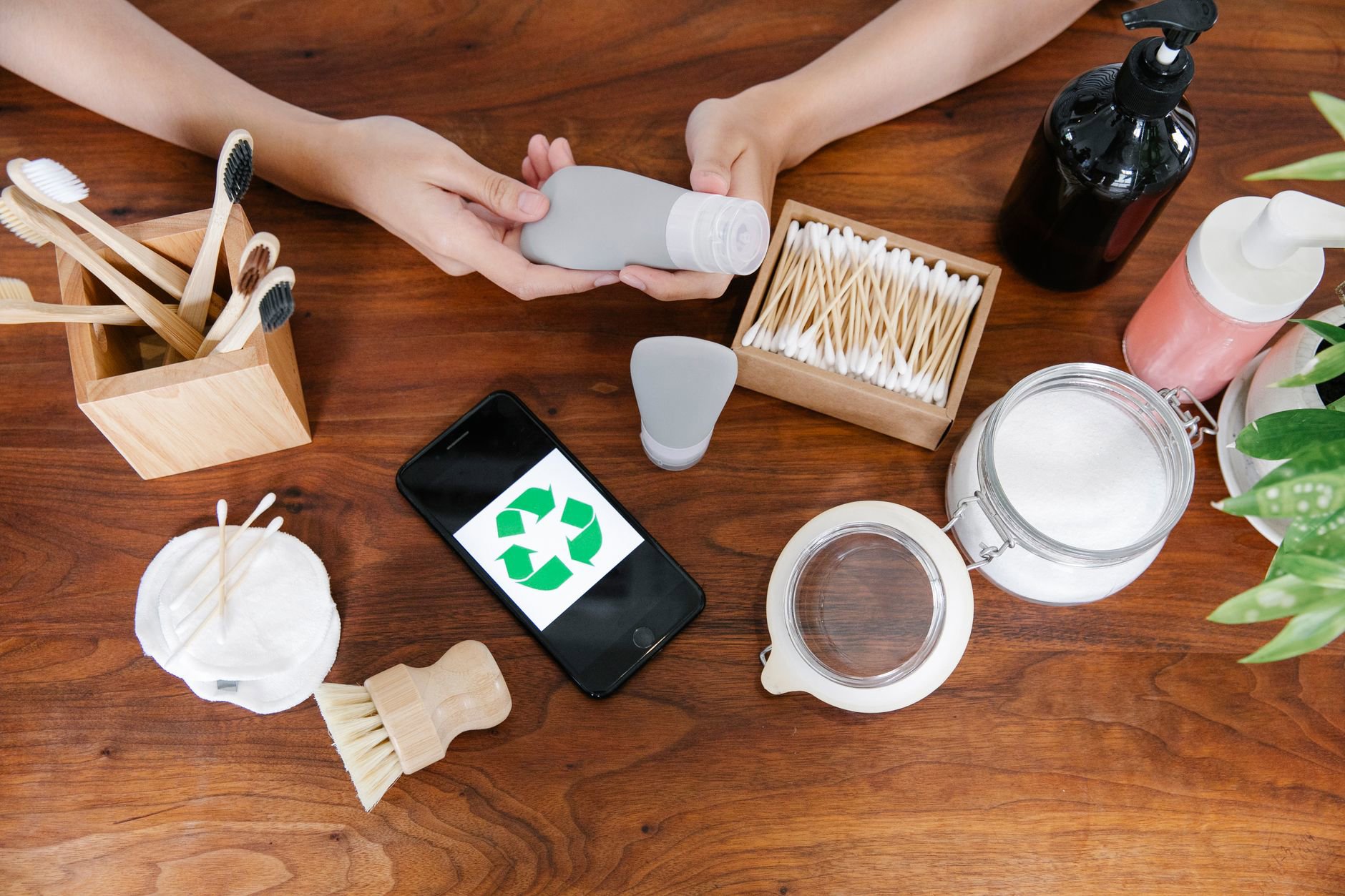
“Value” does not mean “cheap.” It means a product earns its place: fewer steps, fewer backups, fewer impulse buys, and fewer half-used bottles that expire in a drawer. It also means packaging, refills, and recycling options become part of the purchase decision—right alongside performance.
Our price tracker supports the same idea from the other direction. When a product hits a true low, it becomes easier to commit to a core routine and stop chasing constant novelty. For example, StriVectin Tighten And Lift Advanced Neck Cream Plus sits at $15.00 at Dermstore right now (a 12‑month low in our feed). That’s not a “buy ten” moment. That’s a “buy one, finish it, and skip the clutter” moment.
We’ll keep this US-specific and practical: what to buy, what to skip, and how to reduce waste without turning your routine into a full-time project.
What our price data says: deals can support a lower-waste routine
Price swings change behavior. When staples stay expensive, shoppers tend to “experiment” with minis, backups, and trend products that feel lower-commitment—then wind up with leftovers. When staples drop, it becomes easier to stick to a simple plan.
This week, the steepest drop in our merchant feed is a haircare outlier: ARKIVE Headcare All Day Extra Conditioner fell from $117.20 to $26.91 (77% off) at lookfantastic. That kind of discount encourages a single, decisive purchase—one conditioner you actually use up—rather than three “maybe” bottles bought at full price.
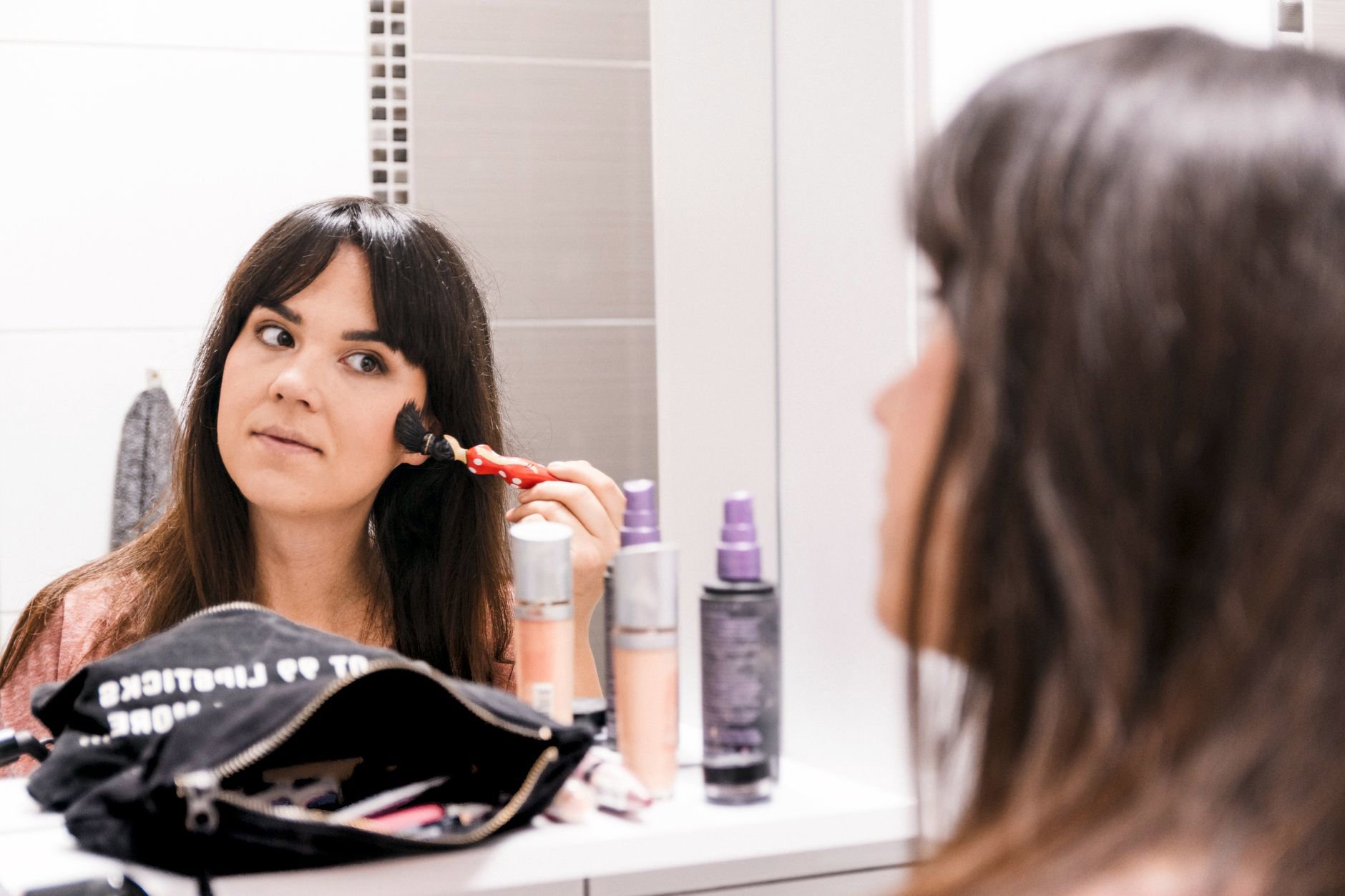
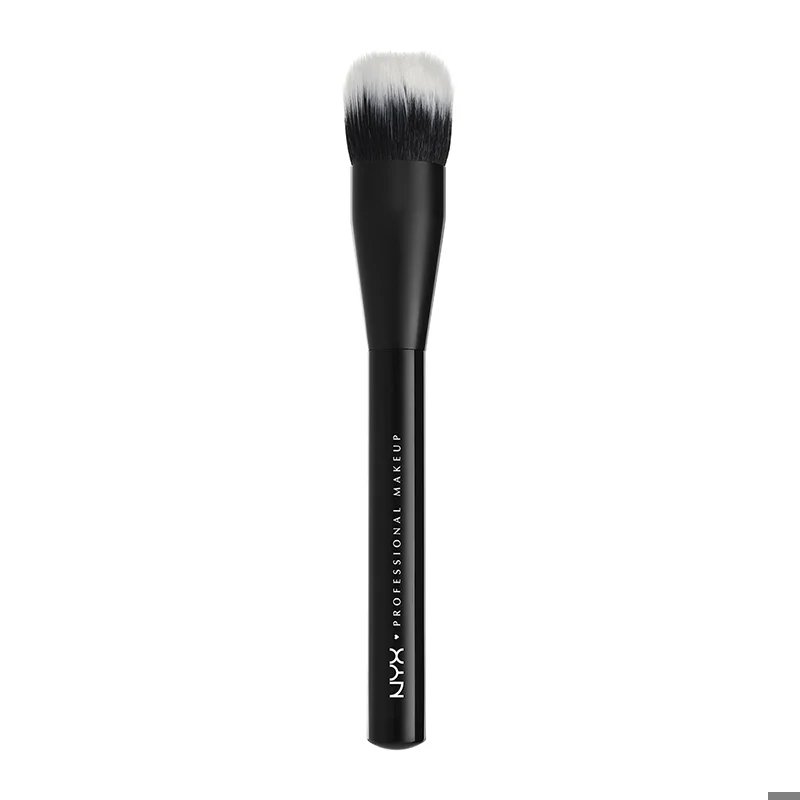
We also see “value” show up in tools and multi-use items. The NYX Pro Multi-Purpose Buffing Brush appears in our feed at $16.10 and also $12.08 (both at lookfantastic) with a 5.0/5 rating. A reliable face brush can reduce waste in a quiet way: fewer disposable sponges, fewer failed foundation experiments, and less product lost to streaky application.
And on the skin side, our feed shows targeted treatment products at true lows: StriVectin SD Advanced Intensive Concentrate for Wrinkles and Stretch Marks Serum sits at $11.20 at Dermstore (12‑month low). That price makes it easier to choose one treatment and commit, instead of buying overlapping actives that don’t play nicely together.
Build a “finishable” routine: fewer steps, bigger impact
If sustainability is the goal, the most effective move is also the least glamorous: pick a routine you can finish. A finishable routine has three qualities: it covers the basics, it avoids redundant actives, and it fits your climate and schedule.
Start with a tight core: cleanser, moisturizer, and SPF in the morning; cleanser and moisturizer at night. Then add one active at a time. GlamGeek readers who live in humid southern states often tolerate lighter layers, while women in dry western climates may need richer textures and fewer exfoliation days. Cold northeastern winters tend to punish over-cleansing and high-percentage actives.
Where women go wrong: they buy a vitamin C serum, a retinol cream, an exfoliating toner, and a “brightening” mask all at once—then stop using half of them when irritation hits. That’s wasted money and wasted product.
If you want a budget-friendly active that still feels “worth it,” our feed flags Garnier Anti Dark Spot Night Serum 10% Pure Vitamin C And Hyaluronic Acid at $14.72 at lookfantastic (rated 5.0/5). Vitamin C can support brightness and uneven tone, while hyaluronic acid supports hydration. Keep the rest of your routine boring while you test tolerance.
For women who want a straightforward night active, Revolution Retinol Overnight Cream is $17.00 at Revolution Beauty (rated 5.0/5). Retinoids can help with texture and fine lines, but they demand consistency. Buying one retinol product you’ll finish beats buying three that you “rotate” until they expire. If you shop Revolution regularly, track price dips and buy when you’re halfway through your current jar—not when you’re feeling impulsive.
Packaging reality check: what actually reduces waste in the US
Brands love to talk about “recyclable” packaging. US shoppers need to translate that into what your local system will accept. Many municipal recycling programs still struggle with mixed materials, small components, pumps, droppers, and anything with product residue.
So what helps most?
- Bigger sizes you’ll finish (when you already like the formula). One 12 oz bottle often uses less packaging than two 6 oz bottles.
- Fewer parts: tubes and simple caps usually beat pumps and multi-piece lids.
- Refills when they exist and when you’ll commit to the base product.
- One tool that lasts instead of disposables.
This is where retailer tier matters. Target and CVS tend to stock simpler packaging at lower price points, while Sephora and Bluemercury stock more complex packaging in prestige ranges. That doesn’t make prestige “bad,” but it does mean you should be stricter: if you buy luxe, buy what you’ll finish.
When you shop body wash, think the same way. Our feed shows ESPA Positivity Bath & Shower Gel down from $23.00 to $11.50 (50% off) at lookfantastic. If you already know you like an aromatherapy-style wash, that discount supports a single larger purchase instead of a pile of seasonal scents. You can also browse Shower Gels & Body Washes and compare price-per-ounce across retailers before you commit.
High-tech tools: buy once, or skip entirely
Tech tools keep showing up in “self-care” headlines for a reason: when they work, they replace repeat purchases. When they don’t, they become expensive clutter.
Our feed flags Foreo Faq at $482.14 at lookfantastic, which is a 12‑month low in our tracker. That’s still a serious spend. The sustainability case only works if you will use it consistently for years and if it replaces a cycle of buying short-lived gadgets.
Before you buy any device at this price tier, run a simple checklist:
- Does it replace something you already buy? (For example, frequent sheet masks, single-use eye patches, or repeated “trial” tools.)
- Can you clean it easily? A tool that’s annoying to clean becomes a tool you stop using.
- Do you have storage? Visual clutter often turns into product waste.
- Will you still use it in six months? Trend-driven tech often fades fast.
If the answer is “maybe,” we’d rather see women invest in a better application tool first. A good brush can reduce product waste immediately, especially with liquid base products. The NYX Pro Multi-Purpose Buffing Brush at $12.08 (or $16.10) gives you that functional upgrade without the long-term commitment of a device. You can also compare options in Makeup Brushes & Applicators and prioritize multi-use shapes over niche tools.
When “viral” trends clash with sustainability (and what to do instead)
Trend trackers and TikTok roundups push volume: more launches, more “hacks,” more novelty. That can be fun, but it also creates the fastest waste cycle in beauty.
We’re not here to scold anyone for liking trends. We’re here to make them less expensive and less wasteful. The rule we recommend: treat trends as technique-first, product-second. If a look relies on placement or layering, you can often recreate it with what you already own.
Take the endless cycle of bronzing and sculpting. Instead of buying three new cream products to try a look, start with one dependable formula when the price supports it. Our feed shows Natasha Denona Hy-Sculpt Liquid Bronzer down from $39.10 to $19.55 (50% off) at lookfantastic. If you’ve been curious, that discount makes it a more reasonable “one-and-done” purchase.
Use it in a controlled way so it doesn’t become another abandoned bottle:
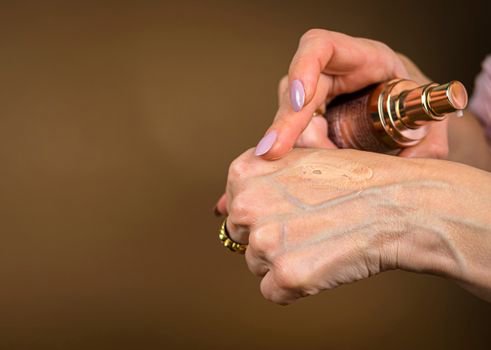
- Apply half a pump (or a tiny dot) to the back of your hand first.
- Pick up product with a dense brush, then tap off excess.
- Place it high on the cheekbone and around the perimeter, then blend upward.
- If you wear liquid foundation, blend bronzer before powder. If you wear tinted moisturizer, you can do bronzer after base.
If eye looks trend hard in your feed, the same logic applies: buy one palette you’ll use, not five you’ll “collect.” The Natasha Denona Essential Duo Eyeshadow Palette sits at $16.68 (down from $33.35, 49% off) at lookfantastic. Two shades can cover a lot: a wash, a soft wing, a one-and-done shimmer. If you want to compare formats and color stories, start with Eye Shadow Palettes and filter for what you will actually wear to work and weekends.
Luxury at a low: when a 12-month low still doesn’t equal value
Some prices look “better” while still being objectively huge. Sustainable value requires a tougher filter at the luxury tier, because the cost of an unused product—financially and environmentally—stings more.
Our tracker shows Clé de Peau Beauté La Crème at $645.90 at lookfantastic, which is its lowest price in 12 months in our feed. That number may tempt women who watch luxury pricing. It is also the clearest example of why “on sale” and “worth it” don’t always match.
Here’s our take: if you already buy a prestige moisturizer and you reliably finish rich creams, a true low can make sense. If you tend to rotate moisturizers, chase new launches, or react to fragrance, skip it. Sustainable shopping rewards repeat behavior, not aspirational carts.
If you want a more grounded way to shop moisturizers, set a rule: only buy when you are within two weeks of running out. Then compare across retailers that serve your tier—Sephora and Nordstrom for prestige, Target and Walgreens for drugstore—and keep a shortlist. You can also use category browsing like Day Face Moisturisers or Night Face Moisturisers to avoid getting pulled into “limited edition” distractions.
Luxury sets can also create waste when they include filler. If you love sets, choose ones that match your actual routine, not your fantasy routine. GlamGeek’s deal pages for Skin Care Sets can help you compare what’s inside before you commit.
Hair and body: the easiest place to cut waste fast
If your goal is less waste with minimal effort, hair and body care often deliver the quickest wins. The formulas change less frequently than skincare trends, and women tend to finish them faster.
Conditioner sits at the center of this. If you buy the wrong one, you use more product, add more styling products to compensate, and still feel unhappy with your hair. When you buy the right one, you simplify.
This week’s standout is the ARKIVE drop: ARKIVE Headcare All Day Extra Conditioner at $26.91 (down from $117.20) at lookfantastic. That discount invites a practical approach: buy one bottle, commit to it for a month, and see if you can reduce the rest of your styling stack. If you want to compare alternatives, browse Moisturising & Nourishing Conditioners and focus on slip and detangling first. Those features reduce breakage and reduce the “need” for extra products.
For a lower-price, high-satisfaction staple, our feed also flags Garnier Ultimate Blends Nourishing Hair Food at $9.19 at lookfantastic (rated 5.0/5). Multi-use hair masks often work as conditioner, leave-in (in small amounts), or a pre-shampoo softening step. That flexibility supports a smaller routine. If you already shop Garnier, watch for price dips and stock only when you’re about to run out.
On the body side, a single scent you’ll finish beats a shelf of half-used shower gels. The ESPA Positivity Bath & Shower Gel at $11.50 can be that “one bottle” choice if you like spa-style fragrance. If you prefer fragrance-free, keep it simple and focus on a body lotion you’ll actually apply daily, not a jar that feels too fussy.
What this means for US shoppers right now
The sustainability push is real, but the best results won’t come from guilt-buying “green” products at full price. They’ll come from routines that women can repeat, afford, and finish.
Use the “value” lens and you’ll waste less almost automatically:
- Pick one active (vitamin C or retinol), not a pile of overlapping treatments.
- Buy tools that last, like a solid brush, before you buy high-ticket devices.
- Shop price lows to commit to staples, not to hoard backups.
- Choose hair and body products that reduce the need for extra steps.
Also: shop with the US promo calendar in mind. Sephora’s seasonal savings events and Ulta’s 21 Days of Beauty tend to reward planning. If a product in your routine rarely discounts, that’s when you prioritize points or sets. If it discounts often, wait.
Tell us what you’re trying to use up
Which category creates the most waste in your routine right now—skincare, makeup, hair, or body?
If you share what you’re trying to finish (and what keeps distracting you), we’ll point you to the most “value-aligned” swaps and the price dips worth watching.