Benzoyl peroxide and salicylic acid treat acne in very different ways, so the “right” one depends on the kind of breakout you get.
If your acne looks red, tender, and inflamed, benzoyl peroxide often makes more sense because it targets acne-causing bacteria and helps calm that angry cycle. If your acne looks like clogged pores—blackheads, whiteheads, bumpy texture—salicylic acid usually fits better because it decongests the pore lining.
And yes, you can use both. But only with rules. The fastest results come from choosing the active that matches the lesion type, then using it consistently enough to see a full cycle.
We track acne and spot-treatment pricing across major retailers, and the data is blunt: the “best” option usually isn’t the priciest—it’s the one people can afford to repurchase and use steadily for 8–12 weeks.
The basics: what each ingredient actually does
Salicylic acid (a beta hydroxy acid, or BHA) works inside the pore. It exfoliates and helps loosen the mix of oil and dead skin that forms clogs. That makes it a strong match for comedonal acne: blackheads, whiteheads, and rough, congested texture.
Benzoyl peroxide (BP) works differently. It releases oxygen in the follicle environment, which makes it hostile for acne-causing bacteria. That’s why BP tends to shine on inflamed pimples and pustules, where bacteria and inflammation drive the problem.
Two practical implications follow.
First: salicylic acid often improves “tiny bumps” and visible pores faster than it improves deep, sore pimples. Second: benzoyl peroxide often shrinks the big, red stuff faster than it smooths overall texture.
Also worth knowing: both can irritate. Not because they are “bad,” but because they change how skin behaves. The goal is enough active to get progress, not so much that you trigger peeling, stinging, and rebound oil.
Which to choose by acne type (and by skin type)
Start with the breakout type. Then adjust for sensitivity.
If you mostly get blackheads and whiteheads, salicylic acid usually wins. A simple, low-cost entry point sits in our tracker: The Ordinary Salicylic Acid 2% Solution (from $6.25). The brand positions it for congestion and textural irregularities, and that’s exactly the use case.
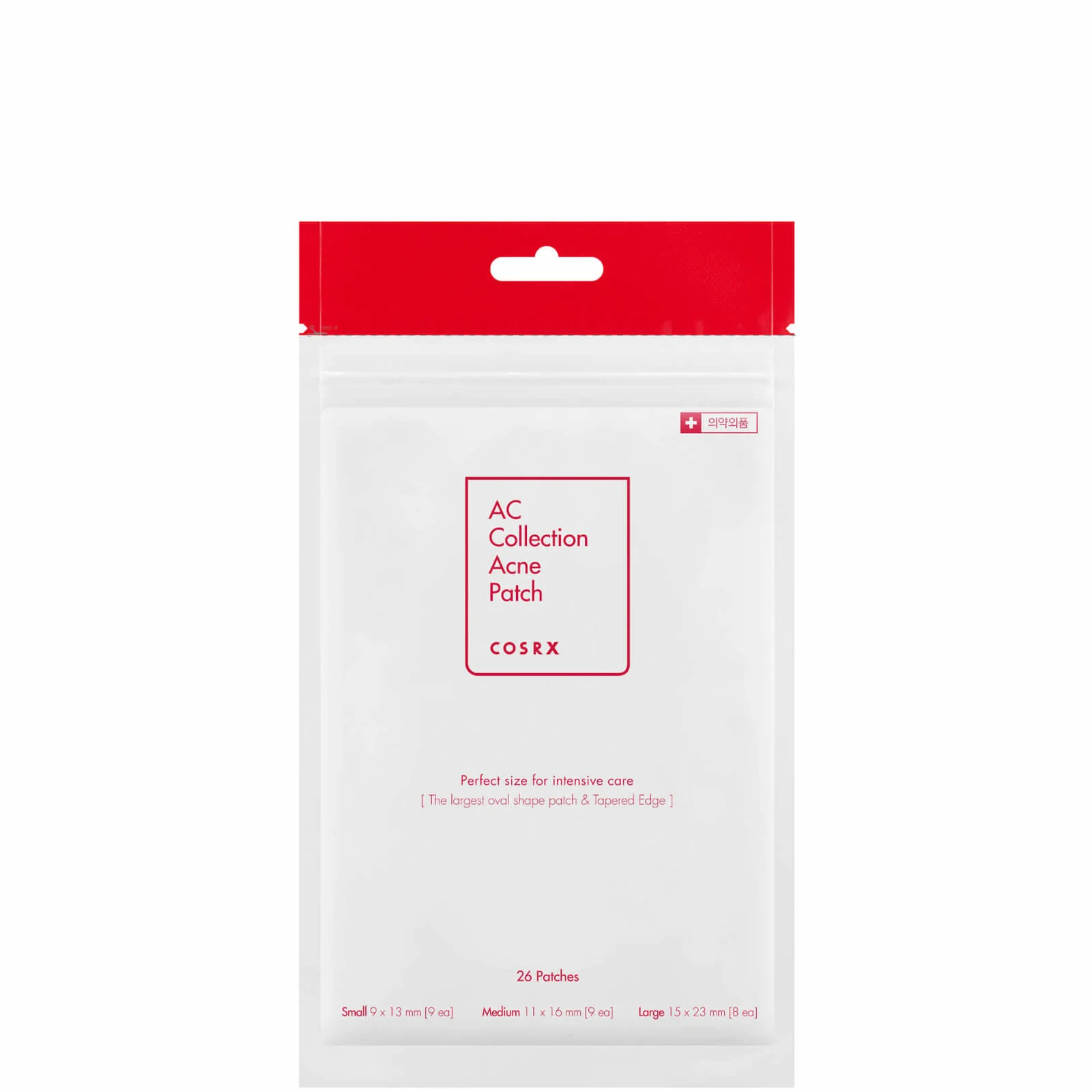
If you mostly get inflamed pimples you want to stop picking, hydrocolloid patches can help, even though they don’t replace an active like BP. They act like a physical shield, and they can absorb fluid from a surfaced blemish. We see consistently low “entry prices” for patches across retailers, which makes them easy to keep on hand: CosRx Acne Pimple Master Patch (from $4.85) and Hero Mighty Patch Invisible+ 39 Pieces (from $8.70). For chin-specific placement, there’s Hero Mighty Patch Chin (from $12.99).
If you get a mix—clogs plus occasional big red spots—consider salicylic acid as the “background” decongestant and patches as the “do not touch” tool when a pimple surfaces. That combo often improves the overall pattern without overdoing actives.
If your skin gets irritated easily, choose your delivery format carefully. Ultra-targeted products often feel easier to tolerate than full-face layers. Example: Mario Badescu Drying Patch (from $10.80) uses salicylic acid plus niacinamide and tea tree extract in a thin sticker format designed to camouflage. Less surface area, fewer surprises.
One more nuance: if your “acne” looks more like dark marks that linger after breakouts, you may need a spot corrector alongside acne control. That’s not the same goal, and it changes what “works.” Eucerin Even Brighter Spot Corrector (from $18.90) targets hyperpigmentation with thiamidol, an ingredient described as clinically proven to reduce melanin production.
Salicylic acid: how to use it without stalling out
Salicylic acid performs best when you keep it boring and consistent.
If you want one straightforward leave-on, The Ordinary Salicylic Acid 2% Solution (from $6.25) gives you a clear concentration in a water-free, oil-like texture that the brand frames as gently decongesting. People often over-apply BHAs. Don’t. Start with a thin layer on the congested zones.
Prefer a salicylic acid step that you rinse off? CosRx Salicylic Acid Daily Gentle Cleanser (from $8.95) positions itself as non-drying for daily use while helping remove impurities and excess sebum. A cleanser format can feel easier if your skin freaks out with leave-ons.
For “one-and-done” spots, the classic is Mario Badescu Drying Lotion (from $17.00). The brand describes a blend of calamine and salicylic acid to help soothe and clear pimples and whiteheads overnight. It’s targeted, not subtle, so keep it strictly on the blemish.
When to expect results? Many people see smoother texture and fewer new clogs in 2–4 weeks if they use it consistently. Blackheads often take longer. Give it 8 weeks before you declare it “not working.”
Benzoyl peroxide: why it works (and why it irritates)
Readers ask us for benzoyl peroxide picks constantly, but here’s the catch: the acne and spot-treatments list for this guide includes salicylic acid treatments, patches, a retinol serum, and devices—no benzoyl peroxide products appear in the verified product set.
So we won’t pretend otherwise or slip in off-list options.
What we can do is help you decide when BP makes sense, what to expect, and how to avoid common mistakes—then show alternatives from our verified list that cover similar needs (inflammation control, “do not pick” protection, and pore clearing).
Where benzoyl peroxide usually fits best: inflamed pimples, pustules, and breakouts that seem to spread. BP often works faster than acids on redness because it targets bacteria-driven acne. Most people judge BP in 1–2 weeks for “less angry pimples,” but you still need 8–12 weeks for stable control.
Why BP irritates: it can disrupt the skin barrier if you start too often or layer too much. People then quit, restart, and repeat the cycle. In our pricing data, that stop-start pattern often costs more than buying a slightly better tolerated product once.
If you can’t tolerate BP or you can’t find a good fit: use salicylic acid for congestion plus hydrocolloid patches for active lesions. For inflammation-prone spots that you touch all day, patches do real work by blocking friction and fingers.
- CosRx Clear Fit Master Patch (from $6.00): ultra-slim patches designed to protect skin and speed healing; thin enough for under makeup.
- CosRx Master Patch Intensive (from $16.25): hydrocolloid patches infused with tea tree oil, positioned as a more intense option.
- Hero Mighty Patch Invisible+ 39 Pieces (from $8.70): clear, medical-grade gel patches that create a barrier to deter picking.
- Hero Mighty Patch Chin (from $12.99): shaped for a high-friction breakout zone.
BP also has a fabric-staining reputation (towels, pillowcases). If that risk matters, patches look safer for overnight protection.
Can you combine them? Yes—use a “separation” strategy
Combining salicylic acid and benzoyl peroxide can help mixed acne, but irritation rises fast if you stack them in the same session.
We prefer a separation strategy: split by time, split by area, or split by days. That keeps the barrier calmer, which often keeps the routine consistent.
Three combination patterns that usually make sense
- Time split: salicylic acid in the morning, BP at night (or the reverse).
- Area split: salicylic acid on clogged zones; BP only on inflamed lesions.
- Day split: salicylic acid 3–5 nights a week; BP on alternate nights.
- Patch assist: use a hydrocolloid patch as the “spot step” instead of layering more active on irritated skin.
Even without BP products in this guide, you can still apply the same logic using our verified acne options: leave-on salicylic for pore traffic, and patches for single lesions.
A solid “clogs + spot” pairing from this list looks like: The Ordinary Salicylic Acid 2% Solution (from $6.25) on congested zones plus CosRx Clear Fit Master Patch (from $6.00) on the specific blemish.
Want something that supports post-acne texture while you control breakouts? Retinol can help some blemish-prone routines, but start slowly. CeraVe Resurfacing Retinol Serum With Ceramides & Niacinamide For Blemish-Prone Skin (from $5.20) sits at a very low tracked entry price for a retinol-format serum, and the product name signals a blemish-focused positioning with ceramides and niacinamide.
Timelines and what “working” looks like (without false promises)
Most acne treatments fail because people expect week-one perfection.
Here’s a more realistic way to track progress.
Week 1–2: You look for reduced tenderness, smaller-looking lesions, and fewer “new” inflamed bumps. With salicylic acid, you might see less oiliness and smoother texture first. With patches, you look for less picking and flatter spots by morning.
Weeks 3–6: You judge the pattern. Fewer new clogged pores. Shorter lifespan of pimples. Less “chain reaction” acne in the same area.
Weeks 8–12: You evaluate the routine, not a single spot. If breakouts still appear but resolve faster and leave less lingering discoloration, that still counts as progress.
If dark marks bother you after acne calms down, you shift the goal. That’s when options like Eucerin Even Brighter Spot Corrector (from $18.90) and Perricone MD Fg Vitamin C Ester Intensive Dark Spot Treatment (from $21.05) start to make sense. Perricone MD positions it as a serum solution that visibly diminishes dark spots and tonal irregularities over time, using three types of vitamin C including Vitamin C Ester.
One warning: don’t treat post-acne marks like active acne forever. You can end up over-exfoliating skin that no longer needs it.
Choosing from our tracked acne options (prices, roles, and who they suit)
If you want a shopping list that matches the BP vs salicylic decision, here’s how we’d map the products we can verify.
For pore clogs and bumpy texture (salicylic acid leave-on): The Ordinary Salicylic Acid 2% Solution (from $6.25). Best when blackheads and closed comedones drive your acne story.
For daily “keep pores clear” support (salicylic cleanser format): CosRx Salicylic Acid Daily Gentle Cleanser (from $8.95). This can suit people who hate leave-on acids, or who want a simpler routine.
For a single surfaced pimple you might pick (hydrocolloid): CosRx Acne Pimple Master Patch (from $4.85) gives you 24 patches. If you want ultra-thin under makeup, CosRx Clear Fit Master Patch (from $6.00) targets that use.
For a more “intense” patch option: CosRx Master Patch Intensive (from $16.25) includes tea tree oil in the patch, per the product description.
For a patch that looks invisible and blocks touching: Hero Mighty Patch Invisible+ 39 Pieces (from $8.70) uses medical-grade gel patches meant to create a protective barrier.
For chin breakouts (high friction zone): Hero Mighty Patch Chin (from $12.99).
For the classic overnight “dot” treatment (salicylic + calamine): Mario Badescu Drying Lotion (from $17.00). Use it as a spot-only step.
For discoloration after acne: Eucerin Even Brighter Spot Corrector (from $18.90) for hyperpigmentation with thiamidol, or Perricone MD Fg Vitamin C Ester Intensive Dark Spot Treatment (from $21.05) for vitamin C-based brightening.
For device-based spot support: Foreo Espada 2 Fuchsia (from $110.60) combines blue LED light with T-Sonic pulsations, and the brand positions it for healing and preventing breakouts while regulating sebum.
For brand browsing beyond acne, GlamGeek also organizes merchant feeds across skin care and makeup, but keep acne actives simple before you add extra steps.
Practical tips you can use today (safer routines, fewer setbacks)
Pick one primary active to start. If you choose salicylic acid, run it for at least 4 weeks before you change the plan. If you add benzoyl peroxide later, separate it by time or days so irritation doesn’t erase your progress.
Use “tools” to control behavior. Patches work because they remove the decision to pick. Keep a pack in your bag and one by your sink. For daytime coverage, CosRx Clear Fit Master Patch (from $6.00) or Hero Mighty Patch Invisible+ 39 Pieces (from $8.70) fits that role.
Match the product to the moment. A leave-on like The Ordinary Salicylic Acid 2% Solution (from $6.25) suits ongoing congestion. A spot-only option like Mario Badescu Drying Lotion (from $17.00) suits the “one whitehead showed up” scenario. A device like Foreo Espada 2 Fuchsia (from $110.60) suits people who prefer a gadget-based approach and plan to use it consistently.
And don’t confuse acne control with mark fading. If the breakout has resolved, switch your spot step to discoloration support like Eucerin Even Brighter Spot Corrector (from $18.90) instead of hammering the area with more acne active.
If you want to compare price swings before you restock, our tracker often shows the biggest shifts around major retailer promos (Sephora, Ulta, and Nordstrom tend to move in predictable cycles). For acne basics, steady repurchase usually beats chasing a one-time discount.
Which camp are you in right now—clogged pores that won’t quit, or red inflamed pimples that show up overnight?