Choosing an eye cream for dark circles gets easier once you stop treating “dark circles” as one problem.
Under-eye darkness can come from pigment, visible blood vessels, puffiness that casts a shadow, or volume loss that creates a permanent-looking trough. Each cause responds to different ingredients, different textures, and frankly, different expectations.
In this guide, we break down the main causes, the ingredient families that match them, and how to compare eye creams by claims, actives, and price using what our pricing feeds typically show across major US retailers.
The basics: what dark circles really are (and why eye creams vary)
Most eye creams sit in one of three lanes: brighten, de-puff, or smooth. The label might promise all three, but formulas usually lean hard in one direction.
Dark circles also look different depending on lighting and skin tone. Brown or gray-brown darkness often points to hyperpigmentation. Blue, purple, or red tones often reflect thin skin and visible vasculature. And if darkness looks worse in the morning or after salty meals, fluid retention and puffiness may drive the shadow.
Then there’s structure. A deeper tear trough or midface volume loss can create darkness even when the skin tone stays even. Eye creams can hydrate and blur, but they cannot rebuild bone or replace fat pads. That matters for expectations and for how you spend.
Texture matters because the eye area behaves differently than the rest of the face. It has fewer oil glands, it creases constantly, and it reacts fast to irritation. A rich balm may feel perfect in a dry climate, while a gel may sit better under concealer in humid weather.

Step one: identify your “type” of dark circle in two minutes
Before you compare products, run a quick check. It prevents expensive trial-and-error.
1) Color test. Stand in daylight and look at the under-eye tone. Brown points toward pigment. Blue/purple points toward blood vessels under thin skin. Mixed tones happen often.
2) Puffiness test. Check the under-eye first thing in the morning, then again mid-day. If the darkness improves as swelling goes down, you likely need de-puffing plus hydration.
3) Shadow test. Tilt your chin down and look straight ahead. If the “dark circle” deepens as light hits from above, structure and shadow drive it. Eye cream can still help, but you want smoothing and light-reflection, not just “brightening.”
4) Sensitivity check. If you sting easily or get watery eyes, prioritize barrier-friendly formulas. Eye-area irritation can worsen the look of darkness through redness and rubbing.
Once you know your main driver, ingredient shopping becomes simpler. Not easy. Simpler.
If pigment drives your dark circles: vitamin C and brightening strategies
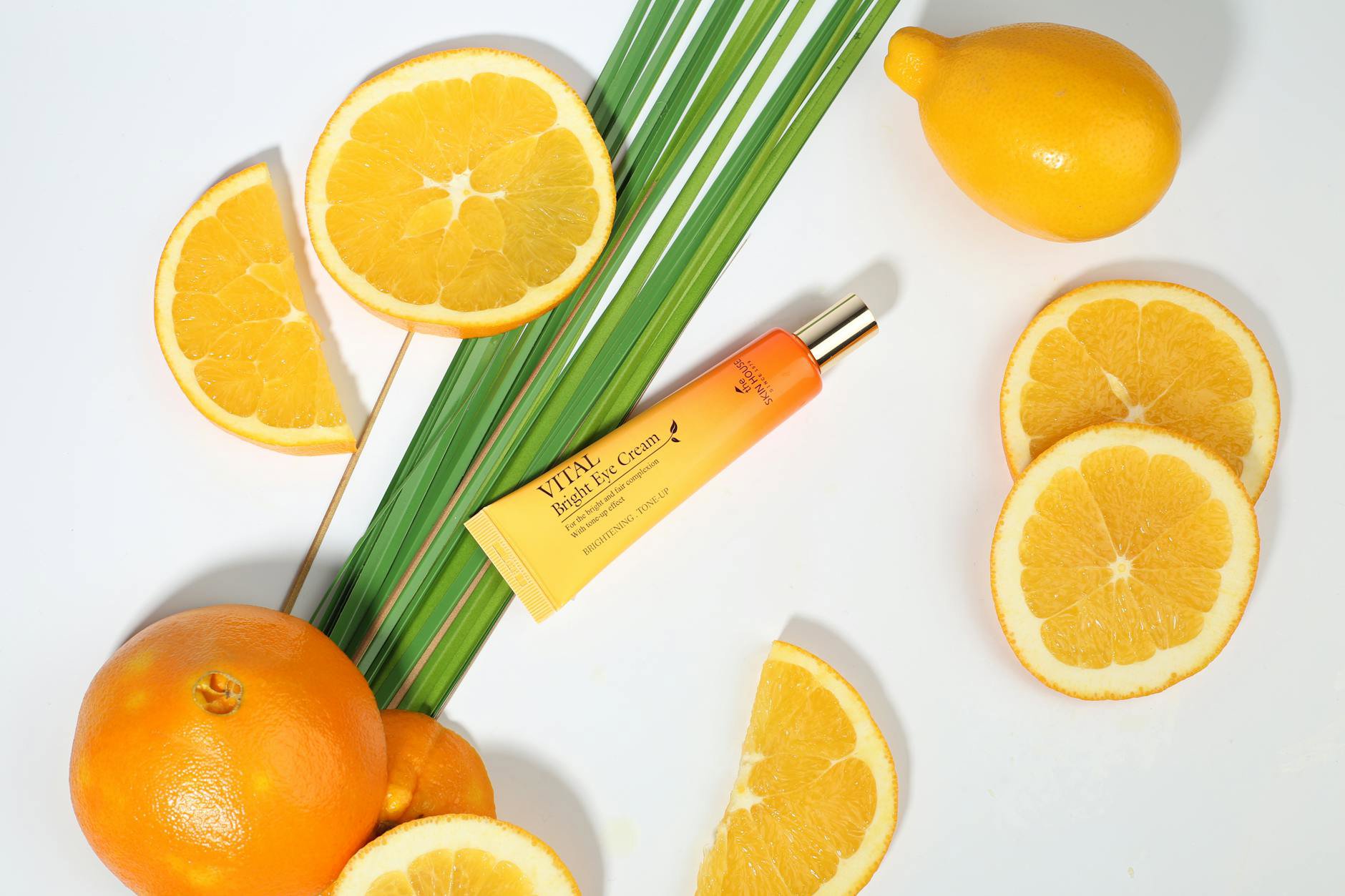
For brown-toned darkness, you want ingredients that target uneven tone and dullness, plus textures that layer without pilling. In eye creams, vitamin C derivatives and brightening complexes show up most often because they can fit into gentle, daily-use formulas.
Two eye creams from our tracked set call out THD ascorbate (a stable vitamin C derivative) directly. Peter Thomas Roth Potent C Power Eye Cream (from $49.00) uses 10% THD ascorbate and positions itself for visible brightening plus antioxidant support. That 10% callout makes it one of the clearest “vitamin C first” options in this list.
For a lower entry price, Herbivore Botanicals Super Nova 5% Thd Vitamin C + Caffeine Brightening Eye Cream (from $16.56) names 5% THD vitamin C and caffeine right in the product title. On paper, this targets both pigment-looking dullness (vitamin C) and “tired” tone that can come with fluid and sluggish circulation (caffeine).
Another brightening lane focuses on optical smoothing and conditioning so the under-eye reflects light more evenly. Perricone MD Essential Fx Smoothing & Brightening Under-Eye Cream (from $32.21) describes a balm-like texture that melts in and instantly softens the appearance of dark circles, lines, and wrinkles while supporting the moisture barrier. That “instant” piece matters if you want makeup to sit better today, not just “results in 8 weeks.”
How to choose between them: pick THD vitamin C when you want a targeted brightening active, and pick a smoothing balm when texture and light reflection drive your complaint. Many people need both, but most budgets don’t.
If blue or purple circles dominate: thin skin, vasculature, and firming peptides
Blue/purple circles often show because the under-eye skin looks thin and the blood vessels show through. Eye creams cannot “erase” veins, but they can improve how the skin surface looks and how light bounces off it.
This is where firming peptides, hydration, and texture do the heavy lifting. You look for formulas that claim tightening, lifting, and smoothing rather than only “brightening.”
Perricone MD Neuropeptide Firming & Illuminating Under-Eye Cream (from $47.27) leans into this category. It describes neuropeptides as an advanced firming solution to visibly tighten, brighten, and lift, targeting wrinkles and saggy under-eye skin. If your darkness comes with creasing and a “tired socket” look, a firming-leaning eye cream makes more sense than another brightener.
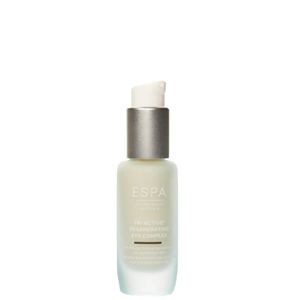
For a more classic “plump and protect” approach, ESPA 24-Hour Replenishing Eye Moisturiser (from $37.97) highlights barrier support and nourishment, with ginkgo biloba for barrier protection and evening primrose plus jojoba for conditioning. That profile fits shoppers who get darkness plus dryness, especially in colder or drier regions.
At the top end, Augustinus Bader The Eye Cream Nomad (from $156.40) claims improvement in circles, puffiness, fine lines, and wrinkles while boosting firmness and hydration, powered by TFC8®. Price-wise, it sits in a different universe than most eye creams. We see shoppers treat this tier as a “one product, fewer steps” bet, but the value only lands if you want that all-in-one positioning.
One caution: when vasculature drives darkness, irritation makes it worse. If you react easily, avoid stacking multiple strong actives around the eyes at once. Keep the eye cream the steady part of the routine.
If puffiness creates the shadow: caffeine, soothing agents, and morning technique
Puffiness can make the under-eye cast a shadow. The result looks like darkness, even when pigment stays minimal.
You want ingredients that support a less swollen look and formulas that feel comfortable in the morning. Caffeine shows up often for this concern, and our list includes a clear caffeine callout in Herbivore Botanicals Super Nova 5% Thd Vitamin C + Caffeine Brightening Eye Cream (from $16.56). If your circles look worse after a late night, a caffeine-containing eye cream often matches the moment-to-moment nature of the problem.
Soothing and decongesting agents matter too, especially if you wake up puffy and sensitive. Avène Physiolift Eye Contour (from $10.80) describes a gentle formula for very sensitive skin that targets puffiness while supporting a smooth, hydrated contour. It mentions dextran sulfate to soothe puffy areas and bisabolol to protect delicate skin. Those callouts make it a pragmatic pick when irritation and swelling overlap.
If you want a formula that also targets age-related signs alongside bags and dark circles, Avène Hyaluron Activ B3 Eye Cream (from $25.05) positions itself for wrinkles, bags, and dark circles. It lists hyaluronic acid, dextran sulphate, and niacinamide in a gel texture. Gel matters if you hate heavy slip under makeup.
Technique counts more here than people want to admit. Use a rice-grain amount per eye, tap lightly, and keep application on the orbital bone if you tend to get milia. Then give it two minutes before concealer. If you use too much, you can create more swelling through friction and product migration.
If lines and hollowness make circles look worse: smoothing, retinol-alternatives, and realistic goals
Some “dark circles” show because creases and hollows break up light. The fix looks less like bleaching pigment and more like improving surface quality.
If you want a retinoid-style smoothing idea without a classic retinol claim, Herbivore Botanicals Moon Dew 1% Bakuchiol And Peptides Retinol Alternative Eye Cream (from $25.20) targets line filling, instant tightening, and smoothing with 1% bakuchiol and plant peptides. That combination fits shoppers who want a firmer-looking under-eye but worry about irritation.
Another option that focuses on moisture-rich smoothing includes Rodial Vitamin C Eye Souffle (from $74.00). The description calls it moisture-rich, with peptides and rice germ oil to firm and smooth while helping under-eye puffiness. This kind of richer texture can reduce the look of creasing, especially in dry climates.
For mature-skin positioning with an exfoliating angle, Mario Badescu Glycolic Eye Cream (from $12.00) includes glycolic acid and vitamin E, and it frames itself for mature skin showing signs of aging and sun damage. Glycolic acid near the eyes can feel like a lot for sensitive users, so this becomes a “know your skin” pick rather than a default recommendation.
Reality check, in one sentence: if hollowness drives your circles, eye cream can hydrate and soften edges, but it will not fully remove the shadow.
How we compare eye creams by claims, actives, and price (without getting played)
Marketing claims tend to cluster. “Brightening” appears everywhere, even when the formula reads like a basic moisturizer. So we prefer a simple comparison method: named actives + texture cues + price floor.
When a brand names a specific active and percentage, you can compare more rationally. In this list, THD ascorbate gets the clearest callouts: Peter Thomas Roth Potent C Power Eye Cream (from $49.00) states 10% THD ascorbate, while Herbivore Botanicals Super Nova 5% Thd Vitamin C + Caffeine Brightening Eye Cream (from $16.56) states 5% THD and caffeine. Those facts let you decide whether you want a higher-strength vitamin C derivative or a lower-cost entry that also targets puffiness.
Texture cues also reveal intent. “Balm-like” in Perricone MD Essential Fx Smoothing & Brightening Under-Eye Cream (from $32.21) suggests cushion and slip for smoothing. “Gel-textured” in Avène Hyaluron Activ B3 Eye Cream (from $25.05) suggests lightweight layering for daytime.
Then price. Our price tracking often shows eye creams spread from drugstore-adjacent pricing to luxury. Here, the lower end includes Revolution Pro Pro Miracle Eye Cream (from $8.30) and Avène Physiolift Eye Contour (from $10.80). Mid-range includes Avène’s Hyaluron Activ B3 ($25.05), Herbivore Moon Dew ($25.20), and ESPA ($37.97). Luxury pricing shows up with Augustinus Bader ($156.40) and Omorovicza Reviving Eye Cream (from $101.20), which targets puffiness, dark circles, and fine lines with arnica and alfalfa extract.
One more filter: where you shop affects the deal. Sephora, Ulta, Nordstrom, Target, and Bluemercury often carry different tiers. That’s why we recommend checking price swings before you commit to a repurchase, especially for higher-priced eye creams.
Smart routines: how to apply eye cream so it actually helps dark circles
Most under-eye products fail because people use too much, too close to the lash line, or in the wrong order.
Morning (for darkness + puffiness): apply a thin layer on clean skin, staying on the orbital bone. Tap, don’t rub. If you choose a caffeine-leaning option like Herbivore Botanicals Super Nova 5% Thd Vitamin C + Caffeine Brightening Eye Cream, give it a minute to settle before makeup.
Night (for smoothing): pick one “treatment-leaning” eye cream and keep it consistent. If you want a retinol-alternative concept, use Herbivore Botanicals Moon Dew 1% Bakuchiol And Peptides Retinol Alternative Eye Cream several nights a week. If you tend to dryness, a richer smoothing texture like Perricone MD Essential Fx Smoothing & Brightening Under-Eye Cream can support the barrier so the area looks less crepey.
Don’t forget this: if sun exposure deepens your pigment, eye cream alone won’t keep up. Pair your routine with daily SPF Protection Products around the orbital area when appropriate for your skin and eye sensitivity.
If makeup emphasizes texture, you likely need less product, more time between layers, or a different texture. Heavy creams can crease under concealer. Thin gels can feel dry in winter. Adjust by season and climate.
Product short list: what to buy for your specific dark circle pattern
Below, we match common dark circle “profiles” to eye creams from our tracked list. We only call out features that the provided product descriptions support.
1) Brown-toned darkness + dullness
- Peter Thomas Roth Potent C Power Eye Cream (from $49.00): 10% THD ascorbate for visible brightening and antioxidant support.
- Herbivore Botanicals Super Nova 5% Thd Vitamin C + Caffeine Brightening Eye Cream (from $16.56): 5% THD vitamin C plus caffeine for a brighten + de-puff approach.
2) Blue/purple circles + fine lines
- Perricone MD Neuropeptide Firming & Illuminating Under-Eye Cream (from $47.27): firming and illuminating positioning for wrinkles and saggy under-eye skin.
- Augustinus Bader The Eye Cream Nomad (from $156.40): targets circles, puffiness, fine lines, and firmness with TFC8®.
3) Morning bags that create shadows
- Avène Physiolift Eye Contour (from $10.80): gentle, sensitive-skin positioning; dextran sulfate and bisabolol callouts.
- Avène Hyaluron Activ B3 Eye Cream (from $25.05): gel-textured; hyaluronic acid, dextran sulphate, and niacinamide, aimed at wrinkles, bags, and dark circles.
- Omorovicza Reviving Eye Cream (from $101.20): lightweight, targets puffiness and dark circles; includes arnica and alfalfa extract in the description.
4) Texture-first: you want smoother makeup wear fast
- Perricone MD Essential Fx Smoothing & Brightening Under-Eye Cream (from $32.21): balm-like, melts into skin, supports moisture barrier, softens the look of darkness and lines.
- Rodial Vitamin C Eye Souffle (from $74.00): moisture-rich; peptides and rice germ oil for firming and smoothing.
5) Budget-first: you still want a credible eye cream
- Revolution Pro Pro Miracle Eye Cream (from $8.30): an affordable eye cream option when you want to start simple.
- Mario Badescu Glycolic Eye Cream (from $12.00): includes glycolic acid and vitamin E; positioned for mature skin.
If you prefer to browse by brand ecosystems, you can also explore Revolution and ESPA through our brand pages, then cross-check pricing by retailer.
Practical takeaways you can use today
Pick one primary goal for four weeks: brighten (THD vitamin C), de-puff (caffeine / soothing), or smooth (peptides / richer textures). Switching every few nights makes it hard to judge anything.
Use less than you think. A rice-grain per eye prevents migration into the eye, reduces creasing under makeup, and lowers irritation risk.
Make price comparisons part of repurchasing. Eye creams show wide price dispersion by retailer tier (Sephora vs Ulta vs Nordstrom vs Target). Our tracking typically shows the best “value” comes from matching the formula type to the cause first, then hunting the best price second.
Don’t ignore the basics that worsen circles. Rubbing from allergies, poor sleep, and dehydration can overpower the best formula. Eye cream supports, but it doesn’t cancel lifestyle physics.
One last check: are you expecting an eye cream to do a procedure’s job?
If your darkness comes from anatomy (deep tear trough, strong shadow), you can still benefit from hydration and smoothing. You just want to buy with clear expectations and choose formulas that improve surface quality.
For that scenario, we’d prioritize a smoothing texture like Perricone MD Essential Fx Smoothing & Brightening Under-Eye Cream (from $32.21), or a firming-leaning option like Perricone MD Neuropeptide Firming & Illuminating Under-Eye Cream (from $47.27), depending on whether lines or laxity bothers you more.
Which description fits your dark circles best: brown-toned pigment, blue/purple thin-skin circles, morning puffiness, or a structural shadow? If you share that and your sensitivity level, we can narrow the shortlist to two eye creams that make sense for your budget.