Our price tracker shows a clear split in 2026 haircare: more promotions, higher per‑ounce costs. Shampoos and masks cycle on sale more often at Ulta and Amazon, while regular prices creep up. Women still want glassy, healthy hair. No one wants to burn through a $30 bottle to get it.
The style brief this year backs that thrift. Glossy lengths, soft texture, tidy ends. Not maximal product stacks or daily hot tools. Brands push “lamellar shine,” “bond care,” and “expensive brunette,” but the look itself comes from smart cleansing, targeted conditioning, and light, strategic styling. You can get it without overspending.
We pulled the key 2026 trends, checked how prices move across Sephora, Ulta, Target, and Amazon, and built a routine that tracks with both. Expect fewer steps, smarter ingredients, and timing your buys around sales windows. That’s how you keep the shine and keep your budget.
Context: sales cycles, shrinkflation, and why shine sells in 2026
Haircare pricing didn’t stay quiet after 2024. Our feed shows steady per‑ounce increases through 2025, plus more “value sets” that sometimes hide smaller bottles. You’ll see the same bottle shape but fewer ounces inside. Salon brands hold the line on MSRP at Sephora and Nordstrom. Mass brands at Target and CVS push promo bundles. The math still favors per‑ounce savings when you buy larger sizes during a sale.
Deals now run like clockwork. Sephora’s Spring Savings and holiday events bring percentage discounts. Ulta’s 21 Days of Beauty drops selected hair heroes for a single day. Amazon’s Prime‑tied events add surprise markdowns on big sizes. We’ve also tracked more frequent brand‑direct offers. The upshot: you don’t need to pay full price if you can wait two to six weeks.
Why all the talk of shine? Search behavior points the way. Queries for “lamellar water,” “bond repair,” and “glossing” grew across 2025. Pure fashion also leans glossy. The “liquid hair” finish moved from red carpets to office lighting. Rich brunettes, copper, and gray‑blending stick around, which all benefit from light reflection. Shine photographs well, reads healthy, and needs fewer styling products once you get the base right.
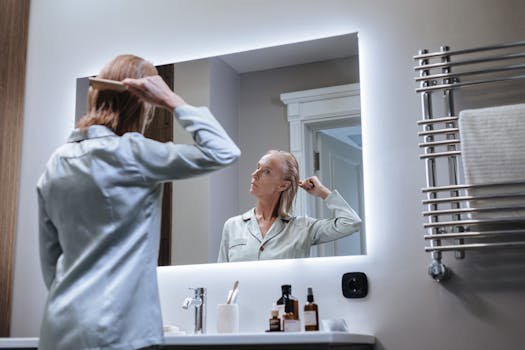
{{IMAGE:woman glossy hair close-up}}The 2026 shine brief: what’s in, what’s out
In: sleek roots with gentle movement through the ends. Out: crispy texture loaded with hairspray. In: soft bends from heatless methods or one low‑pass with a hot tool. Out: daily high‑heat sessions that singe the cuticle. That shift alone saves money on products and tools.
Leave‑ins trade heavy oils for weightless slip. Silicones still show up, but in lighter blends or water‑dispersible forms that rinse clean. Lamellar waters spike shine fast before conditioner. Bonding masks promise smoother cuticles with fewer flyaways. None of these need prestige pricing to work. Delivery, concentration, and your technique matter more than the logo.
The finish reads polished, not plastic. Think “I air‑dried well” even if you didn’t. Salon pros value tight cuticles and even porosity because they bounce light. You can chase that with three decisions: cleanse builds up less, condition smarter, protect from heat. A tidy trim helps, but the bigger savings come from getting more out of every wash day.
Ingredients that pay off now
Shine comes from a smooth cuticle and balanced hydration. A few ingredient groups show strong return for cost.
- Lamellar agents (often lactic or citric acid in watery formulas): These deposit ultra‑thin layers to smooth and reflect light in seconds. Use after shampoo, before conditioner. They spread fast, so you need less per use than a mask.
- Amino acids and peptides: Small molecules help with slip and softness. They condition without heavy oils. You’ll see arginine, serine, or hydrolyzed proteins on labels.
- Bond builders: They target damaged bonds for stronger, shinier hair over time. Useful if you color, heat style, or have coarse textures that frizz. Use weekly rather than daily to stretch the bottle.
- Lightweight conditioners with behentrimonium chloride or cetrimonium chloride: Affordable, effective, rinse clean, and reduce static.
- Silicones, used strategically: Cyclomethicone or amodimethicone adds slip and shine with minimal buildup when paired with proper cleansing. If you prefer silicone‑free, look for hemisqualane or squalane for a similar glide.
Prestige hair brands like Kérastase build elegant textures and fragrances. Mass brands like L'Oréal and Garnier often share parent‑company research and base chemistries. That’s why “dupe” culture pops up. Some of the same conditioning quats and glossing silicones appear across price tiers with tweaks in levels and sensorials. If you want the sensorial luxury, buy during a retailer event. If you want function per dollar, mass often wins on daily products.
We rate lamellar water plus a weekly mask as the highest shine‑per‑dollar combo for 2026. It’s fast, it doesn’t weigh hair down, and it lets you reduce leave‑in layers.
Shampoo strategy: clean less, clean smarter
Shine dies when hair holds onto residue. But over‑washing strips oils and raises frizz. Aim for balance. Most women do well with two to three wash days each week. Add one clarifying session every one to two weeks if you use dry shampoo, heavy stylers, or live with hard water.
Pick your base cleanser by need. Daily wash users can reach for milder surfactants like sulfosuccinates or glucosides. Occasional washers or heavy stylers may prefer a sulfate blend for a tighter clean. If you avoid sulfates, look for coco‑betaine paired with chelators like EDTA or citric acid to handle minerals and buildup.
Water hardness matters. In the dry west and parts of the south, minerals dull shine. A chelating shampoo once a week helps restore slip. If you swim, you need it even more. Focus on scalp first, then pull suds through lengths for the last 20 seconds. Don’t scrub ends. They’re old and fragile.
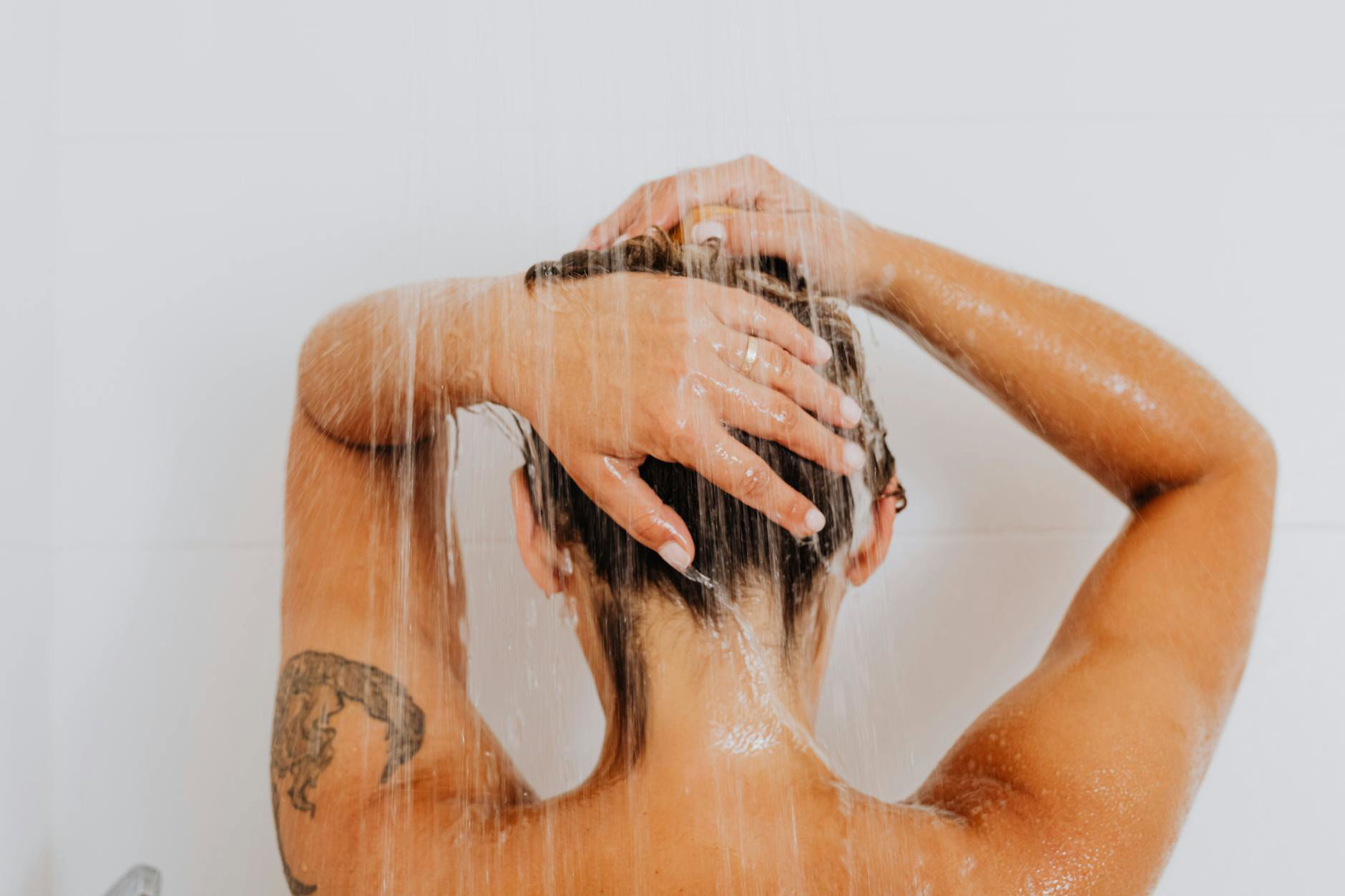
Technique stretches product. Wet hair fully. Emulsify shampoo in your palms before scalp application. Add water as you massage to increase spread, not more product. Rinse for a full minute. Use a second light cleanse if your roots still feel coated. Then move on to conditioner or a lamellar step.
Shopping tip: large sizes of salon formulas drop during Ulta liter events and Amazon events. We’ve seen price swings by retailer on the same bottle size. Check our Moisturising & Nourishing Shampoos category, add picks to your wishlist, and we’ll ping you when the price moves.
Conditioners and masks: spend here, not there
If your budget allows one splurge, make it your deep conditioner. Masks fix feel and shine faster than any shampoo can. A good mask can double as your regular conditioner in small amounts. That stretches the jar and reduces clutter.
Apply with intention. Squeeze out extra water before product. Work from mid‑lengths down, then use a wide‑tooth comb to spread. Leave on for the labeled time. Add a little water and emulsify before you rinse. That trick helps deposit conditioners and boosts shine without more product.
Use a mask once a week for fine or normal hair, twice for thick, coarse, or color‑treated hair. If hair goes limp, rotate: mask one wash, light conditioner the next. Many women can skip leave‑ins on mask days, which saves money and reduces buildup.
Prestige masks like those from Kérastase feel plush and rinse fast. Mass lines from L'Oréal and Garnier stack up well on softness. Compare textures. The fancier jar won’t change the core conditioning agents, but the spreadability and rinse can feel nicer. If you want proof, watch per‑ounce pricing and buy the luxe pick when it drops. Our Hair Masks and Moisturising & Nourishing Conditioners pages flag offers across retailers so you don’t overpay.
Heat styling, with restraint
Heat ruins shine when you crank it daily. The 2026 brief supports less heat, fewer passes, and more prep. Set your tool to the lowest setting that holds. Work in larger sections for gentle bends, smaller for curl. One clean pass beats four messy ones.
Always use a heat protectant. Look for silicones like dimethicone or amodimethicone, film formers like polyquaterniums, and humectants like propylene glycol. Fine hair prefers lighter, alcohol‑based sprays. Thick hair tolerates creams. Apply to damp hair and comb through for even coverage. Reapply a light mist before touching up day two.
Consider quick‑dry aids if you blow‑dry often. They reduce time under heat and can pay for themselves. A microfiber towel or an old cotton T‑shirt to blot saves minutes and frizz. Finish with a cool shot to seal cuticles. That step gives instant gloss with zero product.
Skip heavy finishing oils. Pick a drop of a light serum or hemisqualane for mid‑lengths. Touch the crown with whatever remains on your palms. The goal is reflection, not residue. Fewer finishing layers also mean fewer clarifying washes later.
Color care on a budget
Color trends in 2026 still orbit shine: expensive brunette, milky blondes, copper, and smart gray blending that avoids harsh demarcation. Shiny color equals tight cuticles and even tone. You can extend salon color and delay appointments with a few cost‑savvy moves.
Start with a gloss. Semi‑permanent gloss at home adds tone and shine for weeks. Pick neutral or warm browns for brunettes to dodge muddy ends. Copper fans should choose a sheer glaze for clarity. Blondes keep a purple or blue‑correcting step in rotation, but avoid overuse. Over‑toning kills reflection. Clarify before you tone for a cleaner canvas.
If you color at home, stick to brands with clear shade systems. L'Oréal and Garnier serve a broad shade map and often run coupons at drugstores. We’ve seen the same SKU vary by several dollars between Amazon and Target on the same day. Worth checking our price comparison before you buy. For salon‑adjacent care, lines like Kérastase build tone‑preserving shampoos and masks that support shine for weeks, so you color less often.
Protect your tone from heat. Warmth shifts vibrancy, especially reds and coppers. Use lower settings and fewer passes. Shield hair from UV when you can. A brimmed hat saves color and frizz in sun‑heavy climates in the south and west. Wash with cool or lukewarm water. Hot water swells the cuticle and dumps dye molecules.
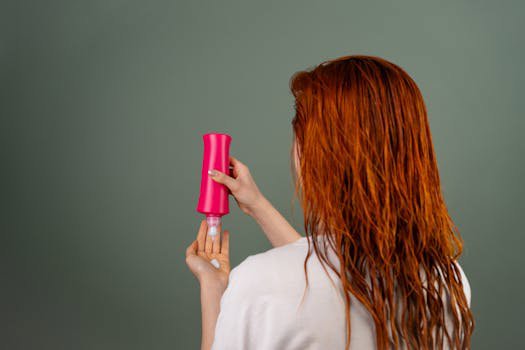
{{IMAGE:woman hair color brunette shine}}Scalp health = shine
Gloss starts at the scalp. A calm, clean scalp sets up better root lift and less oil rebound. That means cleaner lengths and more reflection. You don’t need a separate 10‑step scalp ritual to get there.
Bring in a gentle exfoliating shampoo once a week if you use dry shampoo or heavy stylers. Look for salicylic acid, fruit acids, or micro‑exfoliants. Massage with fingertips, not nails. Rinse well. If you deal with flakes, ingredients like piroctone olamine or pyrithione zinc help control yeast. Use as directed, then follow with a light conditioner on ends only.
Massage matters and costs nothing. Two minutes with light pressure before bed improves micro‑circulation and product spread on wash day. A boar‑bristle brush that you use on dry hair can carry natural oils through mid‑lengths for shine. Clean the brush weekly so you don’t redeposit residue.
Hard water or product film on the scalp dulls roots. A chelating wash every week or two makes a difference, especially in the west and Midwest. Follow with a hydrating mask only on lengths. Keep roots lighter on product so they lift clean at the next wash.
Where to splurge, where to save in 2026
We see the best return on a small set of categories. Here’s how to allocate budget if you want maximum shine per dollar.
- Splurge: Deep mask or treatment. It fixes feel, slip, and light reflection on the first use. Check our Hair Masks page and add two options to your wishlist. We’ll alert you when one drops at Sephora, Ulta, or Amazon so you can pounce.
- Save: Daily shampoo and basic conditioner. Mass lines from L'Oréal and Garnier deliver clean and slip without fanfare. Use the money you save here on your once‑weekly heavy hitter.
- Smart splurge or sale buy: Lamellar water. It replaces extra leave‑ins and speeds detangling. A little goes far, so you won’t rebuy often.
- Case‑by‑case: Heat protectant. If you heat style three times a week or more, buy the one you love to use. The best product is the one you apply every time.
Brand tier also matters less when you match form to need. Thick, coarse, or curly hair often loves rich masks, whether it says drugstore or prestige. Fine hair thrives on lamellar shine and light conditioners. Shop function and ingredients first, fragrance second.
We track price swings across Sephora, Ulta, Target, Amazon, and Nordstrom daily. On many core products, we’ve seen prices vary by retailer within the same week. Use GlamGeek’s comparison, watch your wishlist, and plan bigger buys around Sephora Spring Savings, Ulta 21 Days of Beauty, Memorial Day, and Black Friday.
Build the 2026 shine routine: three steps, plus two optional
Keep the core tight. Then add extras only if your hair type needs them.
- Core Step 1 – Targeted cleanse (2–3x/week): Shampoo roots with a formula that matches your buildup. Massage well. Pull suds down for the last seconds. Clarify once every 1–2 weeks if you use dry shampoo or live with hard water. Browse Moisturising & Nourishing Shampoos and add two sizes to your wishlist to catch liter deals.
- Core Step 2 – Lamellar shine (wash days): Apply lamellar water after shampoo, before conditioner, for fast reflection and slip. It helps you use less mask or conditioner.
- Core Step 3 – Condition or mask (every wash): Fine hair: light conditioner most days, mask weekly. Thick or color‑treated hair: mask twice weekly, conditioner otherwise. Compare across Moisturising & Nourishing Conditioners and Hair Masks for your texture.
- Optional – Heat protect (as needed): Always before heat. Choose spray for fine hair, cream for thick hair. Reapply light mist for touch‑ups.
- Optional – Finish (as needed): A pea of serum or hemisqualane on ends. Skip on mask days to avoid buildup.
That’s it. Three steps cover shine without clutter. The optional moves help if you heat style or need extra polish.
Cut waste: technique tweaks that save product
Micro changes slash your usage without dulling results.
- Pre‑rinse hair for a full minute. You’ll use less shampoo.
- Emulsify products in palms before application. Better spread, lower dose.
- Detangle with a wide‑tooth comb in the shower. You’ll need less leave‑in.
- Rinse conditioner with cool water at the end. More shine with the same amount.
- Blot, don’t rub. A microfiber towel preserves cuticles so you need less serum.
- Trim ends at sane intervals. Clean ends reflect light and drink less product.
One strong weekly mask can replace two leave‑ins and a heavy oil. That swap alone cuts steps and refills. Your wallet notices, and your hair lays smoother.
Deal timing: when to stock and when to skip
Promos in 2026 run on repeat. Plan around them. We see consistent dips at key moments:
- Sephora Spring Savings: percent off across categories, often including hair. Build your prestige mask and leave‑in cart here.
- Ulta 21 Days of Beauty: select haircare steals on single days. Set alerts for your picks.
- Memorial Day and Labor Day: strong mass retail promos at Target, CVS, Walgreens. Stock daily shampoo and conditioner.
- Amazon event windows: dramatic, short‑term drops on liters and multi‑packs. Compare per‑ounce before you click.
- Black Friday/Cyber Monday: wide coverage, but don’t assume the lowest price. We’ve seen better hair deals at late‑summer events.
Add products to your GlamGeek wishlist and let us watch the price swings. We track the same SKU across multiple stores, so you can buy where it’s cheapest that week. We’ve seen identical bottles differ by retailer on the same day. It pays to check.
What this means
The 2026 hair trend rewards good habits over haul culture. Shine ties back to intact cuticles and minimal residue. You don’t need five leave‑ins to fake gloss if your cleanse‑condition core works. Spend where it shows: a mask that you love and a lamellar step that replaces two finishers. Save on daily shampoo and basic conditioner. Match formulas to your texture. Keep heat low. Trim ends on schedule. That routine reads modern and costs less to maintain.
Use the calendar. Build carts during Sephora’s spring event and Ulta’s day‑doorbusters. Refill daily basics at Target or CVS promos. Watch Amazon liters when you approach the last third of your current bottle. If in doubt, check our comparison. Add your shortlist from Moisturising & Nourishing Shampoos, Moisturising & Nourishing Conditioners, and Hair Masks, and we’ll ping you when the price moves. A little timing keeps the shine and trims the bill.
Sign‑off
What will you cut, and what will you keep, to chase 2026’s glossy hair brief? Tell us the one product you plan to splurge on, the one you’ll buy at mass, and which retailer you trust for the best deals. We’ll keep tracking the prices so your routine stays shiny and smart.