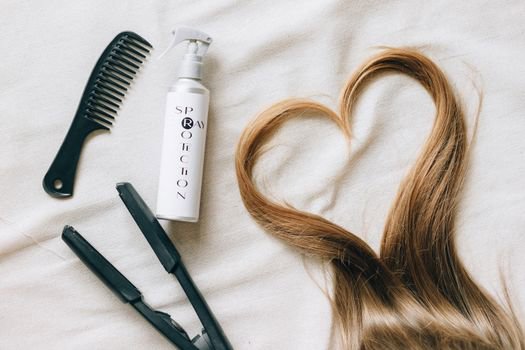
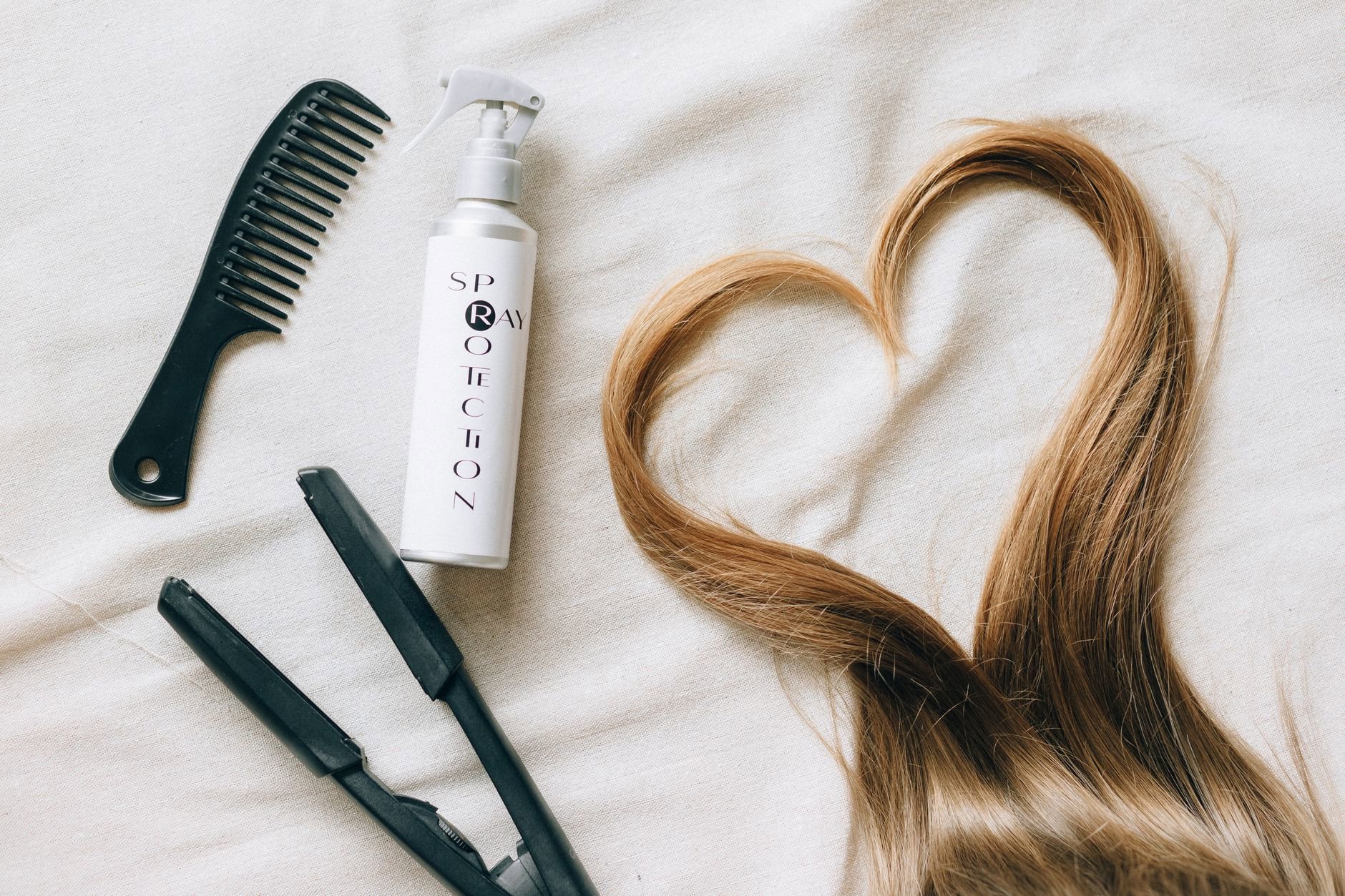
Heat protectants reduce the damage that hot tools can cause by forming a protective shield on the hair, improving slip during styling, and helping hair hold onto moisture so it doesn’t get brittle.
But “best” isn’t one product. The right pick depends on your hair’s density, porosity, chemical history (color, bleach, relaxer), and what you’re actually doing—blow-drying, flat-ironing, curling, or repeated touch-ups.
Below, we break down how heat protectants work, which format fits which hair type, what ingredients matter, and how to apply them so they do their job.
The basics: what heat protectants do (and what they don’t)
Heat damage usually shows up as roughness, dullness, split ends, and breakage. High heat drives off internal water, weakens the cuticle, and increases friction when you brush or iron hair.
A heat protectant helps in three main ways. First, it adds a film on the hair surface that reduces direct heat stress. Second, it boosts “slip,” which means less snagging and fewer micro-tears as you detangle or pull a brush through. Third, many formulas support softer, smoother hair, which lowers the temptation to crank the temperature higher.
Some products focus on heat alone. Others pair heat protection with targeted repair, shine, or split-end sealing. For example, Philip B Thermal Protection Spray (from $22.00) sits firmly in the heat-shield lane and aims to help prevent split ends and breakage during heat styling.
Heat protectants do not make hair “heat-proof.” They can’t fully prevent damage if you use very high temperatures, do multiple passes on the same section, or flat-iron wet hair. Think of them as risk-reduction, not immunity.
One more reality check: protecting hair starts before styling. If you need help with moisture and manageability, your wash routine matters too—many readers pair protectants with richer formulas from categories like Moisturising & Nourishing Shampoos and Moisturising & Nourishing Conditioners. (We’re staying focused on protectants here, but the context matters.)
Pick your format: spray vs cream vs balm vs treatment
Format determines how evenly you can apply a protectant and how much “weight” it adds. That matters as much as the ingredient list.
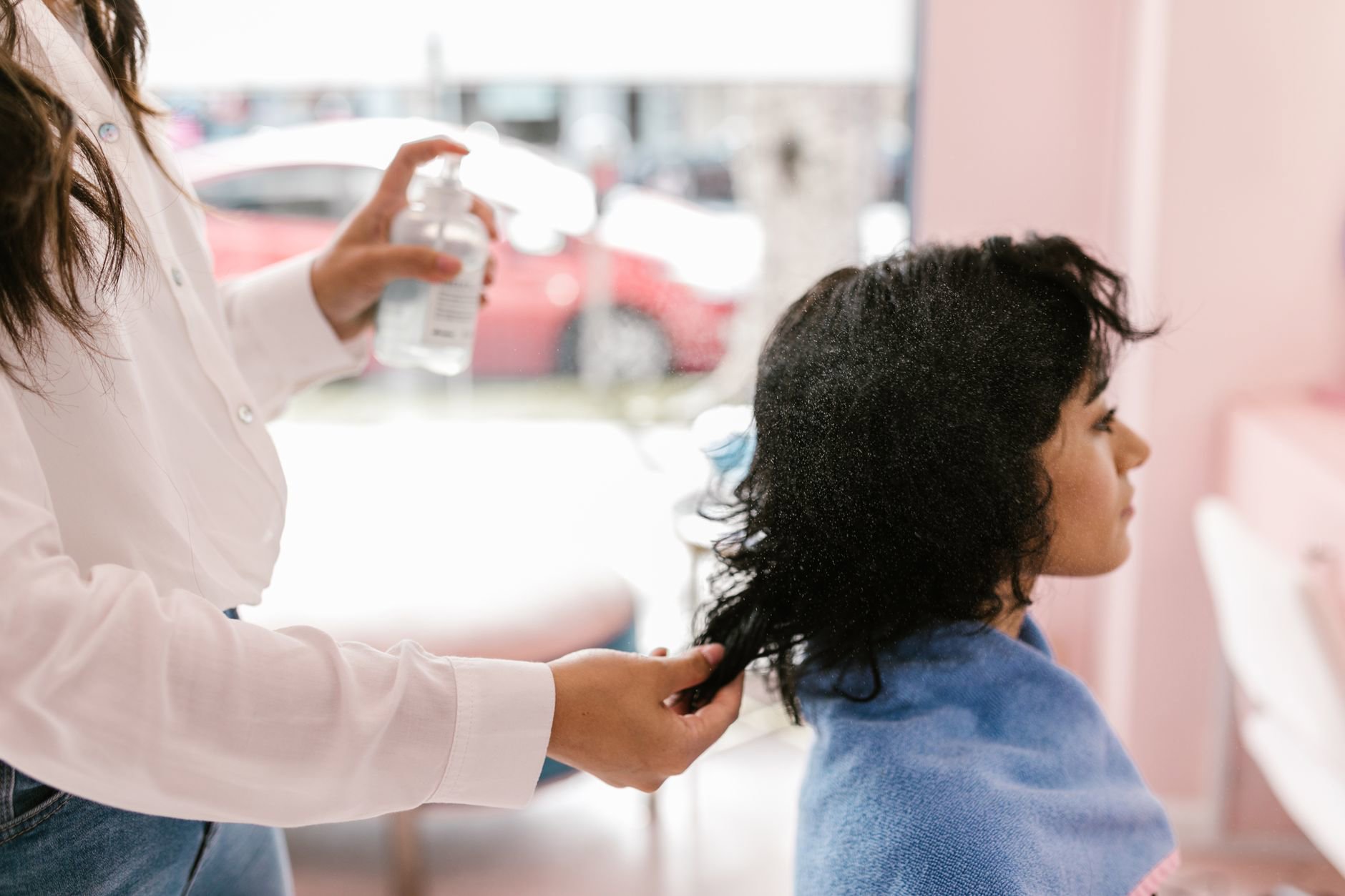
Sprays tend to suit fine hair, low density hair, or anyone who hates residue. They spread quickly, and you can layer without collapsing volume. ARKIVE Headcare The Prologue Hair Primer (from $4.20) works as a pre-styling, heat-activated mist that protects, hydrates, and visibly smooths. It uses baobab oil and baobab protein to add bounce and shine while you prep for curling or straightening.
Detangling heat sprays also earn their keep if your hair breaks most when it’s wet. Living proof. Restore Perfecting Spray (from $31.00) pairs heat protection with detangling and targets reduced breakage during wet combing, thanks to the brand’s Healthy Hair Molecule.
Creams and balms usually fit thick, coarse, high-porosity, or frizz-prone hair. They give more control and often help seal in softness. Umberto Giannini Swim Proof Leave-In Protection Hair Cream (from $7.72) targets protection from sun, chlorine, and saltwater using coconut oil, olive oil, sunflower seed, and UV filters—useful if heat styling overlaps with outdoor exposure. For pure smoothing and defrizzing, Kerasilk Taming Balm (from $12.10) uses biomimetic silk and hyaloveil in a rich balm designed to soften and control unruly hair.
Finishing balms work best after styling when flyaways and friction cause breakage. EVOLVh Superfinish Polishing Balm (from $12.00) aims to defrizz and control flyaways while delivering shine, in a clean, silicone-free formula with jojoba oil for moisture and strengthening support.
Heat-activated split-end sealers focus on the ends, where damage stacks up fast. ghd Advanced Split Therapy (from $33.00) seals the cuticle for smoother-looking ends and claims clinically proven split-end sealing for up to 10 washes. If your main concern is visible splits rather than frizz, this is a different tool for the job.
Match the protectant to your tool and your routine
The “best heat protectant” changes depending on whether you use heat once a week or twice a day. It also changes based on whether heat comes from airflow (blow dryer) or direct contact (flat iron, curling iron).
Blow-drying needs even distribution and good slip. Mists and detangling sprays make sense because they coat quickly across larger areas. We often see shoppers pair ARKIVE Headcare The Prologue Hair Primer (from $4.20) with a brush-based blowout routine because it’s built as a pre-styling primer and heat-activates as you work.
Flat ironing and curling push more heat into fewer sections. That makes technique and sectioning as important as the product. If you do contact heat regularly and you notice split ends and snapping, a dedicated thermal shield like Philip B Thermal Protection Spray (from $22.00) fits the need: it’s formulated to shield strands from heat while styling and aims to reduce damage like split ends and breakage.
Repeated touch-ups cause sneaky damage. If your style requires a second-day “quick iron,” choose a product that won’t feel sticky when layered. That’s where lighter sprays and fine mists tend to win, because buildup makes people apply more heat to overcome residue.
High exposure routines often combine heat with other stressors: sun, chlorine, saltwater, and dryness. For that kind of hair life, it helps to rotate in protective leave-ins designed for environmental stress. Umberto Giannini Swim Proof Leave-In Protection Hair Cream (from $7.72) explicitly targets sun, chlorine, and saltwater, which makes it a practical “summer bag” option even if you also blow-dry.
One sentence rule: stop turning heat up to compensate for poor prep.
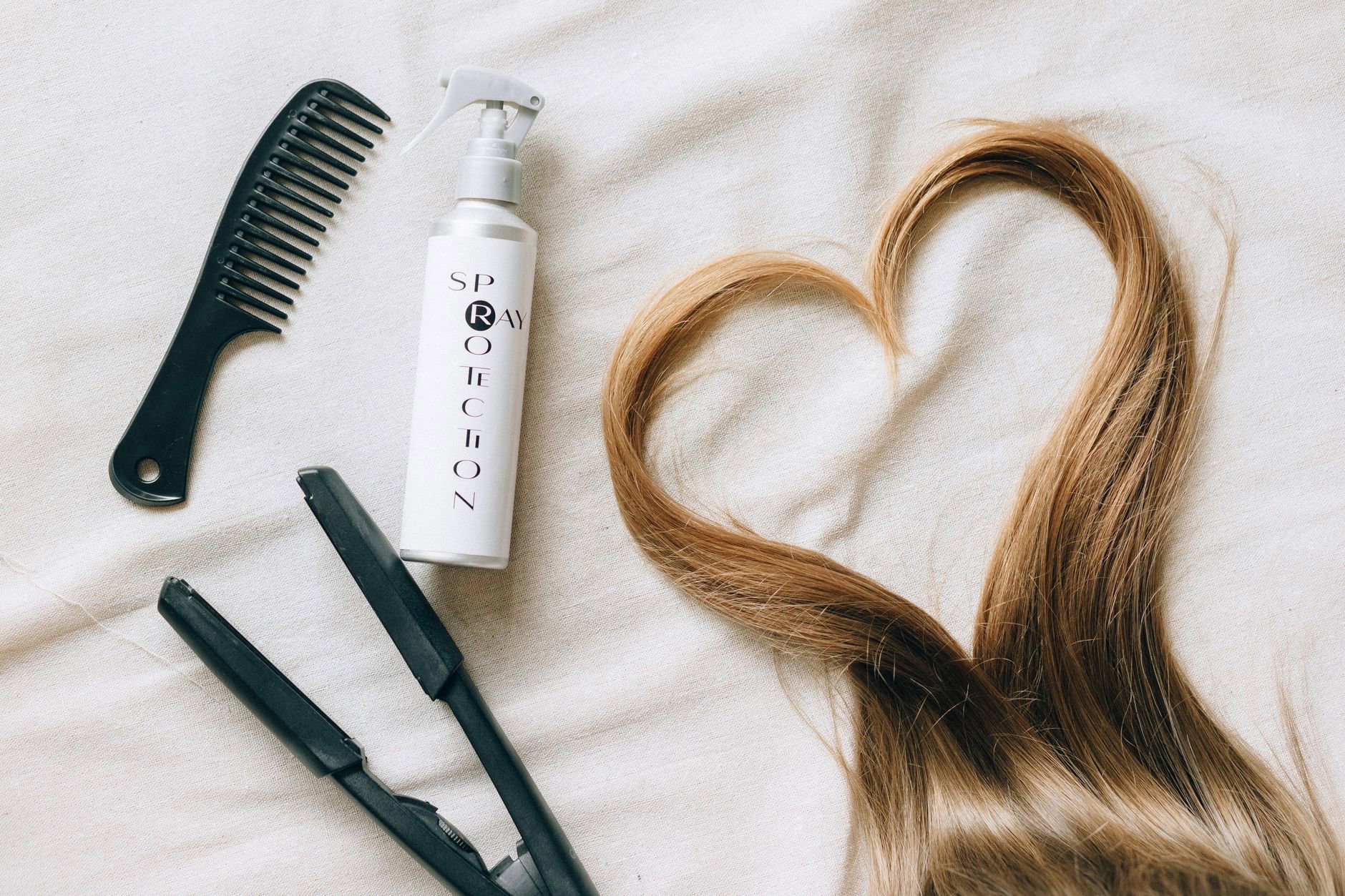
Ingredients that matter: films, proteins, bond builders, and shine tech
Marketing loves vague “thermal defense” language. Ingredient function tells you more.
Film formers create a thin coat that reduces friction and helps hair feel smoother under heat. Brands describe this as “shielding” or “sealing the cuticle.” ghd Advanced Split Therapy (from $33.00) uses heat activation to help seal the cuticle and smooth ends, which targets the part of the hair that tends to fray first.
Proteins and conditioning oils help hair look and feel more resilient, especially if it’s porous or chemically treated. ARKIVE highlights baobab oil and baobab protein in The Prologue Hair Primer (from $4.20), which signals a blend of conditioning plus structure support in a mist format.
Bond-building and repair systems matter when heat damage overlaps with color or bleach damage. You can’t “glue” hair back together permanently, but bond-focused treatments can help reinforce and protect existing bonds and reduce visible breakage. Philip Kingsley Bond Builder Split End Remedy (from $24.50) aims to protect and strengthen existing bonds, repair broken ones, and instantly seal split ends, with results lasting up to 3 washes. Kerasilk Strengthening Bond Builder (from $13.05) uses Silk+ Technology and a bond-building ingredient called bondamide to penetrate hair fibers and help repair.
Shine and gloss protectants often combine heat protection with dryness protection, which can help if you straighten for sleekness and end up with dullness instead. Color Wow Extra Mist-Ical Shine Spray (from $24.15) comes in a duo positioned to deliver mirror-like radiance while protecting against heated tools and dryness.
And yes, price tier can signal complexity. A premium “hair elixir” like Miriam Quevedo Sublime Gold Shield (from $95.00) targets anti-aging action for hair and scalp, protection from external factors, and deep repair. That’s not required for everyone. But it fits shoppers who treat heat protection as part of broader hair preservation.
Quick benchmark from our pricing feeds: protectants in this category range from under $10 to nearly $100, and the format usually explains a lot of the spread.
How to choose based on hair type and concerns
Hair type isn’t just curl pattern. It’s also strand thickness, density, porosity, and whether hair has been bleached or colored.
Fine hair that gets weighed down usually does best with a mist or lightweight spray, applied sparingly and combed through. Start with ARKIVE Headcare The Prologue Hair Primer (from $4.20) for a budget-friendly primer approach, or consider Living proof. Restore Perfecting Spray (from $31.00) if wet detangling breakage tops your list.
Thick, coarse, or frizz-prone hair often needs richer textures to keep hair pliable under heat. That usually means a cream or balm. Kerasilk Taming Balm (from $12.10) targets smoothing and long-lasting control with biomimetic silk and hyaloveil. If you want shine plus flyaway control without a greasy finish, EVOLVh Superfinish Polishing Balm (from $12.00) focuses on defrizzing and a glossy finish in a silicone-free formula.
Color-treated or brittle hair tends to show damage first at the ends. That’s where bond-focused protection and split-end sealing can make styling look better with less heat. Philip Kingsley Bond Builder Split End Remedy (from $24.50) emphasizes bond support and instant split-end sealing with multi-wash results. ghd Advanced Split Therapy (from $33.00) targets cuticle sealing for smoother ends via heat activation.
Hair exposed to sun and water stress often needs protection beyond the iron. Umberto Giannini Swim Proof Leave-In Protection Hair Cream (from $7.72) specifically calls out sun, chlorine, and saltwater, plus UV filters.
Damaged hair that needs a true treatment mindset may benefit from rotating in a repair-focused product alongside heat protection steps. Sachajuan Hair Repair (from $37.00) positions itself as an intensive repair treatment using Ocean Silk Technology to support regeneration in weak, damaged hair and leave it manageable with shine. It’s not framed as a heat protectant, but it supports the “less breakage under styling” goal by improving hair condition.
If you want maximum shine as the end result, consider a shine-oriented protectant like Color Wow Extra Mist-Ical Shine Spray (from $24.15), which also targets protection against heated tools and dryness.
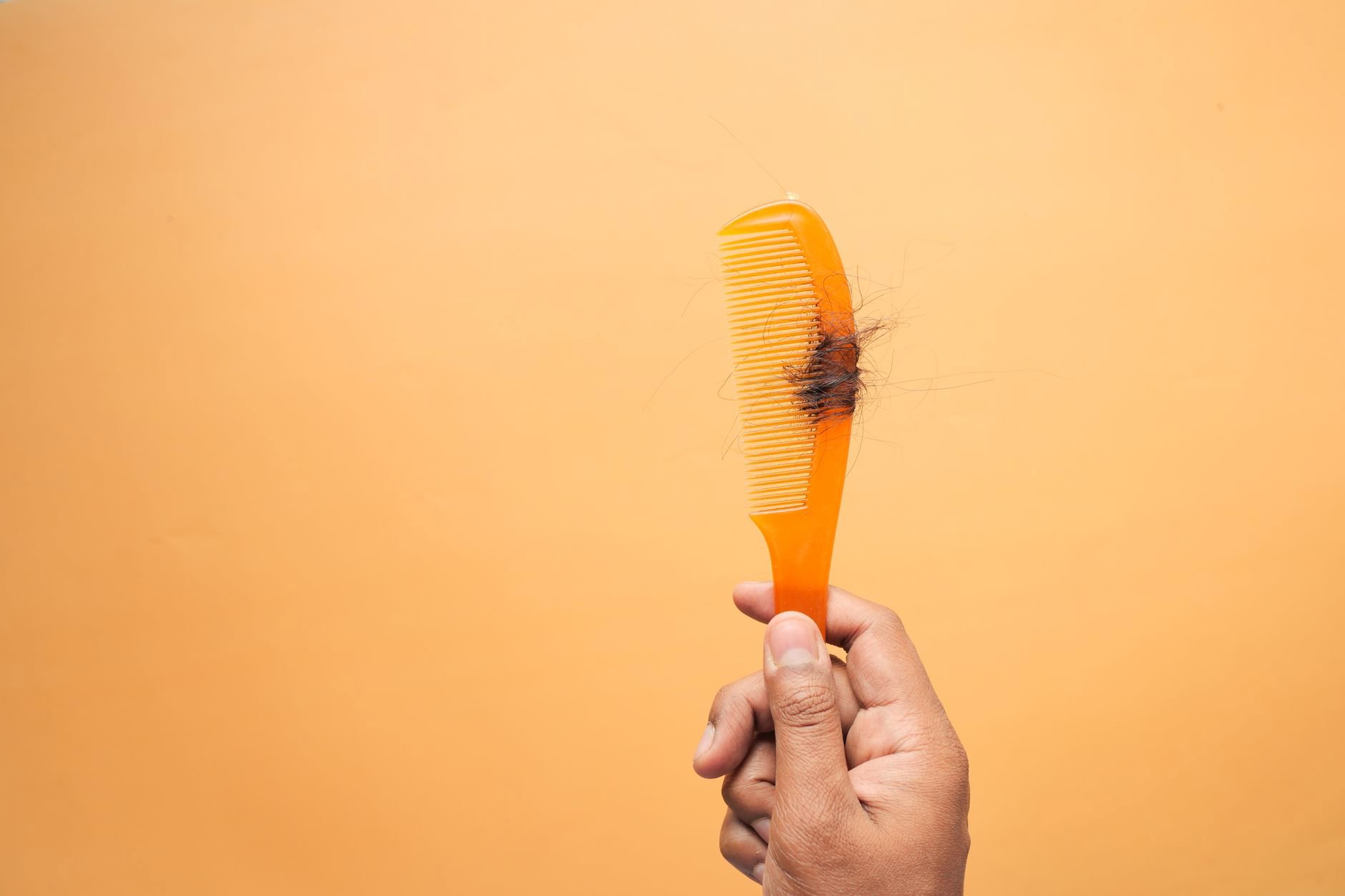
Common application mistakes that quietly sabotage protection
Most heat protectants fail because of how people use them, not because the product “doesn’t work.”
Mistake 1: spraying only the top layer. Hair has layers, and heat tools hit the inside sections too. You need sectioning. Clip hair into 3–5 zones depending on density, then apply product to each zone before you start drying or ironing. If you use a mist like ARKIVE The Prologue Hair Primer, spray, then comb through to distribute.
Mistake 2: using too much product. Over-application can make hair feel coated. That pushes people to add heat and extra passes to get smoothness back. Fine hair usually needs less than you think. Start with a light layer and add only to ends if needed.
Mistake 3: applying at the wrong time. Some formulas work best as pre-styling primers. Others belong on the ends or as a finishing step. Heat-activated products like ghd Advanced Split Therapy need heat to do their sealing work, so apply before the tool hits your ends.
Mistake 4: detangling aggressively on wet hair without slip. Many people blame heat for breakage that actually happened during wet combing. A protectant that aids detangling, like Living proof. Restore Perfecting Spray (from $31.00), targets this exact weak point by minimizing breakage when wet combing.
Mistake 5: heat stacking. Blow-dry plus iron plus touch-up adds up. If you use more than one tool, use one protectant for full coverage and a second targeted product only where it makes sense—usually mid-lengths to ends.
A no-fuss routine: step-by-step protection for each heat day
Consistency beats novelty. Here are simple templates that work across climates, from humid Southern summers to dry Western winters to cold Northeastern indoor heating.
Blow-dry day (smooth + bouncy):
- Towel-blot hair. Don’t rub aggressively.
- Apply a pre-styling mist through sections: ARKIVE Headcare The Prologue Hair Primer (from $4.20) fits this role as a heat-activated primer that protects and visibly smooths.
- Comb through once for even coverage.
- Blow-dry with controlled tension and fewer repeats per section.
Flat iron day (sleek + low frizz):
- Start with fully dry hair.
- Use a thermal protectant before contact heat. Philip B Thermal Protection Spray (from $22.00) targets shielding strands from heat and helping prevent split ends and breakage.
- Work in small sections so you need fewer passes.
- Finish with a tiny amount of EVOLVh Superfinish Polishing Balm (from $12.00) on flyaways if needed.
- If ends look rough, add a heat-activated end product before your last pass: ghd Advanced Split Therapy (from $33.00).
Curling iron day (shine + hold-friendly prep):
- Prep with a lightweight primer if hair frizzes easily. ARKIVE’s mist format helps with even coverage.
- Keep product away from the root if hair gets oily fast.
- For a glossy finish that also targets heated tools and dryness, consider Color Wow Extra Mist-Ical Shine Spray (from $24.15) as part of your finishing step.
- Let curls cool before brushing to reduce re-heating.
Repair-leaning add-on (1–2 times weekly): rotate in bond or repair support if hair breaks despite good technique. Kerasilk Strengthening Bond Builder (from $13.05) targets bond repair with bondamide and Silk+ Technology. Philip Kingsley Bond Builder Split End Remedy (from $24.50) focuses on strengthening bonds and sealing split ends with results lasting up to 3 washes.
These steps don’t require a 12-product lineup. They require coverage and restraint.
Quick comparisons (with real-world price logic)
Shoppers usually compare protectants by finish: sleek, light, glossy, or “treatment.” We’d compare them by use case first, then by price.
Here’s a practical cheat sheet using products we track in the General Hair Protection category:
- Best budget-friendly primer style: ARKIVE Headcare The Prologue Hair Primer (from $4.20). Mist format, heat-activated, and built for pre-styling.
- Best straightforward thermal shield: Philip B Thermal Protection Spray (from $22.00). Targets heat shielding and reduced split ends and breakage.
- Best for detangling + heat (breakage-prone when wet): Living proof. Restore Perfecting Spray (from $31.00). Focuses on minimizing breakage during wet combing.
- Best for frizz control in a balm: Kerasilk Taming Balm (from $12.10). Designed to smooth and defrizz with biomimetic silk and hyaloveil.
- Best finishing balm when you want shine without silicone: EVOLVh Superfinish Polishing Balm (from $12.00). Targets flyaways and glossy finish, silicone-free.
- Best end-focused heat-activated sealer: ghd Advanced Split Therapy (from $33.00). Targets cuticle sealing and smoother ends for multiple washes.
- Best premium “protect from external factors” pick: Miriam Quevedo Sublime Gold Shield (from $95.00). Hair-and-scalp elixir approach, with protection and repair framing.
Where to buy matters too. In the US, many heat protectants sit at Sephora, Ulta, and Nordstrom price tiers, while protective basics often show up at Target, CVS, or Walgreens. Our price tracking shows that promo cycles can shift “best value” more than formulas do, especially when shoppers stock up during major beauty sale windows.
If you want to keep browsing adjacent beauty categories, GlamGeek organizes everything under hair care and other areas like skin care and makeup. Just don’t let a skincare-style mindset take over—hair protectants succeed or fail on distribution and heat habits.
Practical tips you can use today (and see the difference)
Use less heat, fewer passes, and smaller sections. A protectant can’t rescue you from a 450°F iron on thick sections that need three passes. The fastest path to healthier hair often looks boring: better sectioning and lower temperature.
Apply, then distribute. Sprays need a comb-through. Creams need emulsifying between palms and a light glaze over mid-lengths and ends. If the product sits in patches, those patches take the heat hit.
Protect your ends like they’re a separate hair type. They are older, drier, and more fragile. If your lengths behave but your ends look fried, add a targeted end product before heat. ghd Advanced Split Therapy (from $33.00) and Philip Kingsley Bond Builder Split End Remedy (from $24.50) both focus specifically on split-end sealing and stronger-looking hair.
Don’t ignore non-heat stress. If your lifestyle includes pool days or lots of sun, protect for that too. Umberto Giannini Swim Proof Leave-In Protection Hair Cream (from $7.72) targets sun, chlorine, and saltwater—stressors that can make heat damage show faster.
Sign-off: tell us your tool and your hair type
Choosing the best heat protectant gets much easier once you match the format to your hair and the product to your tool.
What’s your main hot tool (blow dryer, flat iron, curling iron), and what’s your biggest complaint right now—frizz, split ends, or breakage?