Our price tracker flags the same pattern every season: women buy more hair masks during big sale weeks, but reviews split on results. Some see soft, glossy lengths. Others get limp roots or residue. The variable isn’t the jar every time. It’s the method.
Technique decides payoff. Wet vs dry hair, how long you wait, whether you add heat, and how you rinse all change the finish. You can hold a top-shelf mask and still miss the mark with one wrong step. You can also stretch a drugstore tub with smart timing and get salon-level slip.
This guide breaks down the method. Not the marketing. We lay out clear steps for wet and dry application, heat hacks, and rinse strategies by hair type and climate. Use it with any formula you love, from a buttery tub to a lighter gel-cream. Then let our price comparison do the shopping work while your hair does the shining.
Context: why method matters as much as formula
We’ve tracked beauty pricing and product launches since 2010. Hair masks spike in carts during Sephora Spring Savings in April, Ulta 21 Days of Beauty in March and September, and again around Black Friday in late November. That’s when the algorithm pings us with the biggest wishlist activity. The product shows up in more bathrooms, so outcomes swing wider.
Here’s the mismatch we keep seeing in reviews: buyers blame the formula for either flat roots or frizz that doesn’t quit. In many cases, the mask worked. The application didn’t. A heavy butter wants damp hair. A bond builder wants clean hair. A protein mask wants a timer. Skip those basics and your results stall.
Think about the variables you control. Hair porosity, wash cadence, water temperature, sectioning, and heat all matter. So does climate. Humid Gulf Coast summers reward lighter gels and shorter wait times. Colorado’s dry air often needs longer contact plus a sealant. Not every head needs the same playbook.
Typical jars run 6–12 oz. Typical dwell times run 5–20 minutes. That range alone tells you technique needs a plan. We’ll give you one you can adjust for fine, medium, or coarse hair, and for straight, wavy, curly, or coily textures.
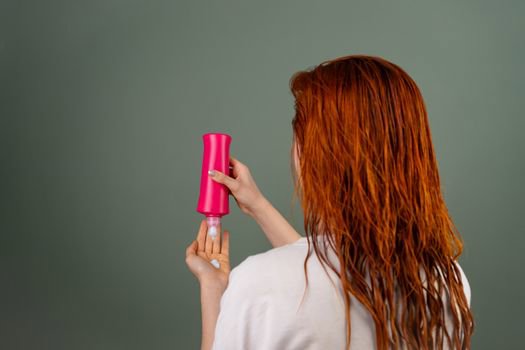
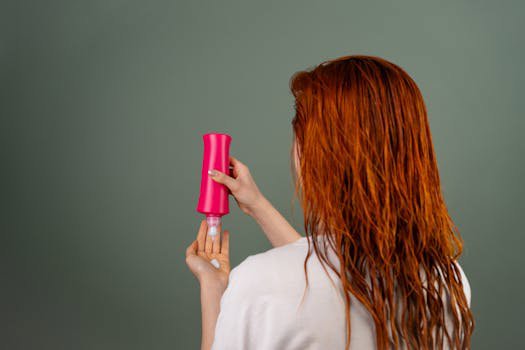
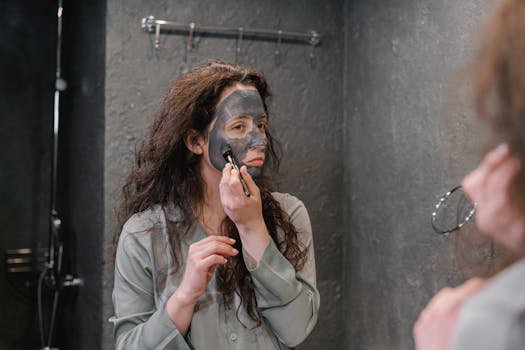
{{IMAGE:woman applying hair mask in bathroom}}Wet vs. dry hair masking: choose your starting line
Both approaches work. Each solves a different problem. Use wet (really, damp) hair when you need even spread and slip. Use dry hair when you want high-impact conditioning on very parched or low-porosity strands and you can control build-up with a wash after.
Step-by-step: Wet (damp) hair method
- Shampoo first if you feel build-up or oil at the scalp. A light cleanse helps masks reach the fiber. Try a hydrating option from our Moisturising & Nourishing Shampoos.
- Towel-dry to damp, not dripping. A T-shirt or microfiber towel helps reduce frizz. Water dilutes masks. Damp hair carries product in without waste.
- Section in 2–6 parts based on density. Clip each section up. Work from the nape forward.
- Emulsify a small amount in your palms. Start with a nickel-sized dollop for short hair, a quarter-sized dollop for medium, and add as needed. Fine hair needs less.
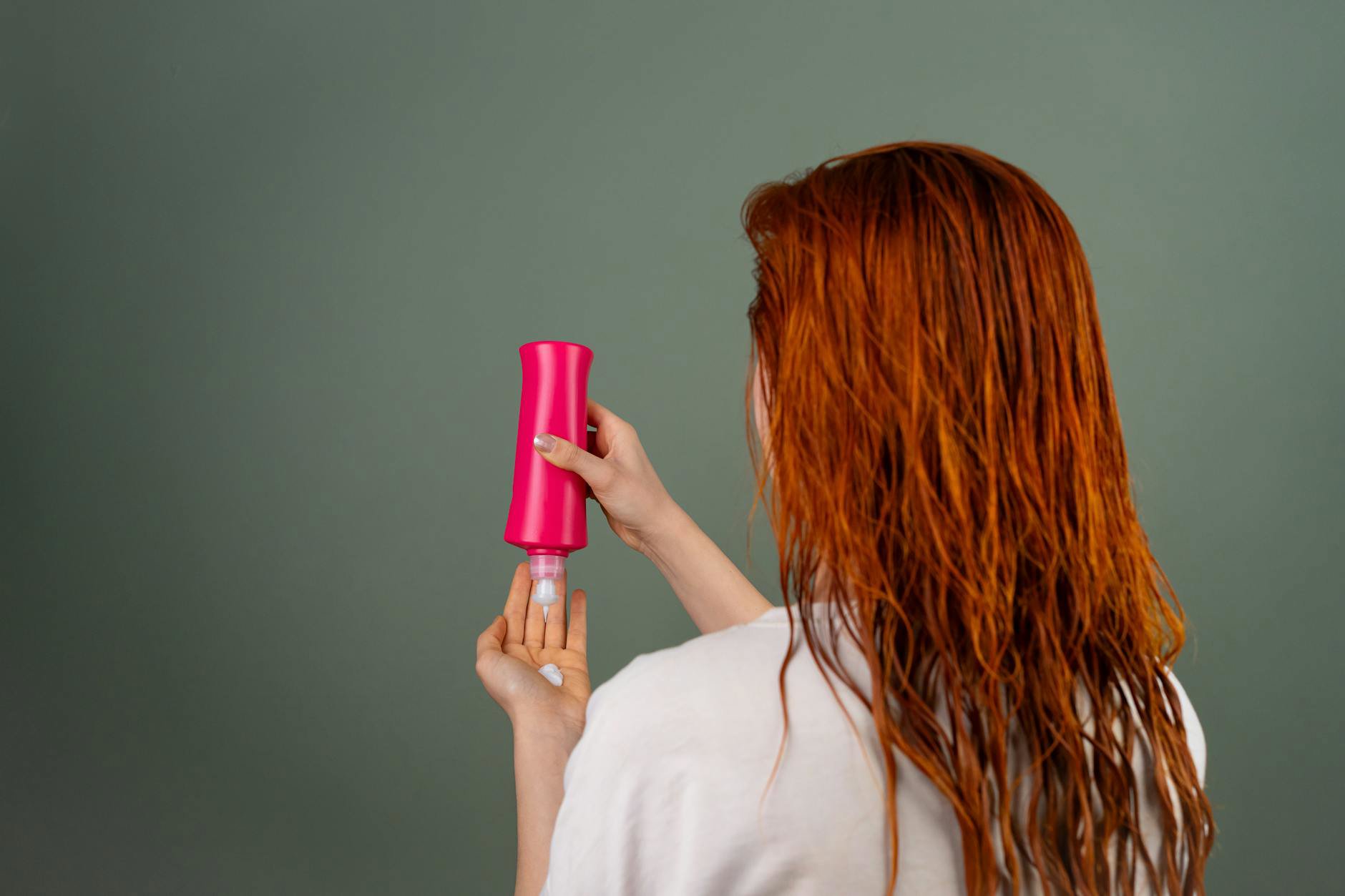
- Apply mid-length to ends. Rake with fingers. Add a wide-tooth comb only if your hair tolerates it without tension.
- Leave on 5–10 minutes for moisture masks. 10–20 minutes for protein-rich or reparative masks, unless the brand says less.
- Rinse to your finish preference (more on that below).
Step-by-step: Dry hair method
- Detangle gently on dry hair. Section first. Dry hair shows you your driest zones clearly.
- Warm a small amount between hands. Glide through mids and ends. Focus on the most brittle sections.
- Add a shower cap, then a warm towel for 10–20 minutes to boost penetration.
- Shampoo once to lift excess. Condition if needed. This method suits very coarse or high-density textures, or hair that needs a heavy-duty rescue.
Use wet on routine mask days. Reserve dry for rescue days or when product slip matters less than impact. If your roots get greasy fast, keep masks off the scalp unless the label says “scalp mask.”
Prep: sectioning, saturation, and tools that help
Prep makes a mask work harder. You want clean-enough hair, controlled water content, and tidy sections. You also want the right tool to spread product without tearing through tangles.
Clarify if your hair feels waxy, won’t hold a curl, or looks dull at the ends. Then switch back to a hydrating wash for regular use. Many women do best with one clarifying wash a month and soft cleansers the rest of the time. You’ll find options under Moisturising & Nourishing Shampoos. Balance matters more than brand names here.
Dry to damp. Squeeze, do not rub. Rubbing roughs the cuticle and steals shine before you even start. If your hair clings to water, take a few extra minutes. Less water equals more mask in the fiber, not swirling down the drain.
Section with four clips if your hair is medium density. Go to six or eight if your hair is thick or very curly. Use your fingers to rake first. Then use a wide-tooth comb while the mask sits. The comb distributes product and flattens the cuticle for better shine.
Mind your dose. Most women over-apply. Start with a small amount per section and add only if your fingers snag. Excess sits on top and makes rinsing tricky.
Timing by hair need and ingredient profile
Time the mask, not your daydream. The jar’s window exists for a reason. Overholding a rich mask can weigh hair down. Underholding a reparative mask can waste actives. Match your timer to your hair’s current need and the formula’s backbone.
Moisture-led masks (think glycerin, aloe, oils, butters) usually shine in 5–10 minutes on damp hair. They plump the fiber, improve slip, and tame frizz. They work well in humid regions if you rinse fully and keep the dose light. In arid climates, you can leave them closer to 10 minutes and seal with a small amount of conditioner.
Protein or bond-leaning masks (look for hydrolyzed wheat/silk/keratin, bond builders, or amino acids) need 10–20 minutes unless the instructions say otherwise. These formulas target internal strength, not just surface feel. Go easy if your hair feels stiff or squeaks when wet. That can signal protein overload. Space those masks every 2–4 weeks, or mix them into a rotation with moisture masks.
Color-treated hair often likes shorter contact with heavy butters to protect tone but appreciates bond-care within the instructed window. Heat can speed uptake but can also nudge color fade if you overdo it. Use low heat and a cap. Stick to brand directions on bond products. They often specify exact timing.
Low-porosity hair often resists product. Give it more time with moist, gentle heat. High-porosity hair soaks product fast but also lets it leak out. Keep timing moderate, then lock it down with a conditioner or a cool rinse.
Heat: when to add it and how to keep it safe
Controlled heat opens the cuticle slightly and improves slip. It boosts absorption for thick textures and low-porosity hair. It also helps any mask spread faster so you can use less. You have options that don’t fry your ends.
Use a plastic cap to trap humidity. Wrap a warm, damp towel over it for 5–10 minutes. Or sit under a hooded dryer on low for the same window. You can also wear a heat cap designed for conditioning. Keep it gentle. You want warm, not hot.
Skip direct hot tools on mask day. A blowdryer on high heat with no cap can rough up the cuticle and defeat the purpose. If you need speed, keep the dryer at a distance, cap on, and air set on low. Always test the temperature with your hand first. Comfort equals safety.
Curly and coily textures often win with heat-assisted masking once a week. Fine, straight hair often needs no heat or very brief warmth. Color-treated hair prefers low heat and shorter windows. If your crown gets oily, keep heat off the roots. Heat will drive conditioner there and can flatten volume.
{{IMAGE:woman under heat cap towel wrap}}Rinsing strategy: cool vs warm, conditioner sandwich, and finish
Rinse decides your final texture. You can tune slip, volume, and shine with water temperature and a quick final step. Don’t let all the work rinse away—or stick around where you don’t want it.
Start with warm water to break the mask down. Add a palmful of water, massage it into a milky emulsion mid-length to ends, then rinse. That emulsification step removes residue fast and reduces the need for a second wash.
Finish as you like it: cool for shine and less frizz, or lukewarm for softer volume. Cool water helps the cuticle lie flatter. Lukewarm keeps some bounce. Avoid hot water at the end. It swells the cuticle and can frizz out finer textures.
Try the conditioner sandwich for very dry or high-porosity hair. Use a light conditioner for one minute before the mask, then mask, then a quick conditioner rinse. The first layer adds slip for detangling. The final quick layer seals. If you prefer a simpler routine, mask on clean, damp hair and finish with a short cool rinse. You’ll still get shine.
If your hair feels coated after rinsing, do a gentle shampoo at the roots only, then a light conditioner on ends. That reset helps women with fine or straight hair who love rich masks but hate limp results. Browse lighter options under Moisturising & Nourishing Conditioners if you want an easier finish on weekdays.
Match technique to texture, thickness, and porosity
Not all hair wants the same mask or the same move. Use these quick profiles to tune your plan. You can also adjust by season. Summer humidity in Florida is not winter air in Utah.
Fine or straight hair
- Use gel-cream or light masks. Keep butters and heavy oils for rare rescue nights.
- Apply on damp hair from mid-length to ends. Avoid the root zone unless using a lightweight formula.
- Wait 5–7 minutes. Rinse warm, then cool for shine. If hair falls flat, follow with a pea-sized conditioner only on the last two inches.
Medium or wavy hair
- Alternate moisture masks weekly and protein/bond masks every 2–4 weeks.
- Apply on damp hair, use four sections, and comb through during the wait.
- Wait 7–12 minutes for moisture, 10–15 for protein. Rinse warm, finish cool. Scrunch out extra water with a T-shirt.
Thick, curly, or coily hair
- Choose richer masks with butters and oils for moisture weeks. Use strength care on a set schedule, not every wash.
- Apply on damp hair in 6–8 sections. Use the “praying hands” method or rake and smooth for curl clumps.
- Add gentle heat for 10 minutes. Rinse warm, then cool. Leave a whisper of slip in if you like a softer coil.
High vs low porosity
- Low porosity: add warmth and time so product moves in. Keep doses small to avoid film.
- High porosity: use moderate time and consider a conditioner seal. Avoid over-washing after.
Protective styles change access. Focus on the exposed lengths and new growth. Use a nozzle bottle to place mask where you can rinse well. Heavy product under tight styles can trap residue. Keep it light and time your take-down for a thorough wash day.
Build a weekly plan: rotation, frequency, and common pitfalls
Most women get the best results with one mask a week. Bump to twice during peak dryness or after color. Drop to once every two weeks if your hair starts to feel heavy. Keep a simple rotation: moisture weekly, protein or bond every second to fourth week based on how your hair responds.
Avoid protein overload. It shows up as stiff, squeaky, or straw-like strands that don’t move. If you feel that, pause protein and switch to moisture for two weeks. Also watch for over-oiling. If your hair sticks together or won’t hold a style, cut product amounts in half and shorten the wait time. A gentle cleanse at the roots helps reset.
Don’t sleep in strong protein masks. Overnight contact doesn’t equal extra repair. It can tip you into stiffness. If you like overnight masking, choose a light moisture formula and protect your pillowcase. Rinse well in the morning and condition for one minute to finish.
Scalp masking is a different project. Use a product labeled for scalp if you target flakes or buildup. Keep classic hair masks on the lengths. If a formula claims “root-to-tip,” try it on a small zone near the nape first. Oily scalps in summer need even more caution.
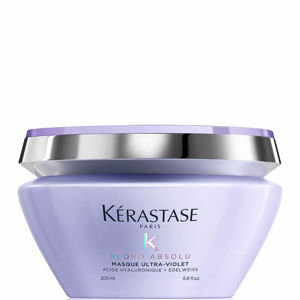
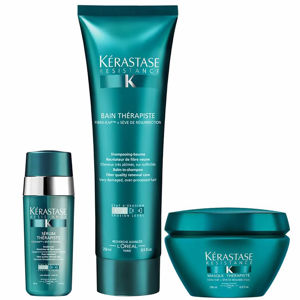
Need product ideas by tier? Prestige lines like Kérastase often focus on targeted concerns—moisture, strength, color care—while mass favorites from L’Oréal or Garnier deliver strong hydration at a friendlier price. Browse our full Hair Masks category to filter by concern, texture, and retailer.
Heat, humidity, and regional tweaks
Weather shifts your mask plan. In the humid south, moisture hovers in the air. Go lighter. Choose gel-cream textures. Reduce wait times to 5–7 minutes. Finish with a cool rinse to help the cuticle lie flat. Style with minimal leave-in and let the mask do the work.
In the dry west, winter air acts like a moisture vacuum. Add 2–3 minutes to your usual wait. Use gentle heat. Seal with a small amount of conditioner. Skip harsh clarifiers unless you feel clear build-up. Save them for once-a-month resets.
Cold northeast winters call for richer masks on wash days and heat-protected finishes. Wrap hair in a microfiber towel after rinsing. Use an oil or cream on ends only if your mask isn’t enough. In spring and summer, lighten back up and shorten your wait.
Traveling? Pack small, concentrated masks to dodge carry-on size limits. You’ll likely find travel sizes in our comparison feed when major retailers refresh seasonal sets. Add the one you want to your GlamGeek wishlist and we’ll ping you when the price dips.
Shopping smart: match the jar to your method
Where you shop affects what you see. Target and CVS stock budget-friendly masks that cover hydration well. Sephora, Ulta, Nordstrom, and Bluemercury lean into targeted repair, bond care, and color support. Amazon carries both, plus salon staples. Availability shifts during sales, and we see bundles pop up around Memorial Day and Black Friday.
Use our product pages to compare track records and textures. A butter-rich tub suits thick, coily hair and dry winters. A silicone-light gel suits fine hair and summer heat. If a mask promises “5-minute repair,” treat it like a strength care and time it. If a mask recommends “weekly moisture,” put it on your Sunday reset and adjust as your hair changes.
Price varies more than most women expect. We’ve seen the same mask run lower at one retailer, while another throws in a deluxe sample or a bundle. Click through to Hair Masks, compare the current offers, and add picks to your wishlist. Our alerts save you the extra tab surfing during big sale weeks.
For brand-centered browsing, start with heritage care from Kérastase for targeted lines, then check the value side with L’Oréal and Garnier. Method stays the same. Your budget and texture guide the jar.
Technique recipes by hair goal
Pick the problem, follow the recipe. These quick plays keep you out of guesswork and inside consistent results.
Goal: smooth frizz without flattening
- Wash lightly. Towel to damp.
- Apply a light mask from mid-length to ends in four sections.
- Wait 7 minutes. No heat. Rinse warm, then cool.
- Air-dry to 80%, then diffuse on low if you need speed.
Goal: recover from heat styling or a dry spell
- Shampoo to clean. Towel to damp.
- Apply a richer moisture mask in 6 sections. Add gentle heat for 10 minutes.
- Rinse warm. Finish with a one-minute conditioner seal if hair feels thirsty.
- Limit hot tools for 48 hours or use low heat only.
Goal: strengthen weak ends
- Shampoo to remove buildup. Towel to damp.
- Use a strength or bond mask. Apply mid-length to ends.
- Wait the label’s exact time, usually 10–20 minutes. No overnight hold.
- Rinse, then follow with a light conditioner on ends if hair feels tight.
Goal: define curls with soft touch
- Co-wash or use a gentle shampoo. Towel to damp.
- Mask in small sections with praying hands, then rake to encourage clumps.
- Add gentle heat for 8–10 minutes. Rinse cool and leave a hint of slip in.
- Scrunch with a T-shirt to finish.
What this means: a checklist you can actually use
Start with damp hair unless you plan a rescue on very dry lengths. Section based on density. Use less product than you think, then add only if fingers snag. Time by formula type: 5–10 minutes for moisture, 10–20 for strength unless the label says different. Add gentle heat for low-porosity or very coarse hair. Keep heat low for color. Rinse warm, finish cool if you want extra shine. Seal with a quick conditioner only if your hair loses moisture fast.
Build a rhythm. Mask weekly for maintenance, twice weekly in dry spells, and rotate strength care every 2–4 weeks. Reset with a clarifying shampoo once a month or when hair feels coated. If you feel stiffness or see limp roots, you likely overdid protein or product amount. Shorten timing, lighten the dose, or shift the formula until hair feels balanced.
Shop smarter than the shelf. We track prices across Sephora, Ulta, Target, Amazon, and Nordstrom so you don’t have to. Open the Hair Masks category, add a few to your wishlist, and catch alerts when a sale hits. Your method builds the finish. The right price builds the habit.
Your turn
Wet or dry—what delivers better results on your hair right now? Tell us your texture, climate, and favorite timing in the comments. Then add your next mask pick to your GlamGeek wishlist so we can ping you when the price drops. Smart routine, smart spend, better hair days.