Choosing the best nail file comes down to two things: the file material (emery vs glass vs metal) and the grit (how coarse or fine the surface feels). Get those right and you avoid the classic problems—peeling edges, splits, and nails that look “frayed” right after you shape them.
Most people buy a random file and then blame their nails. We’d flip that. Your nails respond to friction, pressure, and grit size, so the tool matters as much as technique.
Our price tracker has also shown a consistent pattern since we started tracking beauty pricing in 2010: the “best” nail file often costs under $10, and the upgrade you pay for should match your nail type, not a brand promise.
This guide breaks down nail file types, what grit numbers actually mean, and how to choose a file for natural nails, gel, acrylics, and common concerns like peeling or breakage. We’ll keep recommendations strictly to manicure tools from our tracked product list.
The basics: nail file materials and what grit numbers mean
Grit measures how rough the filing surface is. Lower numbers feel rougher and remove material faster. Higher numbers feel smoother and refine edges with less removal.
In practical terms, grit controls two outcomes: how quickly you can change length/shape, and how much micro-damage you create at the free edge. Too coarse and you can leave tiny tears that later turn into peeling. Too fine and you spend forever filing, which tempts you to press harder (also not great).
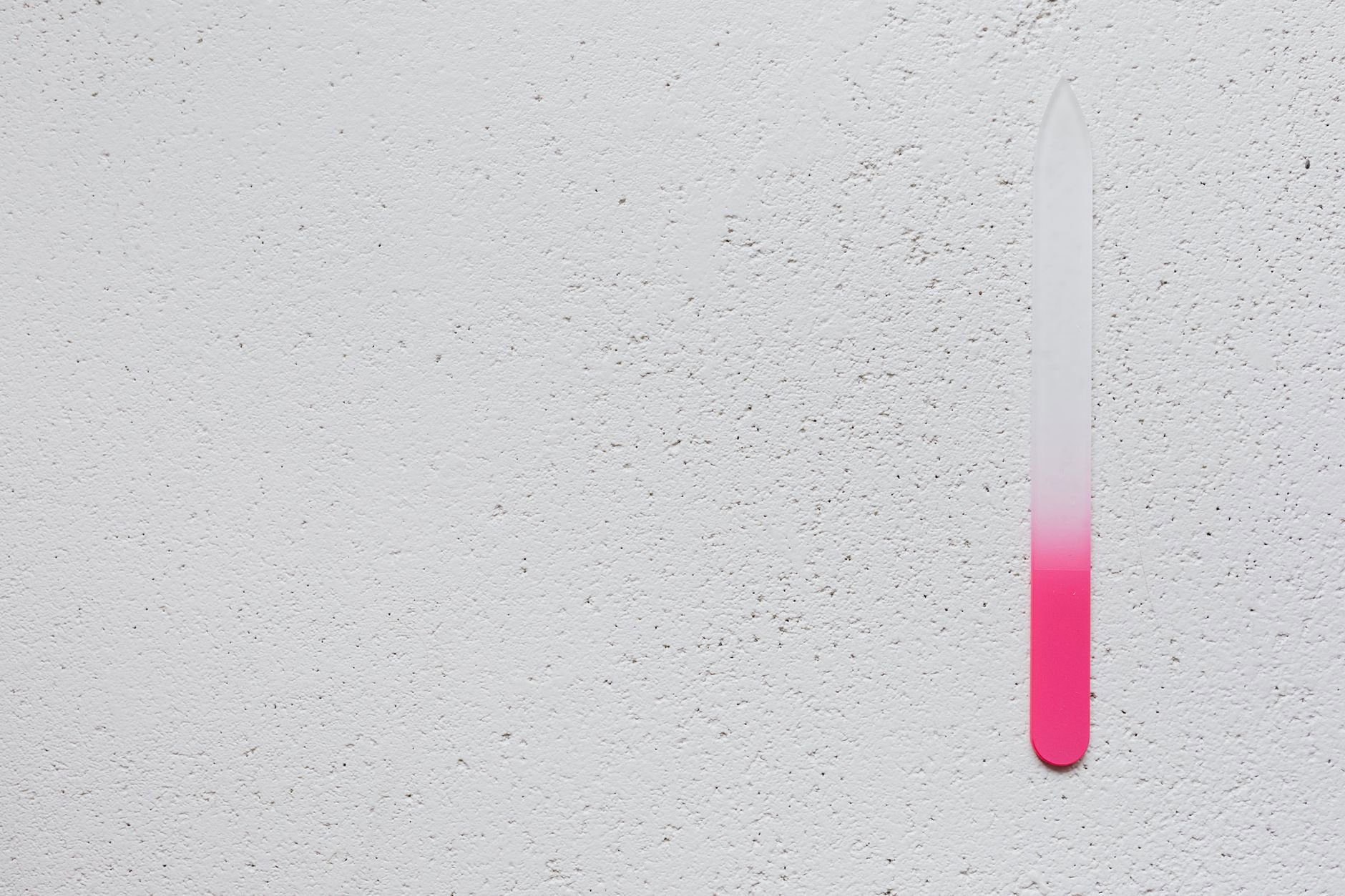
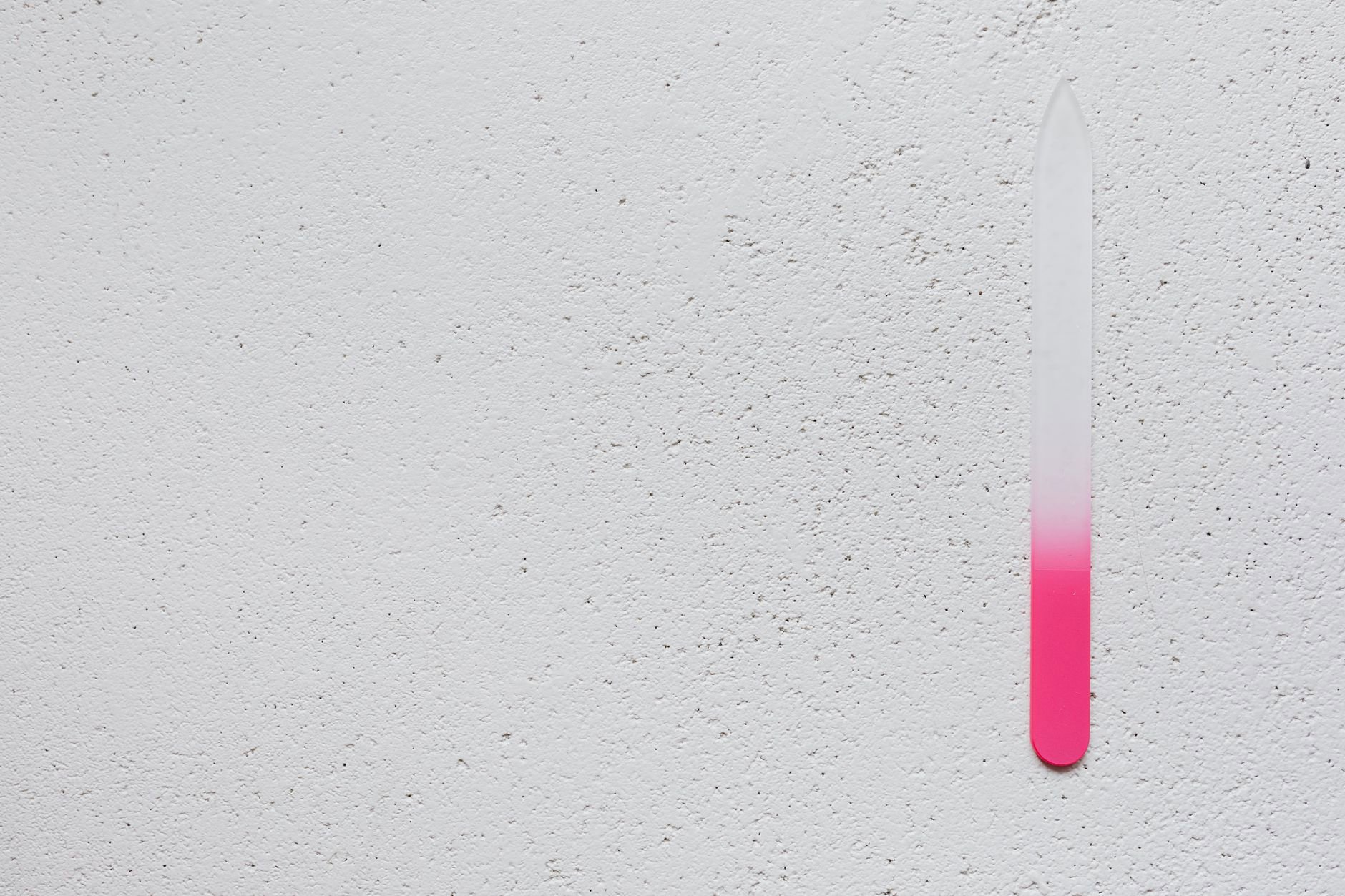
File material controls consistency and wear. Emery boards (the classic “sandpaper” style) can vary a lot from one file to the next. Glass files usually feel more even across the entire surface and tend to “seal” the edge better on natural nails, because they abrade in a more uniform way.
Metal files exist, but we’ll be blunt: for most natural nails, metal can feel harsh and tends to encourage a sawing motion. If you already deal with peeling, we’d usually steer you elsewhere. This article focuses on the options in our current manicure-tool list, which centers on emery and glass.
One more tool category matters here: buffers. Buffers don’t shape length the way a file does. They smooth ridges and add shine by gently abrading the surface. Used incorrectly, they can thin nails.
Emery boards: affordable, flexible, and easy to replace
Emery boards remain the default for a reason: they’re cheap, they’re easy to find at mass retailers like Target, CVS, and Walgreens, and they shape quickly.
The trade-off involves consistency. Emery boards wear down, and the grit can “patch” over time. That’s when people start pressing harder, which can rough up the nail edge instead of refining it.
From our tracked list, two approachable emery-style options stand out when you want a simple, replaceable file:
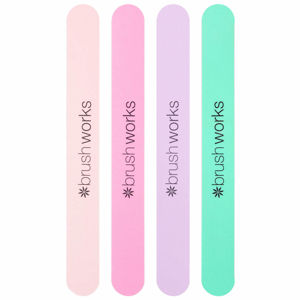
- brushworks Large Long Lasting Emery Board (from $1.71): a straightforward, large format file for shaping natural or false nails. It’s the kind of file you can keep in a bag and replace often without overthinking it.
- Tweezerman Neon Filemates (from $8.48): a set with fine and coarse sides, designed for shaping and sanding natural and acrylic nails, plus a case for storage. Dual-sided design helps you step down in roughness instead of using one harsh surface for everything.
When should you choose emery? When you need speed, you travel a lot, or you like the control of a flexible file that can follow a curved nail shape.
When should you skip it? If your free edges peel easily, or if you tend to “saw” back and forth aggressively. Emery can still work for peeling-prone nails, but you need a lighter touch and a finer surface.
Glass nail files: the best bet for peeling and breakage
If we had to pick one category that suits the widest range of natural-nail concerns, it’s glass.
Glass files use an abrasive surface that typically feels more uniform than disposable boards. That uniformity matters for nails that split, peel, or snag, because the goal is a smooth edge without micro-tears.
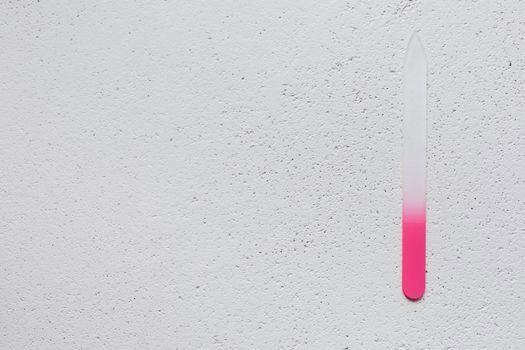
In our tracked manicure tools, the clear standout is the brushworks Crystal Glass File (from $3.44). The brand description calls out an abrasive surface designed to file natural and false nails without causing chipping or peeling, and it also notes vegan, cruelty-free, and halal positioning.
Price-wise, this is where the data gets funny: glass feels “premium,” but the tracked starting price sits firmly in drugstore territory. That makes it an easy upgrade if you’ve been stuck in a cycle of rough edges and constant snags.

Glass also pairs well with minimal pressure. That matters because breakage often comes from mechanical stress: repeated bending, snagging, and harsh filing that leaves weak points. You can’t file your way into stronger keratin, but you can stop creating avoidable damage.
One caveat: glass files feel slower if you’re taking off a lot of length. If you’re chopping down long nails quickly, you might start with a coarser emery surface and then refine with glass. The key involves finishing smooth, not stopping when the length looks right.
Grit guide: how to choose for natural nails, gel, and acrylics
Most shoppers see grit numbers online and assume higher always means better. Not true. Higher just means finer.
Here’s the practical way to use grit logic without getting stuck on exact numbers (since not every file in our list publishes a grit rating): match removal speed to the material you’re filing, then finish with a refining surface.
Natural nails
Natural nails usually do best with fine-to-medium filing and a gentle finish. If you deal with peeling or splitting, favor a smoother, more even abrasive.
- Best everyday pick: brushworks Crystal Glass File (from $3.44) for shaping and smoothing edges with less chipping risk.
- Budget backup: brushworks Large Long Lasting Emery Board (from $1.71) when you want a flexible, replaceable file—just keep pressure low.
Gel polish wearers (and removal tools that protect the nail)
Gel itself doesn’t require a special file for shaping, but gel wearers often file more because they change shape between sets or clean up edges after removal.
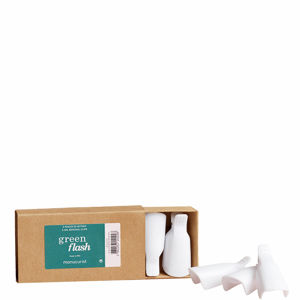
If you use a soak-off system, tool choice matters during removal. From our list, Manucurist Green Flash Removal Clips (from $6.90) hold cotton pads soaked in remover in place so you can swipe away polish without damaging nails, and they aim to remove gel polish in as little as one minute.
Less scraping equals less thinning. Simple.
Acrylics and stronger enhancements
Acrylic and other enhancements tolerate (and sometimes require) a coarser surface for shaping. You still want to refine after, because rough edges catch hair and fabric.
From our list, Tweezerman Neon Filemates (from $8.48) explicitly suits both natural and acrylic nails and includes fine and coarse sides. That’s the two-step idea in one tool: shape with the coarser side, then smooth with the finer side.
If you only use one surface on acrylic, pick the finer option for the last few passes. Those final strokes decide whether the edge looks clean or chewed.
Technique matters: how to file without fraying your edges
You can buy the right file and still get peeling if you file like you’re sanding a table.
Use this process instead. It works with an emery board, a glass file, or a dual-sided file set.
- Start with dry nails. Water makes nails swell, which can make edges more prone to splitting when they dry and contract.
- Pick your shape first. Squoval and oval shapes tend to resist snags better than sharp corners.
- File with light pressure. Let the abrasive do the work. Pressure creates heat and stress at the edge.
- Use controlled strokes. If you use an emery board, keep strokes steady and avoid frantic sawing.
- Refine the edge. Finish with a finer surface (or switch to glass) for the last few strokes.
Small habit, big payoff: after shaping, run the file very lightly along the underside corner of the free edge. One or two passes. This reduces the “hook” that catches and starts a peel.
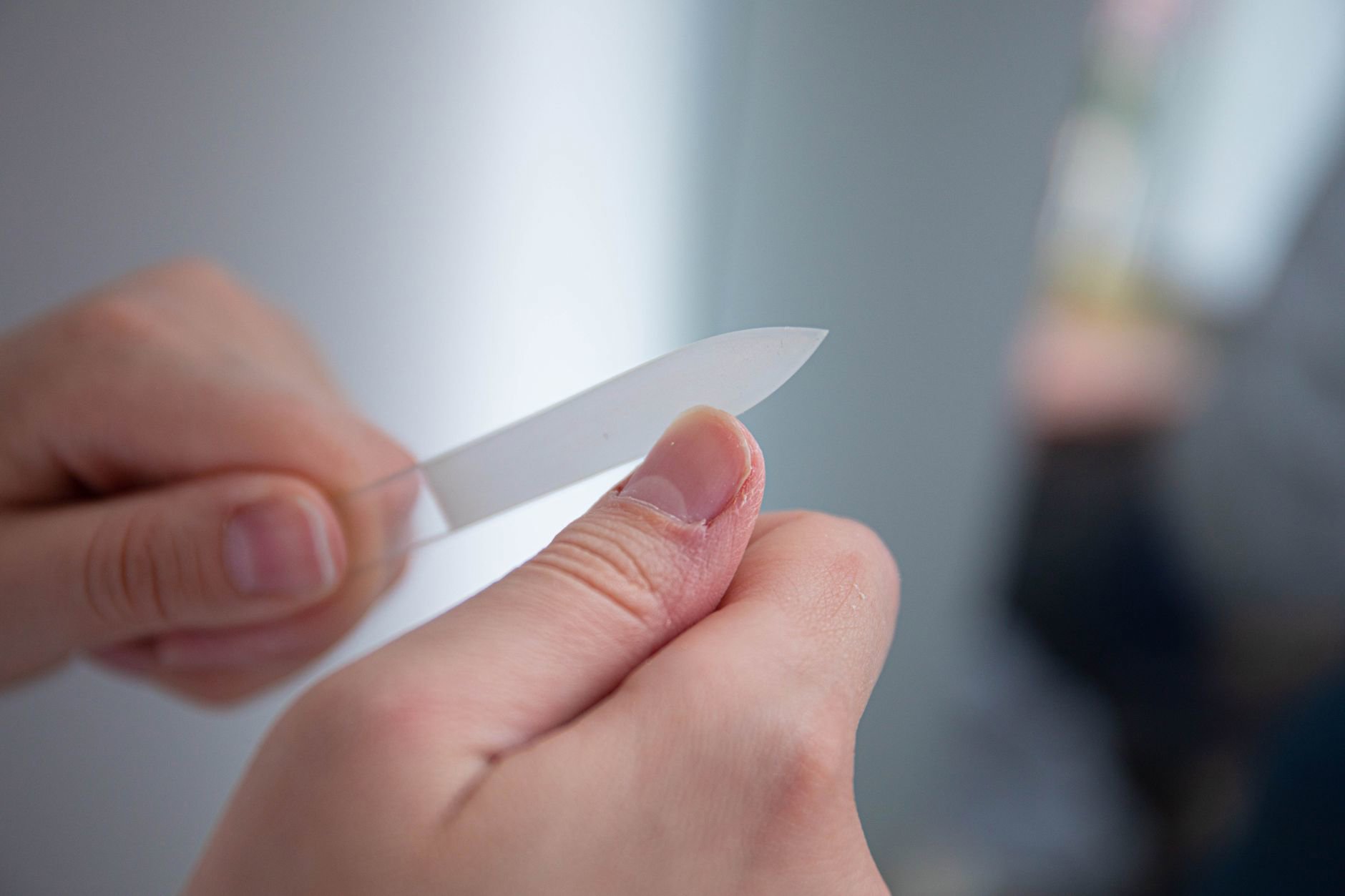
If you want shine without polish, use a buffer—but treat it like a finishing tool, not a weekly ritual. Over-buffing removes layers of nail plate. That can make nails feel bendy, which then leads to breakage.
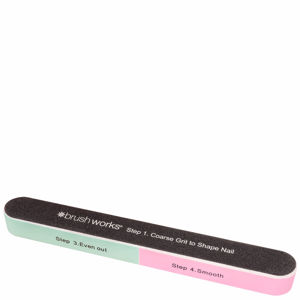
From our list, brushworks 6 Way Shape and Shine Nail Buffer (from $3.44) focuses on smoothing and gloss, and the brand notes it encourages natural oil production while evening out the surface. Keep it occasional, and stop as soon as the surface looks even.
Common concerns: peeling, breakage, ridges, and messy polish lines
Most “weak nails” complaints come down to mechanical wear. Tools can’t change your biology overnight, but they can stop you from shredding the edges every week.
If your nails peel at the tips
Peeling often starts as tiny splits at the free edge. Coarse filing and high pressure can make those splits worse.
We’d prioritize a smoother, consistent abrasive: brushworks Crystal Glass File (from $3.44). Then keep shaping minimal. Maintain length rather than doing big reshapes.
If your nails break (clean snaps)
Snaps often happen from impact plus leverage. Shape plays a role. Very square corners catch and torque.
Try rounding corners slightly and keeping the free edge shorter. Use a file that refines well, like Tweezerman Neon Filemates (from $8.48) on the fine side, or go glass.
If you have ridges and want a smoother look
Ridges tempt people to buff aggressively. Don’t.
Use a multi-surface buffer sparingly. The brushworks 6 Way Shape and Shine Nail Buffer (from $3.44) gives you steps to smooth and add shine, but you still control frequency. If your nails start feeling thinner, stop and switch to just filing and gentle maintenance.
If you always flood the cuticle with polish
This isn’t a file problem, but it affects how “clean” your manicure looks.
Mavala Correcteur - For Nail Polish (from $14.37) targets excess polish around cuticles and skin with a pen format for quick corrections. It’s a tool solution for a technique issue, and it saves you from picking at polish while it’s wet.
Building a smart nail-file kit (without overbuying)
You don’t need a 15-piece kit to get clean nails. You need the right basics, and you need duplicates only where it makes sense.
Here’s a practical, minimal setup using only tools from our tracked list. Adjust based on whether you wear enhancements.
- One primary file: brushworks Crystal Glass File (from $3.44) for natural nails and gentle edge finishing.
- One disposable/backup option: brushworks Large Long Lasting Emery Board (from $1.71) for travel, quick fixes, or when you want a flexible file.
- One dual-sided file for mixed use: Tweezerman Neon Filemates (from $8.48) if you switch between natural nails and acrylics, or you like coarse-then-fine shaping.
- One buffer (optional): brushworks 6 Way Shape and Shine Nail Buffer (from $3.44) for occasional smoothing and shine.
If you also do gel, add a removal-assist tool rather than scraping. Manucurist Green Flash Removal Clips (from $6.90) keep remover pads in place and aim to reduce nail damage during polish removal.
Retail reality check: Sephora and Nordstrom often stock higher-ticket nail accessories, while Target and CVS lean budget. But our pricing data tends to show the biggest value jump comes from switching type (glass vs random board), not from buying the most expensive version of the same thing.
For readers browsing other categories on GlamGeek, you’ll see plenty of tools in Makeup Brushes & Applicators, and lots of staples in skin care. Just keep your nail tools separate and clean so they last longer.
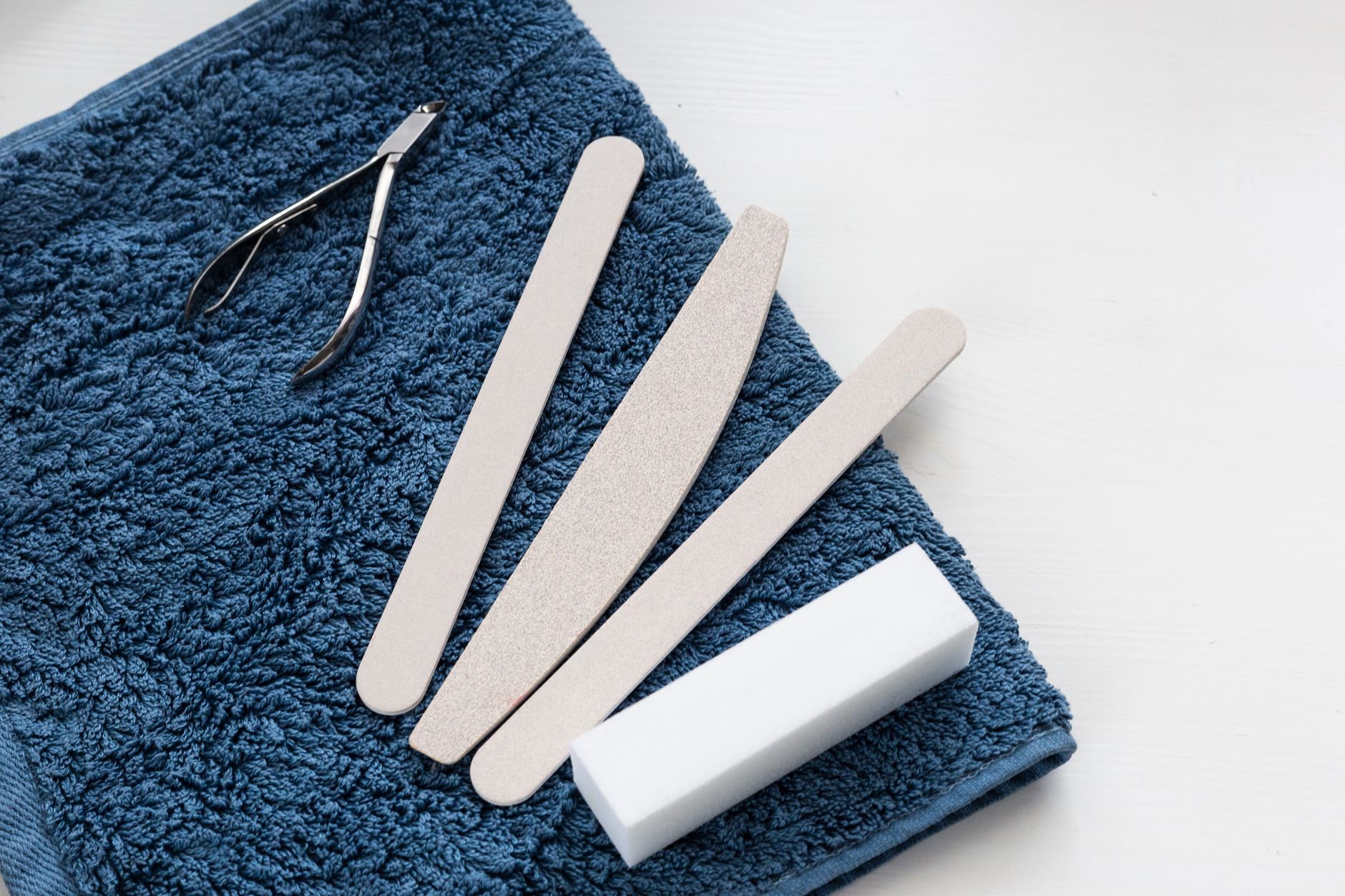
Practical tips you can use today (quick wins)
Stop filing after a shower. Shape before you wash dishes, shower, or soak. Dry nails file more predictably, and you reduce the risk of edge splitting as the nail dries.
Use a two-step finish. Even if you only own one file, mimic the “coarse then fine” idea: do the shaping first, then lighten pressure for the last 5–10 strokes. If you own a glass file, make those final strokes with glass.
Replace emery boards more often than you think. When an emery board loses grit, it doesn’t become “gentle.” It becomes inconsistent. That inconsistency encourages pressure, which damages edges.
Keep one file in your bag. Snags cause breaks. A cheap backup like the brushworks Large Long Lasting Emery Board (from $1.71) can prevent a small tear from turning into a full split.
Shop sales, but don’t wait forever. Nail tools often dip during big retail moments at Ulta and Sephora, and mass retailers rotate deals too. Still, a $3–$9 file that stops peeling can pay for itself fast.
If you want to browse other brands on GlamGeek while you’re here, you can also explore pages like Sephora Collection, MAC, Clinique, and Charlotte Tilbury. Different category, same idea: pick tools that match the job.
What nail issue are you trying to fix—peeling tips, breakage, or shaping acrylics? If you tell us your nail type and what you wear (natural, gel, acrylic), we’ll point you to the best file setup from the list above.