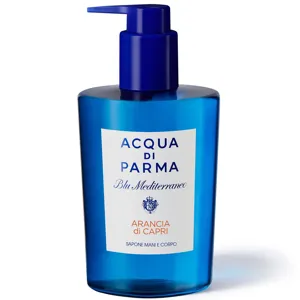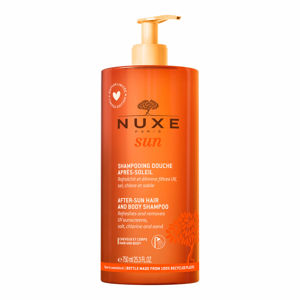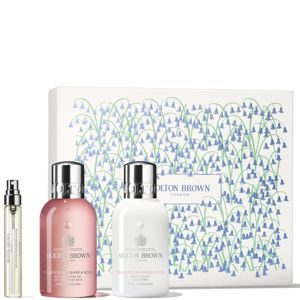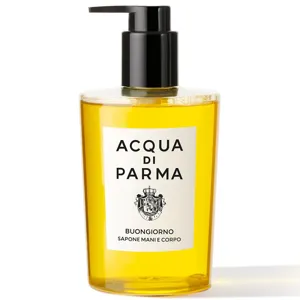
Our price tracker sees one constant every year: women love a jumbo body wash. Retailers push value sizes from April through holiday, and shoppers grab them. The flip side? Half-full bottles sit in steamy showers long after they should.
We get the same question week after week: does body wash expire? Short answer, yes. Most formulas stay safe and stable for a while, but not forever. Labels hide the answer in plain sight, and the bottle will often tell you when it’s time to let go.
Context: why this question keeps coming up
GlamGeek has tracked bath and body pricing and product specs across major U.S. retailers since 2010. PAO symbols—those “12M” or “24M” markings—show up on most shower gels and washes, and we see them in product feeds from Sephora, Ulta, Target, CVS, and Amazon. They point to real timelines.
We also see usage patterns. Jumbo formats surged post-2018 as pumps and refill pouches took off. Refill listings rose in our merchant feed from 2022. That shift saves plastic and dollars, but it tempts everyone to stretch a bottle far past its best window.
Seasonal sales fuel stockpiles as well. Black Friday deals and Memorial Day promos move a lot of multi-packs. Our data shows frequent discounts on body care during those periods, which means more backups under the sink. Backups age too.
Formulas behave differently across climates. The humid South and coastal summers challenge preservatives because bottles sit warm and wet. The dry West and cold Northeast keep bottles stable longer, but wide temperature swings in winter entryways don’t help either. Storage choices matter as much as the date code.
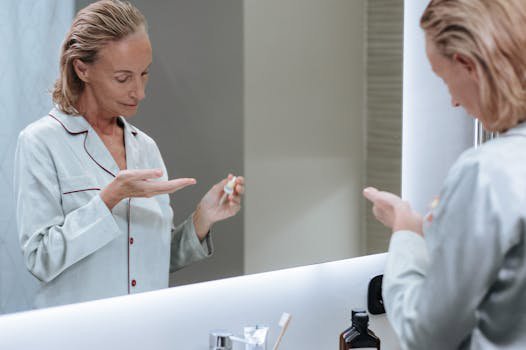
{{IMAGE:woman in shower holding body wash}}PAO decoded: what 12M and 24M actually mean
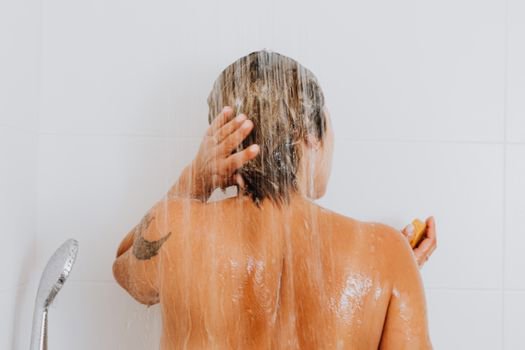
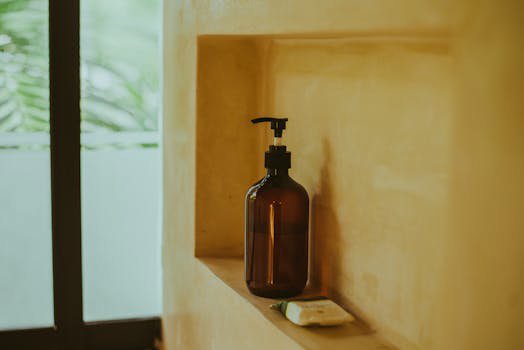
Look for a tiny open-jar icon on your bottle or box. The number inside—often 12M, 18M, or 24M—stands for “Period After Opening.” It marks the months a product stays safe and effective after you first open it.
PAO differs from a fixed expiration date. Many body washes don’t print a hard “use by” because stability depends on exposure to air, water, heat, and bacteria. Once you crack the seal, the clock starts. Open it in August and finish it the next summer if it says 12M. Keep track with a marker on the bottle’s bottom. Simple and effective.
Unopened bottles usually last longer than the PAO suggests. Brands often design wash formulas to stay stable for years while sealed. That window varies by preservative system and packaging. If you buy backups during a sale, stash them away from heat and light and plan to open them within a couple of years. If you inherit a mystery bottle with no label or box, treat it as suspect.
Batch codes can help you date a product. Many brands stamp a short alphanumeric code on the crimp or base. You can email the brand for decoding if needed. That step helps when you uncover a forgotten shower gel in a guest bathroom and wonder whether to use it or bin it.
Preservatives and why they matter in the shower
Body wash lives in a brutal environment. The formula faces heat, steam, and constant water splash. Preservatives protect it from mold and bacteria. Without them, even the best surfactants turn into a petri dish. Preservatives don’t make a formula harsh by default. They keep it safe.
Common systems include phenoxyethanol and ethylhexylglycerin, organic acids like benzoic and sorbic acid, and multifunctionals that inhibit growth while helping texture. Parabens still appear in some legacy formulas because they work well in water-heavy products. Some brands avoid them and still keep stability solid with modern blends. The label shows the choice.
“Natural” washes often lean on milder systems, essential oils, or lower water activity. Some do it well. Others struggle in a shower. If you prefer a minimal-preservative formula, buy smaller sizes and finish them quickly. Store the bottle away from the direct spray. Close the cap every time.
Medicated washes bring their own variables. Salicylic acid body cleansers can crystallize or settle over time. Sulfur can separate and smell stronger as months pass. Benzoyl peroxide bleaches towels and loses punch with heat and age. These shifts don’t always scream “spoilage,” but they do flag reduced performance. Respect the PAO on active formulas and replace them on schedule.
Clear signs your body wash has gone bad
Trust your senses and the bottle’s behavior. A few signals show up again and again across brands and retailers.
- Off or sour odor. Many body washes use fragrance that holds steady for months. A sudden vinegar, musty, or “old oil” note signals breakdown or contamination.
- Texture changes. A stable wash should pour or pump smoothly. Clumps, stringy gels, grainy bits, or gummy residue suggest the formula broke.
- Separation that won’t remix. Mild settling happens in thin formulas. If shaking does nothing and layers sit stubbornly, the emulsion likely failed.
- Color shift. Mild darkening near the neck can happen with oxygen exposure. A major color change across the bottle means oxidation or microbial growth.
- Foam loss. Sudden, persistent low lather in the same water conditions hints at surfactant degradation.
- Irritation out of nowhere. A favorite wash shouldn’t sting. Sharp tingling or itch on intact skin points to pH drift or contamination. Stop and reassess the bottle.
- Visible mold or film on the mouth. Bin it. Don’t try to scrape or rinse and continue.
You might notice more than one sign at once. One strong red flag is enough to retire the bottle. Keep a backup travel mini on hand so you don’t stretch a questionable wash to the last drop.
Storage that keeps body wash fresher, longer
You can extend a wash’s life with a few habits. None cost much. All pay off.
- Cap it between uses. Air and splash carry microbes. A closed cap blocks both.
- Keep it out of the direct spray. Store it on a shelf away from standing water. A corner caddy works.
- Avoid sun and heat. Window ledges cook formulas. Under-sink cabinets near hot pipes bake them too. Pick a cool, dim spot for backups.
- Don’t add water to thin a thick wash. You dilute the preservative system and invite growth. Use a bath sponge or shower puff if you want more slip.
- Buy sizes you can finish in the PAO window. A petite bottle beats a forgotten liter in a guest bath.
- Use a clean pump. If your bottle takes a pump insert, sanitize it before use. Don’t reuse a pump from an old, questionable bottle.
- Travel smart. Decant into a clean, dry mini container. Label the open date. Finish travel decants fast since they see more air.
Climate affects all of this. Gulf Coast humidity taxes any formula. Desert heat in summer cars can hit triple digits. Leave backups in a closet rather than a garage. Rotate stock seasonally so older bottles move to the front.
Pumps, tubes, and pouches: packaging plays a real role
Not all packaging handles the shower the same way. We see fewer jar formats for body wash because jars invite wet fingers. Good choice. Most brands sell in flip-cap bottles, pumps, or refill pouches.
Pumps reduce contamination because you don’t touch the product at the neck. They also limit air with one-way valves. A well-made disc top or flip cap works too if you close it after each use. Squeeze tubes do a nice job in travel bags and small showers because they keep the opening narrow.
Refill pouches cut plastic and cost. They also require a clean, dry base bottle. Wash and fully dry that base between refills. Don’t top off a bottle with a month’s worth of old residue left inside. Avoid mixing brands in one bottle. Different preservative systems can clash and destabilize.
If you love big bottles, pick a format that fits your routine. A sturdy pump on a wide base helps on slippery shelves. A smaller tube near the shower head might see more splash. Make your choice based on where you store it and who uses it.
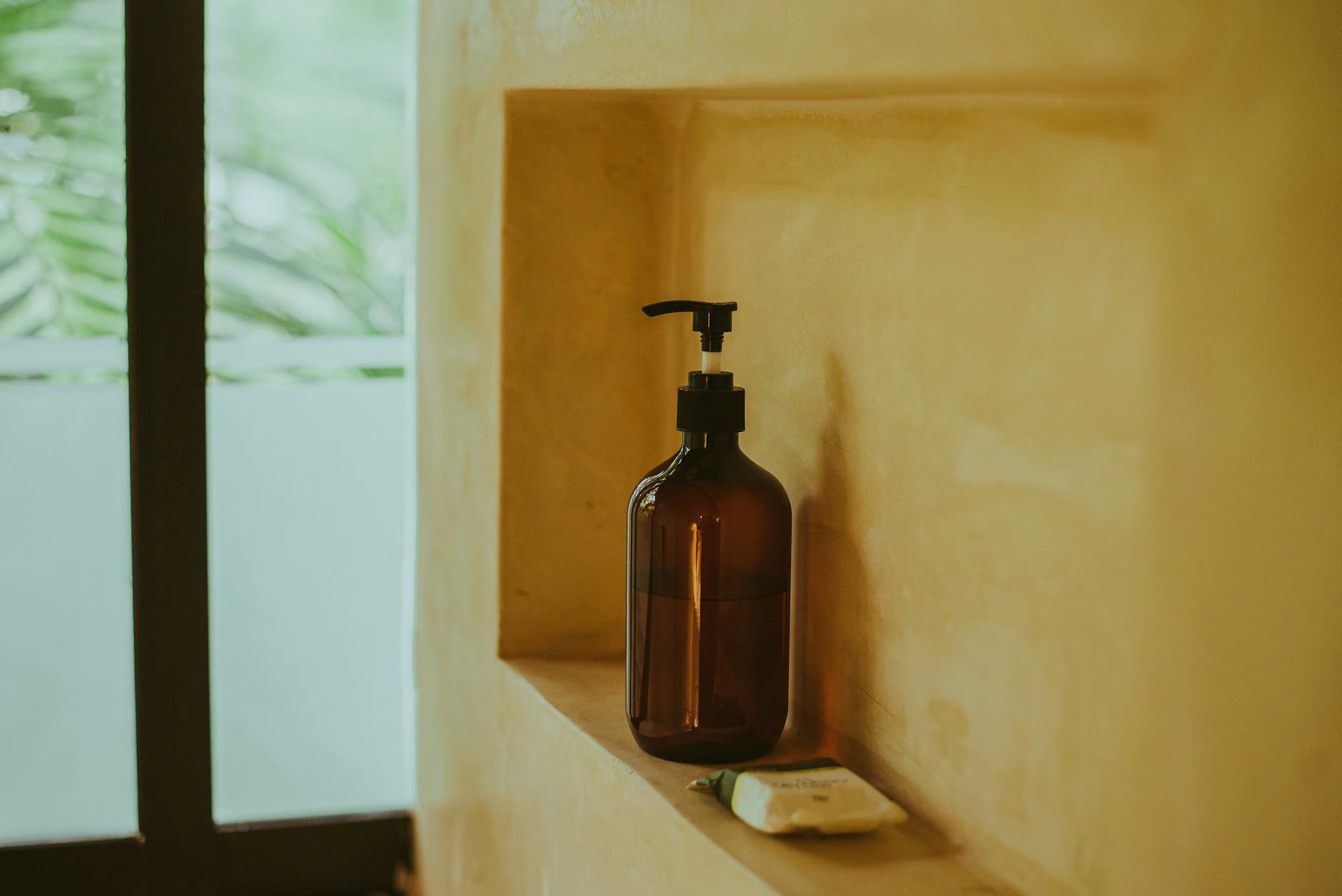
{{IMAGE:flatlay body wash bottles and PAO symbol}}Natural, fragrance-free, and medicated: does type change the timeline?
Formula type changes how long a wash stays at its best. The PAO reflects that. You still need to judge with your senses and storage.
“Natural” or essential oil–scented washes may rely on mild preservatives and higher fragrance loads. Essential oils oxidize over time, especially in warm bathrooms. Oxidized oils can smell sharper and may irritate sensitive skin. Buy these in smaller sizes and finish them within the PAO. Store backups in a cool, dark cabinet.
Fragrance-free means no added scent, not no preservatives. Many fragrance-free formulas use solid preservation so they stay calm on skin. You still need to mind the clock and cap. If a fragrance-free wash starts to smell odd, that shift signals trouble faster because no perfume masks it.
Medicated options demand extra attention. Acne-focused washes with salicylic acid can lose clarity or show crystals near the cap. That doesn’t always mean contamination, but it does show age. Benzoyl peroxide wash degrades with heat and light and can stain fabric more over time. Sulfur formulas separate and smell stronger as they sit. Follow the PAO and replace these on time for predictable results.
If you use body wash plus active serums on body skin, pick gentle partners. You can layer a soothing lotion after cleansing to buffer potential irritation. Our body care category groupings help here. Browse Shower Gels & Body Washes and pair with a calm hydrator from Body Lotions or richer picks in Body Creams.
Can you use expired body wash? The real risks
Expired doesn’t always mean dangerous, but it rarely means ideal. Most body washes won’t turn toxic the day after PAO. They will lose performance and predictability as months pass. That unpredictability matters on skin.
The main risks: reduced cleansing power, destabilized fragrance, pH drift, and microbial growth. Reduced lather just wastes time. Drift and growth raise the chance of redness or itch, especially in humid climates and sensitive areas. Don’t use an old wash on broken skin, fresh wax, or after shaving. That sting tells you enough.
If a wash smells normal, looks normal, and sits within its PAO, it likely works as intended. If you sit near or beyond the PAO and notice subtle changes, you can patch test. Apply a small amount on the inner forearm. Rinse after a minute. Check for redness or itch over 24 hours. If anything feels off, stop and replace it.
Budget matters. We see wide price ranges across retailers, and a jumbo bottle can feel hard to toss. Use our comparison tool to spot smaller formats from the same line. Many brands sell a standard bottle and a travel size. Add the size you can finish to your GlamGeek wishlist and we’ll ping you when the price drops. That step keeps money in your pocket and goo out of the drain.
Smart shopping, finishing, and decluttering
We rate a tidy shower. Fewer open bottles mean less age, less splash, and fewer what-if questions.
- Buy sizes you finish within 6–12 weeks if you share a bathroom, or 8–16 weeks if you live solo. That cadence fits most PAO windows with margin.
- Open one body wash per format. Keep a sensitive-skin option and an exfoliating option, not five half-used scents.
- Rotate seasonally. Use richer, low-foam washes in winter and lighter gels in summer. Finish open bottles before you switch.
- Mark open dates with a fine-tip marker on the back label. The habit takes three seconds and saves guesswork months later.
- Shop sales with a plan. Black Friday bundles look great. Buy what you can open within a year or two, and store backups cool and dark.
- Check our listings before you restock. We track prices across Sephora, Ulta, Target, Amazon, and more, so you don’t have to. Compare and choose the size and ship method that fit your routine.
Refill culture can work if you keep the base clean. Finish the bottle. Wash it with hot water and a touch of dish soap. Rinse well. Let it dry fully, pump included. Then refill from a pouch. Don’t build a cocktail of old layers and new product.
Want a gentle upgrade? Explore fragrance-free and sensitive-skin options from brands with strong preservation records. You can start with accessible lines like Sephora Collection or look at heritage skincare houses like Clinique that tend to label PAO clearly. Value-focused brands like Garnier or L'Oréal often run promotions at mass retailers, which helps when you prefer smaller bottles and frequent rotation. If you enjoy sensorial formulas, body cleansers from The Body Shop bring varied textures and sizes so you can match pace with your usage.
How to read codes and estimate unopened shelf life
When a bottle sits sealed, the timeline stretches. Most water-based cleansers stay stable unopened for years if you store them well. Heat and light still chip away at that margin.
Here’s a simple method when you face a stash or a mystery backup:
- Find the PAO and batch code. The PAO tells you the plan after opening. The batch code helps you contact the brand for the production date.
- Check the packaging condition. Yellowed, brittle plastic or warped caps hint at heat exposure. That ages the contents too.
- Open and assess. Take one sniff and one look. If anything seems off, bin it. If it looks and smells normal, mark the open date and use it briskly.
- Don’t stockpile more than you can open within two years. Our tracker shows frequent promos throughout the year. You can buy fresh later at a good price.
Some specialty washes carry a shorter horizon even sealed. Think high-load AHA cleansers or products with suspended powders. Brands note these limits on boxes more often than bottles. If you discard outer packaging, snap a photo of the box for reference when you first buy it.
If you prefer to shop once and forget it, pick evergreen classics from brands with consistent supply. Larger houses like Estée Lauder and Lancôme tend to keep clear coding and stable preservation frameworks across their lines. You can also lean on our product pages for quick specs, user ratings, and a live price snapshot before you add to cart.
When to bin it without debate
Some situations don’t need detective work. Toss the bottle and move on.
- Visible mold, film, or black spots near the cap or inside. No exceptions.
- Persistent stink that lingers after you wash. That scent signals breakdown you won’t reverse.
- Layering or chunks that won’t mix with shaking. The emulsion failed.
- Stinging or redness on intact skin after normal use. Your skin votes no.
- A PAO long exceeded, plus any doubt. Don’t keep a “shower museum.”
Use this moment to reset. Pick one fresh wash that fits your current season and skin feel. Keep a backup travel mini in a drawer, not the shower. Add your picks to a GlamGeek wishlist so we can ping you when prices drop or when a holiday set makes sense for your pace.
What this means for your routine
Body wash can expire, and the bottle gives you the tools to judge. Read the PAO. Mark your open date. Store it smart. Scan for the classic signs of age. None of this takes long, and it saves skin and money.
Buy what you can finish. Choose packaging that suits your storage. Respect active formulas’ shorter windows. Keep one or two options open, not five. Track prices with our comparison so you can grab smaller sizes or refills when they hit a good promo. You’ll keep your shower organized and your skin happier.
If you want to refresh your lineup now, browse our edited picks in Shower Gels & Body Washes. Pair a gentle cleanser with a moisturizer from Body Lotions or Body Creams. Add them to your GlamGeek wishlist and let us track the price across Sephora, Ulta, Target, Amazon, and more.
Tell us what you’re seeing
Have you spotted a PAO symbol you didn’t recognize? Do you notice faster changes in summer humidity or after a move to a colder climate? Which packaging works best in a busy household? Share your real-world signals and storage tricks. We’ll compare notes with what our data shows and update our guides to keep your shower stash sharp.