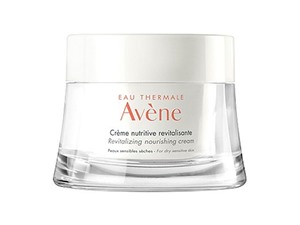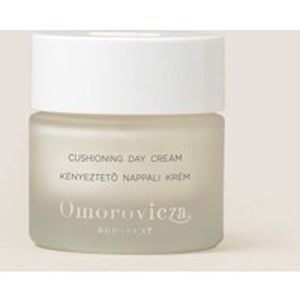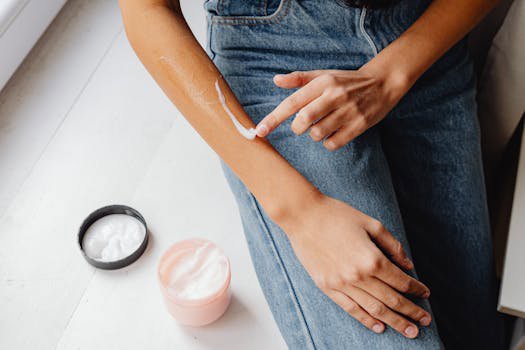
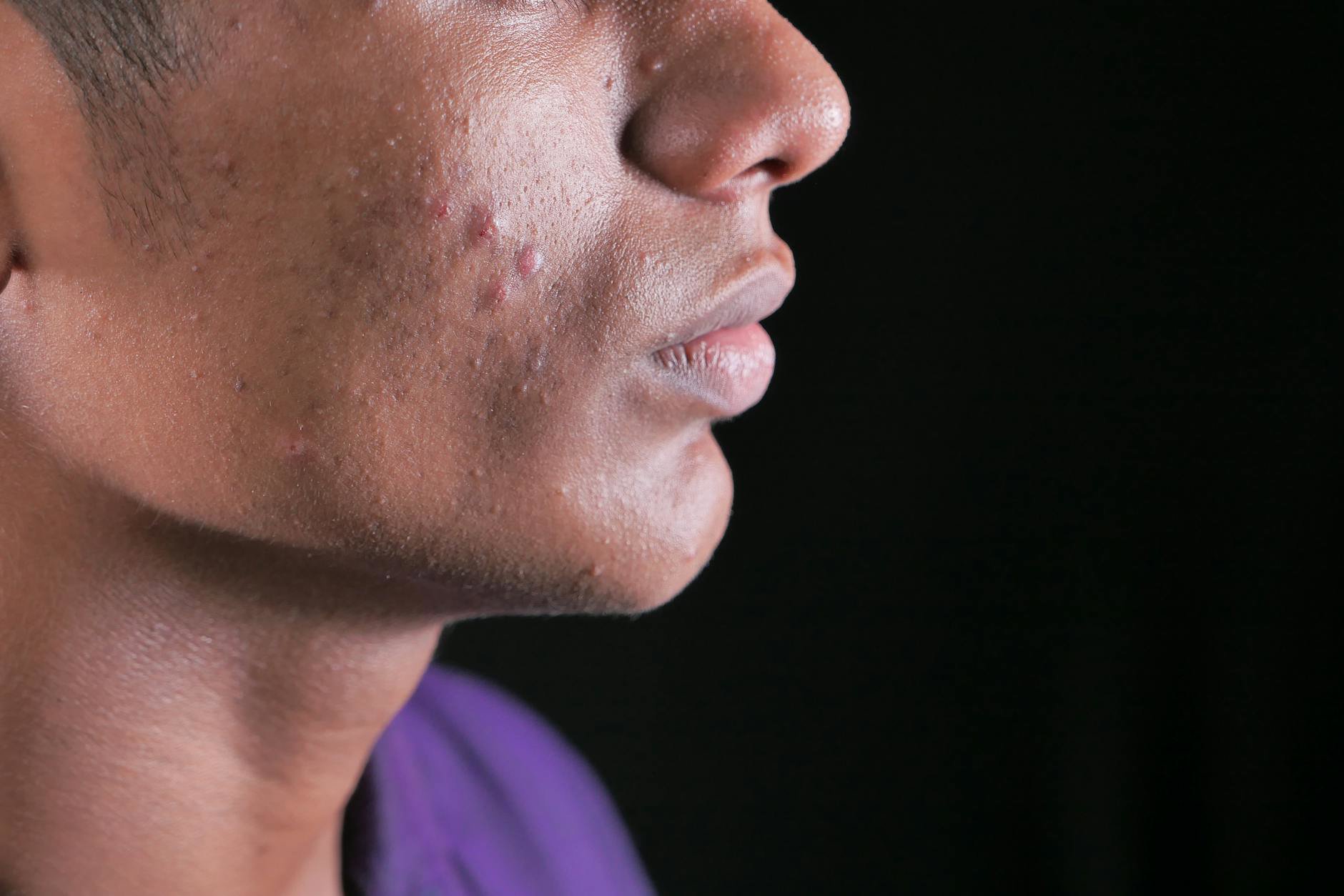
Shine at noon does not mean skip moisturizer at nine. Our pricing data shows oil-controlling day creams surge in demand as soon as temperatures rise, and gel moisturizers trend well beyond summer. Women want hydration that respects oil-prone skin. They also want SPF and a finish that stays presentable through work, errands, and humid commutes.
Here’s the quiet truth brands often hide with glossy claims: oily skin still dehydrates. The right day moisturizer holds water in the skin, steadies oil flow, and helps makeup sit better. The wrong one slides, pills, or clogs. The difference comes down to texture, ingredients, and a few smart application tweaks.
Across our merchant feed, we see lightweight gel-creams and oil-free lotions move fastest at Sephora and Ulta from late spring through early fall. Target leans budget-friendly and keeps shelves deep with mattifying options. Nordstrom and Bluemercury lean to refined textures and higher active loads. The good news: you can get great shine control at any price tier if you know what to look for.
Oily skin often shows visible pores, mid-day shine, and frequent blackheads, but it can still feel tight after cleansing. That tightness signals water loss, not a need for more oil. Day moisturizers for oily skin should do three jobs: rehydrate with light humectants, buffer with non-greasy emollients, and hold makeup without a heavy film. When they do, blotting becomes optional.
Our price tracker also flags another pattern. Oil-control claims sell best when tied to familiar actives: niacinamide, zinc PCA, green tea, and salicylic acid lead the pack. We also see a steady move toward hybrid textures that include SPF, though many shoppers still prefer a separate sunscreen layer for reliability. Either route can work if the finish suits you.
{{IMAGE:flatlay oily skin moisturizers serums spf}}What oily skin actually needs from a day moisturizer
Oily skin overproduces sebum. Dehydrated skin lacks water. You can have both at once. A good day moisturizer balances water and oil factors instead of stripping. Look for humectants that draw water in and light emollients that smooth without occlusion. A balanced formula stops the tight-then-greasy cycle many women face by midday.
Humectants like glycerin and hyaluronic acid pull water into the upper skin layers. They feel weightless and help plump texture. Alone, they evaporate too fast. You need a thin emollient to keep that water put. Squalane and certain silicones form breathable films that smooth the look of pores and steady shine under makeup.
Skip blanket “oil-free equals best” thinking. Some oils sit light and non-greasy, and some oil-free gels still clog for certain women. Focus on how the brand builds the base. Water-first, gel textures tend to suit oily skin. Gels that include film-forming agents set well, keep foundation from pooling, and resist heat and humidity.
Textures that work: gels, gel-creams, and light lotions
Texture controls your wear time. Gels feel splashy and vanish on contact. Gel-creams add a hint of cushion for dehydration without greasiness. Lotions sit in between and suit those who need a hair more slip under makeup. If you get midday shine in a cool office, you likely need a gel-cream rather than a pure gel. If you live in a humid climate, a gel can carry you through summer.
Silicone-forward formulas often win during the day. Dimethicone and related polymers give slip and a soft-focus finish that pairs well with foundation. They also block water loss without the greasy weight of waxes. That said, avoid very heavy occlusives at 8 a.m. Thick butters or rich mineral oil blends trap heat and can lift makeup by noon.
Prefer a blurred finish? Try a moisturizer that reads like a primer. Many brands now blend hydrators with oil-absorbing microspheres. These hybrid textures give you a matte base that still feels flexible. If your foundation pills, reduce layers. Switch to a moisturizer that does a bit of everything and apply less primer, or none at all.
Ingredients that hydrate without shine
Pick ingredients for function, not hype. Humectants and barrier-support actives form the base of a shine-smart routine. The right mix soothes, hydrates, and supports your skin’s own oil balance over time.
Hydration workhorses to favor:
- Glycerin and hyaluronic acid: draw water in and plump.
- Panthenol: calms and helps barrier function.
- Betaine and sodium PCA: add weightless moisture with a soft feel.
Barrier helpers that do not feel heavy:
- Niacinamide: supports the barrier, improves tone look, and can reduce the look of pores over time.
- Ceramides in light bases: protect without waxy weight when paired with gels.
- Squalane: a dry-touch emollient that smooths without greasiness.
Antioxidants make sense for day. Vitamin C derivatives, green tea, and resveratrol help fight free radicals from UV and pollution. They also support brightness. If pure L-ascorbic acid irritates you, look for gentler derivatives in gel-cream moisturizers. You can also apply a vitamin C serum first and follow with a light lotion. See our picks in Day Face Serums and match the texture to your climate.
Oil-control actives that play nice under makeup
Mattifying powders and blot papers help, but a smart moisturizer can reduce how often you need them. Look for low-dose oil-regulating actives that do not sting or cause makeup slip. These add quiet control without chalky residue.
Niacinamide at moderate levels can normalize the look of oiliness over weeks. Zinc PCA helps with shine and has a soothing profile. Salicylic acid in a low daily dose unclogs pores and smooths texture under base makeup. Green tea extract brings antioxidant support and a mild calming effect. When layered right, these ingredients reduce the need for heavy mattifying primers.
Clay in a moisturizer can feel drying. Save your clay for masks or targeted T-zone use. If you want built-in absorption, choose formulas with silica or microfiber powders rather than heavy clay loads. They blur and absorb without cracking makeup by lunch. For options at various price points, check brand pages like Clinique, L'Oréal, and Shiseido on GlamGeek and compare textures before you buy.
SPF choices for oily skin
Sun protection during the day is non-negotiable. You can choose a day moisturizer with SPF, or apply a separate sunscreen after your moisturizer. Each route has trade-offs. Moisturizers with SPF save a step and often feel lighter. Dedicated sunscreens offer stronger UVA coverage and more reliable labeling. Many women do best with a light gel-cream, then a thin layer of SPF.
Choose a finish that suits your skin. Chemical filters often feel lighter and avoid a white cast on deeper skin tones. Mineral filters can skew matte, but some leave a cast or feel thick. Hybrid sunscreens blend both. Look for terms like “oil-free,” “matte,” or “shine control,” then patch test. If a formula pills under foundation, reduce layers or swap to a silicone-forward base.
Reapplication matters. If you wear makeup, use a mist or a light gel SPF you can tap on mid-afternoon. Keep a compact SPF for the T-zone. Explore choices in SPF Protection Products and sort by finish on GlamGeek. Add your picks to your wishlist and we’ll flag price drops across Sephora, Ulta, and Amazon so you can stock up before summer spikes.
{{IMAGE:woman applying moisturizer oily skin morning routine}}Labels, allergens, and the “non-comedogenic” myth
“Non-comedogenic” is a marketing term, not a strict guarantee. It signals the brand tested for pore clogging on a limited panel. It does not mean zero risk for every woman. Treat the claim as a helpful nudge, not a rule. Texture and your personal triggers matter more.
Fragrance can irritate some oily, acne-prone skin. If you break out or flush with scented creams, choose fragrance-free or low-fragrance options. Alcohol gets tricky. Drying alcohols (like denatured alcohol high on the list) can strip and cause rebound oil. Fatty alcohols (cetyl, cetearyl) help stabilize texture and often feel fine on oily skin. Learn the difference and scan the first five ingredients.
Watch for heavy waxes and rich butters if you break out easily. Shea butter and coconut oil can work for some women, but many oily skin types do better with lighter emollients. When in doubt, stick with squalane, hydrogenated polyisobutene, or dimethicone. These glide without heaviness and wear well under makeup and SPF.
Build your routine: cleanse, treat, moisturize, protect
Routine order counts as much as product choice. In the morning, cleanse, treat, moisturize, then protect. Keep layers thin to prevent pilling. Each step should support the next without fighting texture or finish.
Start with a gentle gel or foam cleanser that clears film without stripping. Over-cleansing spikes oil later. One wash suffices unless you sweat heavily. Browse light options in Foam & Wash Cleansers and scan ingredient lists for mild surfactants. If you like a toner, pick an alcohol-free formula with humectants or a low-dose BHA to nudge pores. See Face Toners and sort by “oil control.”
Next, apply a serum if you use one. Niacinamide, vitamin C derivatives, or a low-strength BHA work well in the morning. Keep it light. One to two pumps, then wait a minute. A serum does the high-efficacy work. Your moisturizer locks it in. Explore Day Face Serums by finish and add contenders to your wishlist. We’ll alert you if a sale hits at Ulta’s 21 Days of Beauty or during Sephora’s Spring Savings Event.
Then moisturize. Choose a gel for very humid days, a gel-cream for office AC or drier climates, and a lotion if your cheeks feel tight by noon. Let it set for 60 seconds. If makeup rolls, you likely used too much or your serum conflicts. Scale back and adjust.
Finish with SPF. Two fingers of sunscreen for face and neck is the rule, but that can feel heavy on oily skin. Split it. Apply one thin coat, allow it to set, then add a second light pass on the T-zone. For makeup days, consider a moisturizer-primer hybrid and a matte SPF to cut one layer. Face Primers can help on long days, but skip if your moisturizer already blurs well.
Makeup compatibility: keep it smooth, keep it set
Foundation friction ruins finishes. Your day moisturizer should leave a soft, set base. If it feels tacky after two minutes, give it more time or use less. Water-gel moisturizers that include silicones tend to grip foundation without patching. They also let powder glide without clumping around pores.
Work in thin layers. Serum, moisturizer, sunscreen, then base. Press, do not rub. Use a damp sponge for foundation on oil-prone areas. Powder lightly only where you shine. Heavy powder on cheeks can backfire and emphasize texture. A fine milled setting powder or a touch of blot powder in the T-zone works better for long wear.
If you wear liquid foundation daily, scan texture pairings. A very dewy foundation on top of a rich cream leads to slip. A satin or soft-matte base on top of a gel-cream reads polished. Test with your current products. If you need to switch foundation finishes, check options from MAC, Estée Lauder, and Charlotte Tilbury on GlamGeek and track prices across retailers before you commit.
Shop smart: drugstore to prestige, and when to buy
Texture and actives matter more than price. We see excellent oil-controlling gels at Target and CVS. We also see refined, sheer-feel gel-creams at Sephora and Nordstrom. The gap often lies in finish and antioxidant blends, not basic hydration. If budget tops your list, compare category leaders side by side on GlamGeek before you spend.
Drugstore standouts often come from broad-portfolio brands that iterate fast. Think L'Oréal and mass-market lines that master gels and light lotions. Prestige players chase sensorial finesse and smooth film-formers. Brands like Shiseido refine textures that feel weightless yet set well under makeup. Both tiers can deliver. The best buy is the one you finish.
Time your purchases. Our tracker sees reliable discounts during Ulta 21 Days of Beauty, Sephora’s Spring Savings and Holiday Savings, Memorial Day, and Black Friday. Amazon also swings fast on hero items. Add contenders to your GlamGeek wishlist. We’ll ping you when a price drops at Sephora, Ulta, Target, Amazon, or Nordstrom. Browse Sephora Collection for value sets, and scan Day Face Moisturisers to see live price ranges before you check out.
Troubleshooting: breakouts, pilling, and midday shine
Breakouts after a new moisturizer do not always mean clogged pores. Check for conflicts. Strong actives in your serum plus actives in your moisturizer can tip skin into irritation. Irritated skin can break out. Scale back to one active in the morning. Keep your moisturizer simple until skin calms.
Pilling signals texture mismatch or too much product. Reduce layers. Switch to a moisturizer with a built-in primer effect and use less base. Wait a minute between steps. Consider warming a pea-size amount in your palms and pressing it in. More is not better for oily skin at 8 a.m.
Midday shine has many triggers. Heat, stress, and humidity all push oil production. Carry blotting papers or a talc-free powder compact. Do a gentle T-zone blot rather than piling on powder. If shine returns within an hour, reassess your morning cleanser or serum. Very harsh cleansers kick off rebound oil. A mild gel cleanser and a humectant-rich, light moisturizer usually calm that cycle.
Ingredient shortlists you can trust
When skimming labels in-store or online, scan the top third of the list. You want water up top, then a cluster of humectants, and a light film-former or emollient. Actives for oil control can sit mid-list and still work well. This pattern keeps texture light and performance steady.
Reliable hydration and control combo examples:
- Water + glycerin + butylene glycol + dimethicone + niacinamide.
- Water + sodium hyaluronate + betaine + squalane + silica.
- Water + propanediol + panthenol + zinc PCA + salicylic acid (low dose).
If a formula starts with multiple heavy oils and waxes, save it for night or winter on drier skin types. If you need a richer texture on cheeks only, spot-apply and keep a lighter gel on the T-zone. You can split your moisturizer across the face. Skin rarely needs the same weight everywhere.
Case-by-case picks across budgets
For a straightforward gel with good slip, explore mass-market picks on the L'Oréal brand page. You’ll find water-first formulas that sit clean under makeup. For a light gel-cream with a refined finish, browse Clinique and Shiseido. These brands often nail the “sets without stick” brief. If you want value with solid textures, check Revolution for budget gel-creams that punch above their price.
If you prefer SPF in your moisturizer, compare options in Day Face Moisturisers and cross-check identical SKUs at multiple retailers. We frequently see the same product at different prices within the same week. Use our price comparison to spot those shifts and grab the lower total.
Ingredient purists who want fragrance-free and minimalist INCI lists can also browse classic derm-adjacent houses like Clinique. If you want a soft matte finish that doubles as a makeup base, brands with primer heritage like Morphe can be worth a look for hybrid textures. Add two or three contenders to your wishlist and wait for sale alerts before you choose the winner.
What this means for your morning
Pick texture first, then actives. Choose gel in humid heat, gel-cream in AC or drier climates, and lotion only if your cheeks need more comfort. Build around humectants and light film-formers. Add one oil-control active you tolerate well. Keep layers thin and let each step set before makeup.
Shop with timing in mind. Use GlamGeek to compare prices across Sephora, Ulta, Target, Amazon, and Nordstrom. Add products to your wishlist and wait for the sale window that suits you. You get a lighter, longer-wearing finish and you save cash. That’s the kind of routine that lasts.
Have a go-to day moisturizer for oily skin that truly holds up past lunch? Or still searching for a gel that doesn’t pill under your favorite base? Tell us what you’re comparing, and add your shortlist to your GlamGeek wishlist so we can track the best price for you.