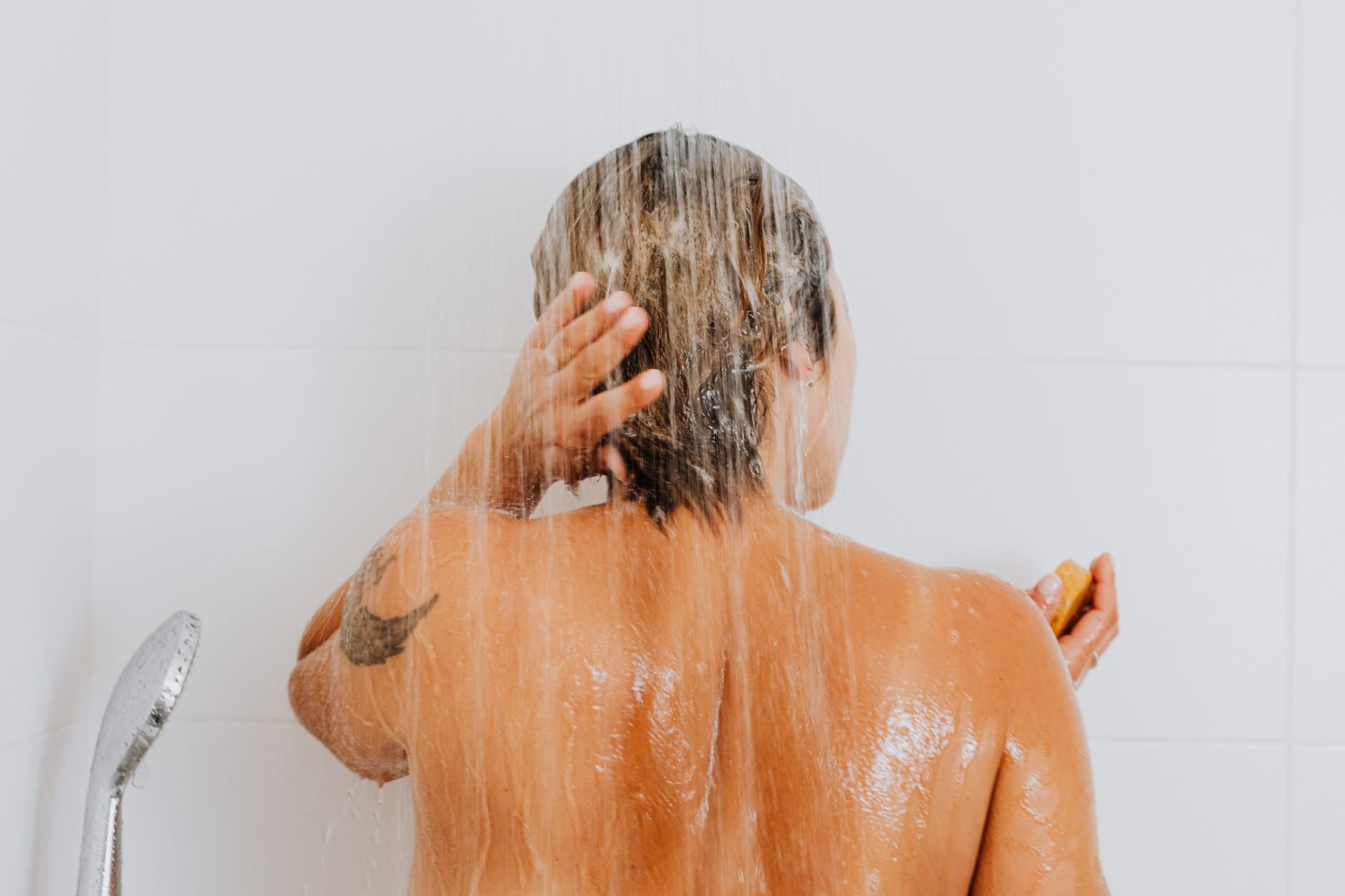
Bar soap vs body wash comes down to three things: the cleansing system (soap vs surfactants), how your skin tolerates that cleanse (dryness, sensitivity, breakouts), and how you’ll actually use it every day.
There isn’t one universally “better” option. A well-made bar can feel gentle, last longer, and cut packaging. A well-formulated wash can feel softer on very reactive skin and rinse clean in hard-water areas. The catch: marketing often blurs these differences, so the label alone won’t tell you much.
Below, we break it down by ingredients, pH, hygiene, sustainability, and cost—then match bar soaps to dry, oily, sensitive, acne-prone, and eczema-prone skin using only soaps we can verify in our catalog.
1) The basics: what “bar soap” and “body wash” actually mean
Classic bar soap forms when fatty acids react with an alkali (saponification). That creates “true soap” plus naturally occurring glycerin. Many traditional bars skew more alkaline than skin, which can feel squeaky-clean and sometimes drying.
Body wash usually uses synthetic surfactants (often called syndets). These can sit closer to skin’s natural acidity and can feel more forgiving, especially if you react to alkaline cleansers. Still, a harsh surfactant blend can dry you out just as fast as a harsh bar.
So where do our featured products land? Everything in this guide sits in the “soap” bucket (solid bars or body soap bars). Some use traditional methods and added emollients to reduce that tight feeling.
For example, DHC White Soap 3 Piece (from $9.10) positions itself as a gentle facial cleansing bar with soothing botanicals like olive leaf and olive oil, and it highlights a pH-balance formula designed to avoid that parched, itchy aftermath.
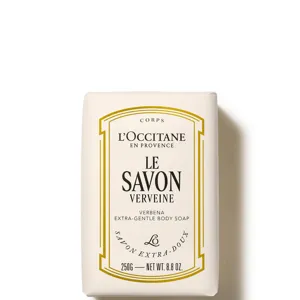
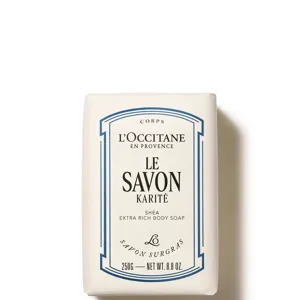
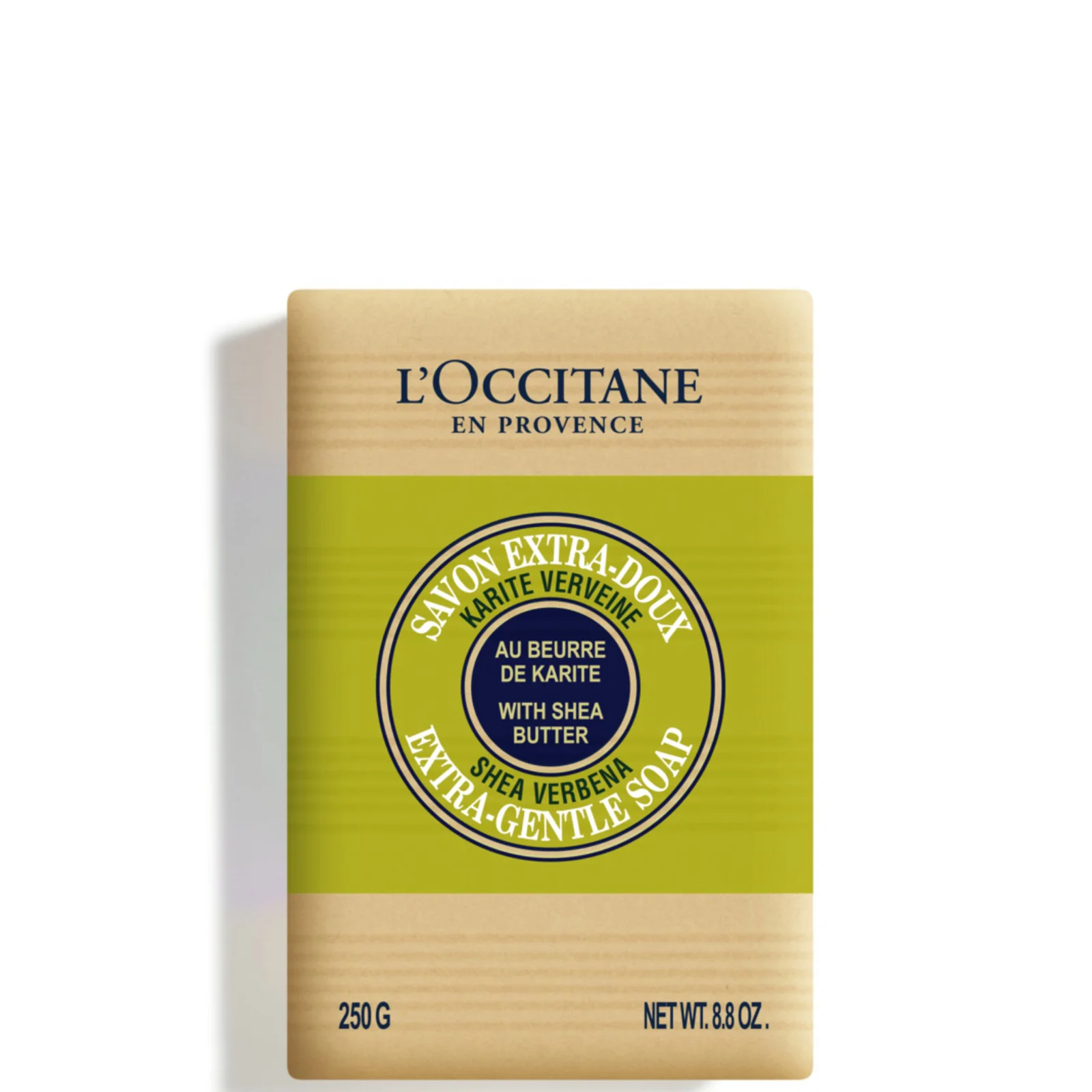
Meanwhile, L’Occitane explicitly leans on method and enrichment: their Extra-Gentle Body Soaps use traditional saponification with skin-softening additions like shea butter and omega-6, including L'Occitane Verbena Extra-Gentle Body Soap (from $13.80) and L'Occitane Shea Extra Rich Body Soap (from $13.80).
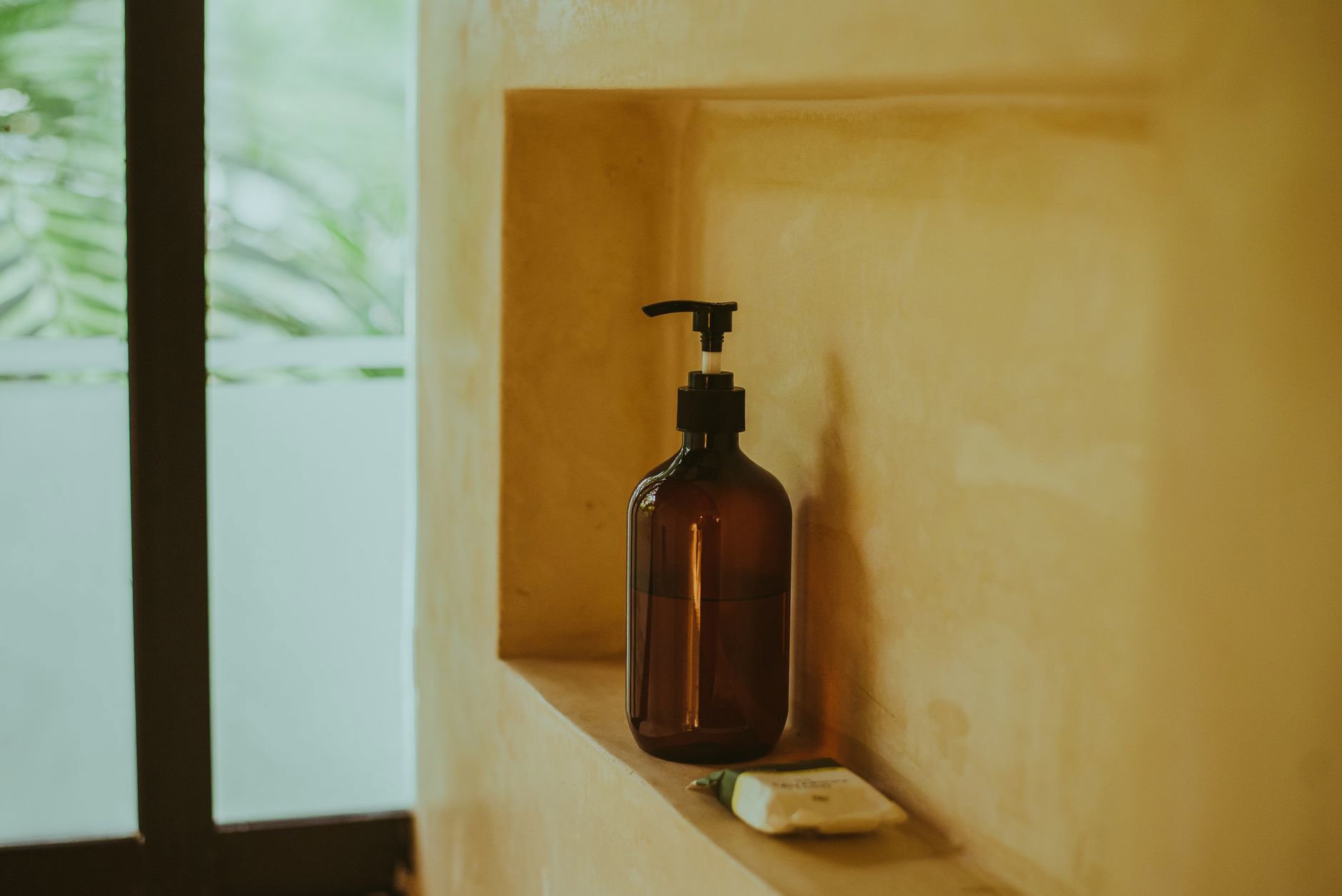
2) Cleansing agents, pH, and why “tight skin” happens
Your skin barrier works best with a slightly acidic surface. Cleansers that push you too alkaline can increase tightness, roughness, and that post-shower “need lotion immediately” feeling.
Traditional bars often run higher in pH. That does not automatically mean “bad,” but it means technique and formula matter more. Bars that add emollients and humectants can reduce the stripped sensation.
Take DHC Q10 Body Soap (from $8.00). Its description calls out a rich lather that cleanses without stripping moisture, plus organic olive and soybean oils, aloe leaf juice, and antioxidants CoQ10 and vitamin E. In plain English: it aims for effective cleansing with more cushion.
Contrast that with an exfoliating, tone-focused bar like Mario Badescu Aha Botanical Body Soap (from $7.76). It includes fruit enzymes, glycolic acid, and grapefruit extract to help buff away dullness and visibly unify tone and texture. That “brighter” goal often pairs better with resilient or oilier skin—and less well with easily irritated skin.
One more nuance: water quality changes the experience. Hard water can make some cleansers feel less rinseable and more drying. If your showers leave a film or your skin gets tight fast, you may need a gentler, more emollient-heavy bar and shorter contact time.
3) Moisturizing feel: what bars can (and can’t) do for dry skin
Moisture “feel” after cleansing comes from two things: how much oil you remove and what you leave behind. Bars can do both well or badly depending on formulation.
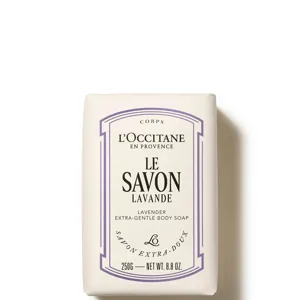
If you run dry, look for bars that explicitly include rich emollients. L'Occitane Shea Extra Rich Body Soap (from $13.80) focuses on a soft, creamy lather and includes shea butter. L'Occitane Lavender Extra-Gentle Body Soap (from $13.80) also uses shea butter and sunflower seed oil.
Dry skin also tends to do better with less “active” cleansing. That often means skipping exfoliating acids daily. If you love the glow of an AHA-style bar, consider limiting use to a few times per week and using a richer bar on off days.
For a face-cleansing bar that tries to avoid that stripped feeling, DHC White Soap 3 Piece (from $9.10) highlights olive oil and olive leaf plus a pH-balance formula to help prevent parched or itchy skin. We like that the brand makes the “not itchy” claim explicit because that’s the real-life complaint people search for.
One more reality check: cleansing bars don’t replace moisturizers. If your climate swings from humid summers to dry winters (which it does across the U.S.), you may need to change bars seasonally, then keep your body moisturizer consistent. For context, this site also tracks Body Lotions and Body Creams, but the recommendations here stay strictly in soaps.
4) Oily, acne-prone, and rough-bumpy skin: when “more cleanse” helps
If you get body breakouts, sweat-related congestion, or rough texture, you often need either (1) more effective oil control or (2) controlled exfoliation. Bars can deliver both, but you have to pick the right lane.
For oil control plus gentle exfoliation, Ursa Major Morning Mojo Bar Soap (from $14.00) calls out oil absorption and control and also mentions gentle exfoliating action. It also lists peppermint for a cooling, refreshing feel and honey for soothing moisture support.
For a brighter look and smoother feel, Mario Badescu Aha Botanical Body Soap (from $7.76) sits in the “chemical exfoliation” category thanks to glycolic acid and fruit enzymes. That makes it a better match for thicker, oilier skin—or for targeted use on areas like the back, chest, and upper arms.
Still, acne-prone does not always mean “treat it aggressively.” Over-cleansing can trigger rebound oiliness or irritation that looks like breakouts. If you feel stinging, tightness, or persistent redness after washing, rotate in a softer, more conditioning bar like DHC Q10 Body Soap (from $8.00) to keep the routine sustainable.
Technique matters here more than people think. Keep the bar on skin for 20–30 seconds where you break out, then rinse well. Don’t scrub hard. Friction can worsen inflammation and ingrowns.
5) Sensitive and eczema-prone skin: fragrance, actives, and contact time
When skin reacts easily, the “best” cleanser often feels boring. That’s fine. Consistency beats novelty.
Eczema-prone skin tends to dislike frequent exfoliation, strong fragrance, and long hot showers. With bar soaps, the biggest controllable variable is contact time. Lather, cleanse, rinse—done.
From our list, the most barrier-supportive descriptions come from emollient-heavy bars and pH-conscious formulas. DHC White Soap 3 Piece (from $9.10) emphasizes soothing botanicals and a pH balance approach to prevent parched or itchy skin. DHC Q10 Body Soap (from $8.00) includes aloe leaf juice plus conditioning oils.
L’Occitane’s Extra-Gentle Body Soaps also lean comforting due to their shea butter enrichment, including L'Occitane Verbena Extra-Gentle Body Soap (from $13.80) and L'Occitane Lavender Extra-Gentle Body Soap (from $13.80). Sensitive skin can still react to scent, though, so patch-testing and shorter exposure help.
We’d avoid daily use of AHA-style bars on eczema-prone areas. Keep Mario Badescu Aha Botanical Body Soap (from $7.76) as an occasional, targeted tool if you tolerate it.
If you need more context on how cleansing fits into a full routine, our skin care hub organizes product types like Foam & Wash Cleansers and Face Toners. This guide stays focused on soaps, but the routine logic carries across categories.
6) Hygiene, storage, sustainability, and cost: the unsexy deciding factors
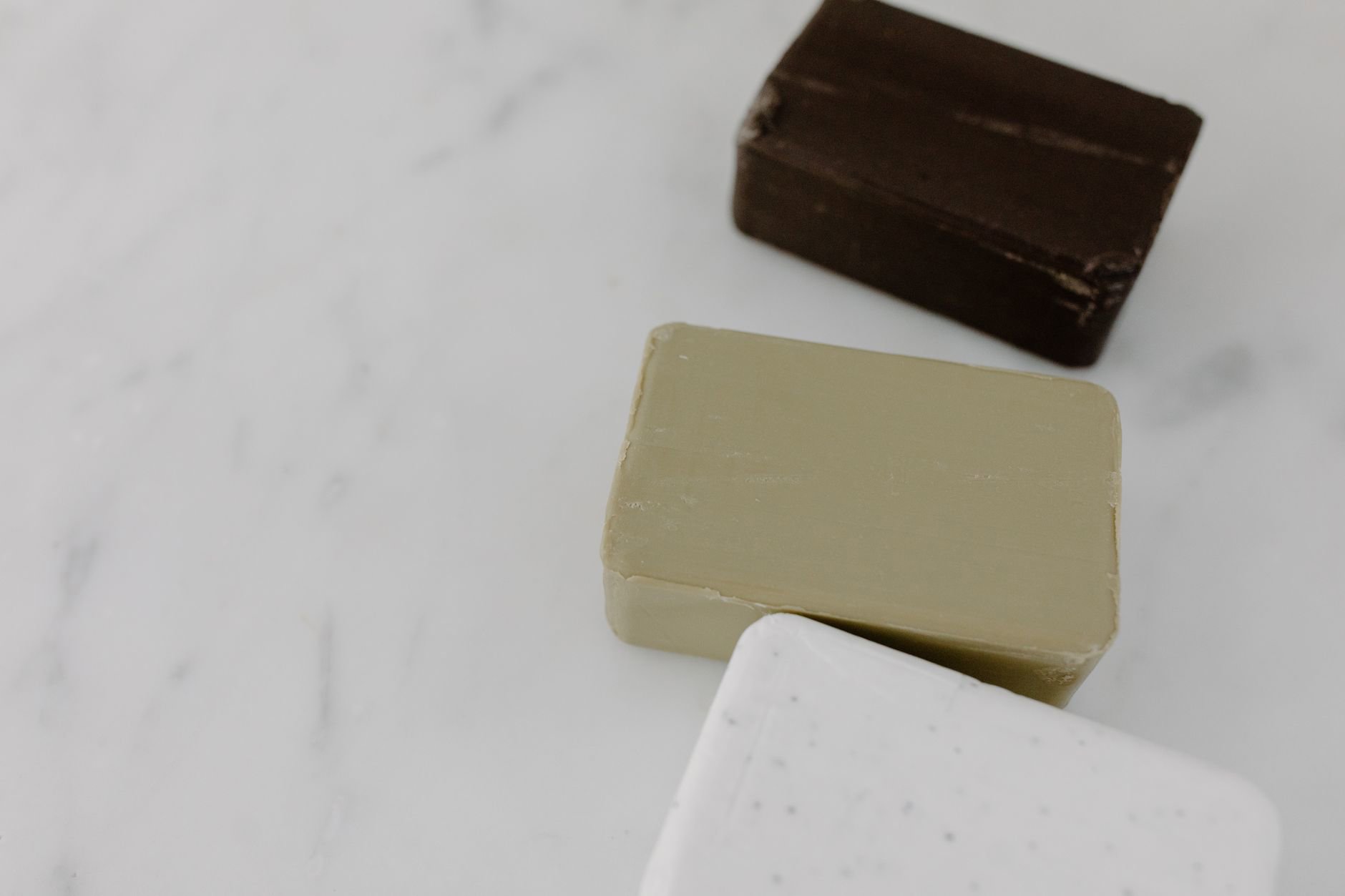
Hygiene worries keep some people away from bar soap. In practice, a bar that dries between uses stays more hygienic than many assume. The risk rises when a bar sits in pooled water, gets shared among multiple people, or stays damp in a closed dish.
Storage fixes most of that. Use a draining soap dish, keep it out of the direct shower stream, and let it air-dry. If you share a bathroom, consider separate bars or keep a face bar fully separate from a body bar.
Sustainability often favors bars because they use less plastic. Not every bar wins automatically—packaging varies—but the category tends to generate less bulky waste than many liquid cleansers.
Cost can also favor bars because they last. Our price tracking shows entry points in this list from under $8: Mario Badescu Aha Botanical Body Soap (from $7.76) and DHC Q10 Body Soap (from $8.00). At the other end, VOYA Invigorating Seaweed Soap Bar runs from $42.55, which makes it a “treat” bar for most budgets.
Worth noting: a higher price can reflect branding and sensory experience as much as performance. If you want that giftable, spa-coded vibe, Fresh and VOYA play there. If you want basic function at a sharper price, DHC and Mario Badescu tend to look stronger on dollars-per-use.
A quick bar-soap comparison (from our catalog)
- Best budget exfoliating option: Mario Badescu Aha Botanical Body Soap (from $7.76)
- Best budget conditioning option: DHC Q10 Body Soap (from $8.00)
- Face-bar option for dryness/itch concerns: DHC White Soap 3 Piece (from $9.10)
- Premium “spa bar” tier: VOYA Invigorating Seaweed Soap Bar (from $42.55)
7) Choosing by skin type (and scent tolerance): the simplest decision tree
If you only remember one thing, remember this: choose your bar by the problem you’re trying to solve, then adjust how often you use it.
Dry skin: start with a rich, comfort-first bar. L'Occitane Shea Extra Rich Body Soap (from $13.80) or DHC Q10 Body Soap (from $8.00) makes more sense than an acid-focused option. Keep showers warm, not hot.
Oily skin: use an oil-controlling bar and rinse thoroughly. Ursa Major Morning Mojo Bar Soap (from $14.00) aims to absorb and control oil while still keeping exfoliation gentle.
Acne-prone body skin: rotate. Use Mario Badescu Aha Botanical Body Soap (from $7.76) a few times a week for texture and tone, then switch to DHC Q10 Body Soap (from $8.00) on other days to avoid overdoing it.
Sensitive skin: keep the routine predictable and limit variables. DHC White Soap 3 Piece (from $9.10) highlights pH balance and soothing botanicals, which aligns with what sensitive users typically seek. If you try scented bars, keep contact time short.
Eczema-prone skin: choose the least irritating option and focus on what you control: water temperature, time, and friction. We’d keep exfoliating acids for rare, non-flaring moments, if at all.
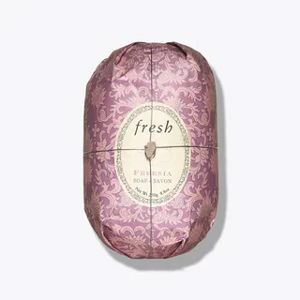
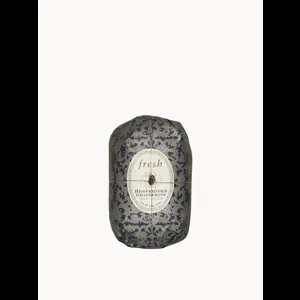
Scent-first shoppers: if fragrance drives your routine compliance, pick the bar that makes you want to shower. Fresh leans into that sensorial, giftable lane with Fresh Hesperides Grapefruit Oval Soap (from $13.80) and Fresh Freesia Soap (from $13.80). Just keep an eye on sensitivity.
And if you’re buying across retailers, remember that product tier often mirrors distribution. You’ll see different soap assortments at Sephora versus Target, and that says as much about price band as it does about “quality.” For adjacent browsing, GlamGeek also organizes brands like Revolution and Clinique, but the picks here stay within the soap list above.
Practical tips you can use today (no new products required)
1) Change your technique before you change your soap. Most “soap made me dry” complaints improve with shorter showers, warm water, and rinsing fast. Lather the bar in hands first, then apply suds. That reduces friction.
2) Separate face and body bars. If you use DHC White Soap 3 Piece (from $9.10) as a face cleanser, keep it away from the shower’s splash zone and store it on a draining dish. Face bars stay cleaner and last longer that way.
3) Use exfoliating bars like a treatment. With Mario Badescu Aha Botanical Body Soap (from $7.76), aim for 2–4 times per week on rough areas, then switch back to a conditioning bar. Your skin often looks better with that rotation than with daily acids.
4) Let the bar dry fully. A bar that stays wet turns mushy and disappears faster. A draining dish and airflow can double usable life in some bathrooms, which changes the cost math.
Sign-off: the “better” cleanser is the one you’ll use consistently
If your skin feels comfortable after you rinse—no tightness, no sting, no persistent itch—you’ve probably chosen well. From there, it becomes a preference call on scent, lather, and waste.
What’s your main concern right now: dryness, body breakouts, sensitivity, or just finding a bar that doesn’t feel harsh?