Our price tracker shows a pattern every time heat tools trend on social or summer hits the coasts: hair mask searches spike. Women know masks can rescue brittle ends, define curls, and add shine fast. The part that trips most of us up isn’t which mask to buy. It’s how often to use it without weighing hair down or making it limp.
The short answer: your hair type, porosity, damage level, and climate drive the schedule. Not the product label alone. You set frequency the way you set water temperature in the shower — by feel, with a little guidance. This guide gives you that structure, then shows you how to tweak it week to week.
Across our merchant feed, we see every tier represented — from Target staples to prestige jars at Sephora and Nordstrom. The formulas look different, but they follow the same rules of use. Hydration masks fit easily into most routines. Protein or bond-building masks need more care and spacing. If you color, heat-style, or swim, your calendar shifts again.
Retail timing matters too. Ulta’s 21 Days of Beauty and summer hair events often include treatments. Sephora’s Spring Savings and Black Friday bring solid mask deals. You can add any favorite to your GlamGeek wishlist and our tracker will ping you when the price drops. We watch prices across Sephora, Ulta, Target, Amazon, and Nordstrom so you don’t have to.
Before we get to frequency, clarify definitions. A deep conditioner gives slip and surface softness. A hair mask tends to pack more actives — humectants, emollients, occlusives, proteins, and sometimes bond builders. Some masks hydrate only; others rebuild strength. You handle those two families differently because they create different results and risks.
Water and climate also play a role. Hard water deposits can block moisture. Dry mountain air drinks humectants out of hair. Gulf Coast humidity bloats fine hair. Your mask cadence should flex for these realities. A strict “every Sunday” rule ignores the variables your hair actually faces.
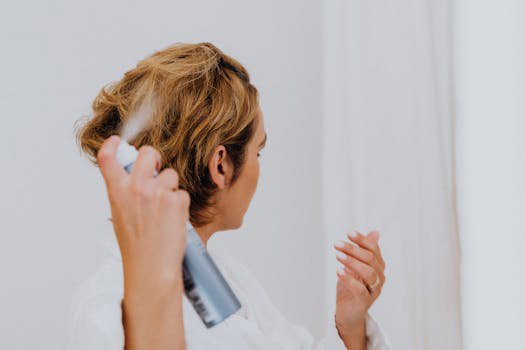
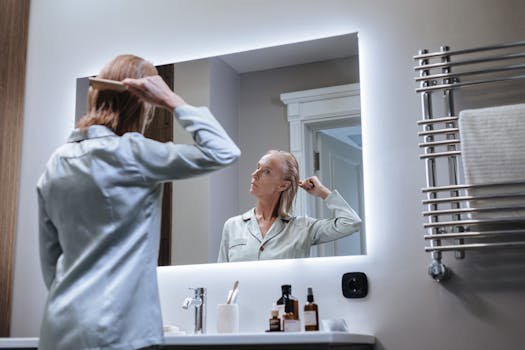
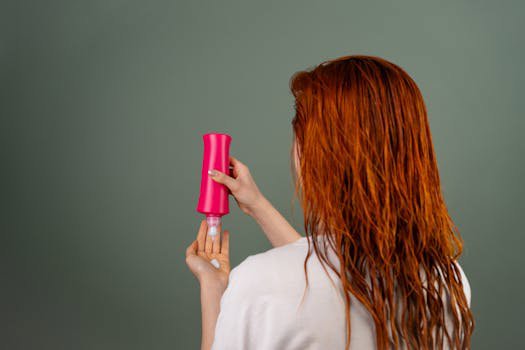
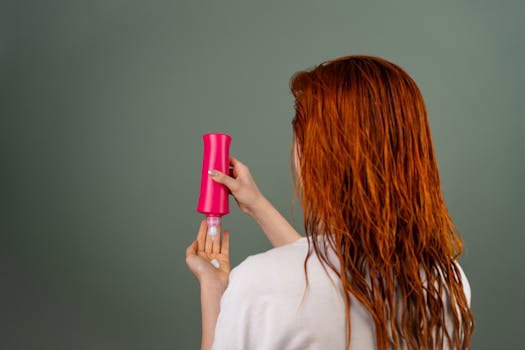
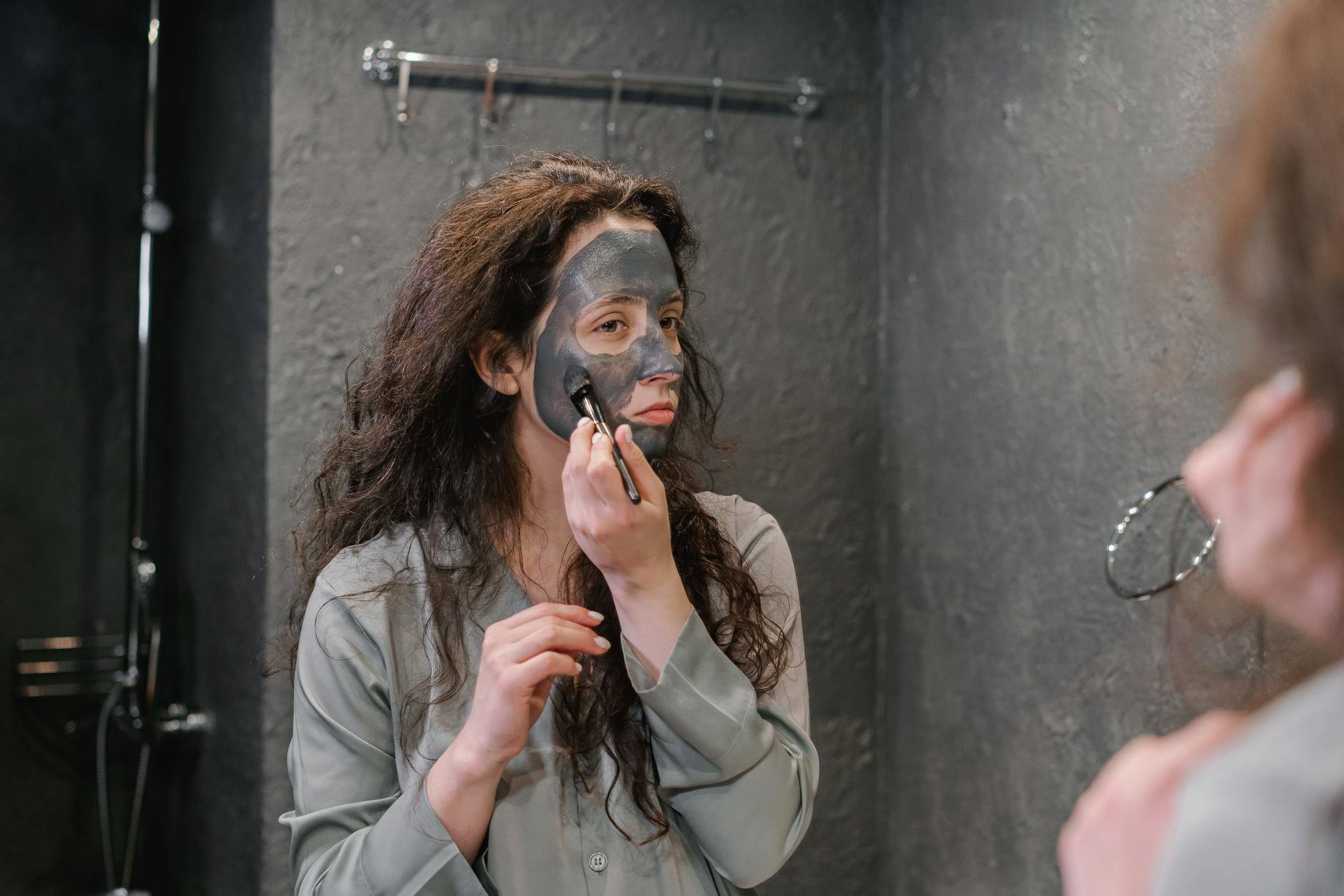
{{IMAGE:woman applying hair mask at home}}A quick-start schedule by hair type
Start with the framework below, then adjust for porosity, color, and climate. Use hydrating masks more freely. Use protein or bond-builders with intention. When in doubt, space intense treatments and listen to how your hair behaves for a full week after each use.
Fine or straight hair: Mask every two to four weeks, and keep it light. Choose a weightless hydrating formula with glycerin, aloe, or lightweight esters. Many fine-haired women do best with a five-minute mask that rinses clean. Save proteins for rare use. If your hair goes limp or splits faster, stretch the gap rather than add more product. You can browse lighter options under Hair Masks, and cross-check with matching Moisturising & Nourishing Shampoos for balance.
Wavy hair (2A–2C): Mask weekly or every other week. Wavy textures often crave hydration but get overwhelmed by butters. Pick creamy gels or milk textures that define without grease. If you heat-style, add a monthly strengthening step. If your waves flatten after masking, reduce quantity, not frequency. Apply from mid-lengths down, and comb through once for even coverage.
Curly hair (3A–3C): Aim for once weekly hydration. Curly strands lose moisture fast, and masks can replace a regular conditioner in that weekly slot. Use rich emollients and humectants, then seal with a small amount of leave-in. If you color or diffuse dry, alternate a hydrating mask one week and a strengthening mask every third or fourth week. Curly hair speaks clearly when it’s unhappy: extra frizz means it wants more water or faster rinsing. Stringy or stiff curls usually point to protein overload.
Coily hair (4A–4C): Hydrate once or twice weekly. Many coily routines include a midweek co-wash and a weekend cleanse. You can place a mask after either, depending on scalp needs. Keep a separate protein or bond-building session every three to four weeks unless you relax or lighten hair. If you do, bring that strengthening step forward to every other week until your hair feels springy again. Rich masks from brands like Garnier and more luxe ranges like Kérastase both show up in our feed; check our category page to compare textures and reviews.
Porosity and protein: the levers that change everything
Porosity describes how fast your hair lets water in and out. It shapes how your mask works more than hair type does. Low porosity hair has compact cuticles. Water slides off and products sit on top. High porosity hair has lifted or damaged cuticles that leak moisture.
If you have low porosity hair, use heat to help hydration. Warm the mask in your hands, then cover with a shower cap and a towel for 10 minutes. Keep frequency modest: every one to two weeks for curls and coils, every two to four weeks for fine or wavy hair. Use small amounts. Rinse well with warm water. Add a quick cool rinse to smooth the cuticle. Protein can make low porosity hair feel rigid fast. Save it for once a month unless you see breakage.
If you have high porosity hair, lean on richer masks more often. Once a week suits most curls and coils with high porosity. Every other week suits fine or wavy hair with color damage. Add periodic proteins or a bond-building mask to patch weak areas. Watch elasticity: if a hair strand stretches and snaps like wet spaghetti, you need strength. If it snaps without stretching, increase hydration first.
Protein types matter. Hydrolyzed keratin and wheat proteins sit on and slip into the cuticle to add structure. Collagen offers film-forming support. Silk amino acids bring easy shine. Start with a small dose and space applications. Too much protein stacks up and causes stiffness and breakage. Rotate a protein mask once every three to four weeks unless your colorist just lifted you. In that case, use strength weekly for a month, then step back.
Color-treated, heat-styled, or chemically processed hair
Bleach, color, relaxers, and heat tools all lift or disrupt the cuticle. You need hydration to plump the hair and strength to keep it intact. Set a two-lane plan: moisture most weeks and targeted strength on a schedule. That approach stabilizes your results without overload.
Color-treated hair: Hydrate weekly. Add a strengthening mask every second or third week. Focus on mid-lengths to ends. Avoid heavy silicones the day before a color appointment, but use them freely between appointments if you like shine and slip. You can source color-care masks in our Hair Masks section and compare richer picks from L'Oréal with prestige options from Kérastase. We see frequent promotions on both at mass and prestige retailers throughout the year.
Heat-styled hair: If you blow-dry or flat iron several times a week, schedule a weekly hydration mask and a strength mask every two weeks. Time the strength step after heavy heat weeks. Always pair any mask routine with a heat protectant on styling days. Skipping this step erases your mask gains fast.
Chemically processed hair: Relaxers and perms change the hair’s internal bonds. Use a moisturizing mask weekly and a protein or bond-repair treatment every week for the first month after a service. Then shift to every other week. If your hair feels crunchy after a strength step, follow with a quick hydrating mask for two minutes to soften the finish. Brands across budgets address this segment. You can compare mass options from Garnier with salon picks under Kérastase and build a rotation that suits your wallet.
Scalp type, sweat, water, and the real-world variables
Oily scalp with dry ends: You can still mask. Shampoo the scalp well and focus the mask from ears down. Use a light hydrating formula weekly, and add a denser mask once a month to reset. If roots look flat the next day, reduce mask amount, not frequency. Clarify once every three to four weeks to keep buildup away.
Gym sweat or frequent workouts: Sweat salts can dehydrate hair and itch the scalp. Rinse or co-wash midweek and save your mask for your full shampoo day. If you co-wash, let the mask stand in for conditioner that day. This rhythm keeps moisture levels steady without daily heavy products.
Swimming and hard water: Chlorine, salt, and mineral buildup block hydration. Use a chelating or clarifying shampoo before masking after pool or beach days. Then apply a hydrating mask. If you swim often, set that as a standing weekly treatment. You’ll see better slip and less snagging on wash days.
Protective styles: You still need moisture. Apply a light, water-based mask or leave-in to exposed ends before you install a protective style. During the style, use a spray leave-in on scalp and braids every few days. After take-down, cleanse, detangle, and follow with a rich mask. Add a strengthening step the following week if you see shed hair with short, broken ends.
{{IMAGE:hair mask texture close-up}}Season and climate: adjust your calendar like your wardrobe
Dry mountain or desert air: Humectants help, but you need occlusives to lock them in. Choose masks with oils and butters and use them weekly. Rinse with tepid water to keep the cuticle calm. Add a few drops of leave-in oil on ends if you live at altitude.
Humid south: Humectants pull water from air into hair, which can cause puffiness. Pick masks with balanced humectants and film-formers. Look for formulas that promise “frizz control” rather than pure hydration. Use them every one to two weeks and lean on lightweight conditioners between. In high humidity, finer hair often performs better when you stretch mask frequency and reduce leave-ins.
Cold northeast winters: Indoor heat steals moisture. You can increase mask frequency by one notch from your summer schedule. Add a silk or satin pillowcase to reduce mechanical wear. Use a richer mask nightly only on ends by emulsifying a pea-size amount with water in your palms and scrunching it in. Rinse that micro-mask out in the morning if your hair leans fine.
Coastal summers: Sun, salt, and wind rough up the cuticle. Rinse hair with fresh water as soon as you leave the beach or pool. Then mask that evening. Keep a swimmer’s clarifying step weekly to prevent green hues on light hair. You’ll notice better shine and fewer tangles when you maintain this routine.
How to apply a hair mask so it actually works
Technique matters more than timing. You can cut your product use in half and get better results when you prep, portion, and rinse well. Follow this quick playbook and your schedule will deliver predictable results.
Cleanse first. Your mask should meet clean hair so it can reach the cuticle. Shampoo roots and run suds down the lengths. If you use heavy stylers, clarify every few weeks. Then squeeze out water until your hair feels damp, not dripping. Waterlogging dilutes your mask and sends product down the drain.
Portion correctly. Start with a nickel-size amount for fine hair and a quarter-size for thick hair. You can add more if you see dry patches. Emulsify the mask between your palms until it feels silky. Then apply from mid-lengths to ends. Use a wide-tooth comb or your fingers to distribute. You want even, thin coverage, not heavy globs.
Time with intention. Most hydrating masks work in five to ten minutes. Strengthening masks often need less time, especially on fine hair. If a label suggests 20 minutes, add heat from a warm towel to speed penetration rather than stretching the clock. More time doesn’t always mean more benefit.
Rinse with purpose. Warm water opens the cuticle just enough to let residue slip away. Finish with a cool rinse to smooth. If your hair feels coated, shampoo lightly at the roots only and rinse again. Then decide if you need conditioner. Many masks replace conditioner. If your hair tangles or squeaks, add a quick conditioner pass on ends.
Style smart. Blot with a microfiber towel or a cotton T-shirt. Apply leave-ins in thin layers. Use heat protectant every time you blow-dry or iron. Your mask can’t outwork daily heat without a shield.
Signs you’re masking too much (or not enough)
Your hair tells you when your plan needs a tweak. Watch the feel, the stretch, and the way it sits on day two. Adjust your schedule or switch the mask family. Small changes prevent long cycles of trial and error.
Overuse of hydrating or heavy masks shows up as limp roots, fast oil, and hairstyles that fall flat by midday. You may also see greasy film that builds quickly. Fix this by spacing hydrating masks further apart, switching to lighter textures, and clarifying once. Fine hair often needs this reset each season.
Protein overload shows up as stiffness, dullness, squeaky hair when wet, and breakage with little stretch. Take a break from strength for two to four weeks. Use pure hydration masks and lightweight conditioners. If your hair still feels brittle after a reset, book a trim to remove damaged ends. Then restart with smaller, spaced protein doses.
Under-masking shows as chronic frizz, tangles, and hair that snaps when you detangle. Increase hydrating mask frequency by one notch. Add a strength step if your hair stretches and doesn’t spring back. If you see a quick win and then backslide, your shampoo may resolve the mask. Try a gentler cleanser on non-clarifying weeks. Our Moisturising & Nourishing Conditioners page can help you pair a daily conditioner with your weekly mask.
Product picks by budget and need
You can build a strong routine at any price. Mass-market tubs serve most hair goals. Prestige jars bring sensorial formulas and targeted actives. Across our feed, we see meaningful price gaps on the same product between retailers. Check the GlamGeek comparison before you hit checkout.
Budget-friendly hydration: Look for glycerin, aloe, and light oils near the top of the list. Mass staples from Garnier and L'Oréal anchor this set and often go on promo at drugstores and big-box chains. Add your pick to your wishlist and we’ll alert you when it drops. Pair with a gentle shampoo from our Moisturising & Nourishing Shampoos category to reduce stripping.
Mid-tier care with extras: Look for ceramides, amino acids, and balancing polymers. Many masks in this tier smooth without grease and hold curl shape well. You can scroll reviews on the Hair Masks page to see how women with similar textures rate slip, weight, and scent. We tag retailers, so you can spot where it currently runs lower.
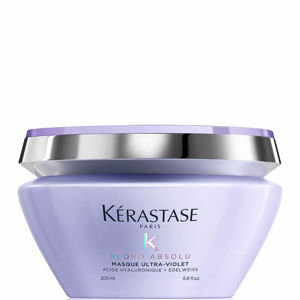
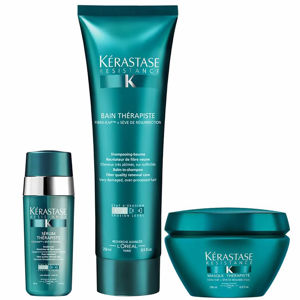
Prestige nourishment and strength: For a plush finish or targeted repair, salon brands like Kérastase dominate our prestige listings. You’ll also find rich masks at beauty specialty stores and department counters. We often track these across Sephora, Nordstrom, and Bluemercury at the same time. The prices don’t always match. Use our comparison to pick the best cart.
Natural-leaning picks: If you prefer a simpler INCI list, lines from The Body Shop offer butter-rich masks that suit dry ends and coily hair. These often appear in seasonal promos. Add to your wishlist to catch a set or bundle for less.
Routine blueprints you can copy and tweak
Use these examples as a starting point. Swap in your preferred brands. Keep the cadence and steps, then refine based on how your hair responds. Note your results in your phone for two weeks and adjust from there.
Fine, straight hair blueprint: Shampoo with a gentle cleanser. Every third or fourth wash, use a lightweight hydrating mask for five minutes from mid-lengths down. Rinse well and skip conditioner that day. Use a heat protectant before blow-drying. Clarify once a month. If roots look flat by noon, cut your mask amount in half, not your frequency.
Wavy hair blueprint: Shampoo, then mask every one to two weeks with a medium-weight formula. Detangle in the shower with a wide-tooth comb. Rinse, then scrunch in a small amount of leave-in on ends. Diffuse on low. Add a monthly protein step if you color or iron. If waves collapse on day two, shorten mask time by two minutes.
Curly hair blueprint: Co-wash midweek. On wash day, shampoo roots, then apply a rich hydrating mask weekly. Add a protein or bond-repair step every third week if you lighten or heat-style. Rinse, then layer leave-in and curl cream in thin coats. Dry with a hooded dryer or diffuse. If curls feel stringy, reduce protein frequency and revisit hydration.
Coily hair blueprint with protective styles: Before install, cleanse and detangle. Apply a hydrating mask and sit under a warm towel for 10 minutes. Rinse and oil ends lightly. During the style, mist a leave-in on braids or twists every few days. After take-down, clarify, condition, and mask again. Add strength the following week only if you see breakage.
Color-treated hair blueprint: Alternate weekly hydration with strength every second week for the first month after a color service. Then switch to hydration weekly and strength every third week. Use cool water on rinse days to help shine. If color fades fast, shorten mask time, not frequency, and choose color-safe formulas from brands like L'Oréal or Kérastase and compare prices on GlamGeek before you buy.
FAQs we get about mask frequency
Can you use a hair mask every day? We don’t recommend it. Daily masks overload hair, especially at the roots. If your hair feels dry daily, switch your shampoo or add a light leave-in. Save masks for weekly or biweekly care, then reassess.
Do you replace conditioner with a mask? Many women do on mask days. If your hair tangles or squeaks after rinsing, add a quick pass of conditioner on ends only. If it feels smooth and springy, skip conditioner. You’ll reduce buildup and keep hair buoyant.
Should you mask before or after shampoo? After. Masks need clean hair and open cuticles. Shampoo first, then mask, then rinse well. You can add a final cool rinse to smooth the cuticle and seal moisture.
Can you overdo protein? Yes. Protein adds structure, but too much makes hair stiff and brittle. Space strength sessions. Hydrate between them. If you suspect overload, pause protein for a few weeks and use softening masks only.
What about thin hair that gets greasy fast? Choose a gel-cream mask and apply sparingly from mid-lengths to ends. Shorten time to three to five minutes. Clarify monthly. Many lighter textures appear in mass ranges from Garnier and L'Oréal; prestige ranges also carry weightless lines. Check our category filters for “fine hair.”
What this means for your routine
Set a flexible cadence based on hair type, porosity, and season. Keep hydration as your weekly or biweekly anchor. Fit protein or bond-builders in sparingly, then watch how your hair stretches and behaves over a full week. You control the dials. Your hair’s response tells you when to turn them.
Use our product pages to spot textures and read reviews from women with similar hair. Add favorites to your wishlist before big sale seasons like Memorial Day and Black Friday. Our tracker often catches price drops on masks across Sephora, Ulta, Target, Amazon, and Nordstrom within days of each other. The best routine is the one you can afford to keep.
So, how often do you mask now, and where do you live — humid, dry, coastal, or cold? Tell us what your hair type is and what you want to fix. Then browse the Hair Masks section, compare brands like Kérastase, Garnier, L'Oréal, and The Body Shop, add picks to your wishlist, and let GlamGeek watch the prices while you enjoy your wash day.