Our price tracker flags a steady shift: women buy more leave-in conditioners during humid months, while rinse-out formulas hold steady year-round. Retailers follow the trend. We see leave-ins pushed to endcaps in June and July in the South, while richer rinse-outs headline winter promos in the Northeast. The format you need changes with weather, texture, and damage, not hype.
The aisle doesn’t help. Two conditioners, one says “leave-in,” the other says “rinse.” They share a name, but they don’t do the same job. Picking the right one saves time, reduces breakage, and keeps blowouts or wash-and-go styles from falling flat.
This guide unpacks how each format works, who benefits, and when to layer both. We’ll point to ingredients that do the heavy lifting. We’ll also show where women in the U.S. tend to find better value across Sephora, Ulta, Target, Amazon, and drugstores—because format only matters if you can afford to restock.
There’s a basic split. A rinse-out conditioner uses cationic conditioning agents and fatty alcohols to detangle, soften, and smooth cuticles in the shower. You massage it through, wait a minute or three, then rinse most of it away. A leave-in stays put. It sits on hair after you towel-dry or air-dry to shield strands, add slip, tame frizz, and act as a heat primer if you style. Same family, different jobs.
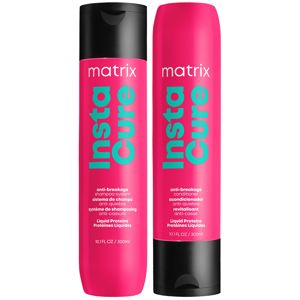
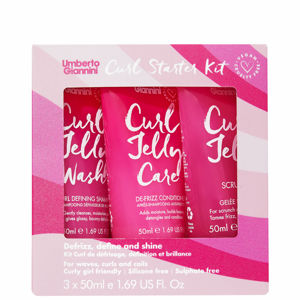
Our data shows rinse-out conditioners get more frequent discounts than leave-ins. Retailers treat them as basket-builders next to shampoo. Leave-ins cycle through fewer promotions, especially sprays with heat protection claims. We also see kit value around holiday sets, which can bundle a rinse-out, a mask, and a leave-in for less. If you like premium ranges, watch those kits near Black Friday and late December.
Ingredients drive performance more than format claims. Look for cationic quats like behentrimonium chloride or cetrimonium chloride in rinse-outs. They detangle fast. In leave-ins, humectants like glycerin and propanediol, plus film-formers like polyquaternium-55 or amodimethicone, help shape curls and buffer heat. Damage calls for protein fragments like hydrolyzed wheat or keratin. Dry ends like emollients such as shea butter or silicones for slip. Your climate decides how much humectant you can handle without halo frizz.
Retail assortments map to price tier as much as brand. Target and drugstores lean into value sprays and milks, while salon and prestige ranges sit at Sephora, Ulta, and Nordstrom. Our comparison makes that split clear week by week, which helps if you want a salon leave-in but prefer a mass-market rinse-out. Mix and match to suit hair and budget.
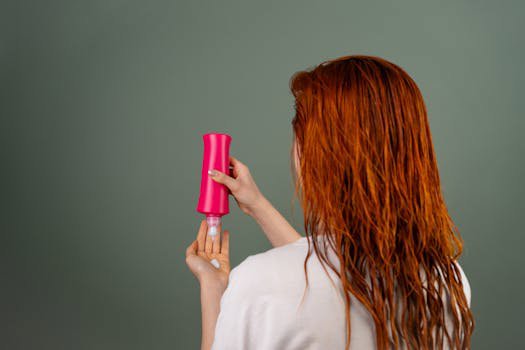
{{IMAGE:woman with curly hair applying leave-in conditioner}}What a Leave-In Does (and Who Needs It)
Think of a leave-in as your daily insurance policy. You apply it after rinsing and before air-drying or heat-styling. Formulas focus on flexible hold, frizz control, and surface slip so hair resists snagging while you brush, diffuse, or blow-dry. Many leave-ins also add UV buffers or heat primers, which matters if you color or use hot tools.
Key players include humectants for hydration, film-formers for frizz control, and conditioning silicones. Glycerin draws water into the shaft if air holds enough moisture. Polyquaterniums provide flexible hold without crunch. Dimethicone and amodimethicone add glide and shine and help seal freshly conditioned cuticles. If your hair breaks during detangling, a leave-in with light protein can help. Hydrolyzed proteins can patch weak spots so the strand bends instead of snaps.
Pick texture by density. Fine or thin hair likes featherweight sprays and milks that offer slip but no drag. Thick or coarse hair tolerates creams and lotions with richer emollients. Curly and coily hair often thrives on creams layered under a gel or mousse. Color-treated hair benefits from pH-balanced, heat-protective leave-ins to keep cuticles tight and color molecules inside.
Application matters more than volume. Work mid-lengths to ends, not the scalp. Start small—one or two sprays per section or a pea to dime-sized dollop—then add if needed. Comb with a wide-tooth tool while hair stays wet to spread product without roughing up cuticles. If you blow-dry, use the leave-in as your primer, then add a dedicated heat protectant only if your leave-in does not claim thermal support.
Leave-ins shine in three cases. Frizz-prone hair in humidity, fragile hair that snaps while detangling, and anyone who styles with heat. If one of those describes you, a leave-in earns a spot. You can browse options under richer creams or weightless sprays in our Moisturising & Nourishing Conditioners category filters, then add picks to your wishlist for price-drop alerts.
What a Rinse-Out Does (and Who Needs It)
A rinse-out repairs feel and manageability right in the shower. Cationic conditioning agents carry a positive charge that attracts to your negatively charged hair. That bond helps smooth lifted cuticles and lubricate the surface so knots release with minimal force. Fatty alcohols like cetyl or stearyl alcohol thicken the formula and add a cushiony slip. Silicones and oils create a soft coating that reduces friction while you rinse.
Rinse-outs work fast, so you don’t need to marinate. A minute or two often does the job, especially if you comb through in the shower. For fine hair, choose lighter, protein-balanced options that won’t smother volume. For coarse or high-porosity hair, reach for richer, creamier conditioners. If your hair tangles as soon as water hits, a shower comb and a generous, creamy rinse-out can cut wash-day time and reduce breakage.
You can treat a rinse-out as your base layer. It sets slip and softness at the sink. Then your leave-in fine-tunes frizz control and protection on towel-damp strands. If you avoid silicones, look for polyquats and plant oils for slip. If you color your hair, pick a formula that calls out pH balance or color-safe claims. Acidic conditioners help flatten cuticles and lock in dye molecules.
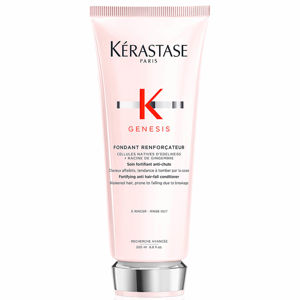
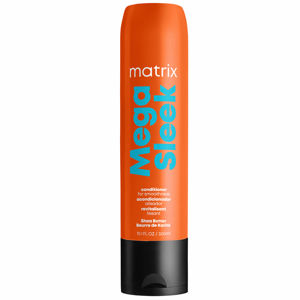
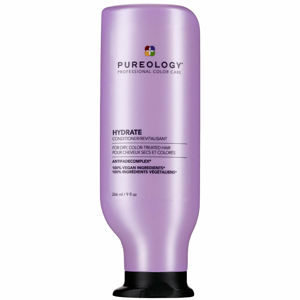
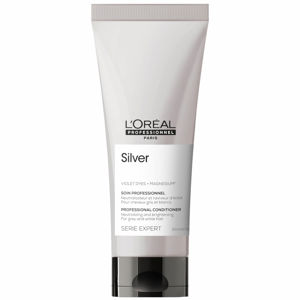
We see rinse-out conditioners discounted more often than leave-ins across mass and prestige. That makes them smart to stock during Ulta 21 Days of Beauty, holiday events, and drugstore coupon cycles. Use our price comparison on Garnier or L'Oréal ranges if you want an affordable staple, or compare salon picks from Kérastase when you plan a splurge. You can track them under Moisturising & Nourishing Conditioners.
Dry or Damaged Hair: Stack Your Moisture
Dry, brittle, or chemically lifted cuticles need redundancy. Use a slip-rich rinse-out in the shower. Layer a protective leave-in after. That two-step approach reduces friction twice, first under running water and later when you detangle and style. Our review data shows fewer breakage complaints when women pair both formats, especially on bleached or sun-faded ends.
Ingredients to watch: ceramides, amino acids, and light oils that seal without gumming up. Look for words like “hydrolyzed,” “ceramide,” and “amino” on the back label. A touch of dimethicone in a leave-in helps guard against mechanical stress from brushes and pillowcases. If your ends feel straw-like, emulsify a pea of rinse-out conditioner with water and scrunch it into the last inch of hair before you step out. Then follow with a leave-in cream on towel-damp hair.
Add a weekly mask to push hydration deeper. Damaged hair often benefits from a cycle: one week moisture, one week protein. You can sort rich treatments in Hair Masks. If your shampoo feels stripping, swap to a creamier wash in Moisturising & Nourishing Shampoos. That change reduces how hard your conditioner needs to work.
Heat use makes moisture plans fail without protection. If you flat iron, confirm your leave-in lists heat protection up to your tool temperature. Many sprays list a threshold. If you blow-dry daily, consider a two-phase leave-in that combines water-based hydration and silicone slip. Those formulas keep the strand flexible under heat. If your budget limits extras, prioritize a solid rinse-out and a heat-protective leave-in over stylers you can skip.
Sales timing helps here. We track strong value in salon holiday kits that pair a conditioner, mask, and leave-in. Add the set you want to your GlamGeek wishlist and we’ll ping you when retailers cut the price.
Fine or Thin Hair: Condition Without Collapse
Fine hair panics at heavy emollients. You still need conditioning, but you can’t sacrifice lift. Build a light routine. In the shower, pick a rinse-out that balances protein and hydration with a fluid texture. Avoid thick butters and heavy oils on most days. In many cases, you can dilute a rinse-out with water in your palms and still get slip without residue.
For leave-in, choose featherweight sprays or milks. Look for phrases like “volumizing,” “weightless,” or “for fine hair.” Polyquats and volatile silicones give slip without lingering weight. Apply mid-lengths to ends, then comb. If you heat-style, mist the leave-in in sections. That approach distributes product more evenly than a last-minute all-over spray. If your roots collapse fast, keep leave-in two inches off the scalp.
Our price tracker finds the best breadth of lightweight leave-ins at mass retailers, where value lines like Garnier and L'Oréal offer sprays and milks in seasonal scents and textures. You can still shop salon sprays if you prefer added heat protection. Watch Ulta points events or Amazon multipacks if you repurchase often. Add a couple picks to your wishlist so we can alert you when the per-ounce price drops.
Technique matters as much as formula. Rinse your conditioner thoroughly. Blot hair with a T-shirt or microfiber towel, not a terry towel that raises frizz. Use a round brush and a medium heat setting instead of max. If you go heat-free, clip the roots while air-drying to set lift. A leave-in with light hold can help with this. If your ends still look fuzzy, tap a pea of leave-in cream only on the last inch.
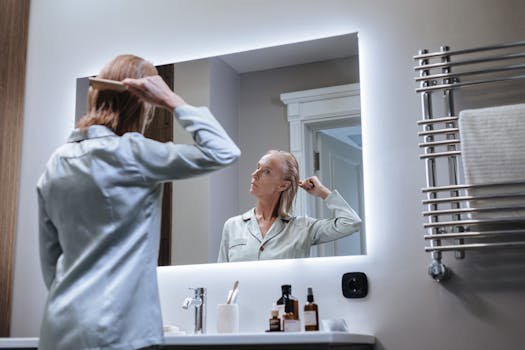
{{IMAGE:woman blow-drying hair with volumizing spray}}Curly and Coily Hair: Define, Seal, and Reduce Frizz
Curls drink water first, then need help holding it. A rinse-out conditioner primes definition by smoothing cuticles and setting slip for detangling. A leave-in locks hydration in place and sets the coil pattern as hair dries. Many women with curls use both every wash day. That pairing saves time later because clumps form sooner and frizz stays down.
Ingredient filters help here. Look for glycerin if your region’s dew points sit in a moderate range. In Florida-like humidity, too much glycerin can puff the cuticle. In that case, pick leave-ins with balanced humectants and stronger film-formers like polyquats. Oils like argan or jojoba can seal ends without smothering. If you avoid silicones, seek out quats and plant esters for slip. If you color, pH-balanced options protect curl pattern and shine.
Application makes or breaks curl definition. Work rinse-out through sections and detangle in the shower with a wide-tooth comb. Rinse lightly if you want extra slip. On towel-damp hair, apply your leave-in in sections using praying-hands or rake-and-scrunch methods. If you use the LOC or LCO methods, place a light oil before or after your cream based on your porosity. High-porosity hair often needs oil last to seal. Low-porosity hair may prefer cream last so you don’t overload.
Our data shows curl creams remain low on promo, while rinse-outs go on sale more often. That mix makes sense, since curl creams do more styling work. If your budget forces a choice, keep the leave-in cream you love and rotate the rinse-out based on sales in our Moisturising & Nourishing Conditioners section. For gentle shampoos that won’t strip your leave-in gains, check Moisturising & Nourishing Shampoos. If you prefer brands with community trade oils, explore The Body Shop in our database.
Air-drying helps curl memory, but climate dictates options. In dry western air, layer a creamier leave-in. In humid southern air, choose a lighter leave-in with stronger film-formers, then top with gel for hold. Diffuse on low to medium heat if you need speed. Don’t touch your curls until the cast sets.
Color-Treated or Heat-Styled Hair: Protect and Prolong
Color-treated hair needs three things: gentle cleansing, pH-conscious conditioning, and daily protection. A rinse-out with acidic pH helps close the cuticle after shampoo. That move keeps dye molecules inside. Look for “color-safe” claims and ingredients like amino acids and ceramides. A leave-in then shields pigment from UV and buffers heat. If you style daily, that layer matters. It reduces fading and keeps hair from turning dull.
Heat tools raise risk for chipped cuticles and split ends. Use a leave-in that lists thermal protection, then add a separate heat spray if your tool runs hot. Amodimethicone pairs well with heat because it bonds selectively to damaged areas and doesn’t weigh down healthy sections. Hydrolyzed proteins can help hair hold shape under heat with less crackling. If you round-brush blowouts, pick a leave-in with light hold to speed smoothing and reduce repeated passes.
Salon systems bundle these steps. You’ll often see a shampoo, conditioner, mask, and leave-in under one color-care range. If you like that organized approach, check Kérastase in our brand pages, then compare per-ounce prices across Sephora, Ulta, and Amazon before you commit. We see better values in value-size liters and seasonal kits. Add the kit you want to your wishlist so we can send a price alert when retailers mark it down.
If you swim or spend time outdoors, rinse hair with fresh water before chlorine or salt exposure, then apply a light leave-in as a barrier. After, use a color-safe rinse-out to detangle and a leave-in to reset slip. Avoid high heat on the same day as a heavy sun or pool session. Hair handles only so much stress at once.
Build-Up, Scalp Health, and How to Reset
Great conditioning fails if build-up blocks performance. Silicones, oils, and styling resins can pile on. Hard water leaves mineral deposits that mimic dullness. When conditioner seems to stop working, your hair may need a reset, not a new product. Rotate a clarifying or chelating shampoo into your routine once every week or two, depending on styling habits and water hardness. You can search gentler options inside Moisturising & Nourishing Shampoos if your scalp runs dry.
Scalp comfort guides format choices. If your scalp feels greasy by afternoon, keep rinse-out and leave-in off roots. Focus mid-lengths to ends. If you deal with flakes, choose a rinse-out with soothing agents and use your leave-in sparingly near the scalp line. Rinse thoroughly to avoid residue. If you wear protective styles, a leave-in spray can hydrate new growth without saturating braids or twists. Mist lightly and blot excess with a towel.
Our pricing feed shows clarifiers go on stronger promotions outside summer when women buy fewer heavy stylers. That timing suits a reset before fall or spring. Add your clarifier and daily conditioner picks to GlamGeek and we’ll watch both for price dips. You can also track size upsells, which shift the cost per ounce more than most coupons.
Technique still drives results. Avoid piling conditioner on top of residue. Cleanse well first. Rinse-out conditioners need contact with a clean surface to work. Leave-ins need even distribution. Work in sections, use water to help spread product, and detangle gently from ends up. Your hair repays that patience with fewer snaps and less frizz.
Time, Travel, and Climate: Match Format to Your Day
Some days allow a full wash routine. Others don’t. Leave-ins suit quick turnarounds. If you shower after the gym and head straight to work, a leave-in spray tames frizz and adds slip fast. Rinse-outs matter more when you can detangle under running water and set a soft base. You can also rinse only your ends and reapply leave-in if you need a midweek refresh without a full wash.
Climate sets the rules. In the humid South or Gulf Coast, pick leave-ins with stronger film-formers and light oils. They hold shape against swells. In the dry West, layer a richer leave-in and seal ends to prevent moisture loss. In the cold Northeast, indoor heat can parch hair. Use a creamy rinse-out and a leave-in cream, then top ends with a light oil on the coldest days. Adjust seasonally and you’ll get more from fewer products.
Travel adds a price angle. Minis carry a high per-ounce cost. Our tracker shows better value in regular sizes that you decant into travel bottles. Stock up during holiday kits or Memorial Day promos, when retailers bundle bestsellers. If you want a drugstore rinse-out and a salon leave-in, compare both on GlamGeek across Target, CVS, Walgreens, and Sephora before you check out. Tap “add to wishlist” so we can ping you when either drops.
Styling plans also matter. If you air-dry, a leave-in handles frizz and definition. If you heat-style, the leave-in works as your primer and heat buffer. If you wear slick buns, a rinse-out with strong slip speeds detangling on wash day, then a small amount of leave-in keeps breakage away at the crown where hair rubs against elastics and hats.
What This Means
Format choice comes down to three questions. Do you need fast detangling in the shower, ongoing frizz control after, or both? What does your hair density and porosity tolerate without collapse? How does your climate shift humidity and dew points across the year? If you answer those, you make smarter buys and stop chasing every new launch.
Use both if you deal with dryness, breakage, or curls that frizz. Use only a rinse-out if your hair stays smooth and you rarely heat-style. Use only a leave-in when you need speed, want a heat primer, or manage humidity between washes. Fine hair thrives on lightweight sprays and milky leave-ins. Coarse and curly hair loves richer creams and section-by-section application. Color-treated hair needs pH-aware rinse-outs and leave-ins with UV and heat support.
Keep shopping practical. Compare per-ounce costs on GlamGeek and watch retailer timing. Rinse-outs discount more often, so rotate those to save. Leave-ins see fewer promos, so buy when your wishlist pings you. Browse by texture and need inside Moisturising & Nourishing Conditioners, explore rich treatments in Hair Masks, and price-check across Garnier, L'Oréal, The Body Shop, and Kérastase before you commit. The right format pays for itself in fewer tangles, faster styling, and less breakage.
What hair type are you working with right now, and which conditioner format has actually helped? Tell us where you shop it—Sephora, Ulta, Target, or drugstore—and add your current favorites to your GlamGeek wishlist so we can alert you when the price moves.