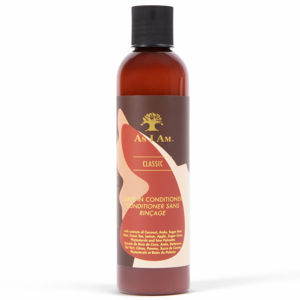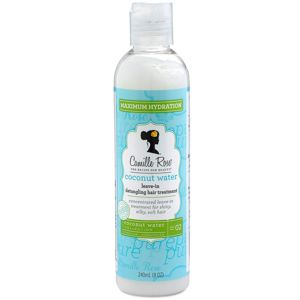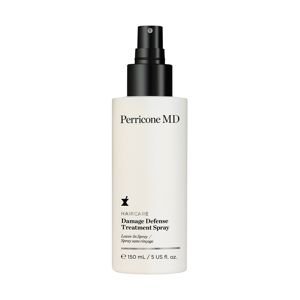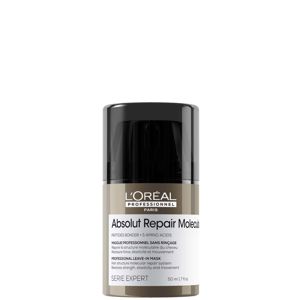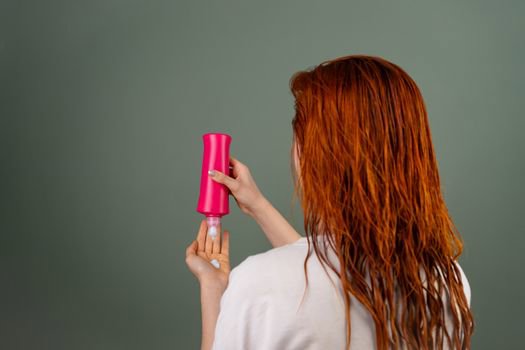
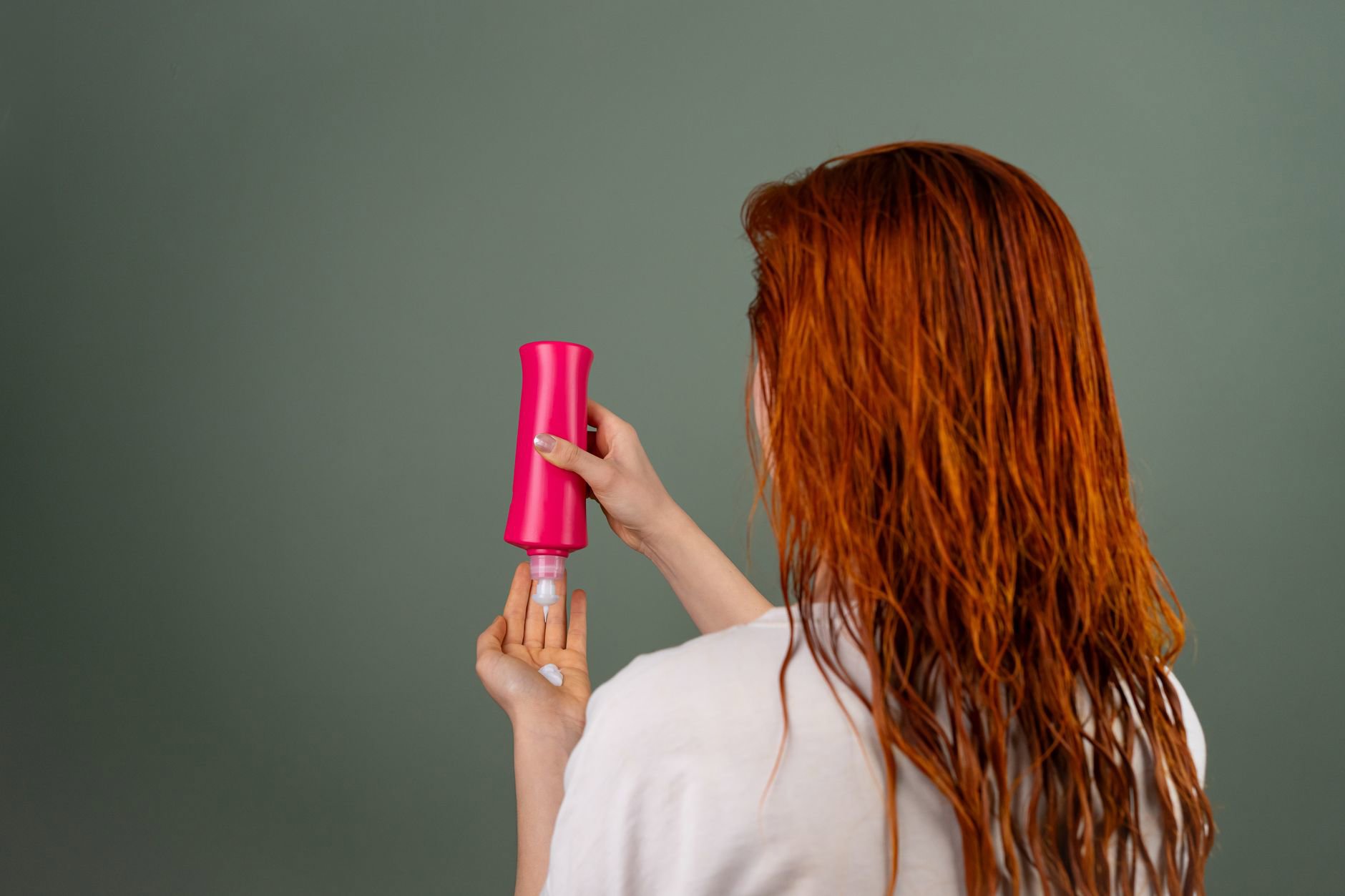
Leave-in conditioner works best when you treat it like a “dosage” product, not a “more is more” product. Use it to add slip, reduce friction, and keep hair smoother between washes. Apply the right amount on the right level of dampness, then distribute it evenly.
Most frizz complaints we see in reviews and retailer Q&As trace back to two things: uneven application and over-application. The fix usually looks boring. Section the hair, use less product than you want to, and add water if you need more spread.
Our price tracker also shows a wide spread in leave-in pricing, from value sprays to prestige creams. You do not need the most expensive option for good results. You do need the right formula type for your hair and routine.
What leave-in conditioner actually does (and what it doesn’t)
Leave-in conditioner sits on the hair after you rinse out your regular conditioner. It improves manageability, reduces tangles, and helps hair feel softer. In practice, that means less snapping during detangling and less roughness during styling.
It also reduces friction. Friction drives frizz, especially in humid climates and on textured hair. A leave-in helps hair strands slide past each other, so you see fewer flyaways and less “puff” around the perimeter.
What leave-in conditioner does not do: it doesn’t replace cleansing, and it cannot permanently “repair” split ends. Some leave-ins market bond repair or damage defense, but the day-to-day benefit still comes from conditioning, smoothing, and reducing breakage during handling.
Ingredient-wise, most leave-ins rely on a mix of humectants (water-binding), emollients (softening), and film-formers (smoothing). For example, Philip Kingsley Daily Damage Defense (from $21.50) calls out panthenol for plumping and shine, plus almond extract to strengthen strands. That combination fits the “slip + resilience” goal that matters in real life.
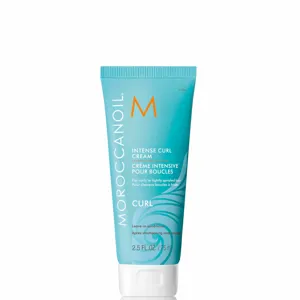
Some leave-ins also target style outcomes. Moroccanoil Intense Curl Cream (from $12.65) aims at curl shape and definition, and it includes argan oil and vitamins to support hydration. That’s still conditioning, just with a curl-first bias.
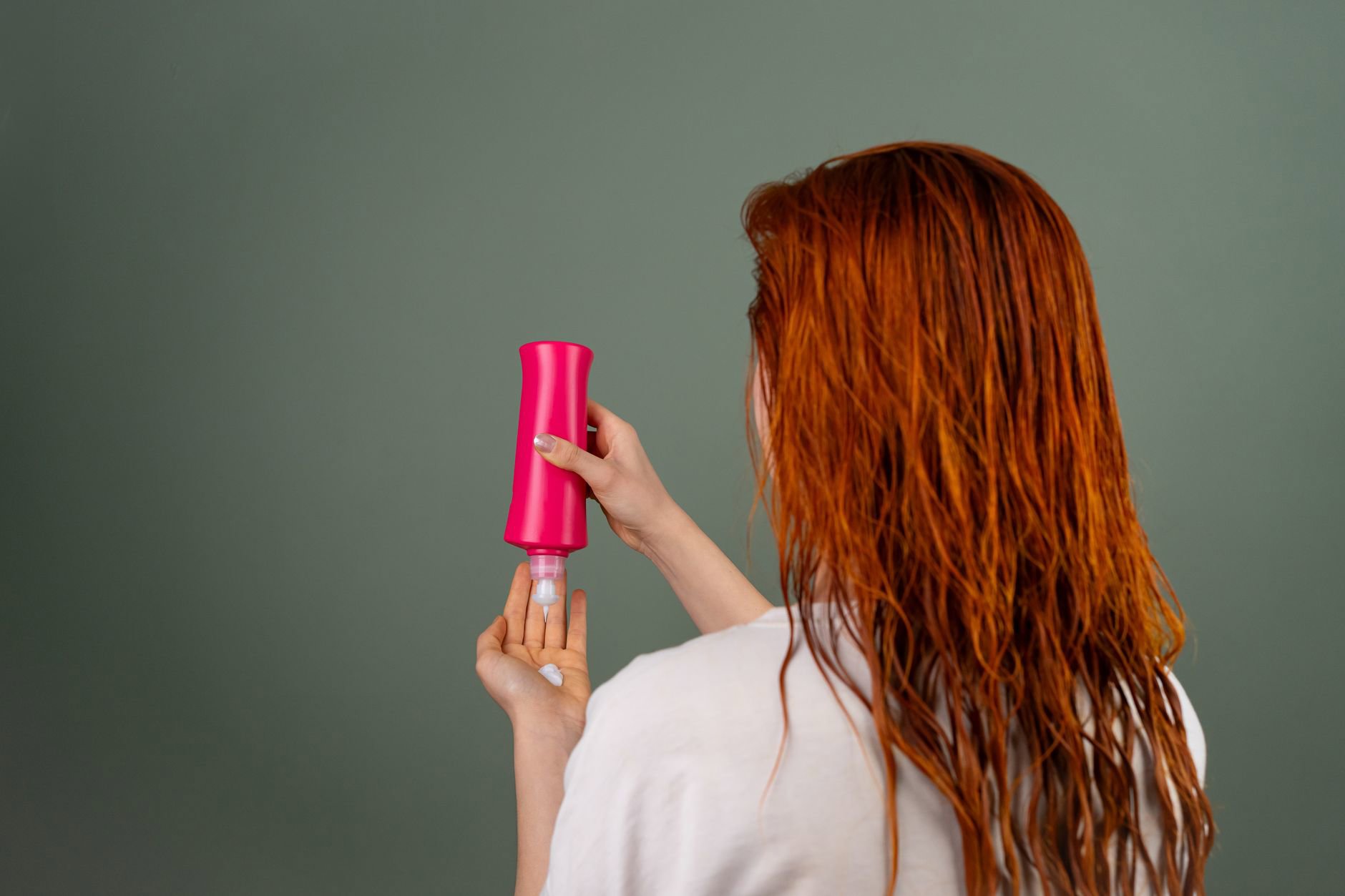
How much leave-in conditioner to use (by hair type and density)
The “best results” amount rarely matches what people squeeze into their palm on day one. Start small. You can always add, but you cannot easily remove product without rewashing.
Use hair length and density to guide you. Fine hair can look greasy with a normal amount, while thick hair can swallow product and still feel dry. Porosity matters too, but you can usually infer it: if hair soaks up water fast and dries fast, it often wants a touch more leave-in.
Quick dosing guide
- Fine, straight to wavy hair: start with a pea-to-dime amount of a cream, or 3–6 sprays of a mist. Focus mid-lengths to ends.
- Medium density, wavy hair: dime-to-nickel amount, or 6–10 sprays. Add water to your hands to improve spread.
- Thick, curly/coily hair: nickel-to-quarter amount per section. Work in 4–8 sections for even coverage.
- Color-treated or heat-styled hair: keep the amount moderate, but be consistent. The goal is daily friction reduction, not a heavy coating.
If you want a lightweight option, Christophe Robin Hydrating Leave-In Mist With Aloe Vera (from $15.00) comes as a weightless mist with 97% natural-origin ingredients and targets hydration, detangling, and shine. Mists make it easier to dose in small increments.
For hair that needs more cushion, a cream texture often spreads better through dense strands. Curlsmith Weightless Air Dry Cream (from $21.16) positions itself as “super lightweight” moisture without buildup, which makes it a smart starting point for people who fear heaviness but still want softness.
When hair feels both dry and fragile, look for formulas that mention proteins or strengthening components. Philip B Lovin' Leave-In Conditioner (from $28.00) highlights soy and wheat proteins and strengthening amino acids, plus botanical extracts like aloe vera and chamomile. Use protein-leaning leave-ins in smaller amounts at first, since too much can feel stiff on some hair types.
Wet vs dry hair: when to apply for smoother, less frizzy results
Apply leave-in conditioner on damp hair for the most consistent results. Damp hair helps the product spread evenly, which reduces patchiness. Patchiness shows up as frizz in the spots you missed.
“Damp” beats “dripping.” If hair drips, water can dilute product too much and move it away from the ends. Blot with a towel or a cotton T-shirt, then apply.
Dry-hair application works best as a tiny refresh, not a full application. Use it to tame flyaways or revive ends between washes. If you apply too much on dry hair, you can get stringy sections and visible residue.
Three timing options that work
- Post-shower, towel-blotted: best for detangling and frizz control. Most people should start here.
- On soaking-wet hair: best for very dry, very curly hair that needs maximum slip. Use less product and distribute longer.
- Between washes on dry hair: best for ends-only touchups. Use a mist or emulsify a tiny amount in wet hands.
If you heat style, a leave-in that calls out heat protection can earn its keep. Grow Gorgeous Defence Anti-Pollution Leave-In Spray (from $2.10) explicitly targets protection from atmospheric pollution and heat damage, plus color fading aggressors. It also includes green tea extract to help stimulate the scalp and restore shine.
For routine blowouts and frequent hot tools, Philip Kingsley Daily Damage Defense (from $21.50) sits in the “conditioning spray” camp and focuses on keeping hair healthy during heat styling. That’s the use case where timing matters most: apply before heat, not after.
Step-by-step: the application technique that prevents buildup and missed spots
Technique beats price. We see this in patterns across retailers: the same leave-in earns five-star reviews from people who section and distribute, and one-star reviews from people who blob it on top.
Use this sequence. It works for straight hair, waves, curls, and coils. Adjust the amount, not the method.
The “even coat” method
- 1) Start on damp hair. Blot until hair feels wet but not dripping.
- 2) Emulsify. Rub the leave-in between palms for 3–5 seconds. Add a few drops of water if it feels tacky.
- 3) Apply mid-lengths to ends first. The ends need the most conditioning and they show damage fastest.
- 4) Section for density. Thick hair needs 4–8 sections. Fine hair often needs 2.
- 5) “Rake” then “press.” Rake through with fingers to distribute, then press hands down the hair to smooth the cuticle.
- 6) Detangle last. Use fingers first, then a wide-tooth comb if needed. Detangling after application reduces mechanical stress.
For curls and waves, finish with a gentle scrunch to encourage clumping. That clumping often looks like “less frizz” once hair dries, because strands dry in groups instead of separating into fuzz.
If you want definition without weight, Color Wow Cocktail (from $29.25) positions its Curly Bundle to improve manageability without weighing hair down. The description mentions a coconut-infused leave-in treatment and a shine-enhancing gloss designed for curly and wavy hair types. Use it after blotting, then scrunch.
If you prefer a cream for curl shape, Moroccanoil Intense Curl Cream (from $12.65) targets shape and definition while adding hydration. Use a smaller amount than you think, then add water to re-wet hands and smooth again.
Choosing the right leave-in: sprays vs creams vs bond-style treatments
Leave-ins fall into a few practical buckets. The best one depends on how your hair behaves on day two and day three, not just how it looks right after styling.
Sprays and mists suit fine hair, oily scalps, and anyone who wants easy reapplication. Creams suit thick hair, textured hair, and ends that feel rough. Concentrated smoothing creams fit frizz-prone hair that also needs style control.
Our quick comparison (using tracked “from” prices)
- Lightweight mist: Christophe Robin Hydrating Leave-In Mist With Aloe Vera (from $15.00) for hydration, detangling, and shine.
- Heat/pollution defensive spray: Grow Gorgeous Defence Anti-Pollution Leave-In Spray (from $2.10) for shielding from pollution, heat damage, and color fading aggressors.
- Air-dry cream for light moisture: Curlsmith Weightless Air Dry Cream (from $21.16) for lightweight moisture without buildup.
- Concentrated smoothing cream: Olaplex No.6 Bond Smoother (from $29.90) as a leave-in styling crème that strengthens, hydrates, and reduces frizz for up to 72 hours.
- Protein-leaning repair feel: Alterna Caviar Anti-Aging Restructuring Bond Repair Leave-In Protein Cream (from $37.00) to support moisture, elasticity, and shine in damaged hair.
- Breakage-focused classic: Shea Moisture Jamaican Black Castor Oil Strengthen, Grow & Restore Leave-In Conditioner (from $11.65) with Jamaican Black Castor Oil and shea butter to nourish and reduce breakage.
Where you shop can shape what you see. Sephora and Bluemercury often stock pricier leave-ins, while Target and drugstores lean value. That split reflects distribution strategy as much as performance. If you want to browse more broadly, start from hair care and filter down to leave-ins.
One caution: a product listing can include odd description text due to merchant feed errors. We see this occasionally in our data. We only rely on the product descriptions provided on the product pages for factual claims.
Common mistakes that cause frizz, flat roots, or residue
Most leave-in failures look like “my hair feels coated” or “my hair still frizzes.” Both often come from the same habits.
Fix the habits, then reassess the product. That order saves money, because people often buy three leave-ins when they only needed a better routine.
The mistakes we see most
- Applying to the roots by default. Many hair types only need leave-in from ears down. Roots can collapse fast.
- Using too much on dry hair. Dry application magnifies stickiness and can create visible residue.
- Skipping emulsification. Product blobs create “hot spots” that feel greasy, while other areas stay dry.
- Not using enough water. If hair starts to dry while you apply, mist it. Water helps spread the leave-in evenly.
- Over-layering. Multiple leave-ins in one routine often cause buildup. Pick one main leave-in and learn it.
- Rough towel drying after application. That friction lifts the cuticle and invites frizz.
If your issue looks like heavy buildup, switch to a lighter format and reduce dose. Christophe Robin Hydrating Leave-In Mist With Aloe Vera (from $15.00) makes that easy, because you can stop at a few sprays.
If your issue looks like persistent frizz and roughness, you may need a more concentrated smoothing cream. Olaplex No.6 Bond Smoother (from $29.90) targets frizz reduction for up to 72 hours and also claims faster blow-dry time. Use a small amount and keep it off the scalp.
If your issue looks like breakage during combing, prioritize slip and gentle detangling. Shea Moisture Jamaican Black Castor Oil Strengthen, Grow & Restore Leave-In Conditioner (from $11.65) calls out nourishment and reduced breakage, which fits that goal.
Ingredient cues: what to look for based on your goal
You do not need to memorize ingredient lists, but a few cues help you pick smarter. Focus on what the brand claims the formula does. Then match that to your daily problem.
For hydration and slip: look for humectant-style cues like panthenol, plus soothing botanical bases. Philip Kingsley Daily Damage Defense (from $21.50) highlights panthenol and positions itself for heat styling routines.
For definition and manageability in curls: look for curl-specific positioning and “won’t weigh down” claims. Color Wow Cocktail (from $29.25) explicitly targets manageability without weight for curly and wavy hair.
For damaged hair that needs elasticity support: look for protein and omega fatty acid cues. Alterna Caviar Anti-Aging Restructuring Bond Repair Leave-In Protein Cream (from $37.00) calls out fatty omega acids and proteins to help reveal smoother, shinier-looking strands.
For scent-driven routines: some people value fragrance as much as performance. Sol de Janeiro Brazilian Joia Milky Leave-In Conditioner (from $32.20) mentions Brazilian notes of salted caramel, pistachio, and almond, plus SOL Seal Technology™. If you dislike fragrance, skip this style of leave-in.
For daily detangling plus shine: mist formats often shine here. Christophe Robin Hydrating Leave-In Mist With Aloe Vera (from $15.00) positions itself as a refresh between washes too.
One more cue: “night” positioning usually means you apply and leave it alone. Wella Professionals Ultimate Repair Night Hair Serum – Lightweight Leave-In Treatment For Damaged Hair (from $30.00) clearly signals that use pattern in the name, even though the product description text in our feed does not describe hair benefits.
Practical routines you can use today (air-dry, blow-dry, refresh)
A good leave-in routine stays repeatable. You should not need a 12-step process to get smooth hair. Pick the routine that matches your lifestyle, then adjust dosage.
Routine A: air-dry smoothness (minimal effort)
- Blot hair until damp.
- Apply a lightweight cream in sections.
- Press hands down the hair, then leave it alone while it dries.
- If you need extra help at the ends, add a half-pea amount with wet hands.
Good fits: Curlsmith Weightless Air Dry Cream (from $21.16) for weightless moisture, or Coco & Eve Like A Virgin Hydrating & Detangling Leavein Conditioner (from $16.60), which describes a blend of coconut, avocado, and rice protein to boost shine and manageability.
Routine B: blow-dry control (less frizz, less snagging)
- Apply a conditioning spray on towel-dried hair.
- Comb through gently to distribute.
- Blow-dry in controlled sections.
- Use a tiny amount of a smoothing leave-in crème only on ends if needed.
Good fits: Philip Kingsley Daily Damage Defense (from $21.50) for heat styling routines, plus Olaplex No.6 Bond Smoother (from $29.90) in a very small amount for frizz control.
Routine C: day-two refresh (no rewashing)
- Mist hands with water or lightly dampen ends.
- Add 1–3 sprays of a leave-in mist, or a rice-grain amount of cream.
- Smooth and press, then let it settle for five minutes.
- Only add more if you still feel roughness at the ends.
Good fits: Christophe Robin Hydrating Leave-In Mist With Aloe Vera (from $15.00) for a weightless refresh, or Grow Gorgeous Defence Anti-Pollution Leave-In Spray (from $2.10) if you also want shielding from heat and pollution stressors.
If you want to compare how these sit in the broader conditioning category, you can browse Moisturising & Nourishing Conditioners for rinse-out context. Keep your actual routine focused, though. Too many conditioning layers often create the residue people blame on “silicones” or “protein.”
And yes, climate changes outcomes. Humid air can inflate frizz, while dry air can make ends feel crunchy. Adjust with water first, product second.
Sign-off: pick your formula, then perfect your method
Best results come from a simple loop: pick a leave-in that matches your hair’s needs, apply it on damp hair, and distribute it evenly. Then adjust only one variable at a time.
Which problem do you want to solve most right now: tangles, frizz, or dry ends? If you share your hair type and styling routine, we can point you to the best match from the leave-in list above.
Related site areas you might also browse for context: skin care, makeup, and gift. For hair routines, start and stay in hair care.