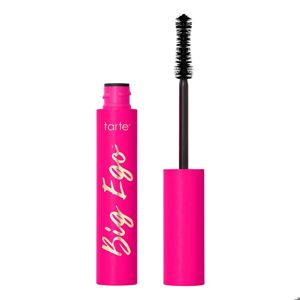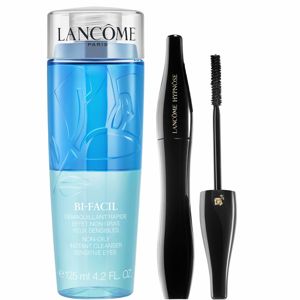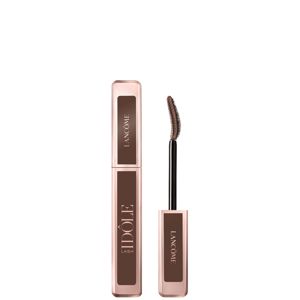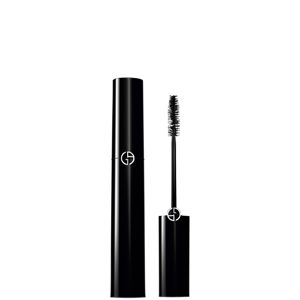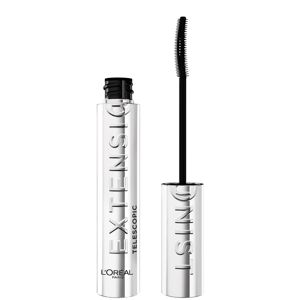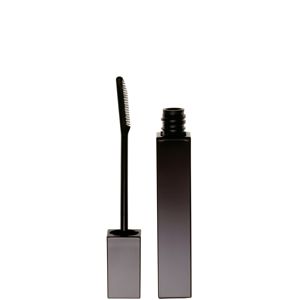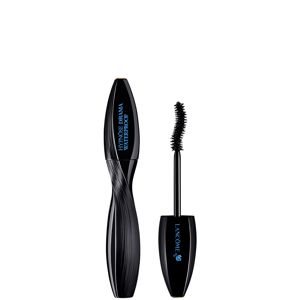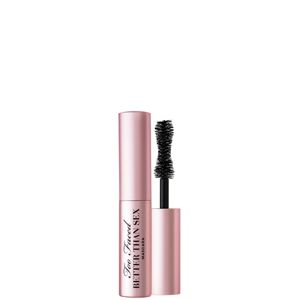
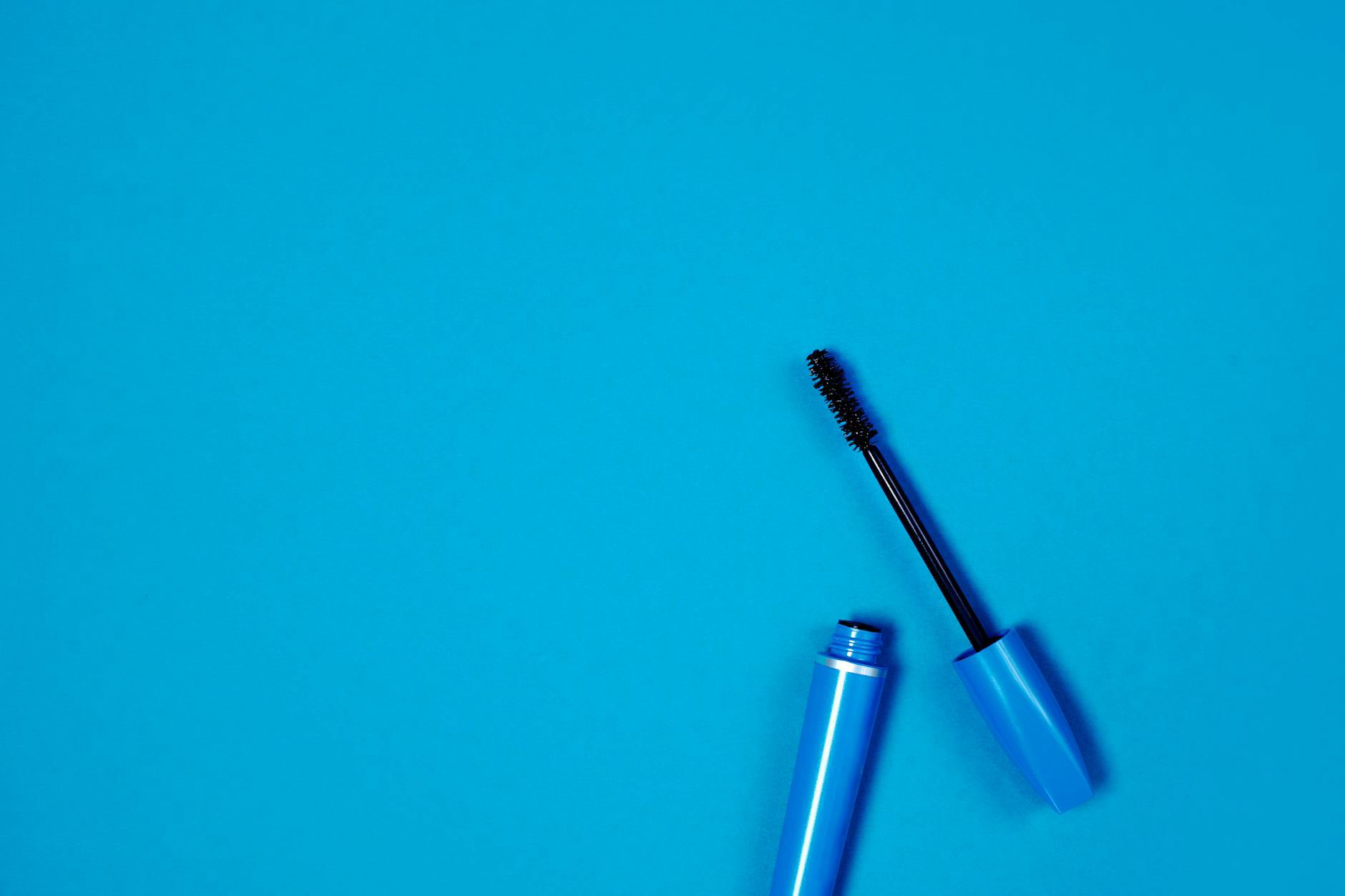
Our price tracker flags the same pattern every sale season: mascara moves. Ulta 21 Days of Beauty, Sephora’s Spring Savings, Black Friday — volume and length fly off shelves. Many of those tubes promise zero clumps. Yet the real difference comes from how you prep, load, and layer.
Clumps happen when too much product hits too little lash. Drying time, old tubes, and heavy-handed wands turn soft volume into sticky spikes. Technique fixes most of it. Smart product choices handle the rest.
We pulled together what actually keeps lashes clean, defined, and lifted across humid summers, dry winters, and long workdays. No gimmicks. Just steps that work and formulas that resist goop.
Mascaras vary wildly by brush, film formers, and wax blend. Your climate and lash type matter. Short, fine lashes need slip and flexible lift. Dense lashes need a combing brush and measured deposits. In very dry air, fast-setting formulas lock too quick and clump. In humidity, wax-heavy choices droop and stick. You can work with all that once you know the levers.
Shelf life is short. Most mascaras give their best in the first eight weeks after opening. After that, thickening starts, even with careful capping. Clumps love thick paste. Toss tubes at three months, sooner if the texture turns stringy or the smell shifts.
Retail tier affects expectations. Target and Amazon focus on value and frequent promotions. Sephora, Ulta, and Nordstrom stock a wider brush and formula range, including tubing and micro-brush detailers. We compare prices across all of them so you can shop the formula you want at the best price. Add your favorite to a GlamGeek wishlist and we’ll ping you when the price drops.
{{IMAGE:woman applying mascara close-up}}Lash prep that kills clumps before they start
Clean, dry lashes take product evenly. Any oil left from eye cream, SPF, or balm turns pigment gummy. Sweep the lash line with a cotton pad and a light micellar water. A drugstore classic does the job; brands like Garnier have gentle options. Let the area dry fully before you reach for the wand.
If you curl, do it on bare lashes. A clean curler presses a consistent curve, which helps bristles slide through and coat from root to tip. A curved base reduces mid-shaft product pooling — a common clump trigger. For resilient curl, hold the curler closed for five seconds at the base, then pulse once at mid-length.
Consider primer if your lashes are sparse or silky and won’t hold onto pigment. Think of it as gripping paint for walls. A thin, combed-through coat builds a scaffold and evens out lash texture. Let it set for 20–30 seconds so it feels tacky, not wet. Then apply your first mascara coat while the primer still has light grab.
Keep tools clean. Rinse your curler pads with warm water weekly and replace pads when they feel slick. A slick pad can crimp lashes and create a shelf where product collects. That shelf becomes a clump magnet on the second coat.
One more small prep move pays off: a quick root wiggle practice without product. Make the motion you’ll use with the wand. It sounds odd, but it sets the angle you’ll keep under pressure and helps you control deposits at the base, not the tips.
Choose the right formula for your lashes and your climate
Most clumps trace back to the wrong formula for the job. Know the big families and what they do as they dry:
- Lengthening/tubing: These wrap each lash with a polymer film. They build in thin, even layers and resist smudging. Great for straight or fine lashes, and for humid regions. You get less goop and clean removal with warm water.
- Volumizing/creamy: Waxes and thickeners add bulk fast. Beautiful for fuller lashes or dramatic looks, but they demand careful loading and timing. In dry climates, they can set too quick and clump if you overwork them.
- Waterproof: They set hard and fast. Ideal for curl hold or sweaty days. They can clump if you rush or layer while semi-dry. Use sparingly or as a topcoat over a smooth first layer.
- Fiber: Tiny fibers add length. They deliver flutter, but you must lock them in with a final comb and light pass to avoid fuzzy tips.
Brand lines differ, even within one company. For clean definition, many women return to classics from Lanc ôme and Clinique. For slim wands that catch every lash, look at MAC micro-brush styles. For dramatic lift with a learning curve, Charlotte Tilbury and L'Ore9al do popular hourglass and bristle-packed brushes. Scan reviews and compare textures on our Mascaras page.
Match formula to region and routine. In sticky southern summers, tubing holds definition and shrugs off sweat. In the dry west, look for flexible films that stay workable a few seconds longer. If you love multiple coats and combing between them, avoid ultra-fast setters and many waterproofs. Your technique will fight the chemistry.
One last filter: eye sensitivity. Fragrance-free options and ophthalmologist-tested formulas from houses like Clinique can cut itch and reduce rubbing. Rubbing lifts clumps into spikes. The best clump control is not needing to touch your eyes at all.
Master the wand: loading, angles, and motion
Load dictates clumps. Pull the wand out once. Do not pump — that traps air and thickens the formula. If you see a blob on the tip, swipe it on the tube neck or tap it on a tissue. You want clean bristles, not a paste ball.
Start at the root. Place the wand tight to the lash line and wiggle a few millimeters side to side. Then glide straight up through the ends. That wiggle packs pigment where it lifts the eye and keeps ends light. Heavy tips stick together.
Angle matters. For the outer quarter, tilt the wand so the bristles follow your lash fan. For the inner corner, rotate the brush and use the tip like a detailer. This reduces accidental blobs and gives a fanned, clean spread.
Brush shapes change results. Curved brushes hug a curl and coat evenly. Comb and spiky plastic brushes separate well and suit thicker formulas. Hourglass and bushy bristles add volume but need a lighter hand. Slim micro-brushes pick up baby lashes on the lower line and reduce mess. If your current formula clumps, pair it with a separating brush style next time.
Use the blink trick if your hands shake. Hold the wand still at the roots and blink gently so lashes draw through the bristles. The motion is smooth and controlled. You lay down less product per pass and avoid catch-and-dump clumps.
Lower lashes need restraint. Wipe the wand almost dry, hold it vertical, and touch the tips with the end of the brush. If product reaches skin, wait ten seconds, then lift it with a dry cotton bud. Wet swipes smear and force you to pile on concealer.
Layering without clumping: timing and order
Coats work best when thin and timed. Your first coat sets the map. The second adds depth. Anything past three coats risks stiffness and sticky ends unless you use a film-former or tubing formula.
Timing is key. Apply the second coat while the first feels tacky, not wet or fully dry. That sweet spot runs 15–45 seconds depending on formula and air. Test it. Touch a spare lash on the wand; it should lift slightly but not smear. In dry winter air, move faster. In humidity, wait a touch longer to avoid thick piles.
Consider cocktailing with purpose. Pair a lengthening or tubing base with a light volumizing topper at the outer corners only. This adds lift and definition where you want it and spares the inner lashes from extra weight. If you use fibers, sandwich them: one thin coat, fibers, then a final sealing coat, each kept light.
Avoid rolling the brush over and over the same spot. That friction drags semi-dry product into clumps. Instead, finish a full eye quickly with clean strokes. Then go back for targeted touches while the map remains workable.
Set your last coat by combing through immediately. A clean metal lash comb or a well-spaced plastic separator slices through micro-clumps before they lock. Put the comb under the lashes and pull forward, not down. That preserves curl while clearing excess.
Quick fixes: separating tools and clean-up tricks
You can save a look when a glob shows up. Keep a dedicated lash comb or spoolie on hand. A fine metal comb separates fastest. A fresh, dry spoolie also works if you move while the product is still pliable.
Separate while damp. Slide the comb from base to tip in one motion. Wipe the comb on a tissue between passes so you do not redeposit paste. Two clean swipes beat twenty tiny strokes. Too many strokes rough up the set and create flake risk.
Remove blobs on the lid only after they dry. A dry cotton swab flicks them away without smearing. For stubborn marks, a pointed swab with a touch of micellar water (look at Garnier micellars) lifts pigment without stripping your base makeup. Always touch, roll, lift. Do not rub.
If the brush itself holds gluey buildup, wash it. Swirl the wand in warm water and a drop of gentle soap, then rinse and let it dry. Only do this with a waterproof cap over the tube opening so water does not hit the formula. A clean brush behaves like new and lays product thinner, which minimizes clumps.
For the lower lashes or inner corners, switch tools. A tiny detailer brush, a micro-mascara, or a clean brow brush can paint the last little hairs without gobs. Check our Makeup Brushes & Applicators section for separators and precision tools that tame messy spots.
{{IMAGE:lash comb and mascara wand macro}}Care, storage, and when to toss
Clumps often signal an aging tube. Most mascaras peak in the first two months. Air, heat, and time thicken the base and make clean coats harder. Close the cap firmly after every use and keep it out of hot cars and sunny windows.
Replace at three months, even if there is product left. Fresh texture saves time and keeps definition sharp. If you want to stretch wear and reduce waste, rotate a fresh daily tube for special days and a near-fresh tube for errands. Just know the older one sets faster and will need more combing.
Wand hygiene helps. If you share your mascara during wedding season or events, expect the texture to shift sooner. Double-dipping with a disposable spoolie for others keeps your brush cleaner. Cleaner brush, fewer clumps.
Removal affects tomorrow’s application. Leftover film and fibers cling to the base and trap new pigment in lumps. Remove completely at night with warm water if it is tubing, or with a gentle cleanser and micellar if it is not. This avoids residue bands that grab product and create instant clumps next morning.
Eye health comes first. If your eyes feel irritated, stop and switch formulas. Many lines from Clinique and Lanc0f4me list ophthalmologist testing. Smarter formulas mean less rubbing and cleaner coats over time.
Smart shopping: brushes, brands, and where to buy
Clump control starts at checkout. Look for brush and formula notes, not just marketing names. Skinny brushes pick up less product and stay tidy. Bushy brushes lay product fast and need a light touch. Tubing builds in thin films if clumps haunt you.
Classic definition has staying power. You will find clean, office-ready mascaras from Clinique and MAC. If you love flared outer corners, hourglass and curved options from Charlotte Tilbury and L'Ore9al draw fans. For lift that survives long days, look for polymer-rich formulas from heritage houses like Lanc0f20me.
Retailers set the tone on availability and price. Target and Amazon carry value staples and frequent multipacks. Sephora, Ulta, and Nordstrom offer mini sizes, which help you test texture and brush style before committing. Bluemercury and Credo focus on clean-leaning options if fragrance bothers you.
Our price tracker often sees the same mascara swing between retailers over a month. Check the comparison on our Mascaras page before you buy. If the one you want looks high today, add it to your wishlist. We track prices across Sephora, Ulta, Target, Amazon, and Nordstrom so you do not have to.
One more buying tip: consider a lash comb or clean-up tool with your next tube. A $-level accessory prevents wasted coats. You will find good separators under Makeup Brushes & Applicators that keep mascara honest.
What this means: your clump-proof checklist
Clean lashes, the right formula, and measured wand work beat clumps every time. Prep first, then apply with purpose. Let each coat reach that tacky phase before you add the next. Comb while it is still workable. Skip late-day re-coats unless you soften with a warm, barely damp spoolie and plan to re-separate.
Here is a quick checklist for smoother coats and defined length:
- Degrease the lash line with micellar and let it dry.
- Curl on bare lashes and keep the pad clean.
- Pick a formula that fits your climate and lash needs.
- Wipe excess from the wand. Start at roots, keep tips light.
- Apply 1–3 thin coats, timed while tacky, not wet or dry.
- Comb immediately to cut micro-clumps before they set.
- Do not re-coat dry mascara. Soften or remove and restart.
- Toss tubes at three months for the smoothest texture.
If you want suggestions to start with, look to definition-first classics from Clinique and length-focused legends from Lanc0f20me. For drama with practice, curvy brushes from Charlotte Tilbury and value standouts from L'Ore9al deliver. Browse the lineup, compare reviews, and save your picks on our Mascaras page. We will alert you when they drop in price.
Your turn
Which mascara gives you clean definition on the first swipe, and which tricks keep your coats smooth? Tell us your clump-proof move and the wand you trust. Add your current favorite to your GlamGeek wishlist, and we will let you know when it dips at Sephora, Ulta, Target, Amazon, or Nordstrom.